Full Article
about Feria
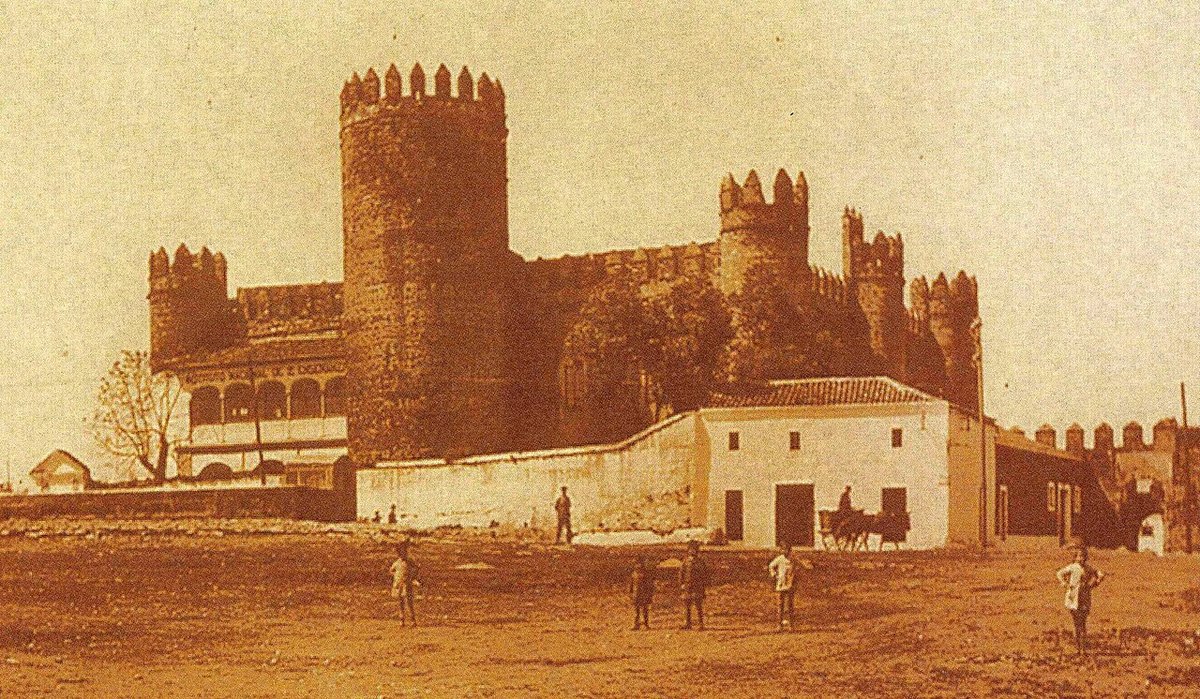
A picturesque town crowned by an imposing ducal castle; known for its steep streets and panoramic views of the region.
Hide article Read full article
At seven in the morning, the scent of damp granite and woodsmoke hangs in the air. A single light is on in a bakery, and the only sound is the scrape of a broom on stone. This is when you can hear your own footsteps in Feria.
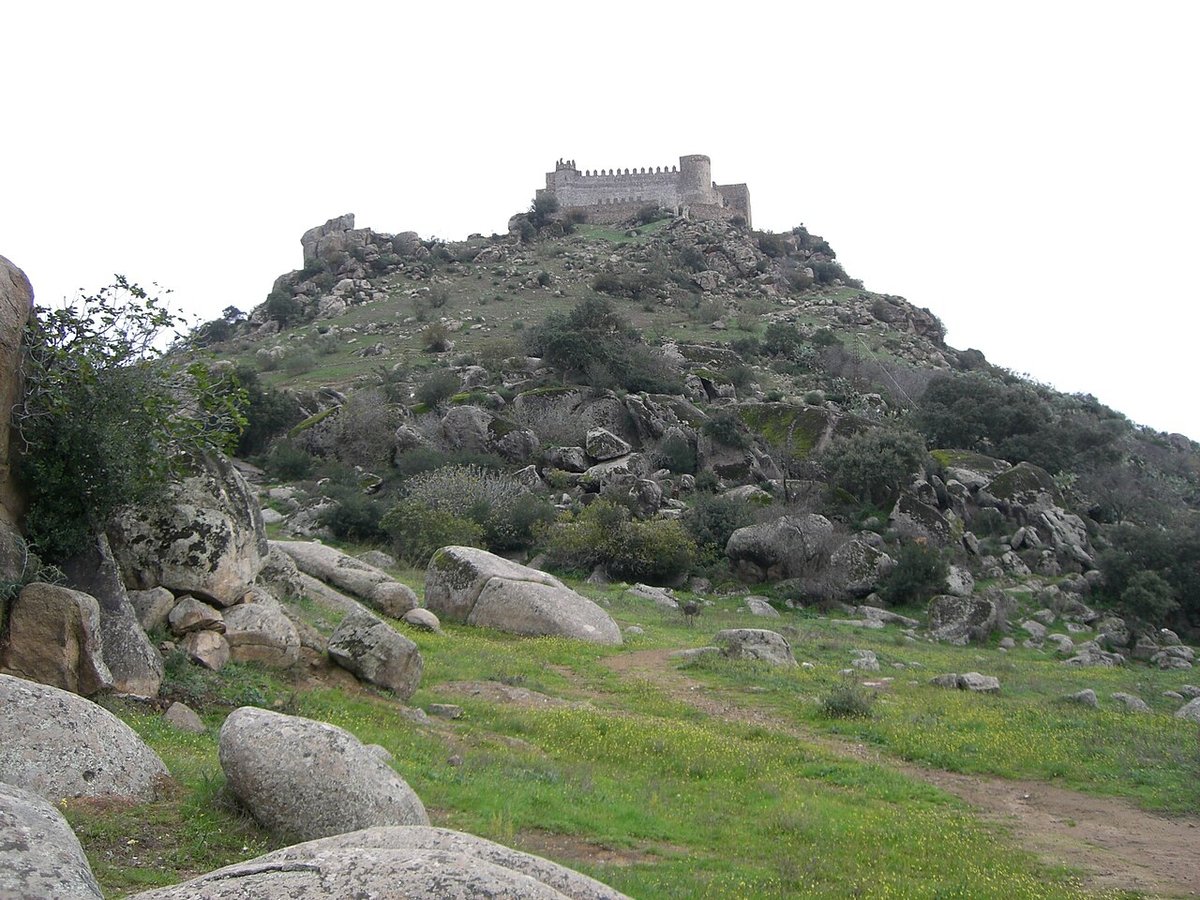
The village sits on a hill of granite and clay, materials that give its walls a rough, pale-grey texture. Everything is oriented toward the castle. Its keep is the first thing to catch the morning sun and the last to hold the evening light, a fixed point above the rooftops and the sea of holm oaks that surrounds it.
The climb to the castle
The path up starts behind the last house on the western edge. It’s a dry, stony track, more suited to boots than shoes. In summer, do this walk before nine or after six; there’s no shade on the slope, and the heat reflects off the stone.
From the top, the view explains everything. You see how abruptly the streets end and the dehesa begins—a landscape of open pasture and widely spaced trees that rolls out toward Zafra. The wind is usually present, a constant murmur that carries the tinny clank of sheep bells from a farm below. You don’t come here for a history lesson; you come to understand the geography. The castle feels less like a monument and more like a natural outcrop, a part of the hill itself.
The pull of gravity in the streets
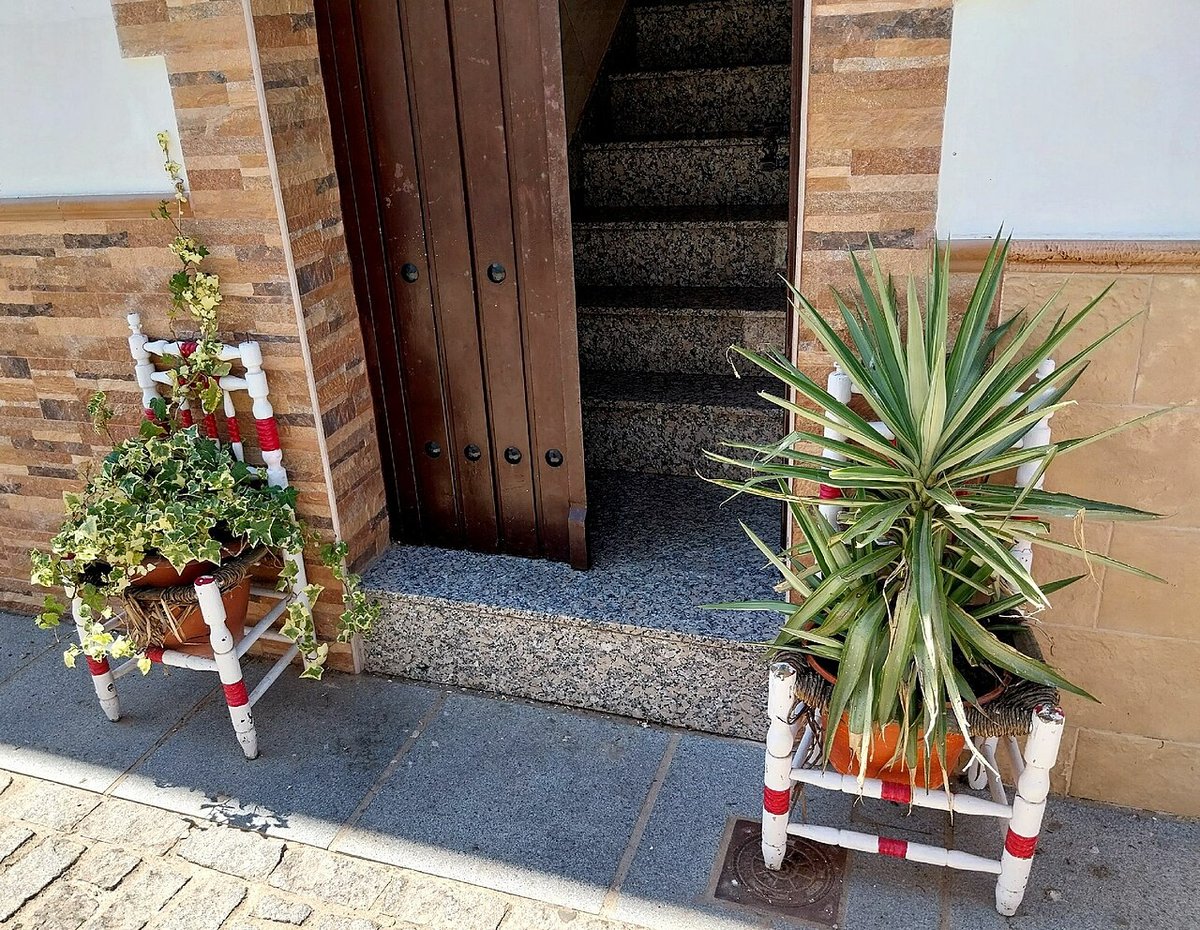
The village centre is a network of inclines. Streets like Calle Real don’t follow a grid; they follow the fall of the land. Walking them means noticing details at eye level: iron door-knockers polished by hands, patches of wall where the whitewash has eroded to reveal darker stone, the cool draft that sometimes escapes from a half-open courtyard door.
Life here is largely behind those doors. You catch fragments—the sizzle of garlic in olive oil, the murmur of a radio, the smell of laundry drying in a sunlit patio. There are few shops. The rhythm is set by domestic routines: a woman shaking a rug over a balcony railing at ten, an old man settling onto the same bench in the plaza at five.
San Bartolomé: stone and silence
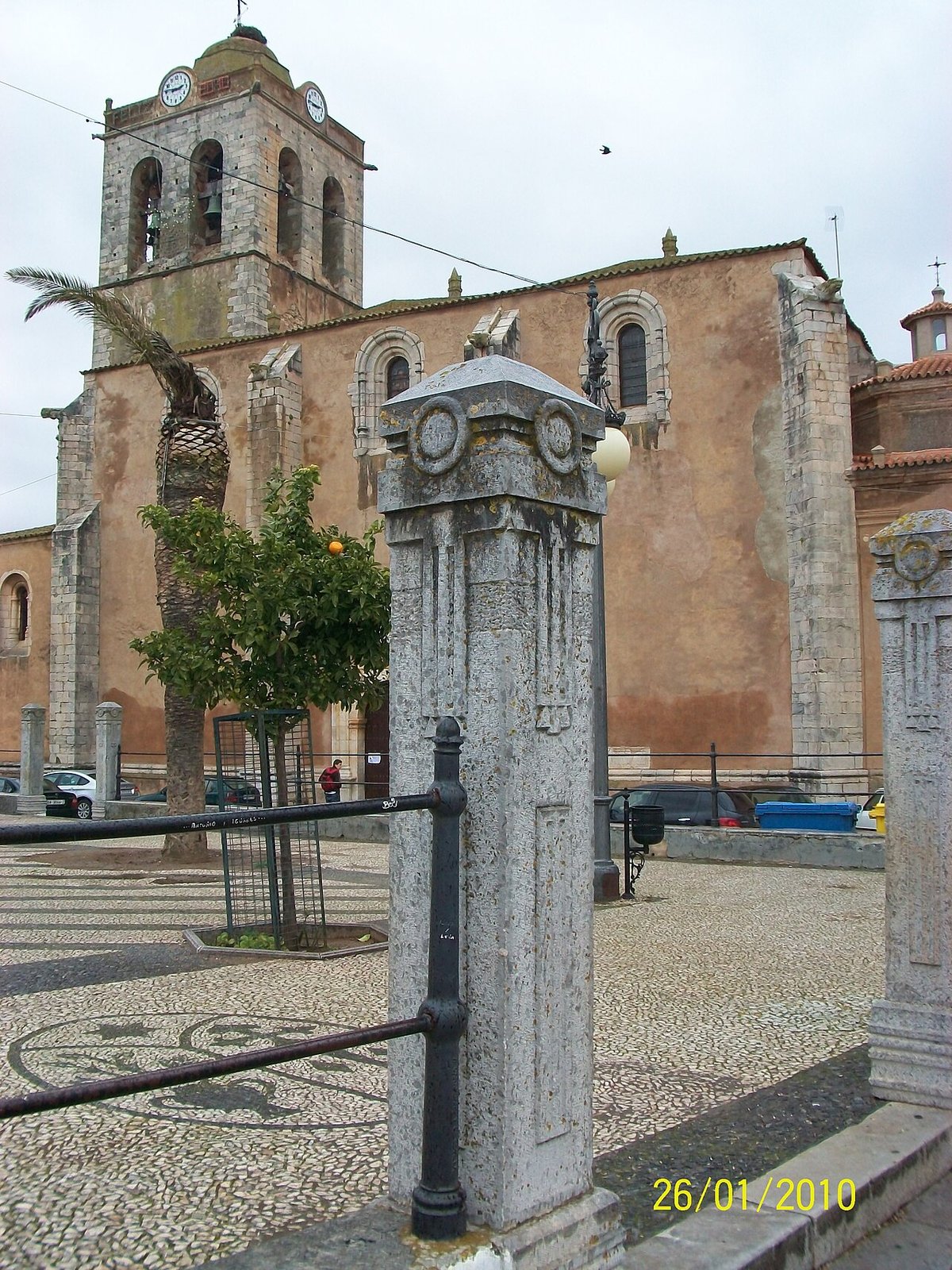
The church of San Bartolomé occupies the high ground. Its square tower is useful for orientation when you’ve wandered into a web of alleys. The building isn’t grand; it feels solid and accumulated, with masonry that shows different hands and eras.
Inside, it’s cool and dim. The air smells faintly of old incense and dust. Light filters onto altarpieces where the gilding has dulled to a honey colour over centuries. It’s a quiet space that hasn’t been overly restored. You get a sense of slow, continual use—of wax dripped on stone floors, of repairs made with what was available.
Where the pavement ends
Walk past the last house on any side of town and you’re in the dehesa within fifty paces. This isn’t wilderness; it’s working land. Dirt tracks, deeply rutted by tractor tires, lead between pastures where black Iberian pigs root under oak trees.
In April, the ground is green with grass and dotted with purple lavender. By July, it has baked to a pale gold, and the heat at midday is palpable and heavy. The only movement then might be vultures circling high overhead or a herd of cattle shifting slowly in search of shade beneath a cork oak.
Walking without a map
There are no waymarked hiking trails here, only those farm tracks. They are public rights of way and perfectly walkable. One leads south toward the stream of the Bodión; another winds north through oak groves.
Carry water. There are no services, and shade is sporadic. The reward is near-total silence, broken only by your own steps and the call of a distant cuckoo or hoopoe. These aren’t routes to a destination; they are an invitation to spend two hours moving slowly through a landscape that feels ancient and purposeful.
A note on timing
Late August brings the fiesta for San Bartolomé. The population swells, plastic chairs fill the plaza, and there’s music until late. It’s communal and loud.
If that’s not what you’re after, come in May or late September. The light is softer then, the temperatures are mild, and you can have those early morning streets largely to yourself. Feria makes no effort to entertain you. Its value lies in its stillness and its stark, material reality—stone, clay, oak trees, and sky.