Full Article
about Fuente del Maestre
Town with a historic center declared a Cultural Heritage site; noted for its Palacio del Gran Maestre and olive-growing tradition.
Ocultar artículo Leer artículo completo
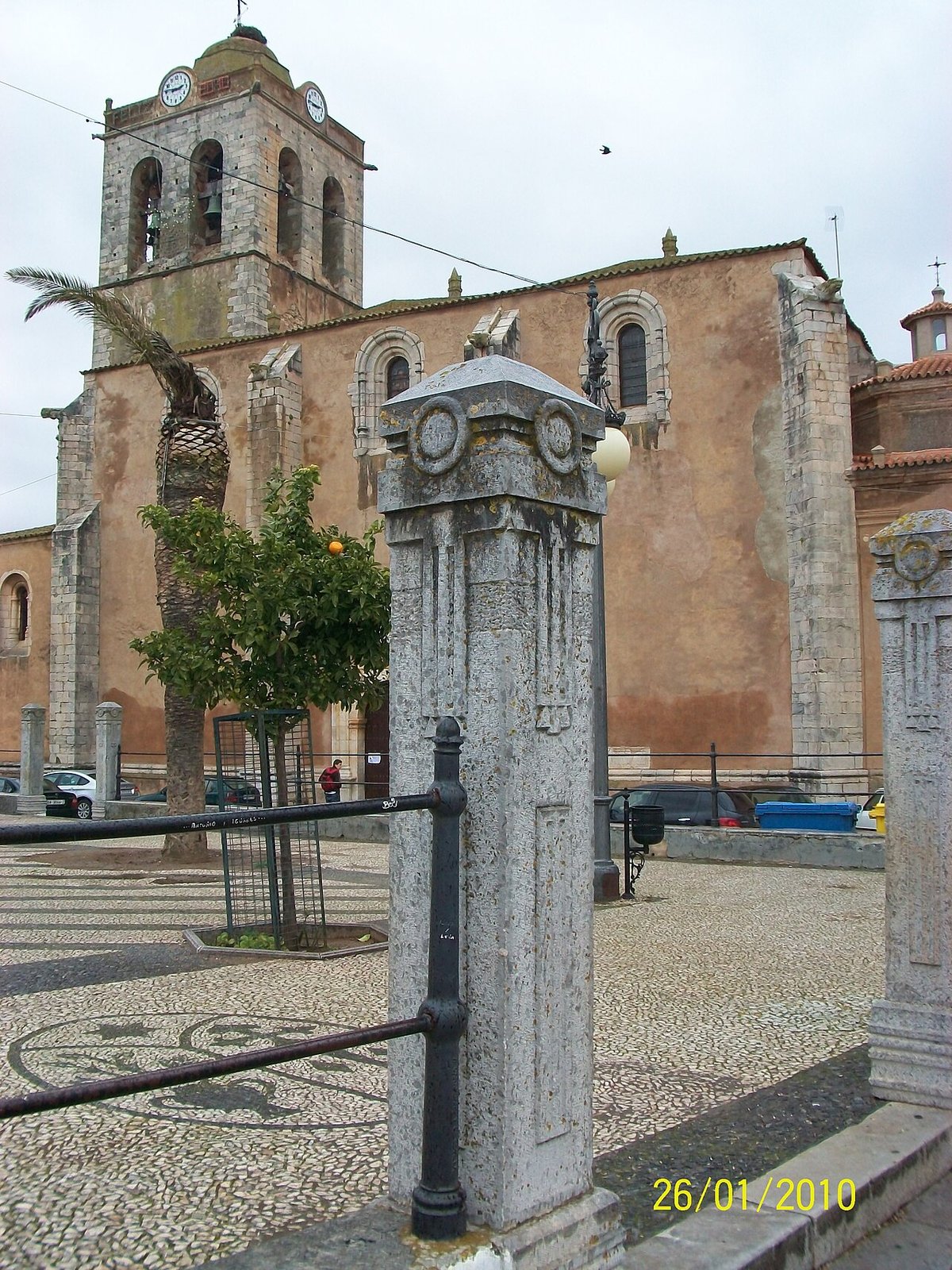
The church clock strikes seven and the square switches on its evening soundtrack: stool legs scraping across terracotta, a television through an open door, and somewhere behind the olive mill the metallic clink of a sheep bell heading home. Fuente del Maestre, population just under five thousand, has no grand monument that tour buses queue for, yet the English visitors who do find themselves here tend to linger longer than planned. One look at the Baroque altar inside the parish church explains why: gilded columns rise like flames, framing a 17th-century Virgin that locals insist has been keeping the wheat fields fertile since the day she arrived. It is the sort of interior that would be cordoned off and ticketed in a city; here you push open the heavy door, let your eyes adjust, and have the place to yourself.
A grid for wheat, wine and siestas
The village sits 442 metres above sea level on a gentle swell of Extremaduran farmland midway between Seville and Mérida. From the air the pattern is unmistakable: long straight streets radiating from a central square, each one originally laid wide enough for a cart of grain to turn without scraping the whitewash. That practical logic still governs daily life. Shops open at nine, shut at two, and reopen only when the heat has subsided. Bread arrives from the cooperative bakery at ten sharp; if you want a warm barra you had better be there before the last one is snapped up by the school caretaker.
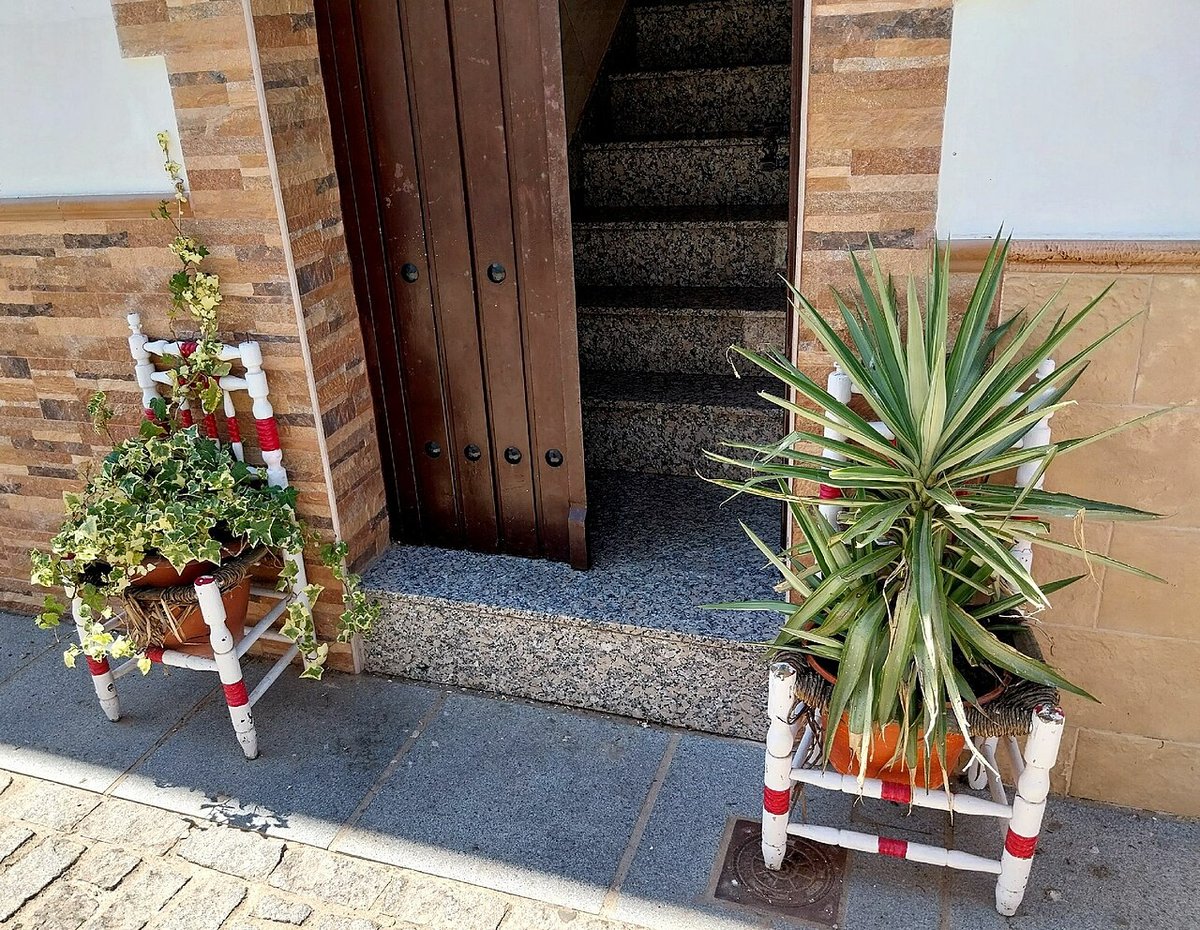
Walk the grid slowly and you will notice details the guidebooks miss: iron door-knockers shaped like bulls, a 1950s travel agent’s sign fading above what is now a tattoo parlour, and house after house painted the colour of fresh milk with corners rounded by centuries of replastering. Peek through an open portal and you may catch a glimpse of an interior patio where a lemon tree grows out of a cracked earthen jar. These courtyards were built for circulation, not photographs; they pull in cool air at dawn and push out heat after dark, which is why residents still sit inside them at midnight rather than pay for air-conditioning.
Eating what the fields decide
British palates tend to relax the moment they discover migas extremeñas. The dish sounds fierce – fried breadcrumbs with garlic and bacon – yet the result is closer to a comforting stuffing, ideal for sharing at eleven in the morning with a small beer. Lamb stew appears in winter, chickpeas and spinach in spring, and throughout the year plates of soft sheep’s cheese that taste faintly of the holm-oak acorns the animals graze on. Prices are stubbornly local: a tapa rarely tops €2.50, and the house wine, drawn from a steel barrel behind the bar, costs less than the bottled water.
Vegetarians do better than they might fear. The surrounding huertas supply the village with tomatoes that actually smell of tomato, and aubergines the size of cricket balls turn up in simple gratins. Pestiños, honey-glazed fritters served at Easter, have converted more than one hesitant foreigner to the Spanish sweet-tooth tradition. If you arrive in September you will see the same honey sold in reused cola bottles on folding tables outside the cooperative, the beeswax still stuck to the lid.
Walking out until the tarmac ends
The countryside starts the moment the last streetlight ends. Follow the signed footpath south-west and within twenty minutes the wheat stubble gives way to dehesa: open oak pasture where black Iberian pigs snuffle for acorns alongside grey cattle with lyre-shaped horns. This is working land, not a nature reserve, so keep dogs on leads and close gates that look recently mended. The reward is silence broken only by hoopoes and the occasional tractor whose driver will raise two fingers from the steering wheel in lazy greeting.
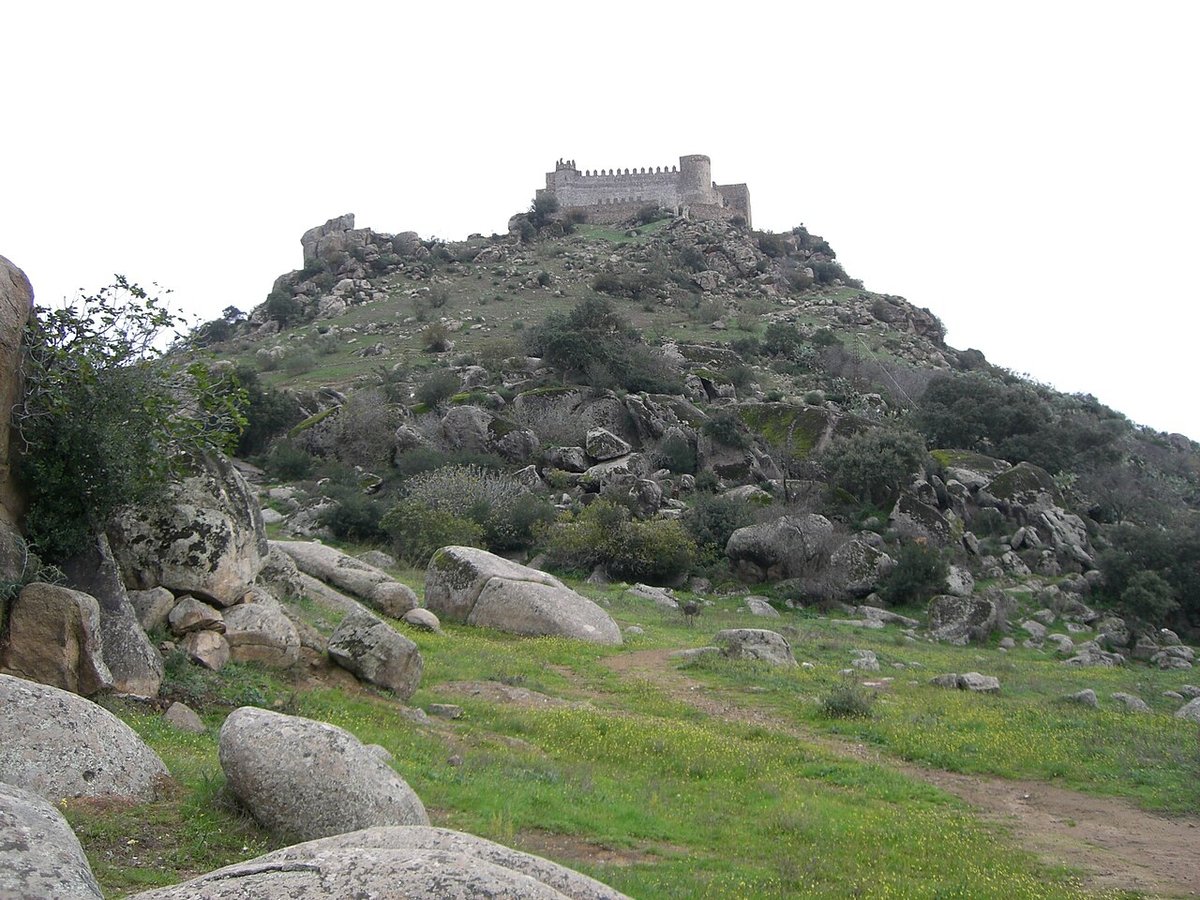
Early risers can complete the circular route to the ruined watchtower of El Castillejo before breakfast; the path is only 6 km but gains enough height to show the village square as a pale rectangle amid a patchwork of olives and vines. Sunset walkers should head instead towards the abandoned flour mills on the Arroyo Bodón. The water no longer turns the stones, yet the brick chimneys stand intact, swallows darting in and out of broken windows. Take a torch: the interior is unfenced and the stair treads have a habit of disappearing.
When the calendar takes over
August brings the fiesta mayor, nine days when every household sets out plastic chairs on the pavement and the municipal band plays pasodobles until the valves glow. Even if brass bands are not your thing, the evening procession is worth threading through the crowd for: the Virgin of Consolación is carried round the square on an 18th-century silver throne, her bearers sweating beneath velvet robes while fireworks crack above the church roof. Accommodation within the village is booked months ahead; stay instead in nearby Zafra (20 km) and drive in after siesta when parking loosens up.
Easter week is quieter but equally serious. Hooded cofradías march to a slow drumbeat, streetlights dimmed so only candles illuminate the carved cheeks of Christ. Visitors are welcome as long as they dress modestly and refrain from photography during the processions. If you need the loo, slip into the church cloister where the sacristan sets out portable toilets and a donation box for the local hospice.
Arriving, sleeping and getting away
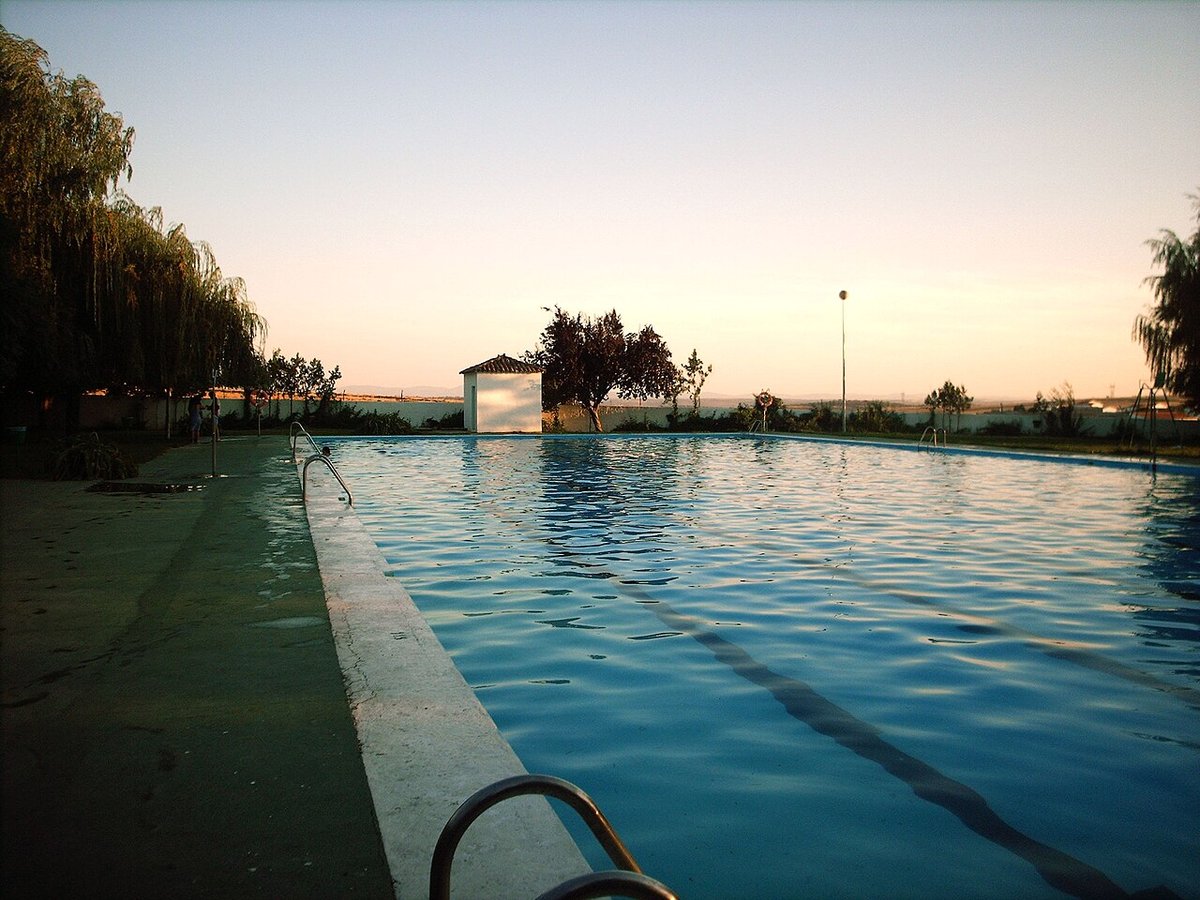
The village sits halfway along the A-66 motorway, making it an obvious coffee stop between Seville and Mérida. Without a car, however, it is tricky: trains do not come here, and the weekday bus from Zafra arrives at an hour only farmers appreciate. Rent a vehicle at Seville airport and you can be checking into a casa rural on Plaza de España within ninety minutes. Los Naranjos, a three-bedroom townhouse with tiny balconies overlooking the fountain, is often praised by British guests for its proper coffee machine and thick walls that swallow summer heat. If you prefer a pool, base yourself at Hotel Huerta Honda in Zafra and make day trips.
One final note on timing. July and August thermometers flirt with 40 °C; sightseeing is best finished by eleven, after which the sensible join the locals for a siesta behind closed shutters. April, May and late September give you warm afternoons, cool nights and skies so clear you can see the outline of the Sierra Morena from the church tower. Come then, linger for two nights, and you will understand why people who were “just passing through” find themselves rearranging itineraries to stay for the weekly market on Thursday morning – if only to buy another bottle of that honey.