Full Article
about La Morera
Small white village on a mountainside, known for its quiet and natural setting.
Hide article Read full article
The olive called La Tapada
By ten in the morning, when the sun is already pressing down on this part of the Zafra‑Río Bodión district, the olive tree known as La Tapada casts a rounded patch of shade across the pale ground. In the centre it feels slightly cooler, as if the tree keeps its own pocket of air. The branches twist in improbable directions and several trunks, more than one as thick as a waist, rise from the same point in the soil. It is easy to start counting them and lose track before reaching the end.
A small sign nearby describes it as a thousand‑year‑old olive tree. No one in the village seems especially interested in arguing about that, though neither will anyone commit to an exact date. What people do say is that the tree still produces olives in some winters. When the harvest is good, the oil is shared among neighbours or with anyone who happens to pass by carrying an empty container and enough patience to listen to a story or two.
The quiet of 698 people
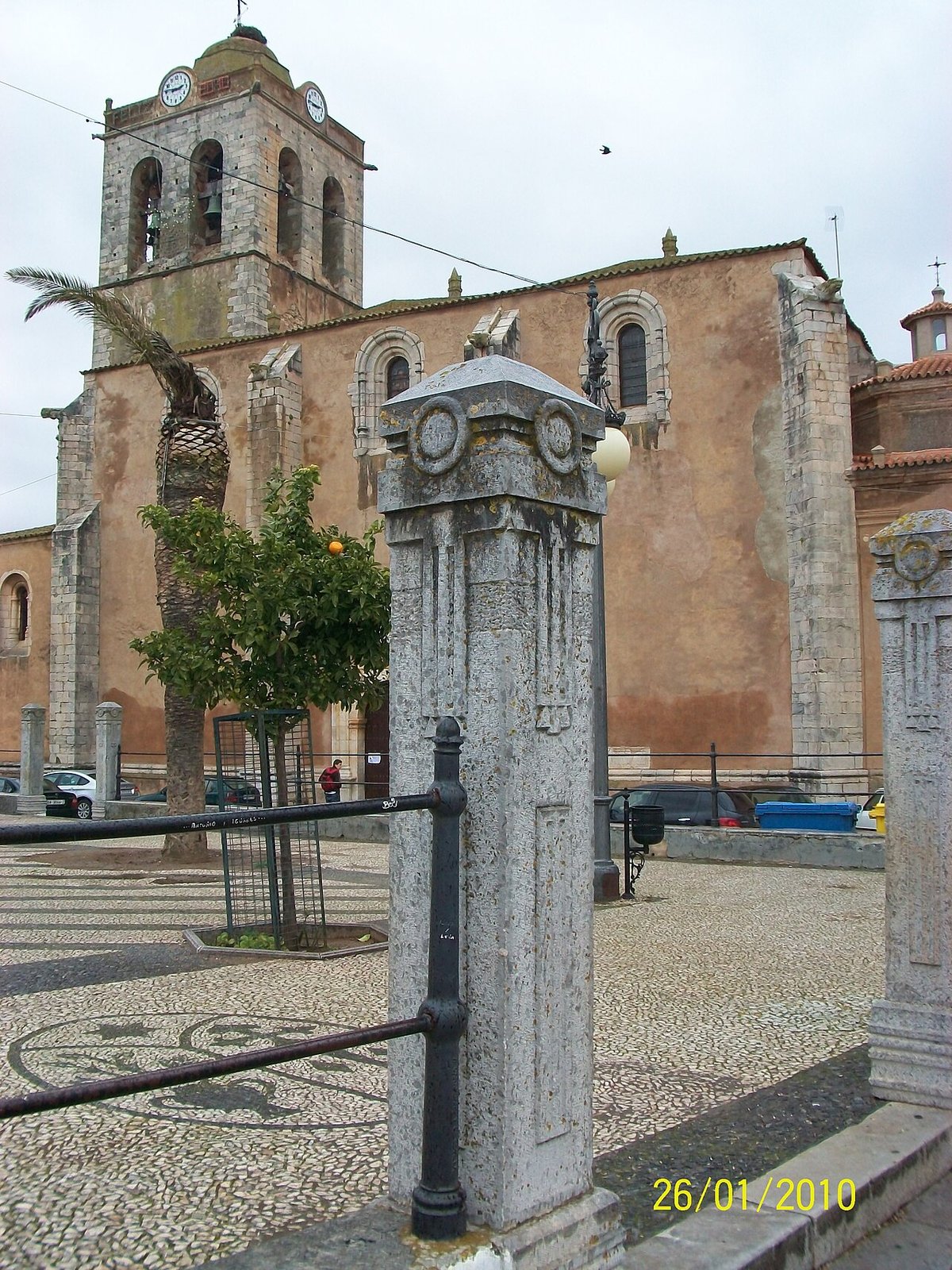
La Morera appears almost without warning. A modest turning off the EX‑104 leads, within minutes, to Calle Real, where the square tower of the church of San Lorenzo rises into view, outlined against a sky that in spring is usually clear and intensely blue.
According to the local register, 698 people live here. By mid‑afternoon it feels like fewer. Chairs are set out in doorways or pulled close to façades in search of shade. The murmur drifting out from inside the bars is subdued, as if conversation prefers to remain indoors.
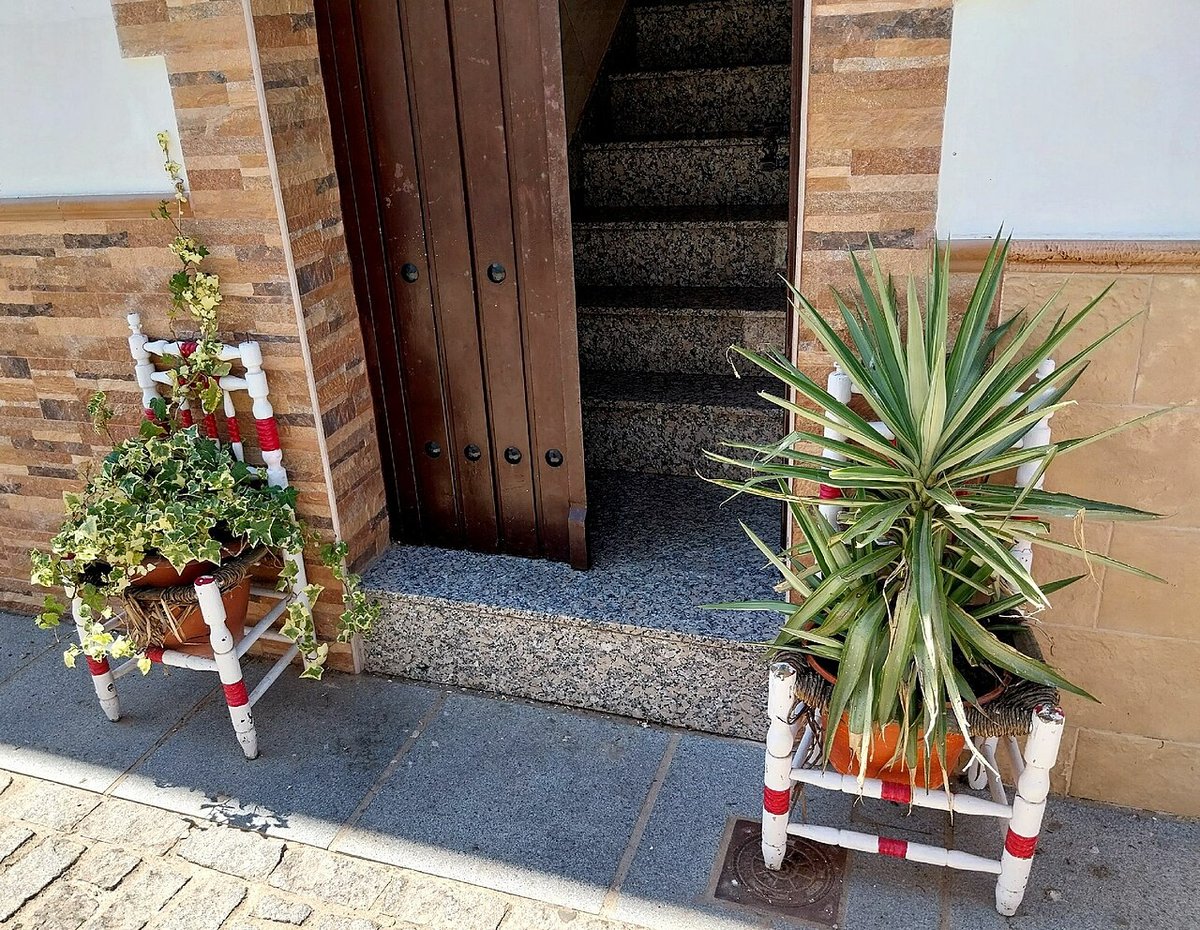
Walking through La Morera is a lesson in distinguishing silence from stillness. The houses are low, many whitewashed up to halfway. Some doors are left slightly ajar. A rooster calls, then a car passes slowly, then the rooster again. The rhythm is unhurried, almost circular.
The main square, wider than it is long, holds a small bandstand that has not been used for years. Cats have claimed it as a resting place in the shade. At that hour, roof tiles and guttering catch the light with a dry glare that makes you narrow your eyes.
Traces of the Order of Santiago
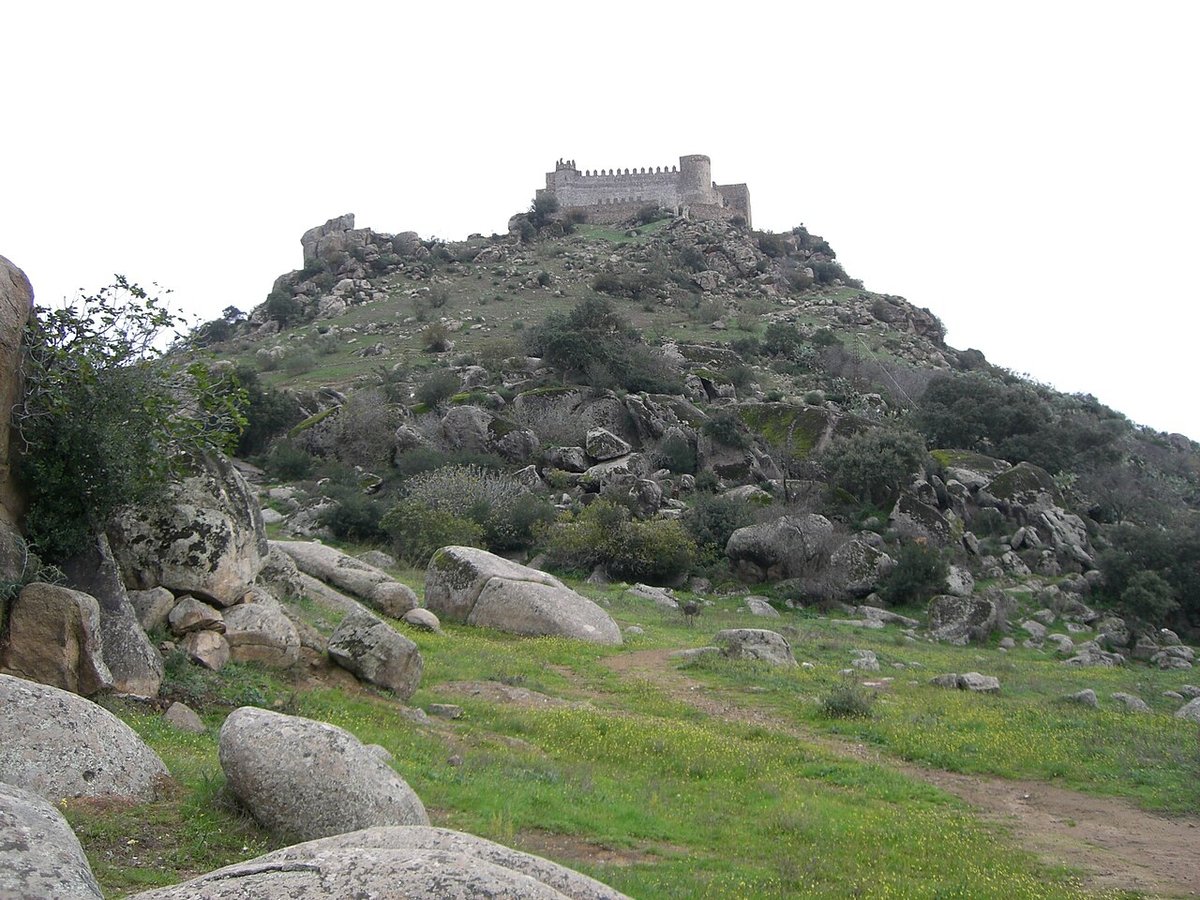
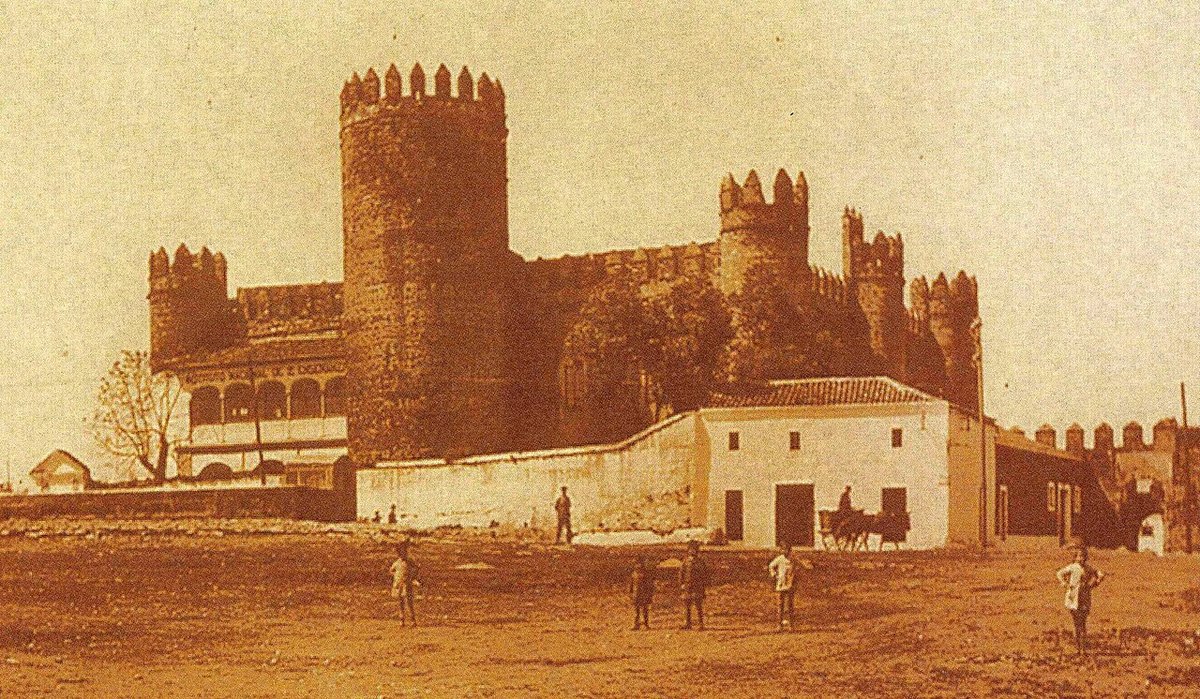
From the square, a short climb leads up to the hill where the castle once stood. Today there are only fragments of walls and scattered stones, with little in the way of signs, but the view makes the effort worthwhile. From the top, the dehesa opens out in gentle undulations, dotted with dark holm oaks across lighter fields. The dehesa is a characteristic landscape of south‑west Spain, a mix of pasture and woodland shaped over centuries.
This area belonged to the Order of Santiago in the late Middle Ages, as did much of southern Badajoz. Some residents still point out where the old town wall once ran. There are those who remember seeing its stones reused in animal enclosures or along paths.
The church of San Lorenzo preserves elements that appear old, including a pointed arch at one of its entrances. Inside, there is a scent of wax and aged wood. The ceiling beams are darkened by decades of smoke. It is not always open; when it is, it is usually because someone from the village has the key and has come by to check on things.
When to come and what to expect
Spring is often the most rewarding time to visit. Between March and May, the dehesa turns a vivid green, and the surrounding dirt tracks, provided there has not been too much rain, can be followed without difficulty either on foot or with a high‑clearance vehicle.
In summer, the heat arrives without much relief and shade is scarce outside the built‑up area. Early starts are advisable for anyone planning to walk in the countryside. Winter brings a calm atmosphere, with afternoons when the village seems almost paused.
If you head out on foot around the surrounding land, it is wise to wear closed shoes. Among the stones and dry grass there is plenty of small wildlife, especially when the heat intensifies.
Returning to the olive at dusk
Towards evening, the light over the dehesa shifts quickly. The sun drops to the west and the holm oaks begin to stretch their shadows across the ground. Beneath La Tapada, the air grows still, carrying the scent of thyme and warm dust.
A bird might settle among the branches, repeating its call with near mechanical regularity. As the sky begins to dim, the olive tree becomes a dark outline against the last orange glow on the horizon.
That may be why La Morera resists a detailed, checklist‑style guide. It is not a place of long itineraries or clearly marked routes. It makes more sense to arrive without hurry, sit for a while in the shade, and let the village reveal itself gradually, in its own time.