Full Article
about La Parra
White village with charm and a noble past; noted for its convent of Poor Clares and setting of gentle hills.
Ocultar artículo Leer artículo completo
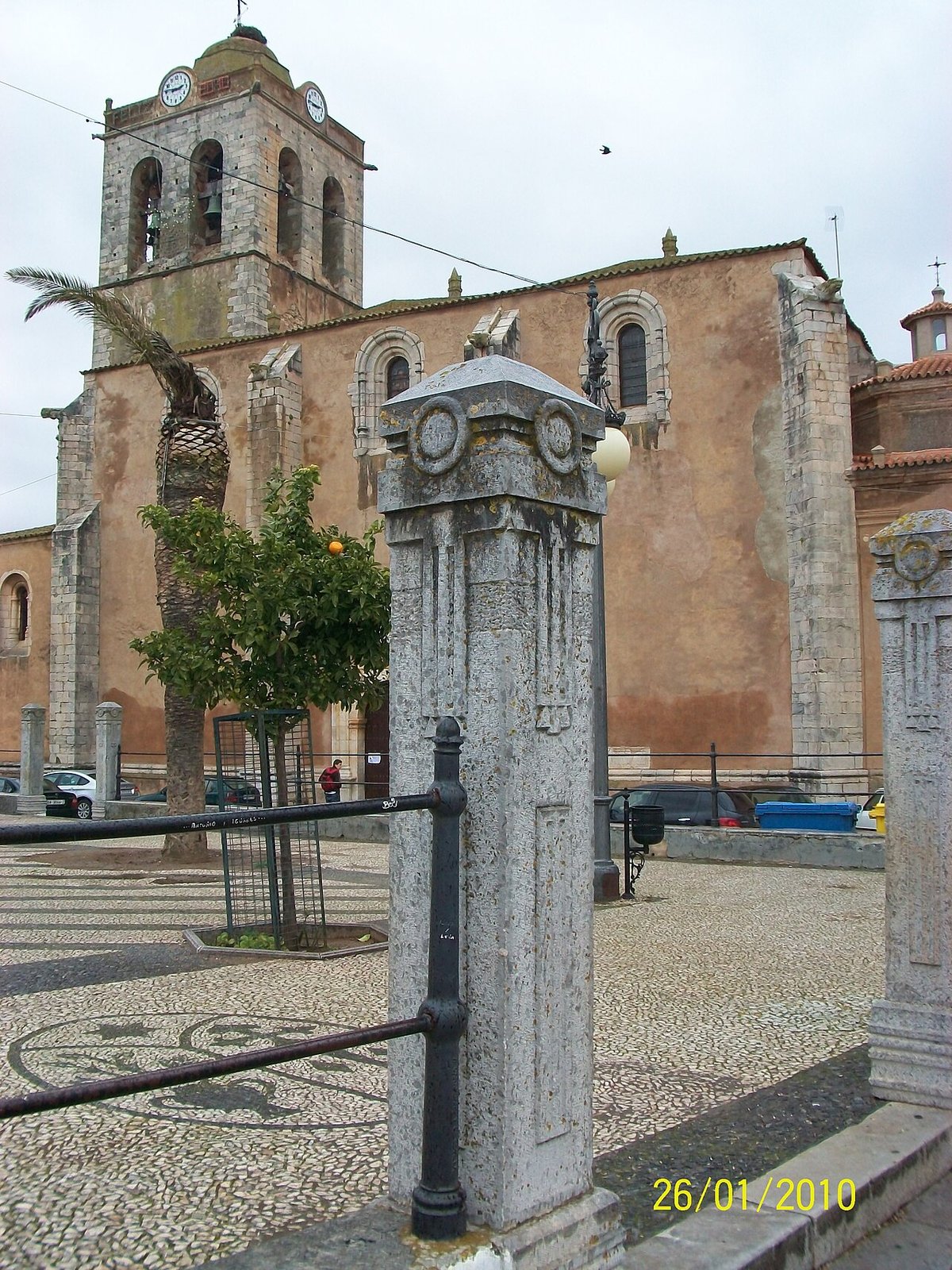
The church bell tower appears first, rising above holm oaks like a weathered finger pointing skyward. From the A-66 motorway, it's the only indication that La Parra exists at all—no motorway signs announce it, no tourist coaches turn off here. Yet this whitewashed village of 1,302 souls, perched 525 metres above the rolling Badajoz countryside, offers something increasingly rare in modern Spain: a place where the harvest calendar still dictates the day's tempo.
The Architecture of Daily Life
La Parra's streets won't feature in architectural digests. The parish church, dedicated to Saint Peter, bears the scars of centuries—Gothic foundations swallowed by Baroque additions, its limestone walls patched and repatched like a favourite coat. What makes it remarkable is its complete integration with village life. Grandmothers pause beside its south wall to exchange gossip, farmers lean their bicycles against the sacristy door, and during August fiestas, the plaza becomes an open-air ballroom where generations dance until dawn.
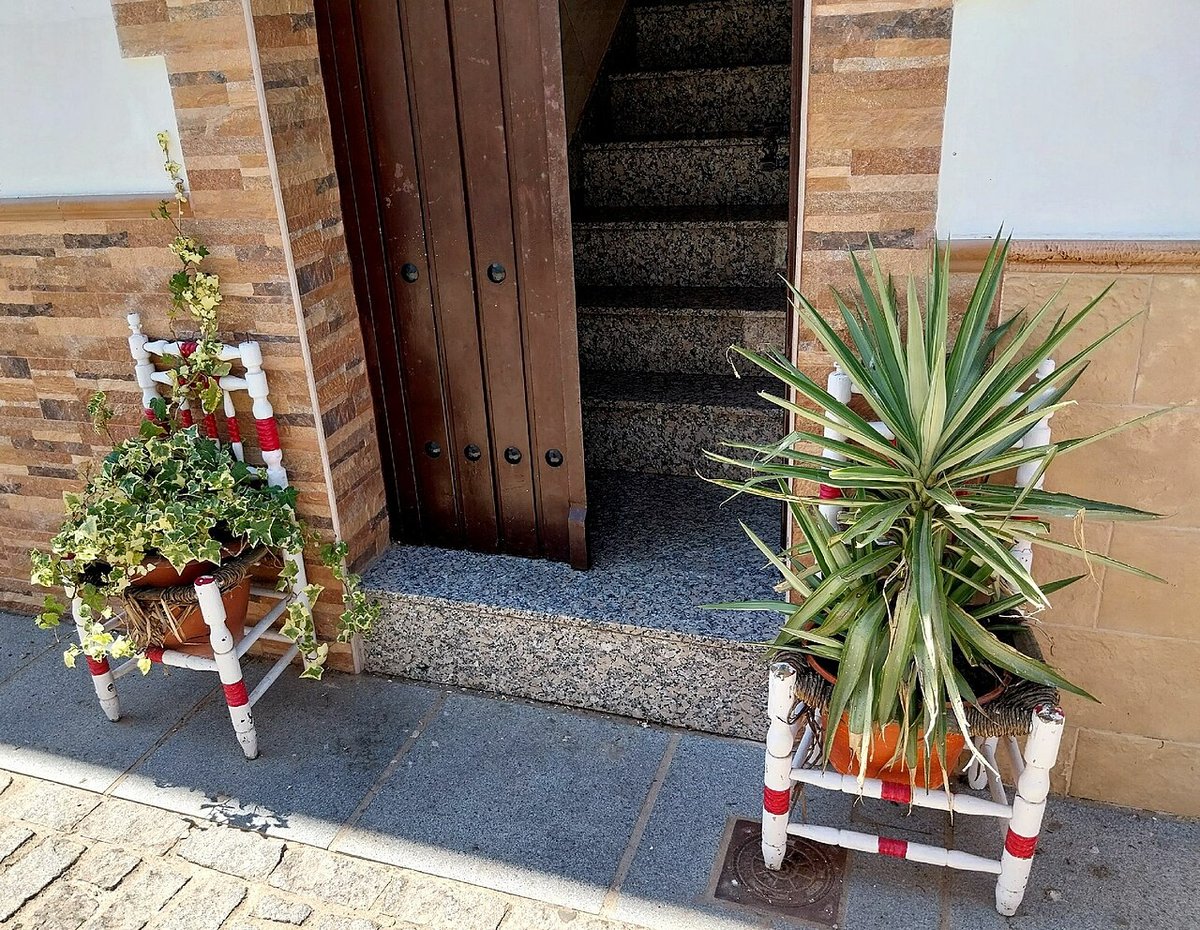
The historic centre reveals itself slowly. Cobbled lanes barely wide enough for a tractor narrow further between houses whose whitewash glows amber in late afternoon light. Iron balconies support geraniums in terracotta pots; stone doorframes bear masons' marks from 1837. Look closely at the corner of Calle Real and Calle Ancha—an ancient drinking trough still serves passing livestock, its limestone lip polished smooth by centuries of muzzles.
These aren't museum pieces. Washing flaps from upstairs windows, radio voices drift across interior patios, and the smell of slow-cooked chickpeas signals lunch approaching. It's this immediacy—life continuing rather than being preserved—that distinguishes La Parra from heritage villages where authenticity feels curated.
Working Landscapes
Beyond the last houses, dehesa proper begins. This uniquely Iberian landscape of scattered oaks and cork trees represents millennia of human negotiation with semi-arid conditions. Each tree stands exactly where a farmer generations ago decided it should remain—too valuable for firewood, too essential for shade and acorns. The result creates filtered light reminiscent of English parkland, though here the grass feeds fighting bulls and Iberian pigs whose acorn-rich diet produces £200-a-kilo jamón.
Walking tracks radiate from the village like spokes, following ancient rights of way between estates. The simplest circuit to Las Cancillas takes ninety minutes, crossing olive groves where trees older than most countries twist from red earth. Spring brings carpets of wildflowers—purple phlomis, yellow crown daisies, delicate pink cistus—while autumn sees mushrooms pushing through leaf litter beneath the oaks.
Birdlife thrives in this mosaic. Booted eagles circle overhead, azure-winged magpies flash between cork oaks, and stone curlews call eerily after dusk. Bring binoculars during migration periods—La Parra sits beneath the Guadalquivir valley flyway, meaning European honey buzzards and black kites stream overhead in their thousands during March and September.
The Taste of Extremadura
Food here refuses innovation. In Bar Nuevo on Plaza de España, Ángel has served the same three dishes for eighteen years—extremeño gazpacho (a thick vegetable stew, not the Andalusian soup), migas (fried breadcrumbs with pork belly), and revueltos (scrambled eggs with wild asparagus when in season). The menu changes only when ingredients disappear; during quail season in October, suddenly everyone serves chiquilin en escabeche.
Local specialities depend entirely on what's being harvested. February means calçots—giant spring onions grilled over vine cuttings, served with romesco sauce that stains fingers orange. May brings fresh goat's cheese from the cooperative in neighbouring Los Santos, still warm from morning milking. And during the montanera, November through February, whole pigs appear in garages across the village—families gathering to transform them into chorizo, salchichón and the air-cured jamón that hangs in every pantry.
The wine list rarely extends beyond Ribera del Guadiana denominación—try the full-bodied Tempranillos from nearby Bodegas Romale, where the García family have vinified since 1895. A bottle costs €8 in the village shop, though locals buy it by the five-litre garrafa for €12, decanted directly from stainless steel tanks.
When the Village Awakens
La Parra sleeps through much of the year. Weekday afternoons see shutters drawn against fierce summer heat; winter mornings bring such thick fogs that the church tower becomes a ghost ship above a white sea. But late August transforms everything. Fiesta patronales brings descendants back from Madrid and Barcelona, swelling numbers to perhaps 3,000. Suddenly every balcony erupts with flags, the plaza hosts nightly concerts, and elderly women who haven't danced in twelve months grasp grandchildren's hands during the pasodoble.
Semana Santa offers different rhythms. Thursday night's silent procession—Christ's heavy cross borne by eight men through streets lit only by candles—creates moments of collective held breath. Even non-believers find themselves whispering as the drums' funeral beat echoes off whitewashed walls.
October's olive oil celebrations remain resolutely local. No tour buses, no multilingual signage—just the cooperative opening its doors so farmers can taste the year's first pressing. Someone brings a guitar, another produces plastic cups, and suddenly you're discussing acidity levels with men whose families have tended the same groves since Moorish times.
Getting Practical
Reaching La Parra requires commitment. The nearest railway station sits fifteen kilometres away in Zafra, served by three daily trains from Seville (journey time 1 hour 20 minutes). From Zafra, Monday-to-Friday buses depart at 7:15am and 2pm, returning at 1:30pm and 6pm—schedules that assume you're visiting family rather than sightseeing. Hiring a car remains essential for exploring dehesa tracks; Badajoz airport offers the closest rentals, though Seville provides better flight options from the UK.
Accommodation options remain limited. Casa La Menara offers three simply-furnished rooms above the village's only proper restaurant, with rates around €45 including breakfast featuring local honey and freshly-baked bollo bread. Alternatively, ask at the ayuntamiento—several families rent spare rooms to visitors during fiesta periods for €25-30 nightly, though Spanish language helps enormously.
Visit during late March for wildflowers and migrating birds, or mid-October for olive harvest and comfortable walking temperatures. Summer brings fierce heat—temperatures regularly exceed 40°C during July and August, making midday exploration unpleasant. Winter days often dawn foggy but clear to brilliant sunshine; nights drop close to freezing, so pack layers.
La Parra offers no epiphanies, no Instagram moments. Instead, it provides something increasingly precious—the chance to witness Spanish rural life continuing exactly as it has for centuries, where the day's success depends not on TripAdvisor ratings but on whether the olives are ready for picking and if rain might finally break the summer drought. Come prepared to slow down, to accept that nothing happens quickly here, and to discover that sometimes the most revealing journeys involve travelling not just through landscapes but through entirely different concepts of time itself.