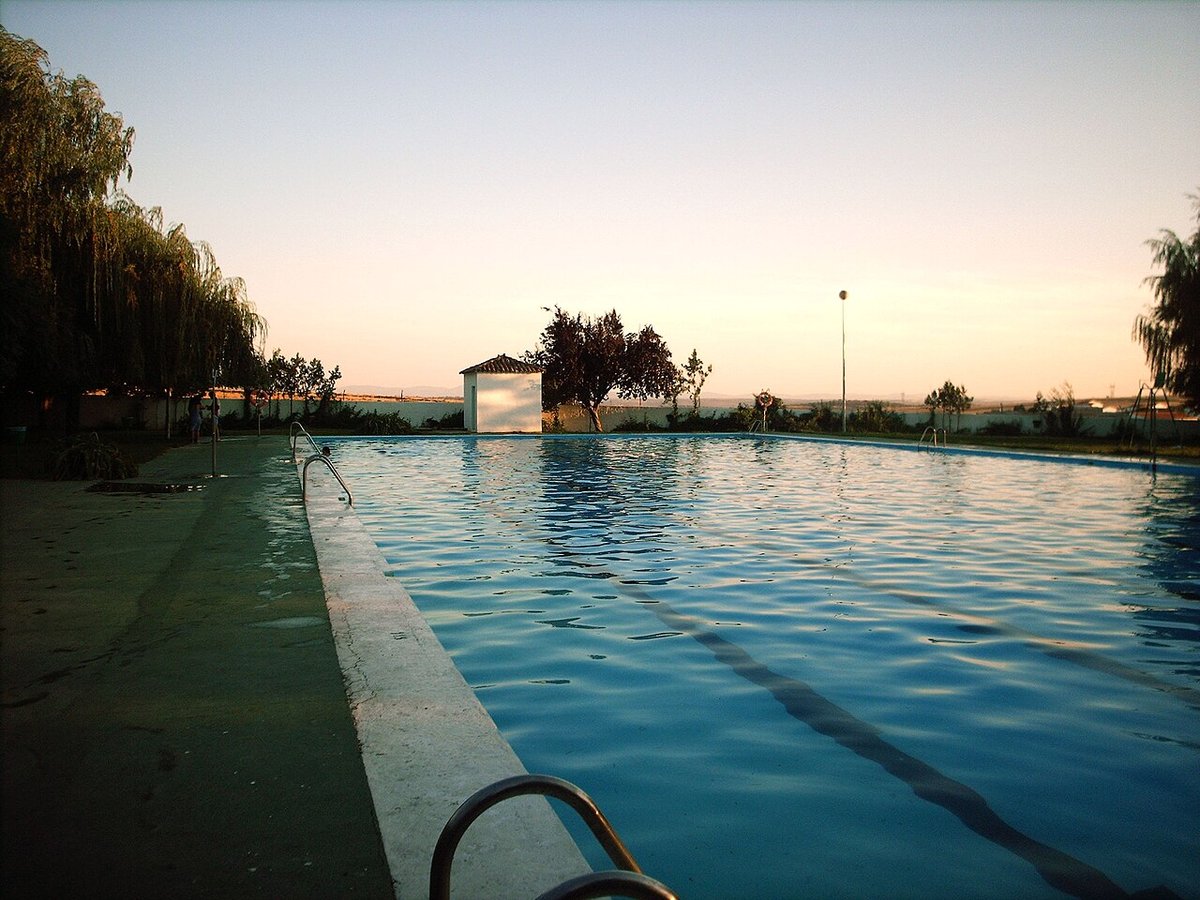
Piscina medina de las torres.JPG
Extremadura · Meadows & Conquerors

Medina de las Torres

The church bell strikes two, and Medina de las Torres simply stops. A woman pulls a wooden shutter across her doorway; the bar owner flips the *cer...

1,160 inhabitants · INE 2025
529m Altitude

Why Visit

Castle (Keep) Visit the Roman site

Best Time to Visit

spring

Christ of Humilladero Festival (September) septiembre

Things to See & Do
in Medina de las Torres

Heritage

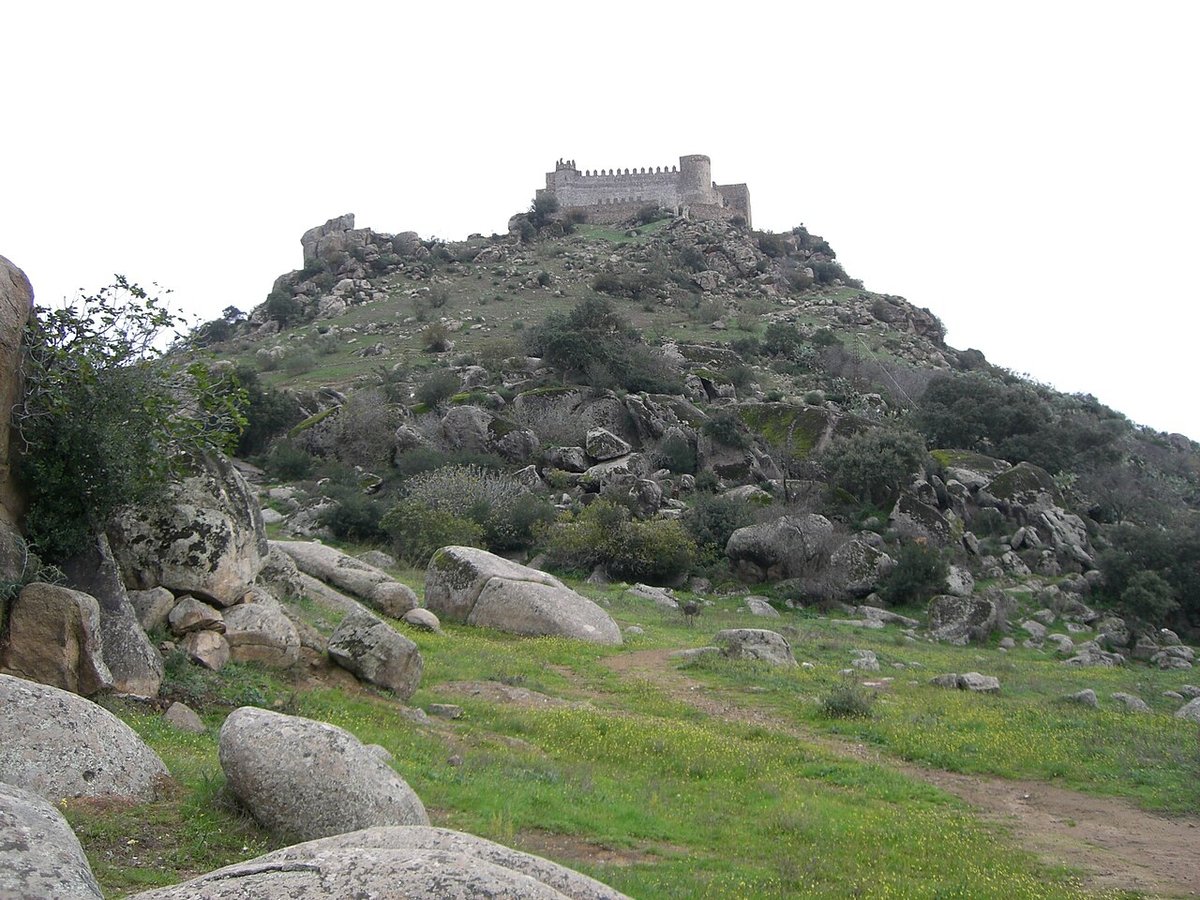
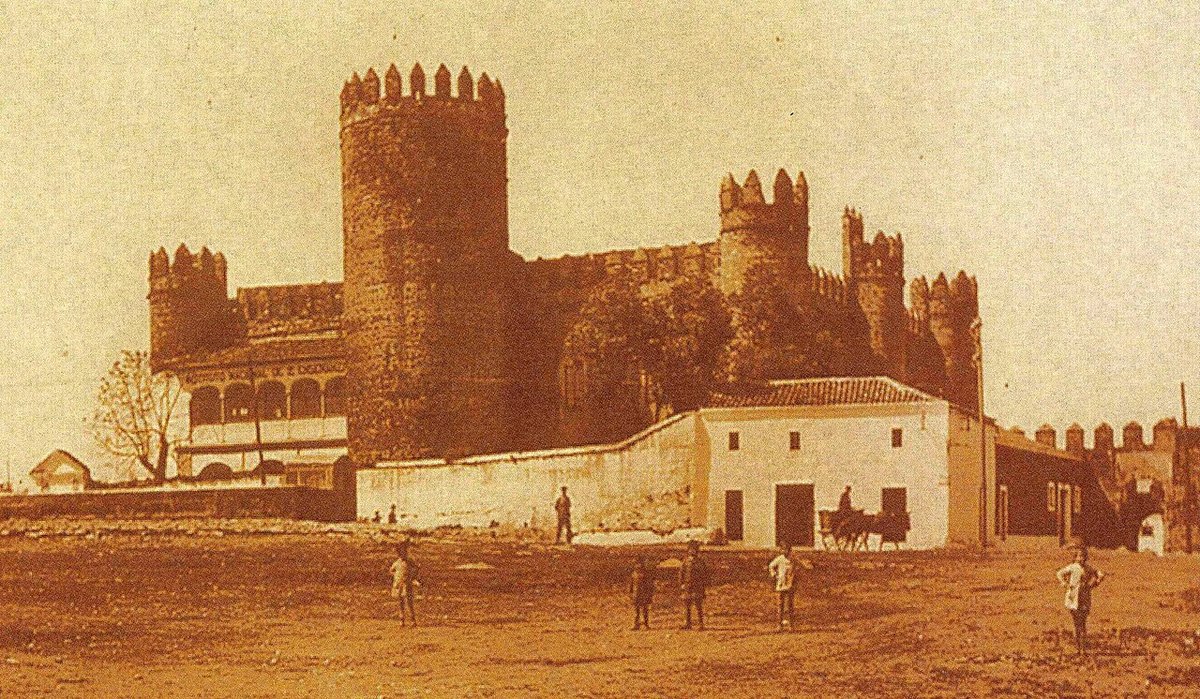
  • Castle (Keep)
  • Contributa Iulia archaeological site
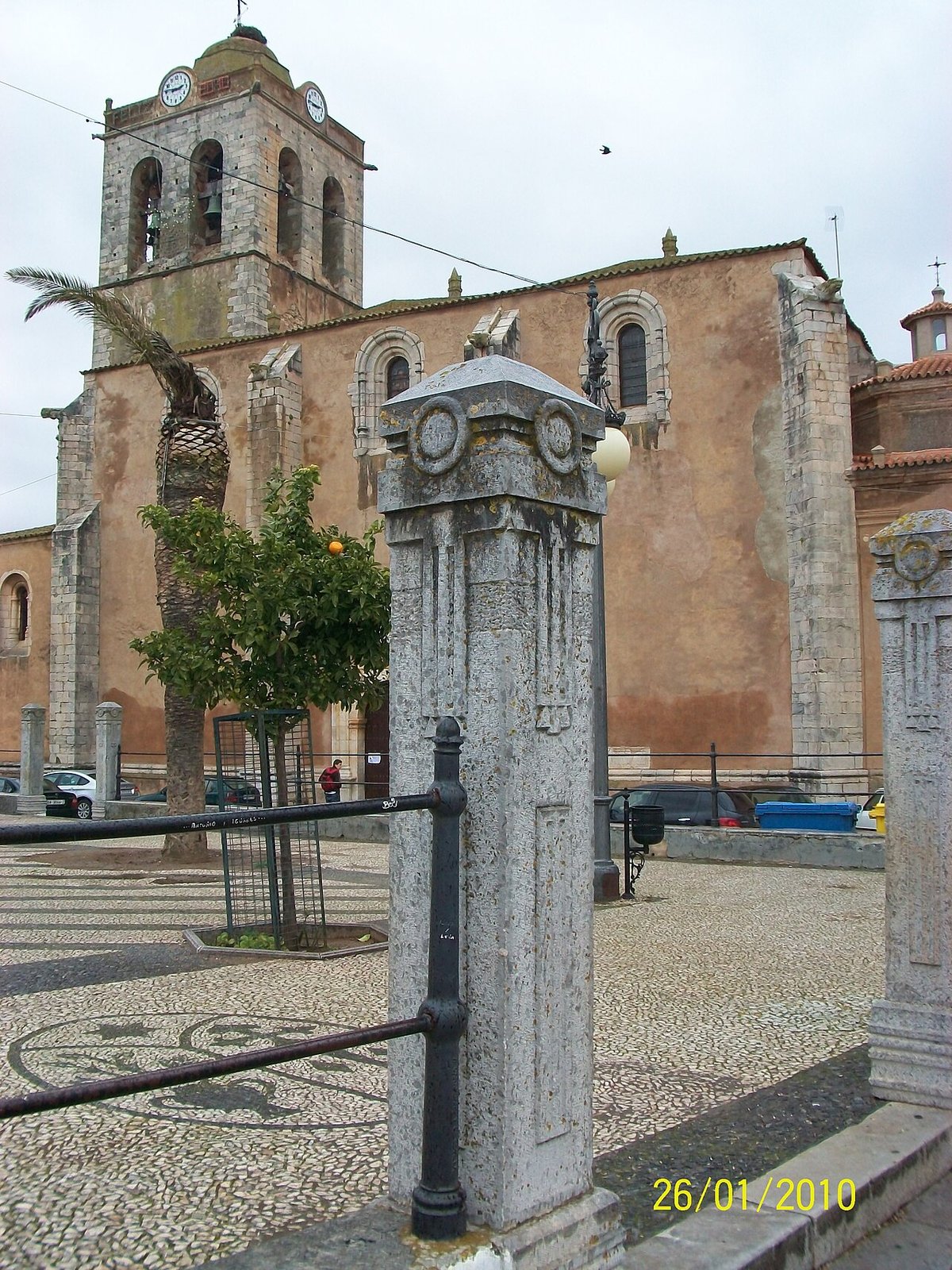
  • Church of the Assumption

Activities

  • Visit the Roman site
  • Hiking trails
  • Cultural tourism

Festivals
& & Traditions

Fecha septiembre

Fiestas del Cristo del Humilladero (septiembre)

Las fiestas locales son el momento perfecto para vivir la autenticidad de Medina de las Torres.

Full Article
about Medina de las Torres

Town with a rich historical past (Contributa Iulia); noted for its keep and religious heritage.

Ocultar artículo Leer artículo completo

The church bell strikes two, and Medina de las Torres simply stops. A woman pulls a wooden shutter across her doorway; the bar owner flips the cerrado sign; even the dogs abandon the dusty main street for shade beneath the stone fountain. At 529 metres above sea-level, time here is measured less by clocks than by heat: once the sun climbs above the white-washed cornices, the village slips into siesta and nothing—absolutely nothing—moves again until after five.

That suspension of time is what surprises most visitors who divert nine kilometres south of the A-66 motorway. They arrive expecting a five-minute photo stop, a quick stamp on the Camino passport, perhaps a glimpse of the ruined castle that crowns the northern hill. Instead they find a place that still functions on medieval rhythms: bread baked once a day, cattle driven down the lanes at dawn, conversations carried on from one threshold to the next rather than by mobile signal. (There is 4G, but the nearest antenna looks sheepishly in the direction of Zafra.)

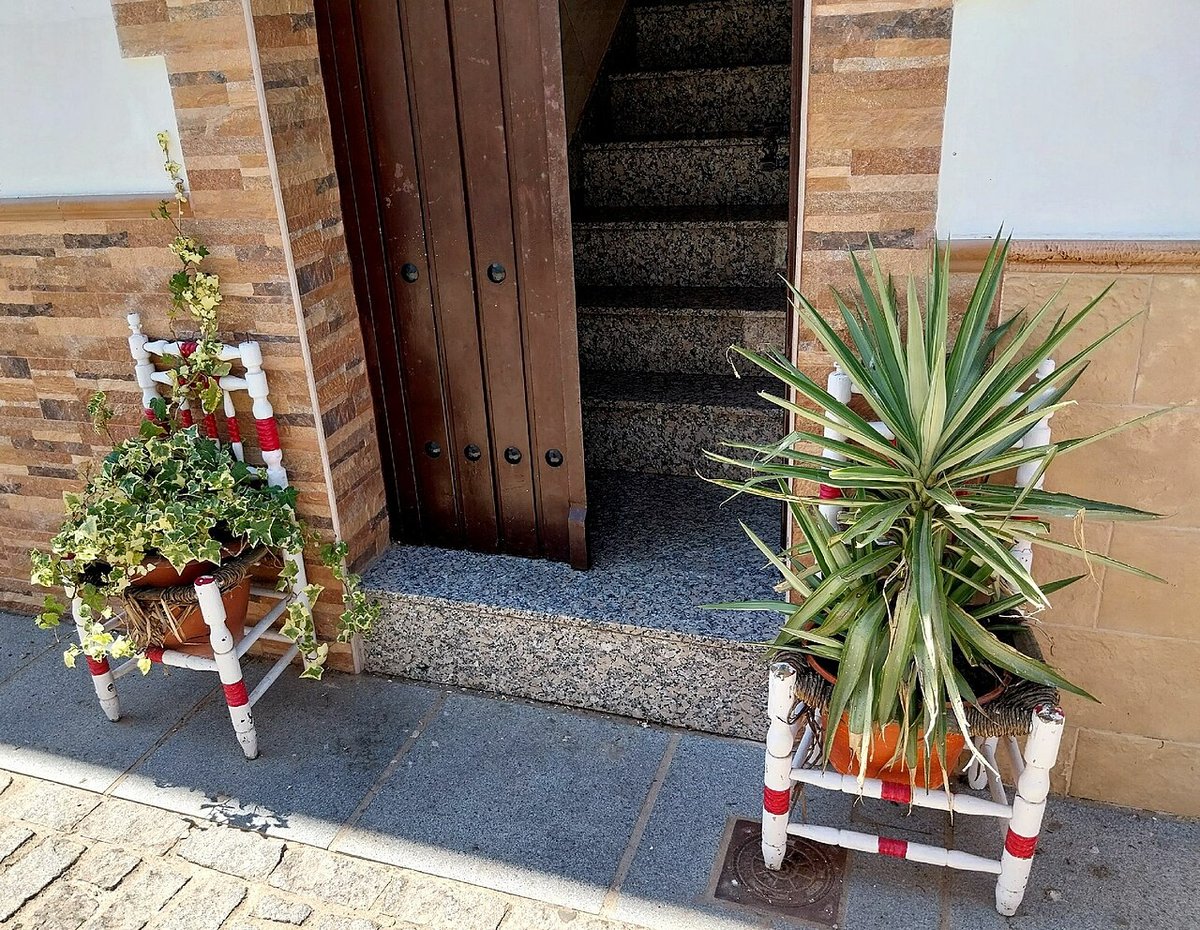
The settlement pattern is classic Extremaduran: houses shoulder-to-shoulder, their ochre walls radiating heat, every roof angled to catch the Gulf of León breeze that drifts across the dehesa. Walk the five-minute diameter of the centre and you’ll see more 18th-century iron knockers than satellite dishes—an aesthetic accident that pleases both heritage inspectors and passing photographers. Peer into the gloom of an open doorway and you might spot a courtyard paved with ox-blood tiles, a single lemon tree in a terracotta pot, a caged finch singing over the hum of the fridge.

Stone, Sun and Stock Routes

Above the village, the track to the castle turns from tarmac to gravel without ceremony. Leave the car by the cemetery—there’s just enough room to turn a right-hand-drive vehicle—and continue on foot. The path follows an old livestock drift; keep the gate closed unless you fancy explaining to a Spanish cattleman why his cows are roaming the playground. Halfway up, clumps of cork oak give way to panoramic sweeps: the Sierra de Castilblanco to the east, the grain silos of Zafra to the north, and everywhere the quilted grey-green of dehesa, the agro-forest that produces both acorn-fattened jamón and some of Europe’s most threatened birdlife. Griffon vultures wheel overhead; listen for the clapping wings of Spanish imperial eagles, reintroduced on neighbouring estates.

The castle itself is less a ruin than a polite geological interruption: waist-high walls, a flagged floor where the keep once stood, interpretive panels long since weathered into Surrealist poetry. No ticket desk, no audio guide, just the wind and a 360-degree lesson in Extremaduran geography. On a clear February morning you can see the snow-dusted peaks of the Sistema Central 150 kilometres away; on a July afternoon the horizon dissolves in heat haze and the only sensible activity is to retreat downhill for a caña before the bar shuts.

What Passes for Gastronomy

Medina has one permanent eating establishment, Casa Paco, wedged between the chemist and the town hall. Opening hours mirror siesta, so plan lunch for 13:30 sharp or risk lukewarm tapas from the countertop display. British palates will appreciate the tostada con tomate—soft country bread rubbed with tomato, olive oil and a whisper of garlic—though you’ll need to request the ham on the side if you’re feeding children who expect their pig in sandwich form. The house speciality is caldereta de cordero, a clay-pot lamb stew scented with bay and pimentón; order it only if you enjoy navigating vertebrae the size of 50-pence pieces. A safer bet is the menú del día—three courses, water and coffee for €11—usually grilled chicken or eggs with chips, lettuce dressed in vinegar, and a pudding that tastes of condensed milk and childhood.

Vegetarians survive on tortilla, salad and the sheep’s cheese locals call tierno. Ask for it blando if you dislike the acidic bite that develops after two months’ curing. Wash everything down with vino de la tierra from nearby Tierra de Barros; it arrives chilled even in January and costs less per glass than London bottled water.

Seasons of Silence

Spring is the village’s most persuasive season. Daytime temperatures sit in the low twenties, perfect for the 12-kilometre circular walk that leaves from the railway embankment (disused since 1984) and threads through flowering rockrose and carpets of orchids. Farmers burn the previous year’s stubble at dusk, sending skeins of blue smoke across the horizon like maritime signal flares. By mid-May the first electric fans appear in windows, a harbinger of the furnace to come.

Summer is uncompromising. At 35 °C shade becomes currency; the stone fountain on Plaza de España doubles as social hub and public laundry. August fiestas bring back emigrants from Madrid and Barcelona, plus a travelling funfair so compact it fits on the football pitch. Expect late-night verbena dancing, a foam party that leaves the streets smelling of detergent, and temporary beer tents where a plastic cup costs €1.50. Accommodation fills within a 20-kilometre radius—book Zafra early or sleep in your van.

Autumn smells of freshly pressed olive oil and damp moss. This is mushroom territory: níscalos in the pine plantations, boletus under the chestnuts. Local gastronomic societies organise jornadas micológicas—weekend lunches where every course features fungi and you leave smelling of garlic and wet earth. Nights drop to 8 °C; pack a fleece for castle sunsets.

Winter rarely freezes hard, but the Atlantic fronts sweep in sideways rain that turns clay lanes into axle-deep glue. January is the quietest month: some days fewer than a dozen vehicles pass through. Bar Paco keeps a log fire; order café con leche and listen to farmers discuss the price of pigs in broken andalú. Snow is a once-a-decade event, photographable before it melts at noon.

Practicalities Without the Brochure

There is no cash machine; the nearest is beside the bull-ring in Zafra. Shops observe eccentric hours: the grocery opens 09:00-14:00, 17:30-20:30 except Sunday (closed), Monday morning (closed) and any day the proprietor drives to the wholesaler in Seville. Bring coin for bread—€0.90 a loaf—and patience for conversation. Motor-homers should head for the gravel area behind the town hall; it’s level, free, tolerated for 24 hours and within hose-dragging distance of potable water. Empty your cassette first—there is no chemical disposal point for 40 kilometres.

Public transport no longer exists. The weekday bus was axed in 2022; a taxi from Zafra costs €18 each way. Car hire is essential: Seville airport is 90 minutes south on the A-66, Faro slightly farther via the Portuguese A22. Neither route involves tolls, but watch for speed cameras around municipal boundaries—fines arrive by post six months later, a souvenir you hadn’t budgeted for.

Accommodation is non-existent inside the village. Stay in Zafra’s Parador (four-star convent, pool, €120) or one of the converted manor houses in the surrounding wheat plains. Day-trippers can comfortably see Medina in two hours: stroll the grid of lanes, photograph any open church interior, climb the castle for views, buy cheese from the counter that doubles as post office. If you linger until dusk you’ll witness the lighting of street lamps still fuelled by butane—each lamp-lighter a lone man with a pole, walking the same route his grandfather did.

Exit Strategy

Leave just before dark and you’ll meet day workers returning on scooters, fluorescent jackets over Sunday shirts, the smell of pig farms clinging to their boots. They nod, surprised but not unfriendly, that anyone came for pleasure rather than employment. Head north on the EX-382 and Medina’s lights shrink to a pale smear against the black dehesa. The motorway roar resumes, Extremadura’s vastness compresses into rear-view mirrors, and within ten minutes the village has resumed its default setting: a small congregation of houses wrapped around a hill, waiting for tomorrow’s sun to dictate the tempo once again.

Key Facts

Region
Extremadura
District
Zafra - Río Bodión
INE Code
06081
Coast
No
Mountain
No
Season
spring

Livability & Services

Key data for living or remote work

2024
ConnectivityFiber + 5G
TransportTrain station
HealthcareHealth center
EducationElementary school
Housing~6€/m² rent · Affordable
Sources: INE, CNMC, Ministry of Health, AEMET

Planning Your Visit?

Discover more villages in the Zafra - Río Bodión.

View full region →

More villages in Zafra - Río Bodión

Traveler Reviews