Full Article
about Puebla de Sancho Pérez
Municipality bordering Zafra, known for its square bullring (Santuario de Belén); wine-making tradition
Hide article Read full article
Reading the landscape first
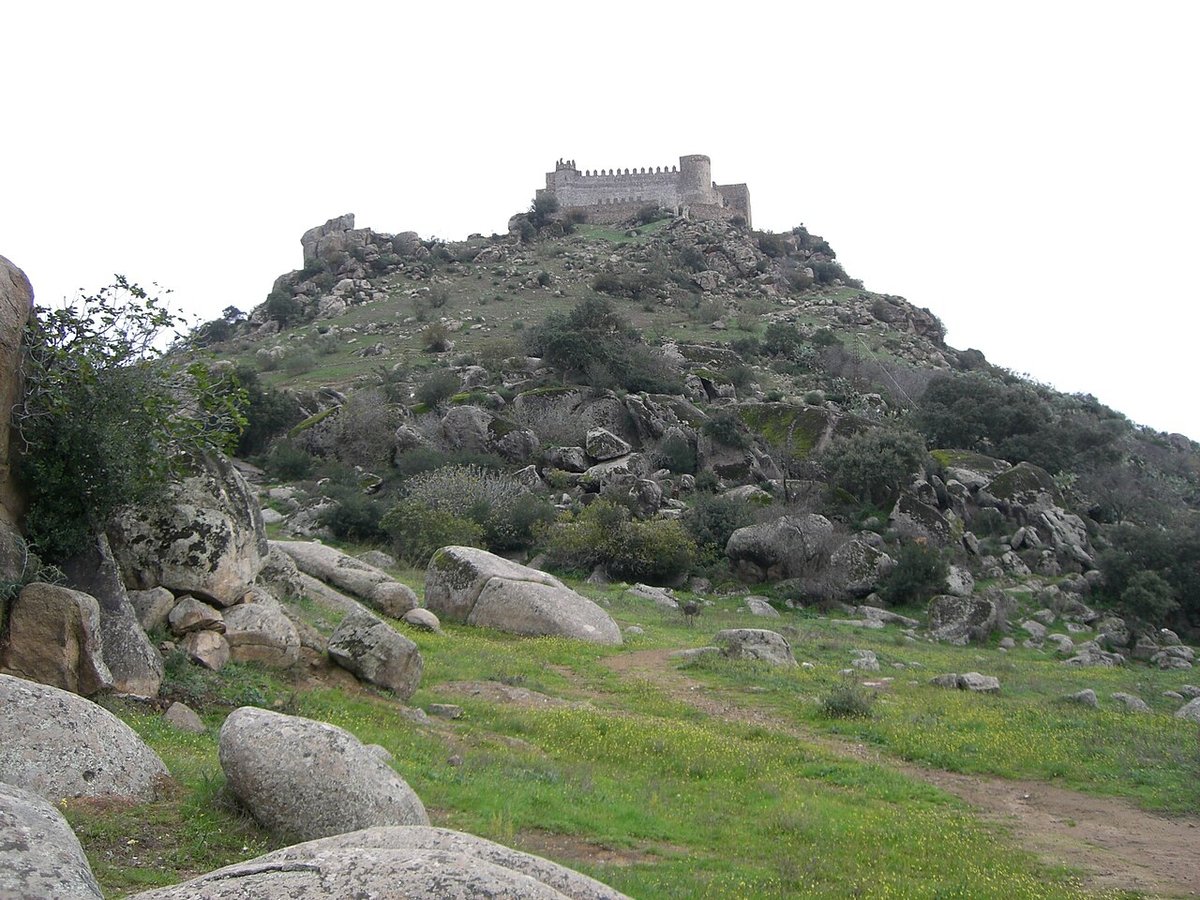
Any look at Puebla de Sancho Pérez begins with a glance at the map. The town sits in the south of the province of Badajoz, very close to Zafra. The land is gentle rather than dramatic. Open dehesa stretches out around it, with scattered holm oaks, stone boundaries and tracks that follow routes laid down long ago.
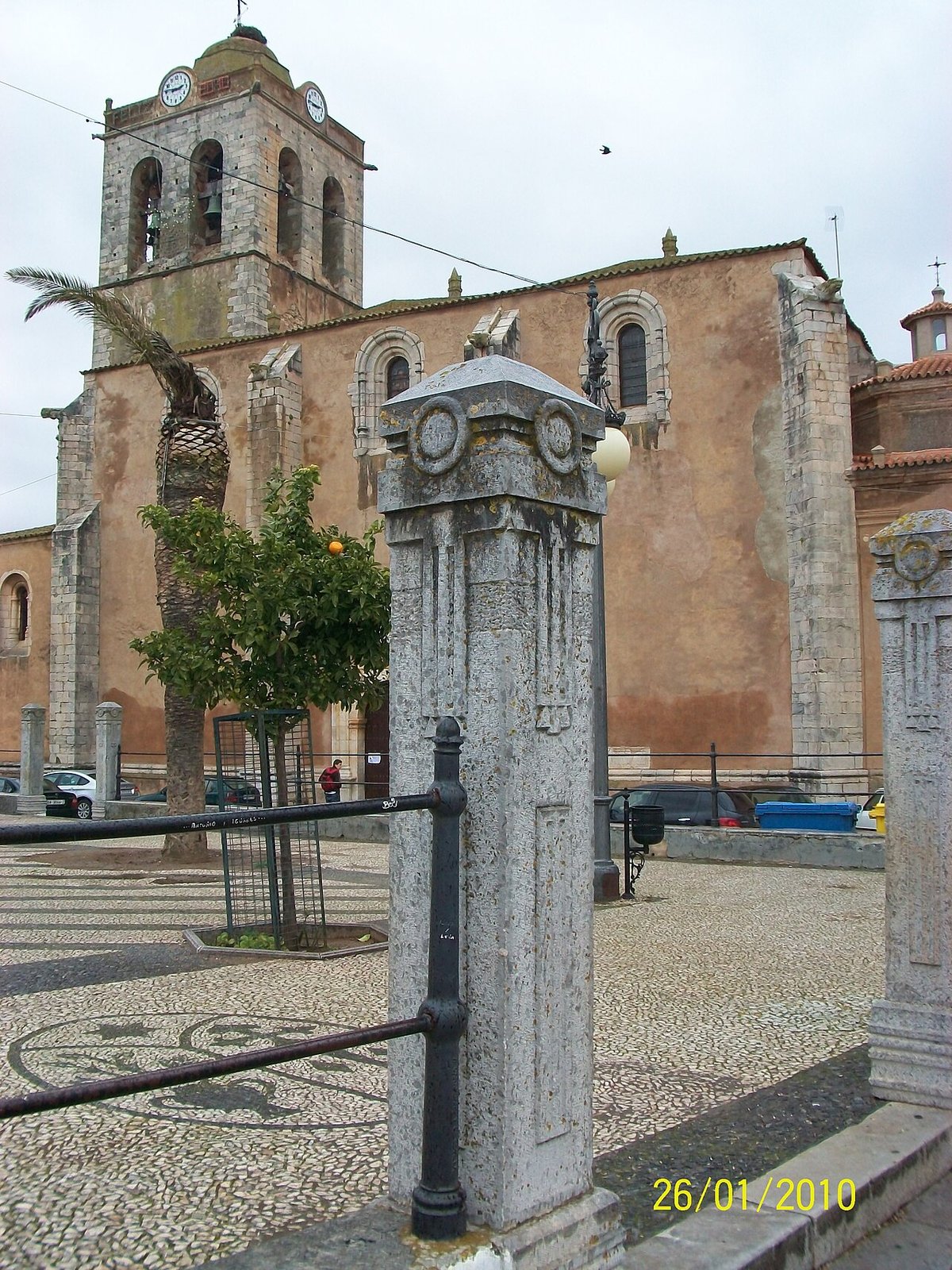
The railway station stands just outside the centre. The line linking Zafra with Huelva still passes through here. Today it carries few passengers, yet for decades it provided a natural route west. From the platform it is a short walk to Calle Real, where several 19th-century façades remain. Some display coats of arms connected to the Orden de Santiago, a reminder of the town’s early ties. Rising above the rooftops, the tower of the parish church is easy to pick out.
From encomienda to small town
The origins of Puebla de Sancho Pérez are closely linked to the Orden de Santiago. The settlement appears in medieval records and, over centuries, functioned as an agricultural and livestock centre within the wider comarca.
Its position was carefully chosen. The houses sit on a gentle rise overlooking the fertile plain of the río Bodión. Important livestock routes passed nearby, including the Cañada Real Leonesa. This drove local activity for a long period and shaped how the area developed.
The older layout can still be traced. Streets lead out from the main square and narrow in places, hinting at earlier patterns of movement. Not far away stands the bullring, with ancient origins. The ermita de la Virgen de Belén lies at some distance from the main cluster of houses, adding to the sense that the town extends beyond its core.
Building materials tell their own story. In several houses, reused stone blocks are visible. This practice is common in places with long histories of occupation. The stone remains in place, even as its purpose changes over time.
The waters of El Raposo
A few kilometres from Puebla de Sancho Pérez is the spa known as El Raposo. The sulphurous waters in this area have been known for a long time. Traditionally, they were used to relieve skin conditions or joint problems.
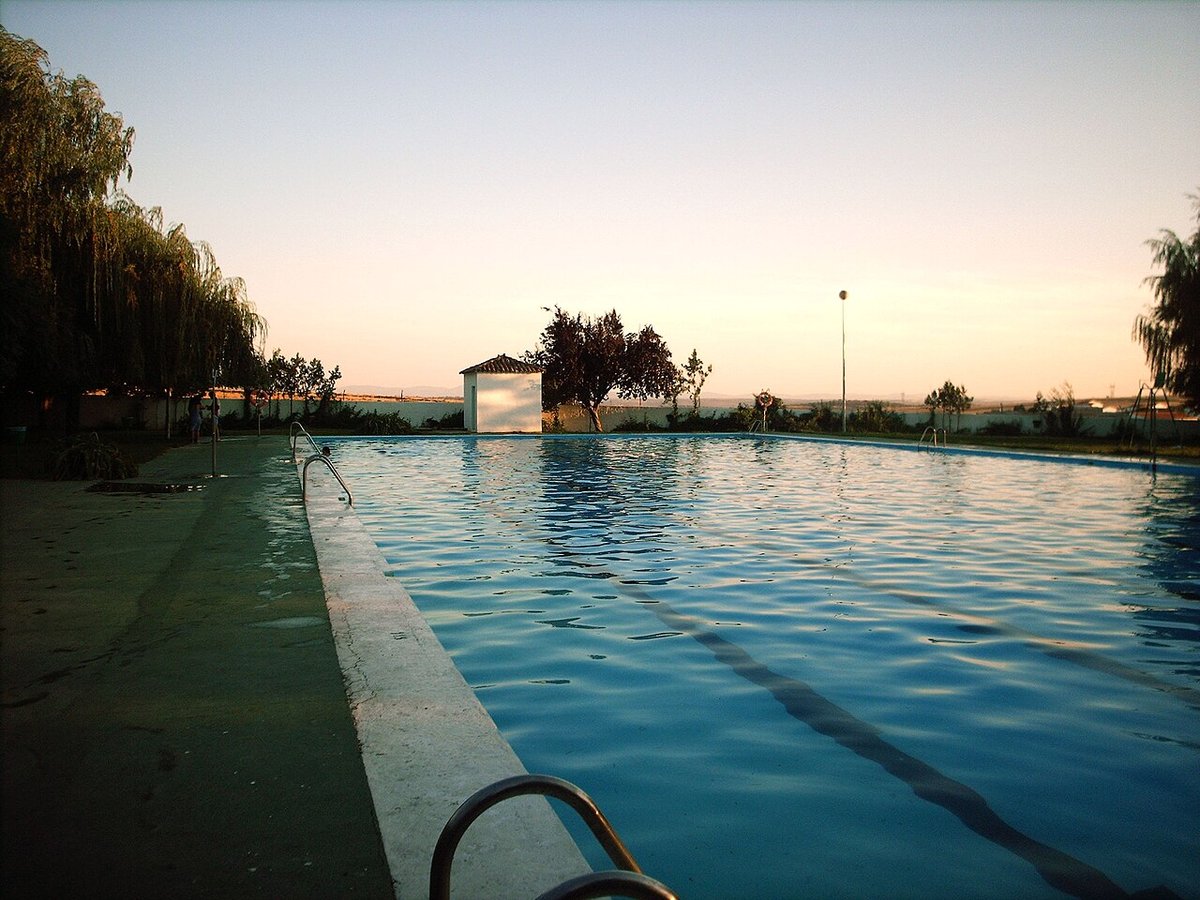
The current establishment began operating towards the end of the 19th century and gradually expanded. Even so, the atmosphere remains calm. Many visitors come from nearby Zafra or surrounding villages. Some arrive for treatments, while others simply spend the day.
The setting plays a part in that quiet feel. The complex is surrounded by dehesa, with scattered oaks and dirt tracks crossing the landscape. For much of the year, silence dominates the area.
Festivities shaped by the rural calendar
Local celebrations follow a rhythm that remains closely tied to the agricultural year. In May, the romería of San Isidro takes place. Residents accompany the image from the ermita into the town, often with carts decorated with branches of holm oak.
After Easter comes a festival known as El Torrisco. On this occasion, the image of the Virgen de Belén is carried in procession back to her ermita. The day draws people from across the surrounding area.
The main celebration arrives in September, again centred on the Virgen de Belén. During these days, the bullring becomes a focal point. Religious events take place alongside gatherings of neighbours, including those who have moved away and return during the summer period.
Cooking rooted in the land
Local cooking reflects what the surrounding countryside provides. Bread, pork, lamb and olive oil form the basis of many dishes. Hearty stews are common in winter, while simpler recipes fill the rest of the year.
Migas appear frequently at family gatherings. Cocido still holds its place on Sundays in many households. Caldereta de cordero is prepared especially for celebrations.
Among the sweets, those known as perritos stand out. They are made with bread dough, egg and aniseed. Traditionally linked to the feast of San Blas, they are blessed by children and then hung in small bunches.
Finding your way around
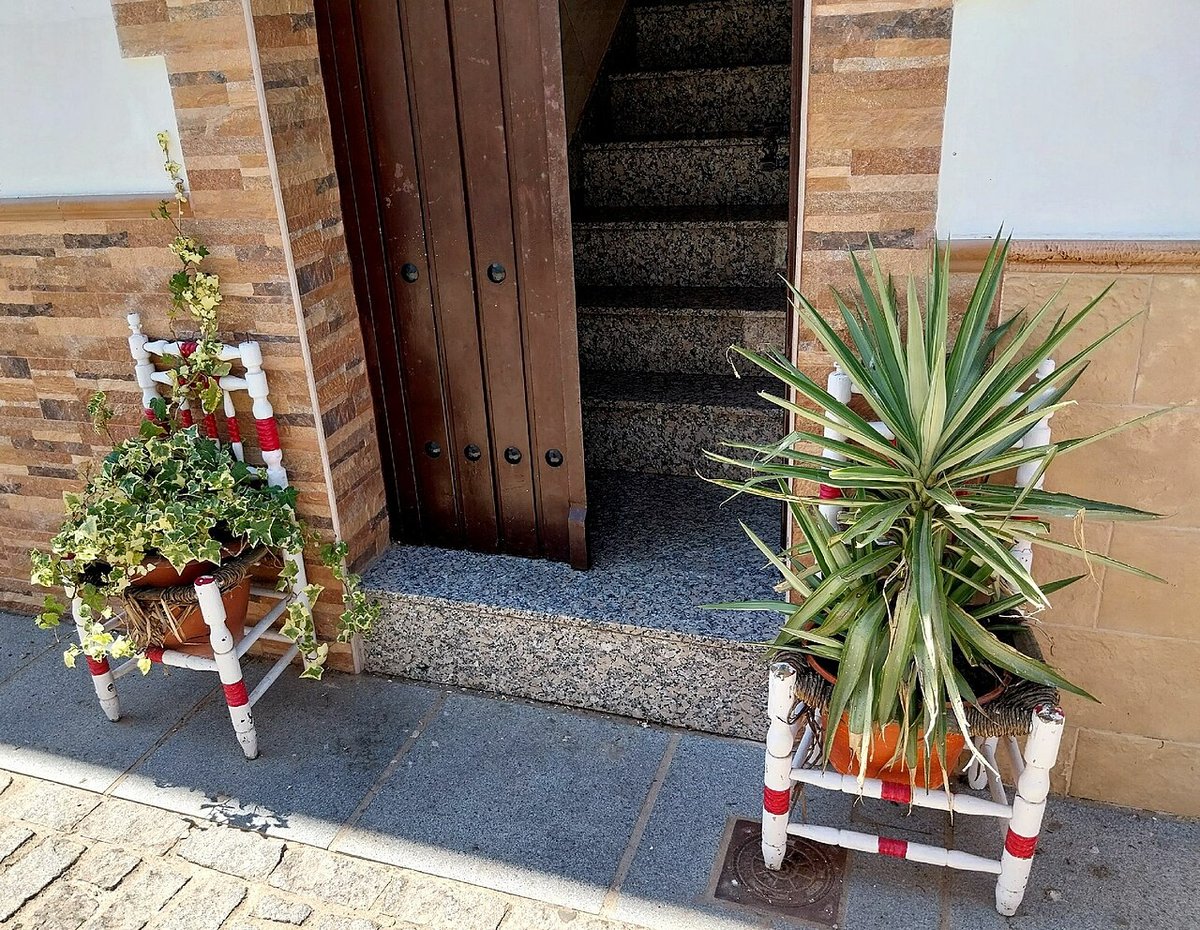
Puebla de Sancho Pérez is small enough to explore on foot without difficulty. The centre can be covered in a short time. It is worth paying attention to old doorways and some of the interior courtyards that are easy to miss at first glance.
Beyond the town, paths lead towards low nearby hills. In spring, the landscape changes noticeably as wildflowers appear in the clearings between the holm oaks.
Access is usually easiest via the Ruta de la Plata motorway. From Zafra, the journey takes only a few minutes by car. A regional train also stops in the town, though services are limited throughout the day.