Full Article
about Valencia del Ventoso
Town with a palace-castle at its center, known for its heritage and medieval fairs.
Ocultar artículo Leer artículo completo
The Village That Isn’t on the Coast
First-time visitors glance at the road sign, picture paella and orange trees, then realise their mistake 700 kilometres too late. Valencia del Ventoso sits on the high tableland of south-east Extremadura, closer to the Portuguese border than to the Mediterranean. The name is a red herring; the wind, however, is not. It arrives in winter without warning, rattles the weathervane on the church of San Bartolomé and sends locals retreating indoors until the square regains its calm.
At 550 metres above sea level the place feels higher than it sounds. Summer thermometers brush 42 °C by noon, while January nights drop to 3 °C and the wind-chill makes it feel colder. Spring and autumn are the sweet spots: cereal fields flick from emerald to gold within weeks, and the air smells of wet earth after brief April showers. Bring layers, whatever the season.
A Morning Circuit
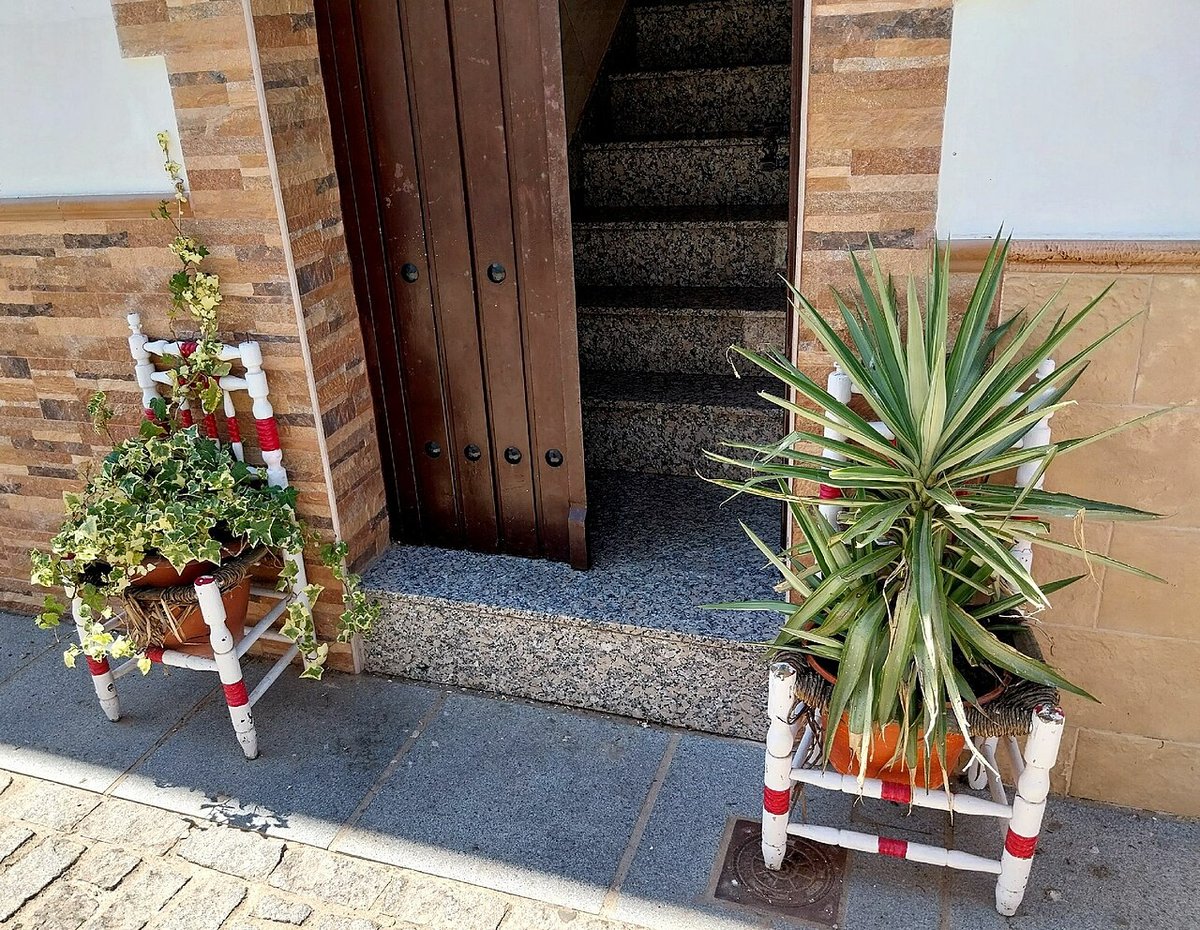
You can walk from one end of town to the other in twelve minutes, assuming you resist the urge to stop. Start at the petrol-less petrol station—just a shuttered kiosk and an air hose—then follow Calle Real past single-storey houses painted white with ochre trim. Iron grilles guard dark interiors; somewhere inside, a television mutters the morning news. The only traffic is a farmer in a Seat pickup, elbow out the window, tyres crackling over granite setts.
The plaza is a rectangle of packed earth and stone benches. Pensioners occupy the northern side where the sun lingers; they greet strangers with the polite nod reserved for outsiders who are clearly lost or deliberately slowing down. Order a café solo at Bar Las 3M (€1.20, no contactless) and you’ll hear more Portuguese than English—seasoned workers from nearby Alentejo farms who pop across for cheaper beer.
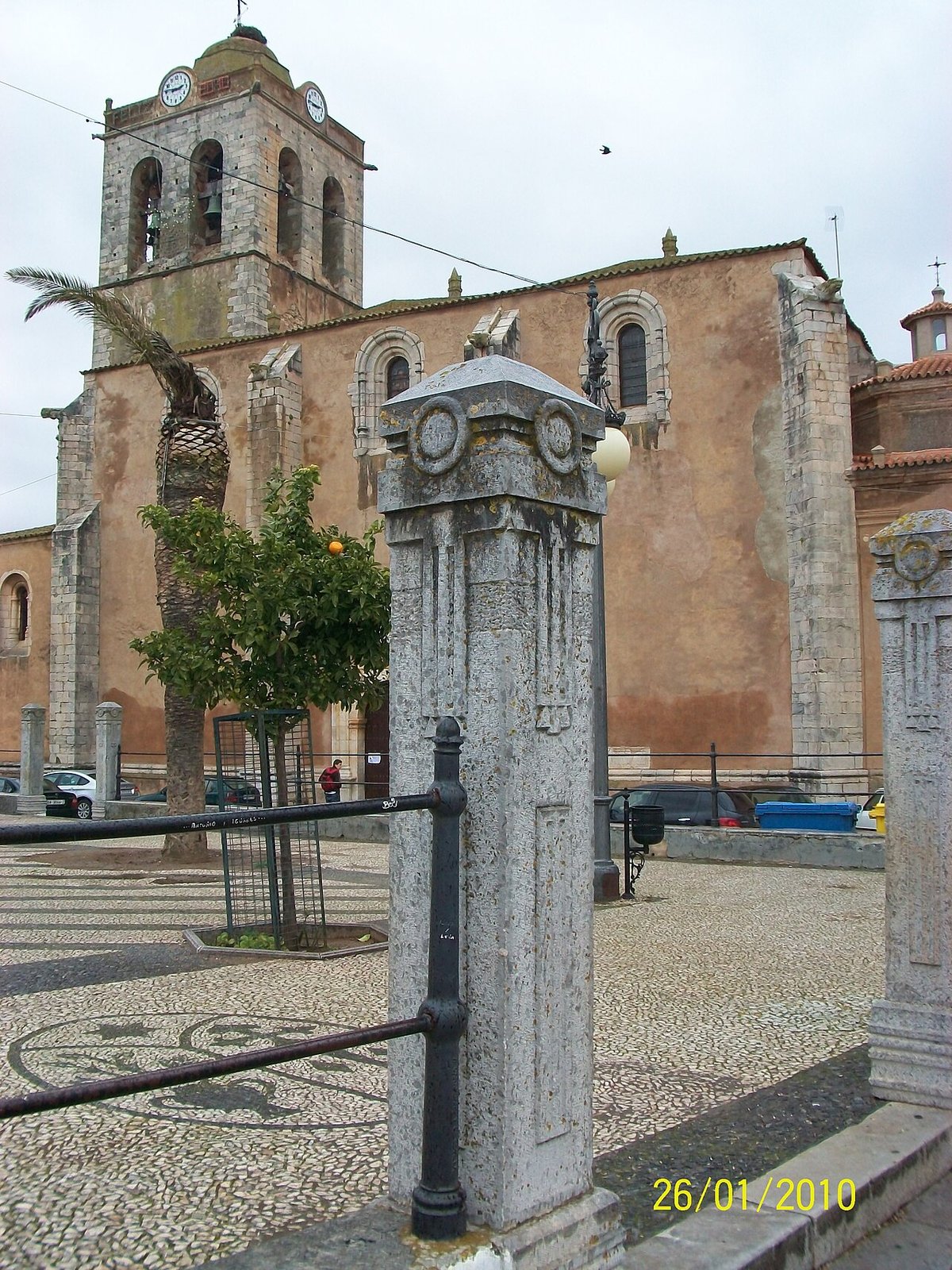
San Bartolomé’s tower, square and solid, rises above the rooftops like a watchman who refuses to retire. The door is usually unlocked; inside, the nave is cool and smells of candle wax and old stone. No audio guide, no gift shop, just a laminated sheet that lists the 1787 rebuild after the Lisbon earthquake. Drop a euro in the box and the sacristan might appear from a side door, eager to point out the baroque retablo even if your Spanish stalls after “buenos días”.
Pork, Windmills and Empty Roads
This is Iberian-ham country. Twenty minutes west, black pigs still root among holm oaks for acorns, and the family firm Embutidos Luis Fernández welcomes curious carnivores. A short factory tour ends with paper-thin slices of jamón de bellota that dissolve on the tongue, leaving a nutty sweetness that no supermarket version manages. Tastings are free; vacuum-packed shoulder joints start at €45. Monday visitors find the doors locked—plan accordingly.
Cyclists discovered the village years before the guidebooks. The undulating BA-018 that links Valencia del Ventoso with Zafra is a favourite training loop for Sevilla-based clubs: 42 kilometres of empty asphalt, gradients that rarely bite, and views that stretch to the Sierra Morena on clear days. If you prefer leg power to Lycra, rent a hybrid in Zafra (€18 per day) and potter along the farm tracks; the tourist office provides free PDF maps, though phone signal is patchy once you leave the tarmac.
Lunch at House Hours
Spanish clocks matter here. Kitchens fire up at 13:30 and last orders are taken by 15:45; after that the stove goes cold until 20:30. Casa la Roberta, opposite the town hall, grills Presa Ibérica over vine-cuttings until the exterior is black-edged and the centre blushes pink. A plate costs €14 and comes with hand-cut chips and a stubby green pepper that bites back. Vegetarians get revolconas—paprika-laced potato mash topped with crispy pork belly that can be omitted on request, though the chef will look perplexed.
Wine is local and honest: Bodega Matanegra’s young Tempranillo arrives unlabelled, poured from a plastic jug. Locals call it “vino del pueblo” and complain when the price inches above €1.50 a glass. Order a whole bottle for the table and you’ll pay less than a single glass costs back in Seville.
What You Won’t Find
There is no souvenir shop flogging fridge magnets, no flamenco tablao, no evening craft market. Night-life consists of a last caña at 22:30, then the barman switches off the lights and the street belongs to cats. Accommodation is limited to three small guesthouses, each with fewer than eight rooms. Book August early—Spanish cyclists reserve a year ahead—or arrive outside fiesta season when rooms drop to €45 including breakfast, served at 08:00 sharp.
Public transport is essentially one school bus. If you can’t drive, pre-book a taxi from Zafra (€25, cash only) or accept that you’re marooned until tomorrow’s dawn departure. Sunday is a desert: supermarket shutters stay down, the bakery is closed, and Bar Las 3M becomes the lone source of calories. Stock up in Zafra on Saturday or risk a diet of crisps and tinned tuna.
When to Come, When to Leave
April brings wildflowers and comfortable walking temperatures; September light turns the dehesa copper and photographers linger for golden hour. Mid-July to mid-August is punishing after 11:00; sensible visitors tour the ham factory at 10:00, retreat indoors during the furnace hours, then re-emerge at 18:00 for a cycling loop punctuated by shade-seeking stops beneath oak branches.
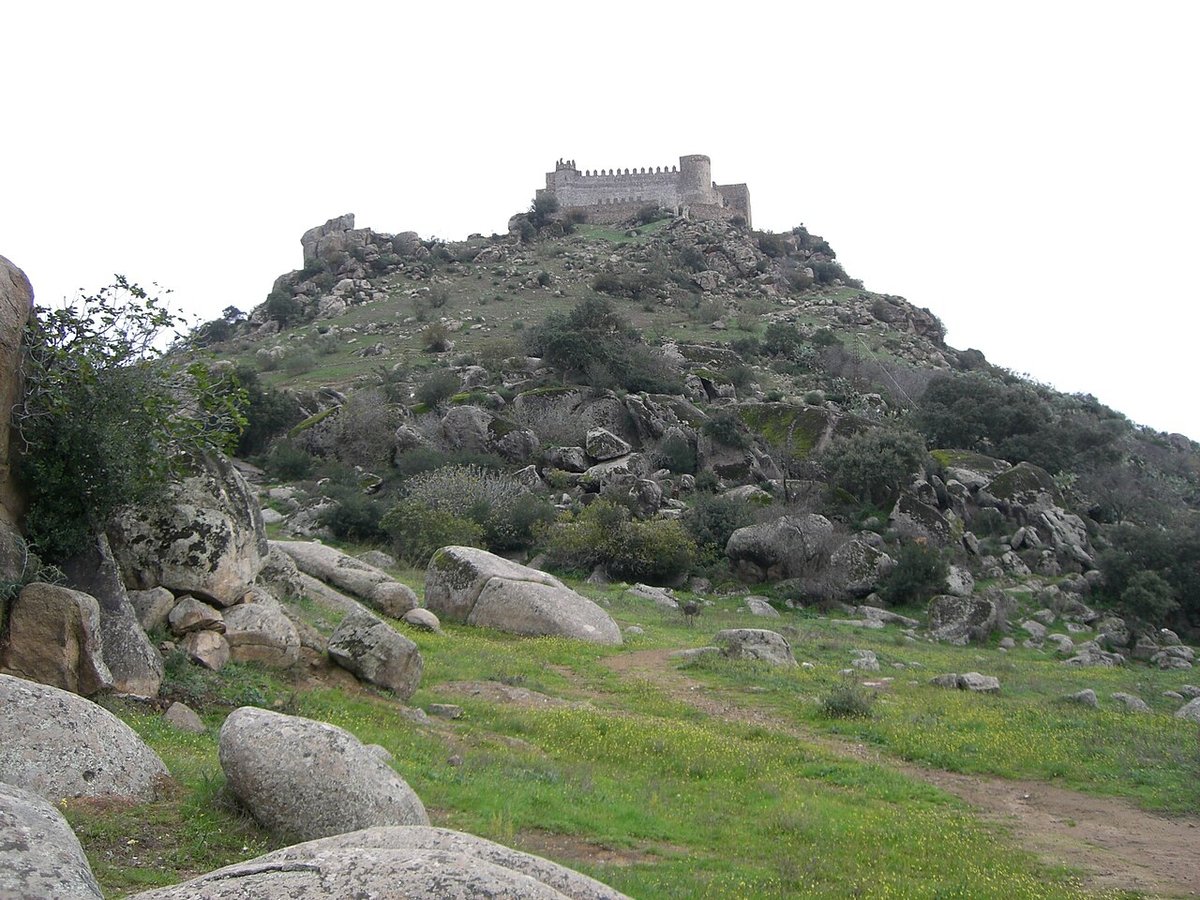
Two days is plenty. Spend the first wandering the village lanes, tasting cured meats and photographing the church tower against a bruised evening sky. Use the second to drive the country circuit: south to the Roman ruins at Regina, north to the castle at Feria, finishing with a late lunch in Zafra’s Plaza Grande before joining the A-66 back to Seville. Valencia del Ventoso won’t fill a week, but it will reset your sense of how slow a Spanish day can run when the wind, not the calendar, sets the rhythm.