Full Article
about Valverde de Burguillos
Small town with rural charm; noted for its vernacular architecture and quiet.
Hide article Read full article
A village that slows the day
At midday, when the sun presses down on the rooftops, Valverde de Burguillos falls quiet. A door closes somewhere, slowly. Now and then a shutter taps against a whitewashed wall. The air often carries the scent of grain, especially in early summer when the surrounding fields begin to turn gold. Around 260 people live here, and that small number shapes the rhythm of the place: the streets rarely feel hurried.
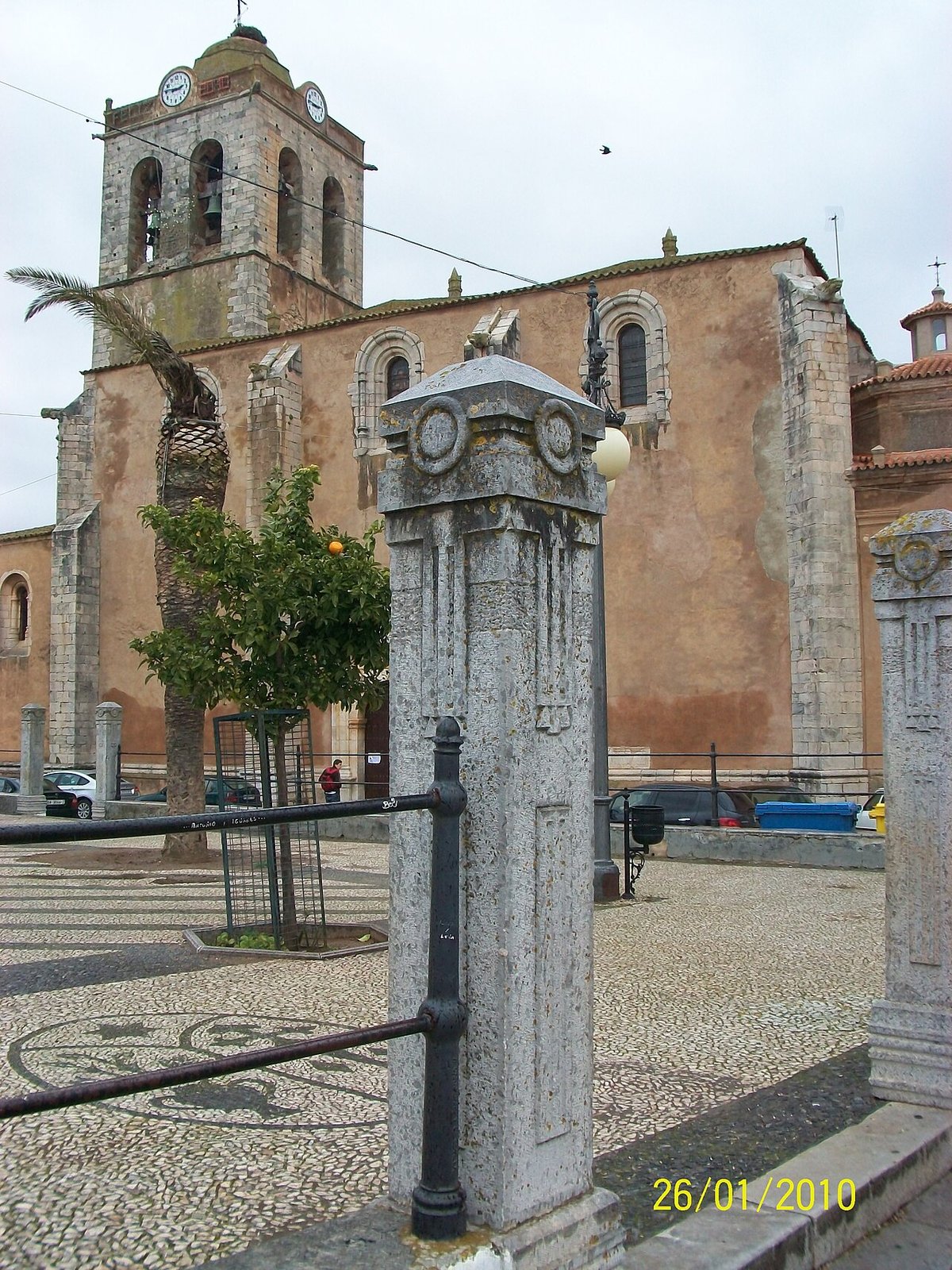
There are no grand buildings or monumental squares. The centre gathers around the parish church, with its pale walls and simple tower, an easy point of reference when arriving by any of the local roads. The bells still mark the hours on calm days, their sound spreading across the low cluster of houses, past white façades and wooden doors darkened by time.
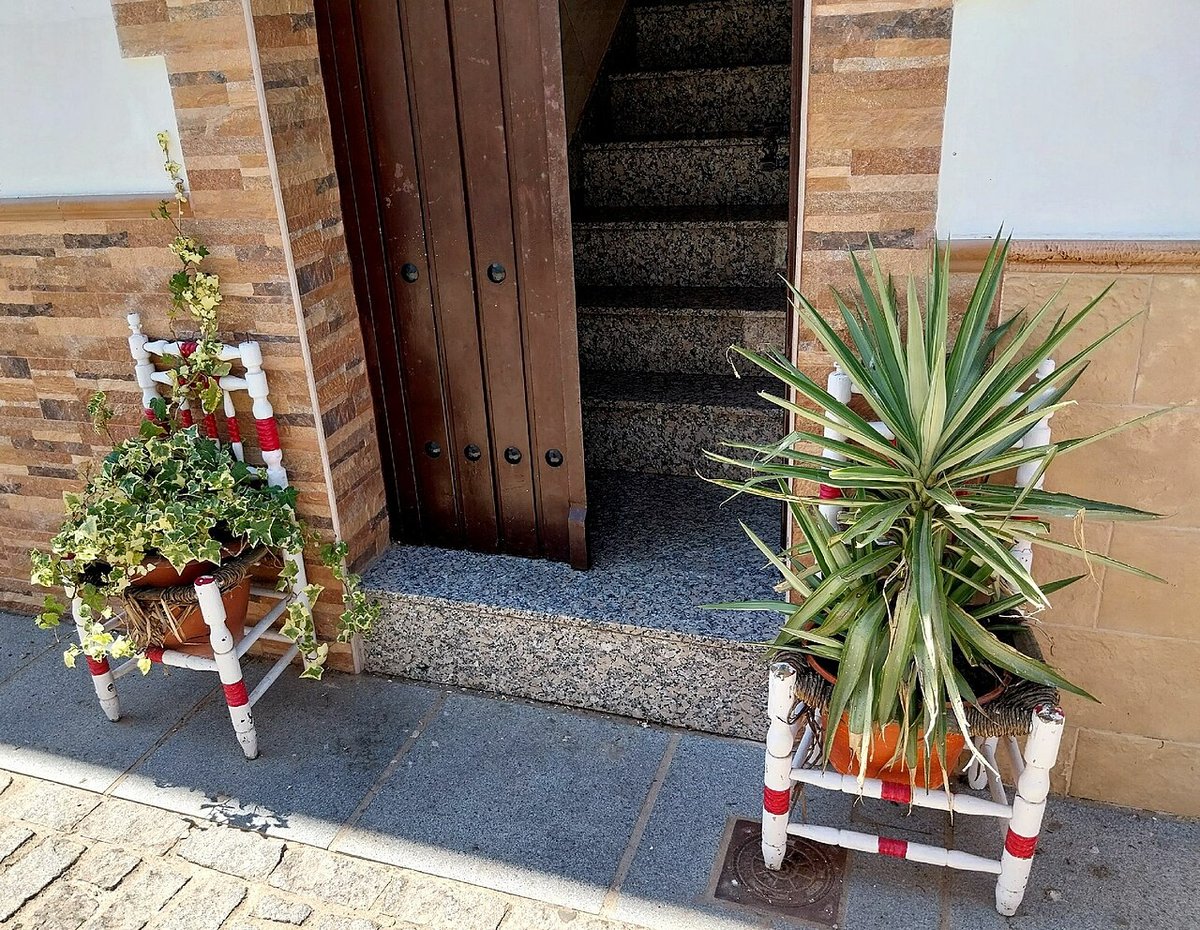
A slow walk through the streets brings small, specific details into focus: footsteps echoing on the pavement, the damp smell drifting out of freshly watered patios, the sharp shadows cast by wrought-iron window grilles against limewashed walls. The village is compact, and it does not take long to see how it has grown alongside the agricultural life that surrounds it.
Fields that explain the place
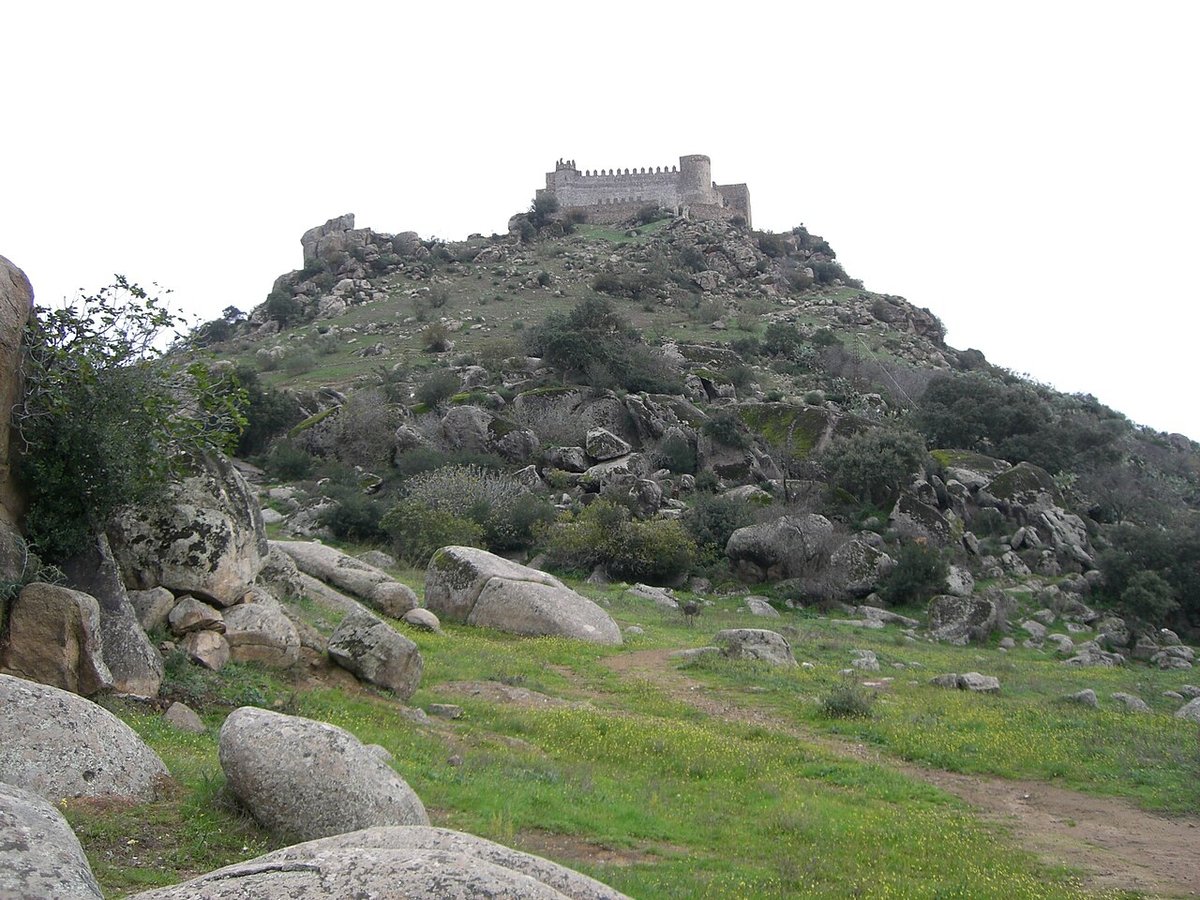
A few minutes beyond the last houses, the landscape opens up and begins to tell the story of Valverde. Fields of cereal stretch out in every direction, shifting with the seasons: green in spring, then yellow and dry as harvest approaches. Between them are patches of holm oak woodland and dirt tracks linking farms and smallholdings.
In the early hours, before the heat builds, storks are easy to spot on posts or perched on the highest rooftops. Birds of prey sometimes circle slowly above the gentle hills that frame the area. By evening, the countryside grows almost silent, broken mainly by the sound of a tractor heading back towards the village.
For those who want to walk, agricultural tracks lead off in several directions. They are not marked routes in the usual sense, but working paths used by local farmers. Gates and field entrances should be respected, and it is worth staying alert for machinery, particularly during the harvest period.
Food rooted in the household
Cooking here remains closely tied to what is produced locally. In many families, the traditional slaughter of the pig still shapes certain days in autumn, when cured meats are prepared and shared alongside bread and fresh olive oil.
Migas appear often at long lunches. This dish is made with stale bread, dried peppers and small amounts of chorizo or pork belly. There are also stews with seasonal vegetables and pork, the kind of slow, spoon-based cooking that has long been part of daily life. It is not elaborate cuisine, but rather food that reflects continuity and habit within the home.
Festive rhythms through the year
The calendar of Valverde de Burguillos follows a familiar pattern for villages in this part of the Zafra–Río Bodión area. Semana Santa, or Holy Week, is observed in a restrained way, with small processions in which most participants know one another.
Summer brings the livelier celebrations. Many residents who live elsewhere return for a few days, and the atmosphere shifts as the population briefly grows. It is also common for a romería to take place in the surrounding countryside. These outdoor gatherings usually happen later in the day, when the heat begins to ease and people come together in a more informal setting.
A short, unhurried visit
If passing through the area, one or two hours is enough to see Valverde de Burguillos at an easy pace. A simple route is to head towards the church, wander along the streets that branch out from the square, and then follow one of the tracks leading into the fields.
Within minutes, the village gives way to open countryside. That contrast, closely grouped houses followed almost immediately by wide, open land, is a defining part of the place.
Light, seasons and practicalities
Spring and autumn tend to offer the best light, when the fields change colour and the temperatures make walking comfortable. By late spring, the cereal crops stand tall and the landscape becomes more uniform, almost entirely golden.
In summer, the middle of the day is best avoided. The heat in this part of southern Extremadura can be intense, and the streets empty out. Earlier mornings and the final hours of the afternoon are more forgiving times to be outside.
Winter can bring strong winds across the open ground. After several days of rain, some of the dirt tracks become heavy underfoot, which can make walking more demanding.
Getting there and moving around
Valverde de Burguillos is reached by local roads that cut through farmland and small areas of dehesa, the traditional pastureland of the region. The final stretch is usually quiet, with little traffic, though the roads are narrow and best taken at a steady pace.
Once in the village, it makes sense to park on a wider street and continue on foot. Distances are short, and walking allows the smaller details to emerge: the sound of bells marking the hour, the smell of wood smoke in winter, the wind moving through the edges of the settlement and out across the fields.