Full Article
about Zafra
Known as the Little Seville; a monumental city with arcaded squares and a ducal palace (Parador).
Ocultar artículo Leer artículo completo
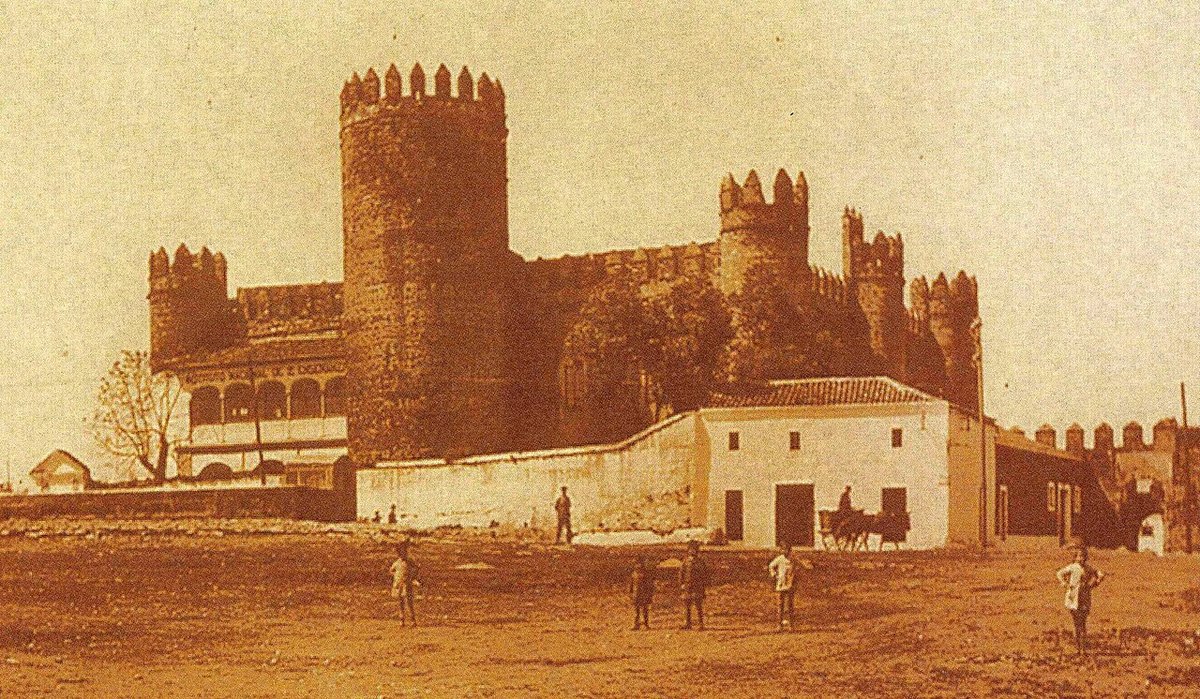
The octagonal tower of the Castillo de los Duques de Feria catches the morning light like a chess piece set down on Extremadura's rolling wheat plains. From its battlements, 508 metres above sea level, the view stretches south towards Andalucía's distant sierras—precisely why this former ducal stronghold controlled the medieval silver route and, today, why coach parties from Seville break their journey here for coffee.
Yet Zafra's real appeal lies at ground level. The town of 16,700 souls packs more arcaded squares per hectare than anywhere between Madrid and Lisbon, and locals treat them like open-air living rooms. Grandmothers gossip beneath the Renaissance balconies of Plaza Grande while teenagers practise skateboard tricks beside the 16th-century town hall. British visitors often remark that it feels like Seville with the volume turned down—same orange trees, same tiled benches, but you can actually secure a table at 9 pm without booking.
Castle, Convents and Cobblestones
The Parador occupies the castle's former palace wing, its rates startlingly lower than sister properties in Granada or Córdoba. Even if you're not staying, duck into the courtyard for a €3 cortado beneath pomegranate trees and what must be Spain's most under-worked reception desk—staff outnumber guests most weekdays. Outside, the original fortress walls peel away into alleyways where heraldic stones still mark ducal warehouses. Follow the brass plaques embedded in the cobbles and you'll loop past the ruined Puerta de Jerez, the only surviving city gate, and arrive ten minutes later in Plaza Chica.
Plaza Chica is smaller, shadier and infinitely more interesting. Mudéjar brickwork zig-zags across the Casa del Ajimez, a 15th-century mansion whose carved window frame appears on half the postcards in town. Beneath the arches, Bar La Rocina serves mid-morning tostadas slathered with crushed tomato and enough garlic to alarm anyone planning afternoon sightseeing. The adjacent Convento de Santa Clara sells almond biscuits via a wooden lazy-Susan; ring the bell before 13:00 or the cloistered nuns leave you staring at a grille. No credit cards, no selfies, no exceptions.
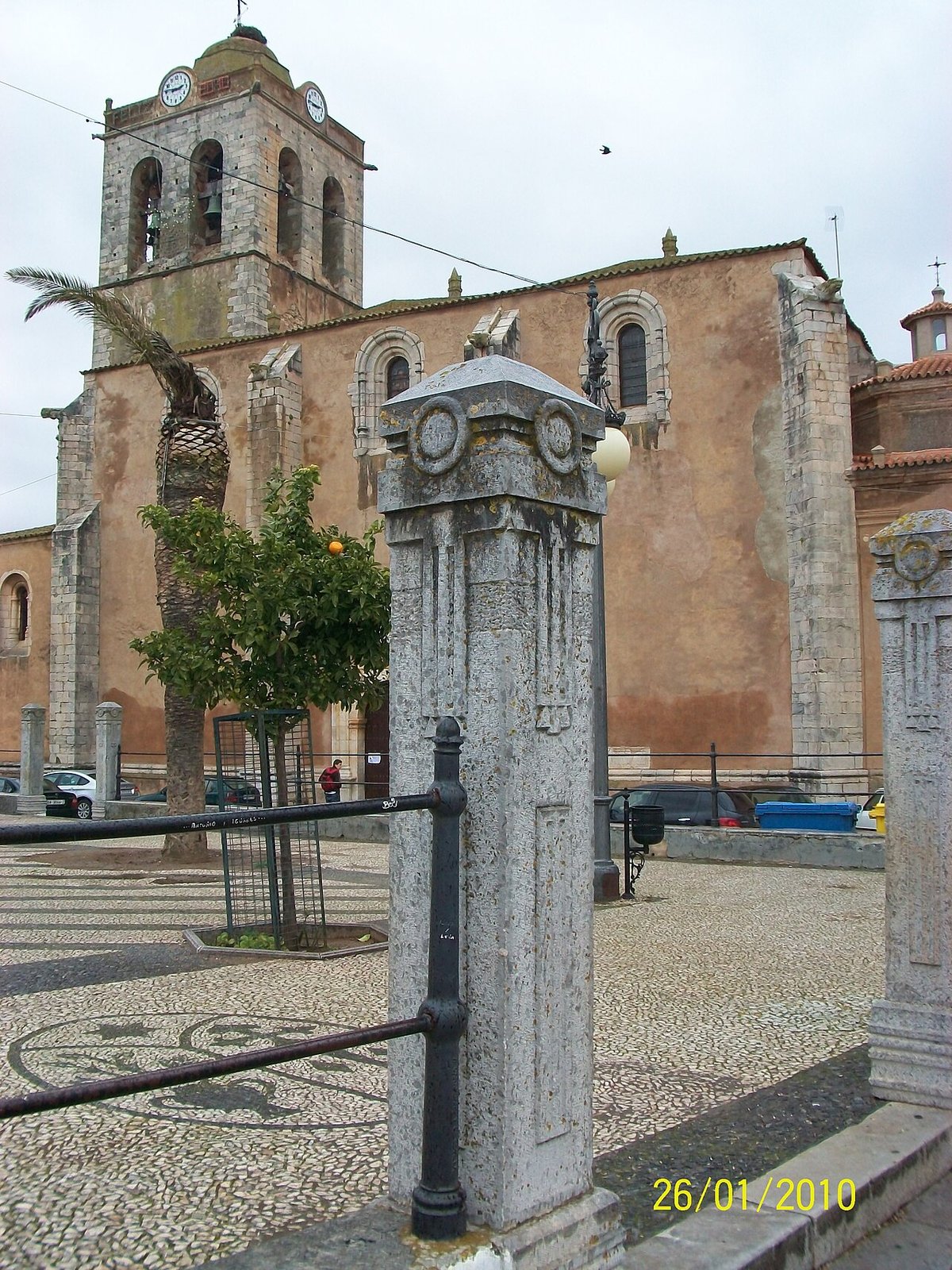
Sunday mornings, the colonnades echo to the clip of local ladies in patent heels heading to Mass in the Colegiata de la Candelaria. Baroque bell-tower aside, the church interior is surprisingly intimate: a single Zurbarán altarpiece, some gloomy Morales saints, and excellent acoustics for the choir's weekly rendition of Victoria. Donation box by the door; €2 covers maintenance and buys silence for anyone arriving in shorts.
Flat Walking, Fattening Eating
Zafra's historic core is traffic-calmed and almost perfectly level—pushchair-friendly rare in hill-top Extremadura. A complete circuit from castle to market hall and back takes 45 minutes, including time to photograph the 16th-century Hospital de Santiago's Plateresque portal. Beyond the old walls, the Vía Verde del Camino de Santiago follows a disused railway towards Los Santos de Maimona. The 7-kilometre track is ideal for families: tarmacked, shade-free and, in July, about as hot as the London Underground's Central line. Take water and wide-brimmed hats; the only café en route opens weekends only.
Food is serious business. The town's weekly Thursday market fills Plaza de España with stalls selling purple-tinged jamón ibérico de bellota at €90 a kilo—half the Harrods price. For immediate gratification, Mesón Francisco on Calle Pablo Iglesias grills secreto ibérico, a marbled pork shoulder cut that tastes like the finest bacon steak. Vegetarians aren't abandoned: most bars will rustle up pisto manchego, a chunky ratatouille topped with a fried egg, though you'll need to specify sin huevo if vegan. Pudding is usually tocino de cielo, a yolk-heavy custard that originated in nearby convents and explains why local cholesterol levels refuse to fall.
Timing is Everything
Visit mid-September and you'll share the Parador terrace with cattle dealers attending the Feria de San Miguel, Spain's last proper livestock fair. Tethered bulls bellow beneath the palm trees while their owners breakfast on cognac-laced coffee—spectacle enough to justify an overnight stay. Easter week brings sober processions that squeeze under the arcades at touching distance; photographers love the chiaroscuro, less so the fact that every restaurant shuts by 22:00. December's medieval market is cheerfully tacky, but the mazapanes (marzipan) sold by robed vendors are authentic and cheap.
Summer, however, is brutal. Temperatures nudge 40 °C by noon; even Spaniards retreat indoors. Plan castle walks for dawn, then follow their lead and siesta until the shadows lengthen. Winter conversely offers crisp blue skies, empty plazas and hotel discounts of 30%, though you may find both municipal museums closed for "inventario"—budget cuts dressed up as stock-taking.
The Practical Bits
Zafra sits 65 km south-east of Badajoz along the A-66 toll-free motorway; the drive takes 45 minutes, slightly longer if you obey Spain's 120 km/h limit. From Seville, it's 125 km north on the same road—handy for anyone using the overnight Portsmouth–Santander ferry and heading south. Trains are less useful: the station is 4 km out of town, served by a skeleton service to Mérida and a vending machine that eats coins but rarely dispenses tickets. The bus station, five minutes' walk from Plaza Grande, has regular coaches to Seville, Badajoz and, surprisingly, Madrid.
Parking is straightforward. Blue-zone bays cost €1 an hour but machines sleep all weekend; arrive after 14:00 on Saturday and you won't pay until Monday morning. The underground car park beneath Plaza de España charges €12 a day—money better spent on a second bottle of vino de la tierra at dinner. There is no left-luggage office; the station café will mind backpacks for €2, politely ignoring the handwritten "No Guardamos Objetos" sign when tourists smile nicely.
Worth the Detour?
Zafra won't keep you busy for a week. A day reveals the monuments, a second lets you eavesdrop on market gossip and taste every pork product within the walls. Yet that compactness is its charm. Unlike Granada or Cárdoba, there's no pressure to "do" the sights; instead you fall into the rhythm of Spanish provincial life—coffee at 11, lunch at 15, evening paseo at 20. Treat it as a breathing space between bigger cities and you may find, like many British stopovers, that the "Little Seville" label sells it short. Zafra isn't a mini anything; it's a working Extremaduran town that happens to own a castle, a clutch of convents and enough orange-scented plazas to make you reconsider that onward journey south.