Full Article
about Arteixo
Ocultar artículo Leer artículo completo
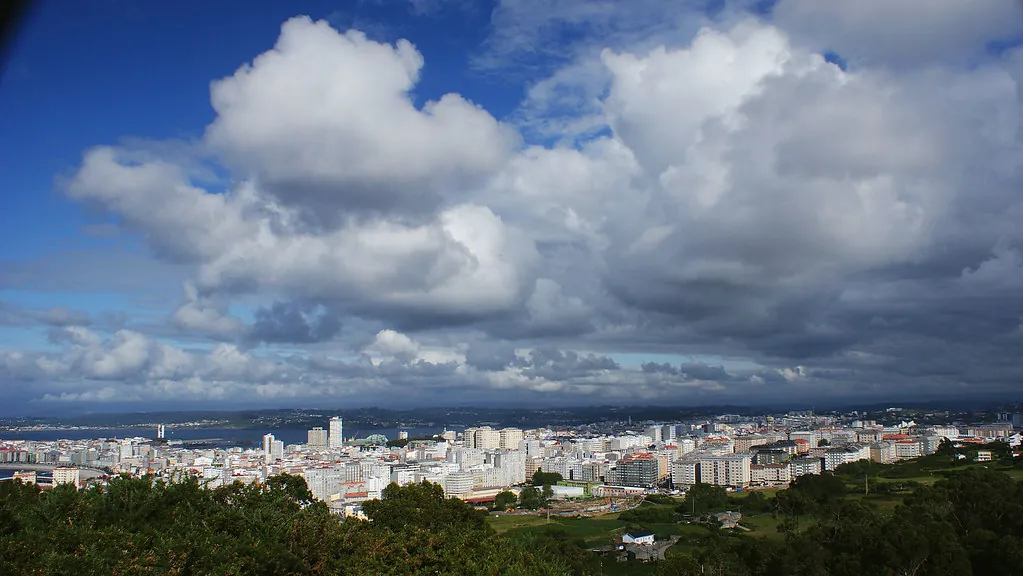
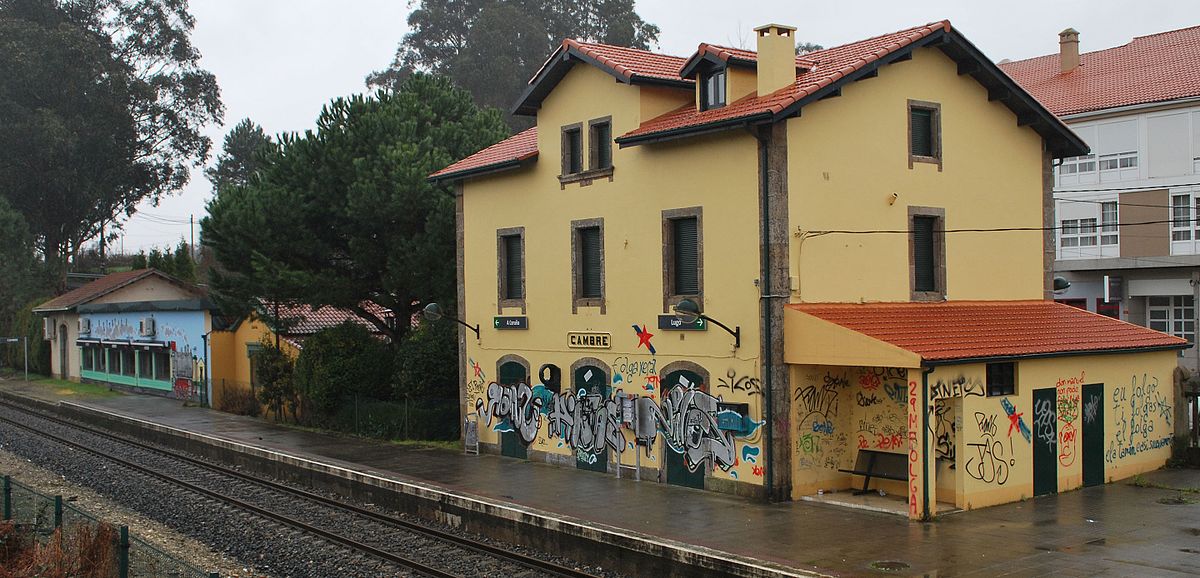
The train from A Coruña takes fifteen minutes and costs €1.75. In that quarter-hour the bay’s glass skyscrapers shrink into low-rise factories, then into stone houses with satellite dishes, and finally into open fields where the wind bends grass flat. Most passengers disembark at the Inditex campus, lanyards round their necks, bound for the glass HQ that produces more Zara stock than any other site on earth. A handful stay on for the coast. They are the ones who’ve read the timetable footnote: “Continúa a Barrañán playa, temporada estival.”
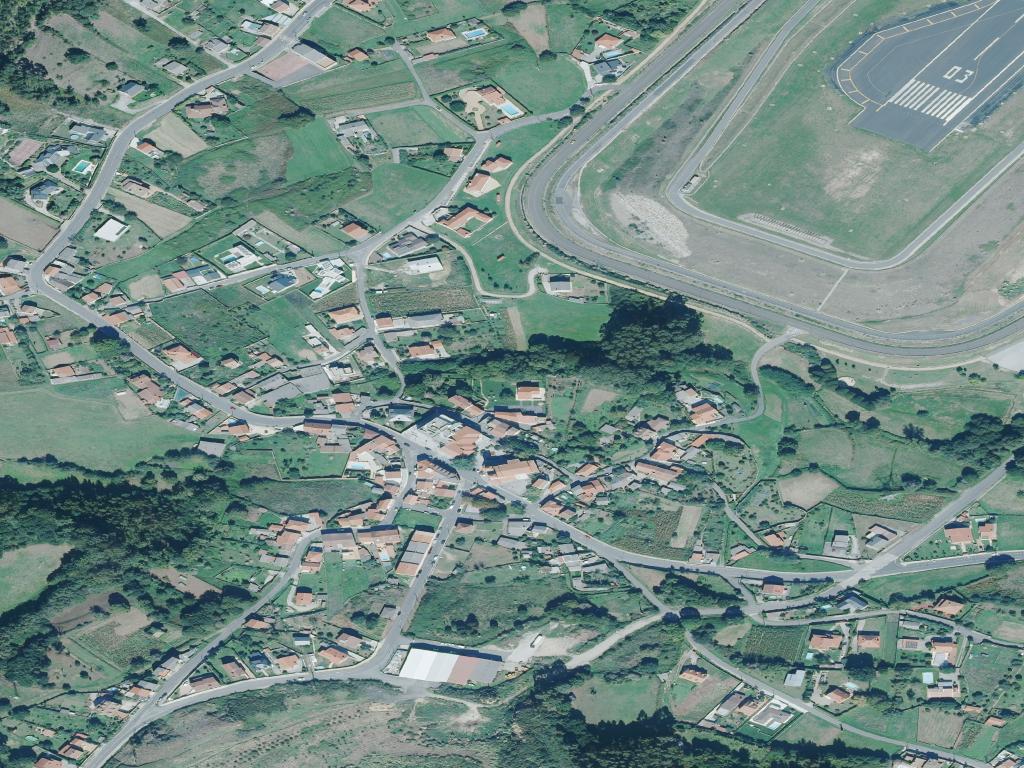
Arteixo never asked to be a destination. It began as a string of medieval parishes set back from the sea—safe from pirates, close enough to salt fish—and grew into a weekday commuter belt. Yet the Atlantic keeps its foot in the door. Three kilometres west of the station the land simply runs out, surrendering to a belt of duned beaches that face due north and take whatever the weather fancies.
The coast, when it remembers to look up
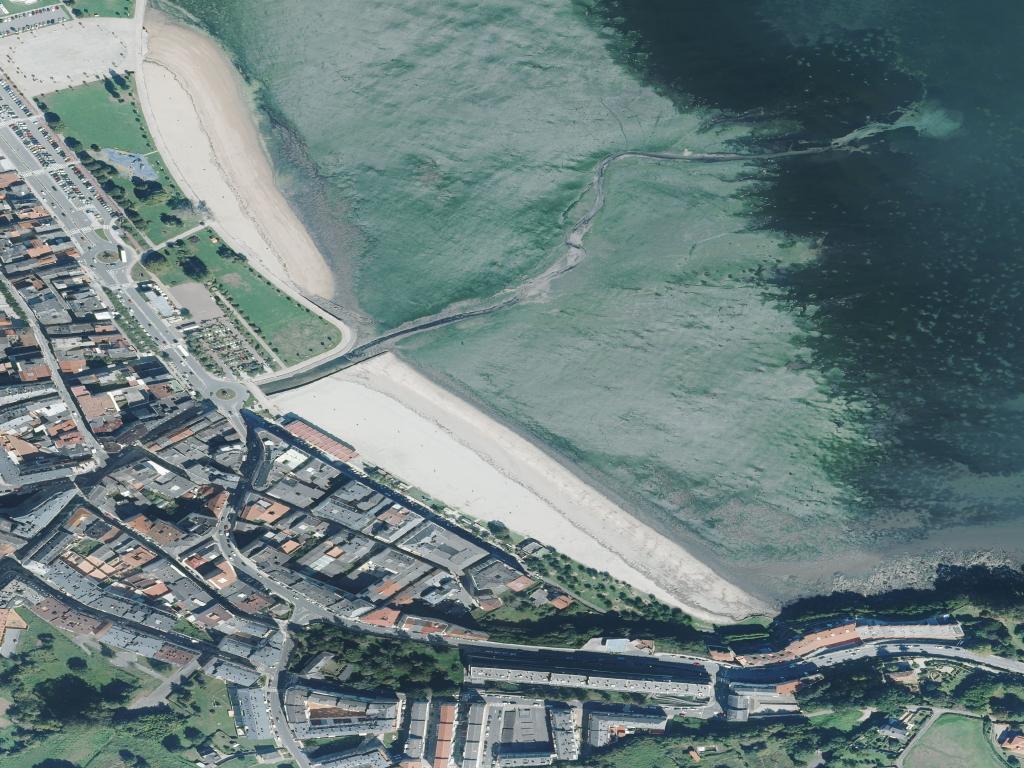
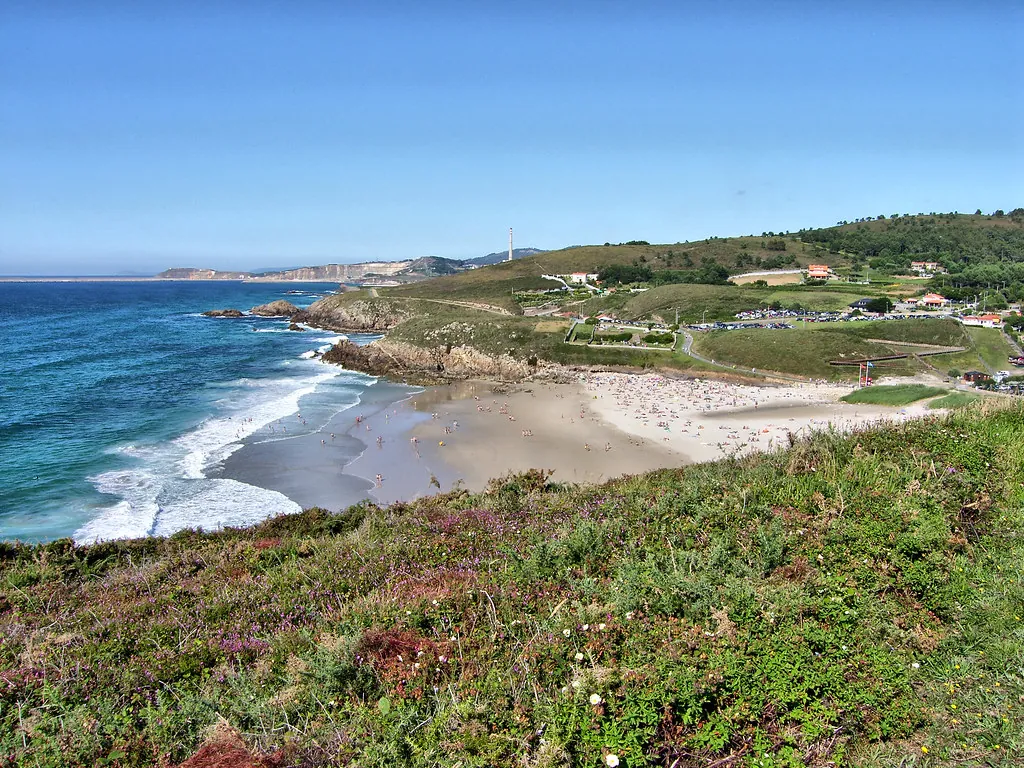
Barrañán is the first stop. A wooden boardwalk lifts you above the dunes so you can see the damage one weekend of flip-flopped feet can do: marram grass flattened, tiny round orchids exposed like loose change. Lifeguards plant a red flag most spring mornings; the surf here has a reputation for rips that pull laterally rather than out to sea, confusing even strong swimmers. On a flat day the beach stretches three kilometres, caramel sand ribbed by the last tide, and you can walk to the end without seeing a soul. On a rough day the same sand is peeled back to reveal a WWII tank trap—concrete cubes the size of garden sheds that nobody bothered to remove.
Sabón, the next cove, is more forgiving. A headland blocks the worst of the northerly swell, so the waves arrive tired and the water turns turquoise rather than steel grey. Behind the sand a row of 1970s apartment blocks faces the sea like a jury; ground-floor flats have been converted into cafés serving café con leche in proper cups, not glass tumblers. Weekday mornings pensioners in quilted jackets occupy the window tables, binoculars on the sill for counting passing freighters.
Valcobo is where the coast remembers it’s supposed to be dramatic. Cliffs resume, the sand gives way to boulders the shape of half-submerged VW Beetles, and every winter a different rock arch collapses. Local teenagers come here at dusk to smoke, the wind whipping their hoods into bishops’ mitres. Signs warn of “fondos marinos irregulares”—underwater potholes—yet surfers still paddle out because the reef can conjure a fast, hollow right-hander when the swell direction is exact. They keep ropes in their vans in case they need to be hauled up the 40-metre cliff afterwards.
What lies inland when the jacket goes back on
When the Atlantic loses its manners—and it will—you retreat inland. The parishes begin within five minutes’ drive: stone crosses, hórreo grain stores on stilts, and tiny chapels whose bells strike the quarter even when no-one is there to hear. Loureda has a Romanesque church whose south doorway is carved with a bearded man biting his own shins; guidebooks call him “the pagan warning” but the villagers say he’s simply cold. You can park beside the cemetery, walk a signed 5-kilometre loop along the River Barrañán, and be back before the clouds regroup. The path is pushchair-friendly, something Galicia rarely remembers to mention, and butter-yellow gorse flowers all year.
Industrial estates intrude on the horizon like meccano sets, but they have their own curiosity value. The Inditex complex is not open to shoppers—security guards turn away hopeful fashion students daily—but the staff canteen spills employees onto the pavement at 14:00 sharp, creating the town’s best impromptu tapas crawl. A white van sells churros dusted with sugar thick enough to write your name in, and a bar called O Quinito will plate you a half-ración of pulpo á feira if you admit you’re still full from breakfast. They keep an English menu under the counter for the twice-weekly technician who flies in from Luton.
Eating without the coastal markup
Sea-view restaurants exist, but locals eat inland where prices drop by a third. Pulpería Fonte de Traveso occupies a 1960s bungalow on the road to Pastoriza; octopus is chucked into boiling copper cauldrons visible through the serving hatch, then snipped with scissors at your table. Ask for a “media ración” and they’ll weigh out 250 g, enough for one without waste. If tentacles aren’t your thing, the same kitchen will fry eggs and chips—an unadvertised safety net for travelling children who have reached their chorizo limit.
Sunday morning brings a farmers’ market to the same crossroads. Stallholders speak Galician first, Spanish second, and will switch to accented English only when they spot a British car registration. Buy a fist-sized loaf of “pan de millo” (cornbread), still warm from the wood oven, and a jar of honey labelled with the beekeeper’s mobile number. Total cost: €4. The honey tastes of heather and eucalyptus, a combination that makes you understand why Galicians put it on everything from yoghurt to razor clams.
The practical bits nobody prints
Public transport is honest but thin. Trains run every thirty minutes to A Coruña until 22:30; after that a taxi costs €18 and drivers expect cash. Buses labelled “Arteijo” (the Castilian spelling) continue to the beaches only between June and September. Outside those months you need a car, and you need to remember that free parking beside Barrañán disappears when the surf school arrives at 10:30. Their minibuses take up six spaces each and the instructors will block you in without apology.
Accommodation divides into two categories: functional apartments aimed at Monday-to-Friday Inditex visitors, and rural houses turned into “casas rurales” with wood-burners and star-rated duvets. The latter are scattered among the parishes; GPS co-ordinates are more reliable than postcodes because Google still thinks some lanes are footpaths. Bring slippers—stone floors are beautiful and brutal in equal measure.
Rain is not a plot twist here; it’s background music. Even July can deliver a horizontal drizzle that finds the gap between scarf and collar. The local solution is to carry on regardless: surfers stay out until their fingers bleach, grandparents walk the dune boardwalk under golf umbrellas, and bar owners leave terrace heaters running at midday because they know the wind will defeat them later.
Leaving without the souvenir cliché
You won’t find fridge magnets shaped like Santiago’s shell. What you will find, if you walk the cliff path at dusk, is a coast that hasn’t decided whether it belongs to the wild or to the weekday world. Factories glow on the horizon while oyster-catchers whistle overhead; a Zara lorry downshifts on the inland road as a pod of dolphins surfaces beyond the breakers. That tension—between payroll and tide, between what you came for and what was already here—is Arteixo’s real keepsake. Take the train back to A Coruña just before dark; the carriage windows film with salt, and you’ll taste it all the way to the airport.