Full Article
about Culleredo
Ocultar artículo Leer artículo completo
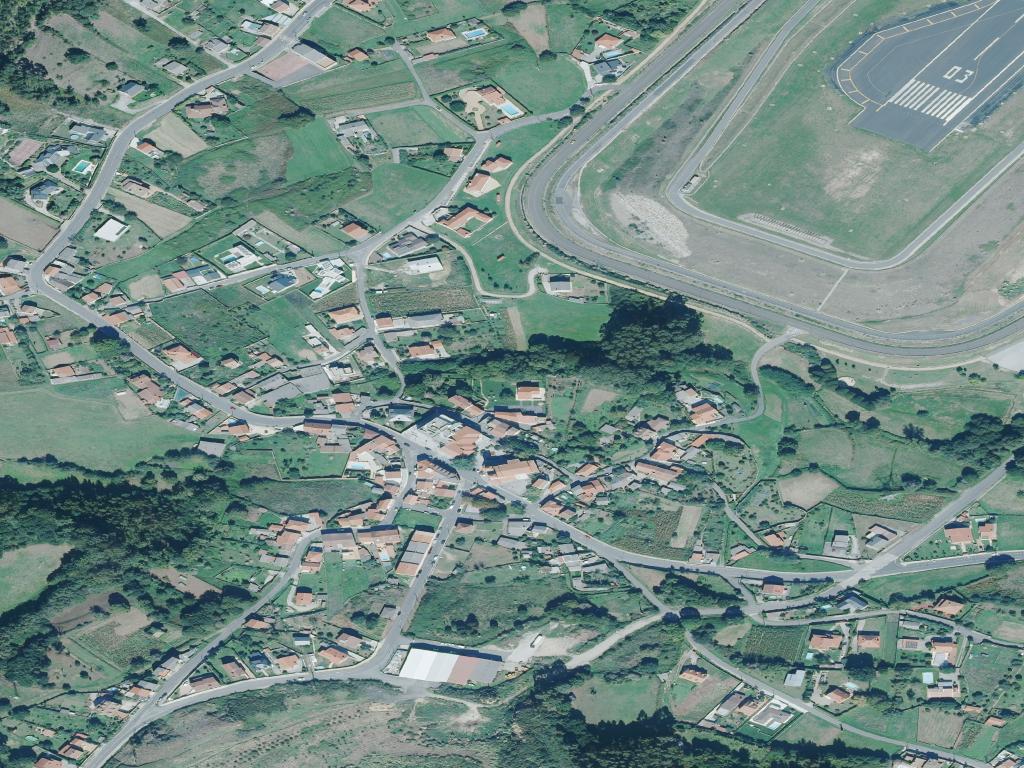
The Ryanair cabin crew announce "A Coruña" as the wheels hit tarmac, but glance left on final approach and you'll spot the stone crosses and slate roofs of Culleredo just metres from the perimeter fence. Spain's busiest regional airport sits inside this municipality, yet most passengers speed straight past on the AC-11 dual carriageway, bound for the city lights ten minutes west. Stop instead and you'll find a place caught between commuter belts and cow pastures, where taxi drivers know the shortcuts but walkers need OS instincts.
Between Runway and Ría
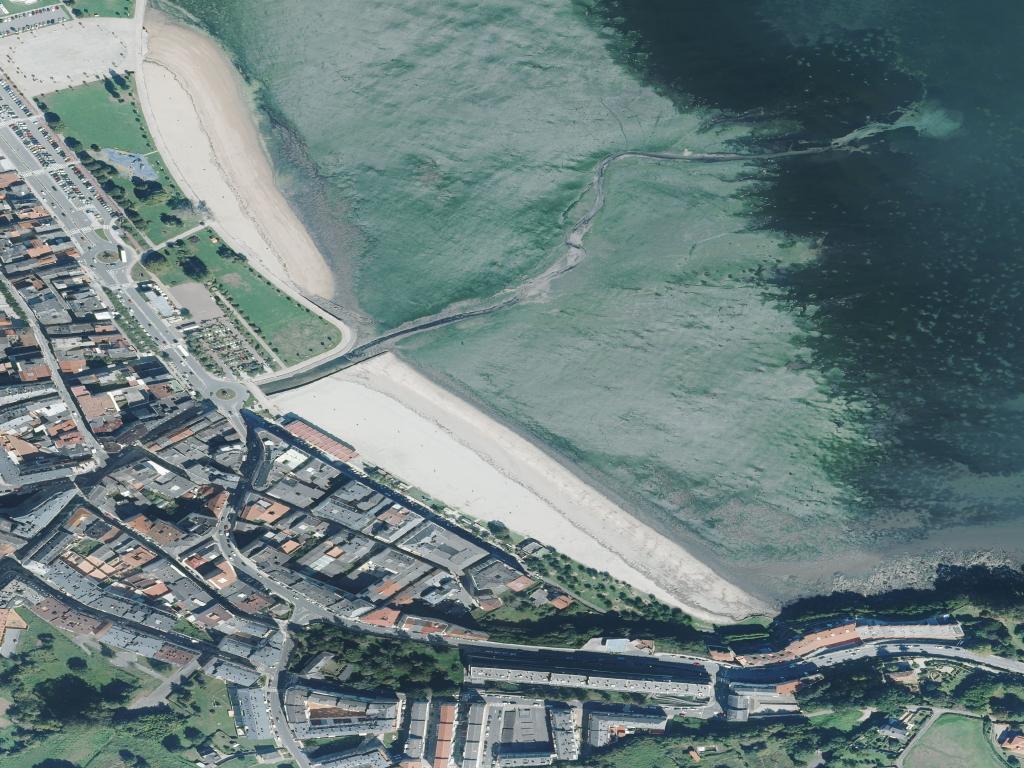
Culleredo isn't a single village – it's a patchwork of parishes strung along the Ría do Burgo estuary. The airport occupies the flat coastal strip; uphill, the lanes narrow to single-track between stone walls and eucalyptus groves. Morning flights from Stansted arrive before the Spanish working day begins, so early passengers share the roadside café with local fishermen ordering café con leche after checking their nets at O Burgo quay.
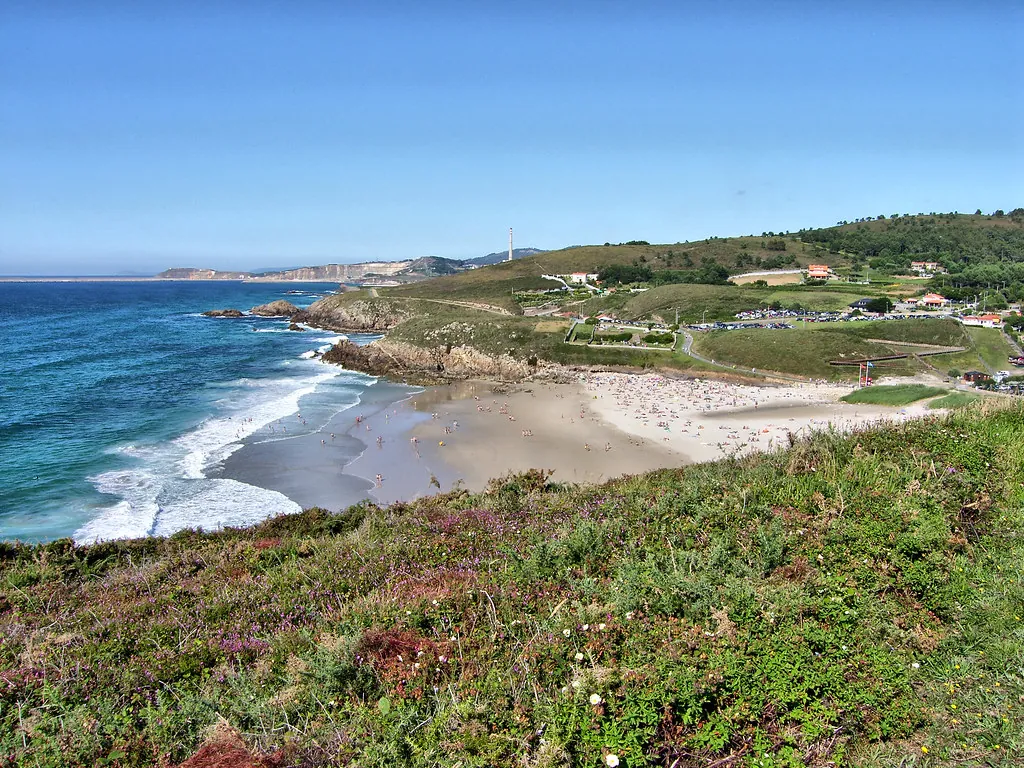
The estuary itself looks promising on Google Maps until you reach low tide. Then the water retreats to reveal a kilometre of caramel-coloured mud, glistening like treacle under Atlantic light. Kite-surfers love the afternoon thermal winds; swimmers should continue to nearby Santa Cristina beach (twenty minutes by bus) where the sand is proper yellow and lifeguards patrol in summer.
Parish Hopping without a Car
Public transport here means Arriva Galicia buses that leave the airport every thirty minutes for A Coruña, stopping at Culleredo Centro on request. Buy your ticket from the driver – contactless works, but carry coins as backup. From the bus stop it's a ten-minute walk to the medieval portico of Santa María de Rutis, partly hidden behind 1970s flats. The Romanesque doorway survived nineteenth-century renovations; touch the worn limestone capitals and you'll feel carved acanthus leaves smoothed by eight centuries of Atlantic rain.
Heading inland, lanes climb towards the parish of Angeredo where the seventeenth-century Pazo de Celas keeps watch over its former estate. You can't enter – the building remains in private hands – but the roadside view frames granite balconies against a backdrop of camellia trees. These manor houses once controlled the surrounding farmland; today they're surrounded by commuter estates where Galician families grow kiwi vines in suburban gardens.
Cyclists should note that "flat Galicia" stops at the coast. Secondary roads roll across low ridges; gradients rarely exceed eight percent but they come in waves. Hire bikes in A Coruña and bring GPS tracks – signposting favours drivers, not riders.
What Locals Eat between Flights
The British habit of airport sandwiches meets its match at Pastelería Rial on Rúa do Burgo. Their napolitana de chocolate tastes like a pain-au-chocolat that spent a year in Santiago de Compostela: flakier pastry, darker chocolate, half the price of Pret. Pair one with a café solo and you've joined the pre-work crowd.
For something more substantial, Mesón O Pote occupies a stone house opposite the tidal mill. Grilled sirloin arrives sizzling on a cast-iron platter, chips piled alongside. The menu offers English translations, useful when deciphering raxo (pork loin strips) or caldeirada (fish stew). Expect to pay €14-18 for a main; house wine comes in 500 ml carafes because Galicians believe moderation is relative.
Vegetarians face tougher choices – this is fishing country where pulpo (octopus) counts as tapas. Order empanada de zamburiñas (scallop pie) at your peril; the shellfish flavour permeates even the pastry.
When Convenience Outweighs Charm
Hotel Os Olivos sits two roundabouts from departures, its 24-hour reception staffed by night porters who've seen every 5 a.m. check-out emotion. British guests praise the included shuttle – book the night before or face a €20 taxi. Rooms overlook either the golf course or the industrial estate; request the former if jet noise bothers you. Rates hover around €75-90 year-round, cheaper than comparable city hotels and half the price of missing your flight.
Budget travellers can walk to Pensión Aeropuerto in ten minutes along a pavement that borders the runway fence. It's basic – think Travelodge circa 1998 – but you can roll out of bed at 4:30 a.m. and still reach security before the queue builds. Double rooms from €45; bring earplugs because Boeing 737s don't respect hotel quiet hours.
The Coastal Path that Isn't
Guidebooks hint at a coastal walk; reality delivers a concrete promenade from O Burgo to the treatment works. Pleasant enough for twenty minutes, but the smell of seaweed and diesel interrupts the romance. Continue past the yacht club and the path dissolves into a litter-strewn track beside the N-550. Better to head uphill on the old paved way towards Rutis, where hórreos (grain stores) stand on mushroom-shaped stilts in smallholdings. This is working countryside, not heritage theatre – expect barking dogs and the occasional tractor forcing you into the ditch.
Weather changes faster than UK regional forecasts. One April morning can begin with haar-like mist, shift to sunglasses warmth by coffee, then drench you in horizontal rain before lunch. Pack a compact umbrella even if the sky looks innocent; locals judge travellers by their preparedness, not their suntan.
Leaving without Regrets
Culleredo won't make anyone's "top ten Galician villages" list – it lacks the postcard plaza, the fishing fleet, the artisan ice-cream shop. What it offers instead is authenticity within airport shuttle distance: stone crosses older than England's cathedrals, bakeries where nobody speaks English, neighbourhoods where children still kick footballs against medieval walls. Treat it as a buffer day at the start or end of a longer trip, hire a car for two hours of parish-hopping, then continue to the dramatic coastline of Costa da Morte. You won't remember Culleredo for spectacular views, but you might recall the smell of eucalyptus after rain, the taste of just-fried churros at dawn, and the satisfaction of discovering somewhere useful rather than precious.