Full Article
about Sada
Hide article Read full article
A Summer Extension of A Coruña
The electric tram that once linked A Coruña with Sada stopped running in the mid-20th century. Older residents still remember its route hugging the edge of the ría. That line says a great deal about the relationship between the two places: for many years, Sada functioned as A Coruña’s summer extension.
This connection shaped the town’s appearance. Alongside traditional fishermen’s houses and port buildings, there are early 20th-century villas and even the occasional Modernist detail. They stand out in a place that for centuries relied mainly on fishing. The contrast is part of Sada’s character, where maritime life and summer architecture sit side by side without much fuss.
Life Shaped by the Ría
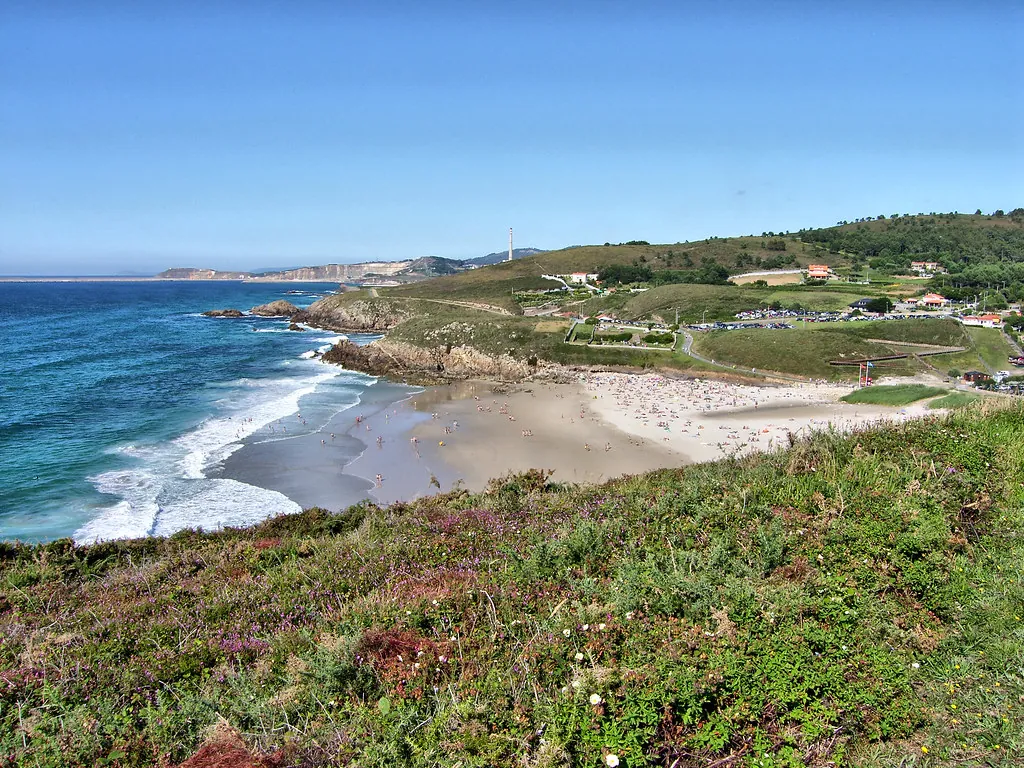
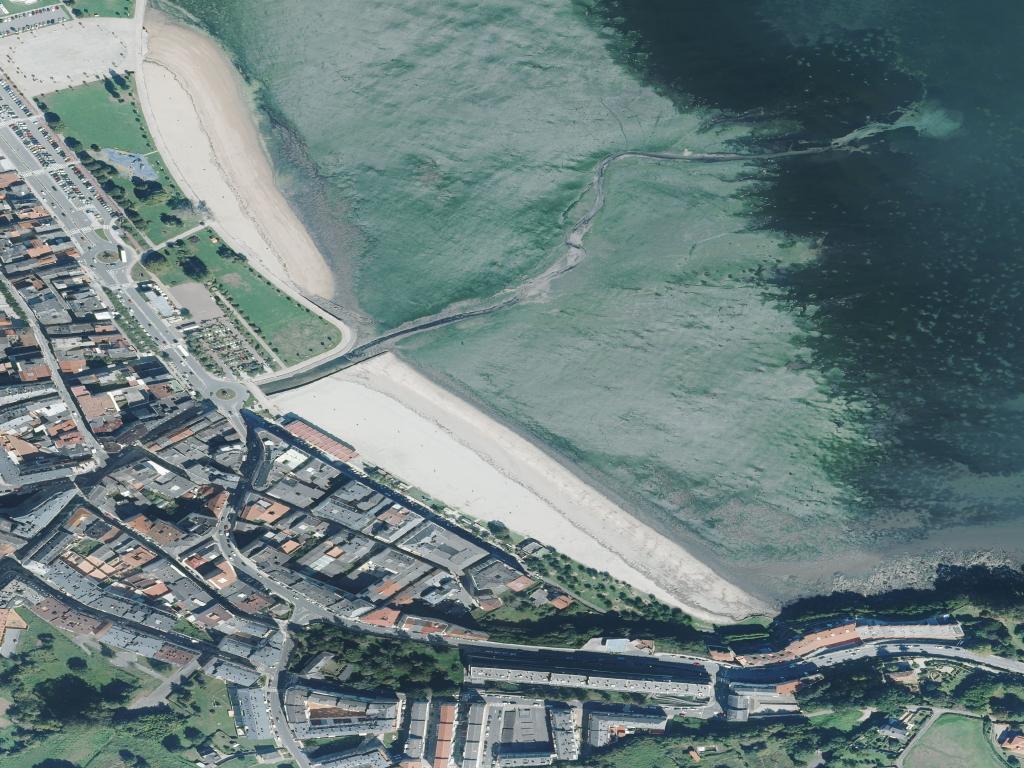
Sada opens onto the ría de Betanzos rather than directly onto the Atlantic. That distinction matters. The ría, a coastal inlet typical of Galicia, acts as a natural shelter. The water here is usually calmer than on the open coast, and the beaches, with their pale sand, stretch along small inlets facing inland.
This has not always been a quiet corner. In the hills surrounding the town there were once castros, fortified settlements from pre-Roman times that controlled navigation along the ría. One of them, known as O Castro, rises above the town itself. Much later came neighbourhoods tied to sardine fishing and to small coastal trading boats that moved goods between nearby ports.
By the late 19th and early 20th centuries, another chapter began. Well-off families from A Coruña built summer residences near the shore. In the area around Santa Cruz, examples of this domestic architecture still survive, with broad glass-fronted galleries and gardens looking out towards the water. These houses reflect a time when spending the warmer months by the sea became fashionable among the urban middle classes.
The Pazo de Meirás and Its Setting
A few kilometres from central Sada, in the parish of Meirás, stands the Pazo de Meirás. Much of the current complex dates from the reconstruction promoted by the writer Emilia Pardo Bazán at the end of the 19th century, using remains of earlier buildings. She turned it into a summer residence and a meeting place for intellectuals. Writers and professors were among those who attended her literary gatherings there.
The building is only part of the story. From the gardens, there are wide views over the ría and the valleys that descend towards it. The landscape helps explain why this stretch of coast was valued both as a point from which to watch the approach of ships and as a place to retreat from the city during summer.
On the road between Meirás and the town centre there is a small cemetery by the sea. It is not monumental, yet it is representative of many ría towns: white niches, plastic flowers stirred by the wind, and the line of water always in the background. The setting says as much about local life as any grand building.
Home Cooking by the Water
Sada’s food is closely tied to the ría. In local homes, caldeirada de pulpo “á sadense” is still prepared. It is a more homely version of the better-known pulpo a feira, the Galician octopus dish often served at fairs and festivals. Here, the octopus is combined with large chunks of boiled potato and finished in a light broth seasoned with paprika and olive oil, where it absorbs its final flavour.
Other products from the ría appear regularly on the table. Cockles, razor clams and mussels are common, along with small nécoras, a type of swimming crab, when in season. Some of this seafood ends up preserved in tins, a long-standing practice among fishing communities when rough seas or closed seasons interrupt the catch.
In the inland parishes, chestnut-based sweets still appear, particularly in winter. The main ingredient does not always come from nearby. Traditional baking adapts to whatever is available each year, reflecting a practical approach rather than strict rules about origin.
Walks Along the Lambre and the Seafront
The lower course of the river Lambre, which flows into the ría de Betanzos, offers one of the area’s most pleasant walks. Along the valley there are remains of old flour mills that relied on the force of the water for centuries. Some still have clearly visible walls and channels among the vegetation, quiet traces of earlier rural industry.
Closer to the town centre, a seafront promenade follows the edge of the ría with hardly any change in level. It begins around San Pedro beach and continues towards the marina. The walk is short and straightforward, the sort of route locals take in the late afternoon as the light shifts over the water. The setting is simple: sea, boats and the steady rhythm of daily life.
Getting There and Choosing the Moment
Sada lies just a few kilometres from A Coruña and is easily reached by road. Buses also connect the two municipalities frequently, which makes sense given the everyday ties between the city and the ría.
Summer brings a livelier atmosphere than the rest of the year. In mid-August, the fiestas of San Roque take place, with religious events and activity around the port. During these weeks, gastronomic days dedicated to local seafood are often organised as well.
Outside the summer season, Sada moves at a more ordinary pace. The advantage is space. The harbour, the beaches and the paths along the ría can be explored without many people around. That quieter rhythm allows a clearer sense of what this stretch of Galician coast is about: sheltered waters, modest architecture and a way of life long connected to the ría de Betanzos.