Baltar - Flickr
Xoan Baltar · Flickr 4
Galicia · Magical

Baltar

The fog rolls in without ceremony. One moment you're driving along the N-525, cresting the hills above Xinzo de Limia, and the next the world shrin...

849 inhabitants · INE 2025
m Altitude

Why Visit

Mountain

Best Time to Visit

summer

Full Article
about Baltar

Ocultar artículo Leer artículo completo

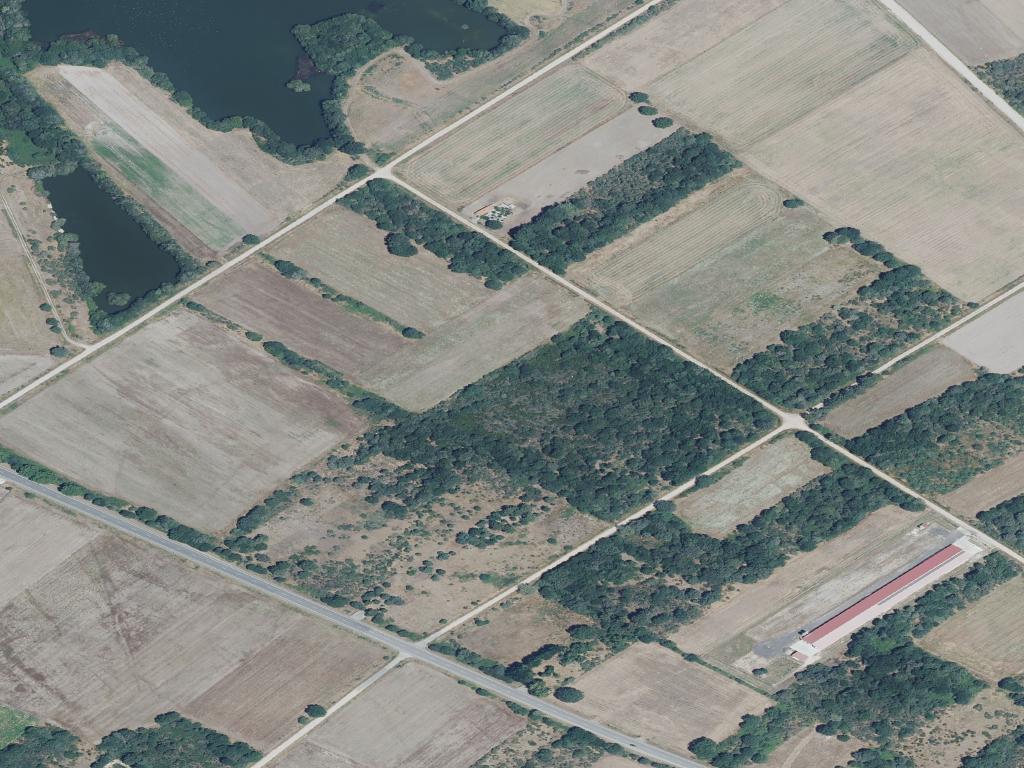
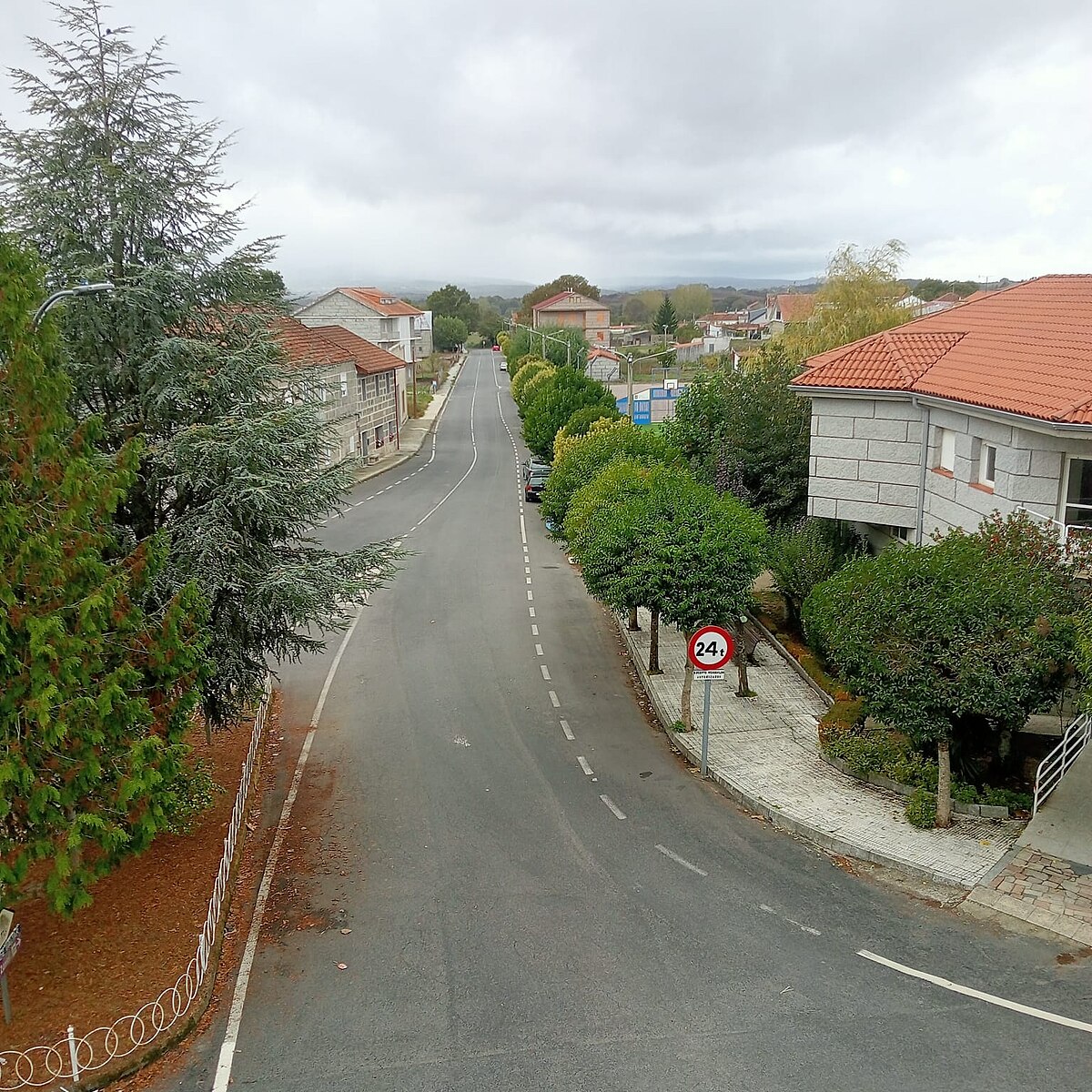
The fog rolls in without ceremony. One moment you're driving along the N-525, cresting the hills above Xinzo de Limia, and the next the world shrinks to a twenty-metre radius of grey nothing. At 700 metres above sea level, Baltar doesn't announce itself with dramatic vistas or postcard-perfect plazas. Instead, it emerges gradually: a granite farmhouse here, a stone cross there, the occasional blink of a tractor's orange light cutting through the mist.

This is farming country, proper farming country, where the potato fields of A Limia stretch so flat and wide they appear to curve with the earth's circumference. The village proper—if you can call it that—strings along several kilometres of country lanes, more a collection of parish clusters than anything resembling a town centre. Population signs read around 1,000, though that feels generous on a quiet Tuesday morning when the loudest sound is cattle lowing from behind stone walls.

The Lay of the Land

Altitude changes everything up here. While coastal Galicia swelters through humid summers, Baltar catches whatever weather's blowing across the Portuguese border. Spring arrives late, autumn early, and winter can lock the higher tracks in ice until March. The surrounding hills top out around 900 metres—not exactly Alpine, but enough to make your ears pop driving up from the valley floor.

Walking tracks exist, though they're more agricultural service roads than maintained paths. The PR-G 164 skirts the municipality boundary, connecting with longer routes towards Verín, but most visitors content themselves with wandering the lane network. A circular from the church through the outlying hamlets of A Igrexa and O Castro clocks in at five gentle kilometres, past oak groves and the occasional chestnut stand where locals still harvest in autumn. After rain—and it rains often—the clay soil turns treacherous, clagging boots with orange mud that weighs down each step.

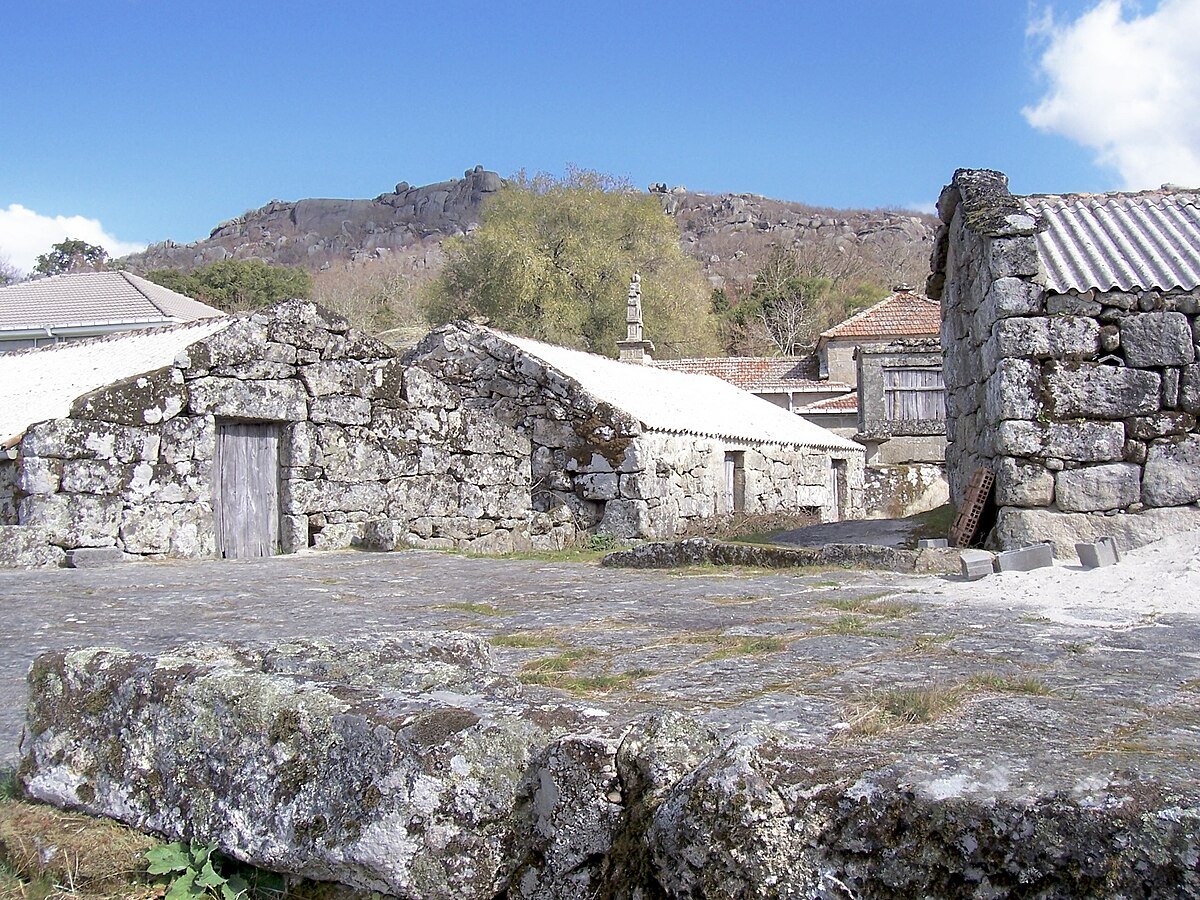
The granite architecture provides visual anchors throughout these wanderings. Not the grand cathedral stone of Santiago, but working granite: solid farmhouses with their haylofts cantilevered over ground floors, stone granaries raised on stumps to keep rodents at bay, roadside crosses marking junctions where tracks have met for centuries. Nothing's been restored for tourists; these buildings stand because they still serve their original purpose.

What Passes for Sights

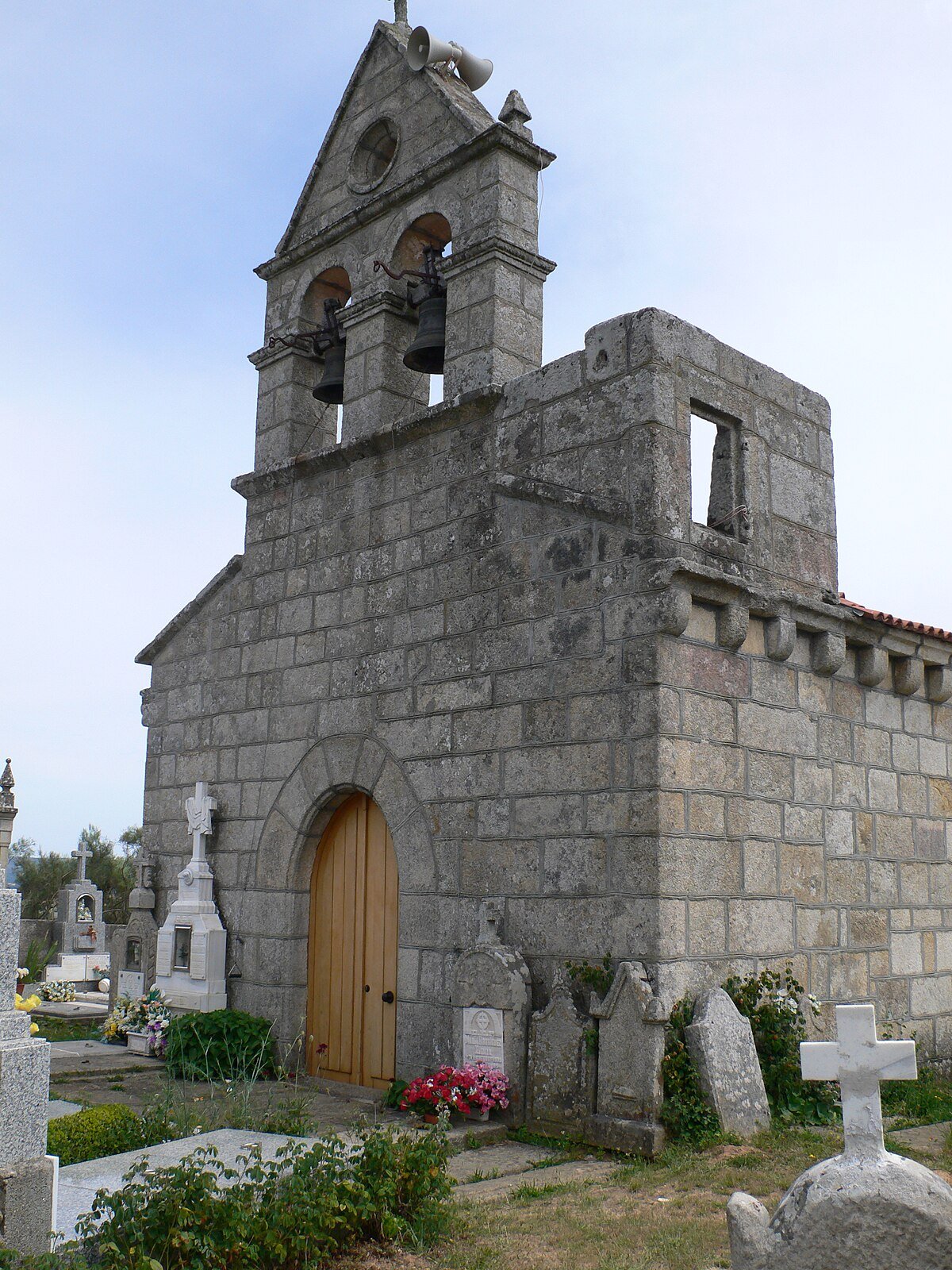
Baltar's parish church won't feature in any guidebook's top ten. Built from the same grey stone as everything else, it's notable mainly for its complete absence of ornamentation—a solid, square tower that's survived everything Atlantic weather systems could throw at it since the eighteenth century. The interior holds the standard Galician formula: baroque altarpiece, worn wooden pews, the lingering scent of beeswax and centuries of candle smoke.

More interesting are the working details scattered between farms. Stone walls divide fields with precision that would shame a surveyor, each rock fitted without mortar yet standing firm through decades of frost heave. Hay stores perch on mushroom-shaped pillars, their wooden slats weathered silver-grey. Occasionally you'll spot a horreo—the raised grain stores that are Galicia's architectural signature—though here they're functional rather than photogenic, often patched with corrugated iron where original wood has rotted away.

The landscape itself provides the main attraction. On clear days—and they do happen—the view south runs clear to the Portuguese mountains, layer upon layer of ridge fading to blue distance. Closer, the patchwork of potato fields, rye and cattle pasture spreads like a quilt sewn by someone who ran out of matching fabric. Colours shift with the agricultural calendar: bright green sprouting crops in April, golden stubble after July harvest, the rich brown of freshly-turned earth in October.

Eating and Drinking

Forget Michelin stars. Baltar's food scene runs to one café-bar attached to the petrol station on the OU-113, where truckers stop for coffee and bocadillos filled with local ham. The menu changes according to what's available—perhaps tortilla made with eggs from the owner's hens, or caldo gallego thick with potatoes and greens grown within sight of the door.

Better options lie twenty minutes down the road in Xinzo de Limia, but that misses the point. Self-catering visitors should stock up at the Thursday market in Xinzo, where A Limia potatoes—protected designation of origin, no less—sell alongside wheels of tetilla cheese and chorizos smoked over oak fires. Farm eggs appear on unofficial honour-system stalls along country lanes: take what you need, leave two euros in the tin.

The local wine isn't local at all but comes from Ribeiro or Valdeorras, brought up by travelling salesmen who service the village's two shops. Both close for siesta, naturally, and neither stocks anything approaching a vintage, but the house whites cost under four euros and taste perfectly acceptable with bread, cheese and a view across the valley.

Practicalities Without the Brochure Speak

Getting here requires wheels. Public transport reaches Xinzo de Limia, eight kilometres distant, but from there you're dependent on taxis that need booking a day ahead. Hire cars from Vigo airport—ninety minutes west—give maximum flexibility, though remember this is motorway driving only until Ourense, after which it's single-carriageway mountain roads where logging trucks set the pace.

Accommodation means staying elsewhere. Baltar itself offers nothing beyond a casa rural that opens sporadically when the owners feel like visitors. More reliable options cluster in Xinzo or head towards Ourense city, forty minutes away. Day-tripping works better; the village reveals more in repeat visits than in any extended stay.

Weather demands respect. Summer afternoons might touch thirty degrees, but pack a fleece regardless—temperatures drop ten degrees the moment clouds obscure the sun. Winter brings genuine cold: sub-zero nights from December through February, with snow closing the higher passes several times each season. Spring fog reduces visibility to nothing without warning; drivers should carry emergency supplies and never trust GPS estimated arrival times.

Mobile reception proves patchy once you leave the main road. Vodafone cuts out entirely in the valley bottoms; Orange and Movistar fare marginally better. Download offline maps before arrival, and don't assume you'll be able to call for help if you wander too far from the car.

The Reality Check

Baltar rewards patience and punishes expectations. Visitors seeking rustic charm will find instead the messy reality of working agriculture: slurry spreaders blocking lanes, dogs that bark continuously from dawn, the pervasive smell of silage on still days. Weekends bring quad bikes and hunting parties, not quiet contemplation of rural life.

Yet for those content to simply exist in landscape, to walk without destination and observe without agenda, the village offers something increasingly rare: authenticity without performance. Nobody's tidied up for tourists because tourists barely register. The elderly man driving his Seat 600 to collect bread at eleven each morning isn't living heritage; he's living his life, and you're incidental to it.

Come for the walking, stay for the understanding that places like Baltar don't exist for your entertainment. They exist because families have worked this land for generations, and will continue long after you've driven back down the mountain. The fog will roll in again tomorrow, and the potatoes will need planting regardless of whether anyone's watching.

Key Facts

Region
Galicia
District
A Limia
INE Code
32005
Coast
No
Mountain
Yes
Season
summer

Livability & Services

Key data for living or remote work

2024
ConnectivityFiber + 5G
HealthcareHealth center
EducationElementary school
Housing~5€/m² rent · Affordable
Sources: INE, CNMC, Ministry of Health, AEMET

Planning Your Visit?

Discover more villages in the A Limia.

View full region →

More villages in A Limia

Traveler Reviews