Full Article
about Bande
Hide article Read full article
First impressions by the Limia
Bande is the sort of place that barely registers if you drive straight through. A couple of bends in the road, water glinting in the distance, scattered houses, and then you are on to the next stretch. Stop the car, though, and take a slower look. The reservoir comes into focus, Roman remains sit close to the shore, and villages appear and disappear among meadows. Tourism in Bande is about following that thread and seeing how the pieces fit together.
This municipality in A Limia lives closely tied to the river Limia and the As Conchas reservoir. There is no compact historic centre packed with streets to wander for hours. The rhythm here is different. Visitors tend to move between parishes, pull over at improvised viewpoints by the water and try to understand how the construction of the reservoir reshaped everything around it. Much of the present landscape revolves around that decision.
Aquis Querquennis and traces of the past
The best-known site in Bande is Aquis Querquennis, and with good reason. This former Roman camp stands beside the reservoir, in a setting that feels quiet today but must have been strategic around two thousand years ago. The remains make its layout relatively easy to grasp: sections of wall, the lines of streets, and the footprints of military buildings still mark out the enclosure.
The reservoir has a direct impact on any visit. When water levels drop, structures that are usually hidden come back into view. At other times they lie submerged and the whole site looks different. Some people return more than once for precisely that reason, because the landscape never presents itself in exactly the same way twice.
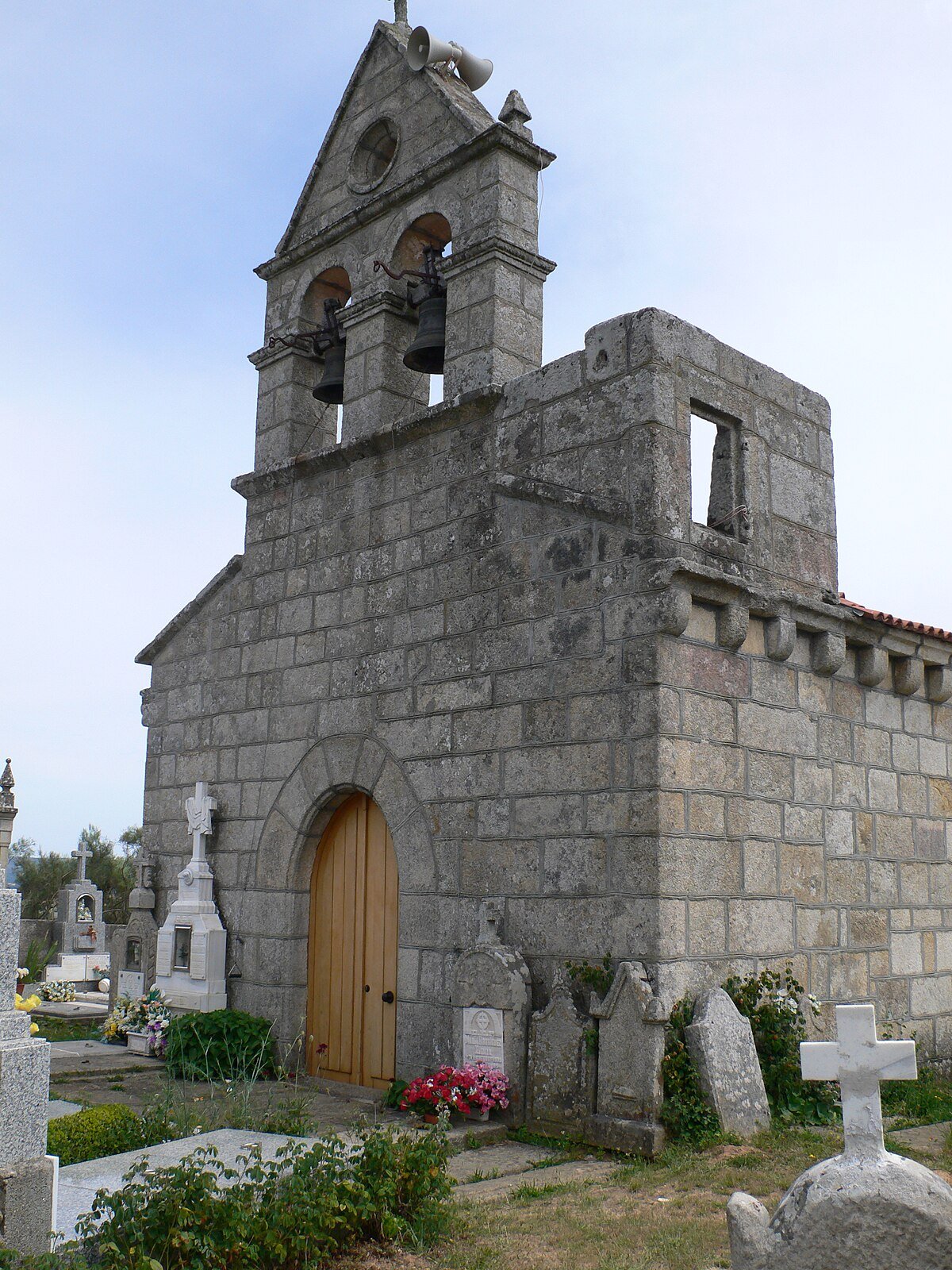
Close to the camp, the church of Santa María is often mentioned. It is one of those simple rural churches that sit comfortably in their surroundings. It is not an imposing monument, yet it helps to explain how life settled here long after the Romans left.
In the wider area there are also petroglyphs and smaller archaeological remains. Patience helps. Many are not clearly signposted and access can involve rural tracks or paths that do not appear clearly on maps. Asking local residents remains the most direct way to track them down.
The reservoir that defines Bande
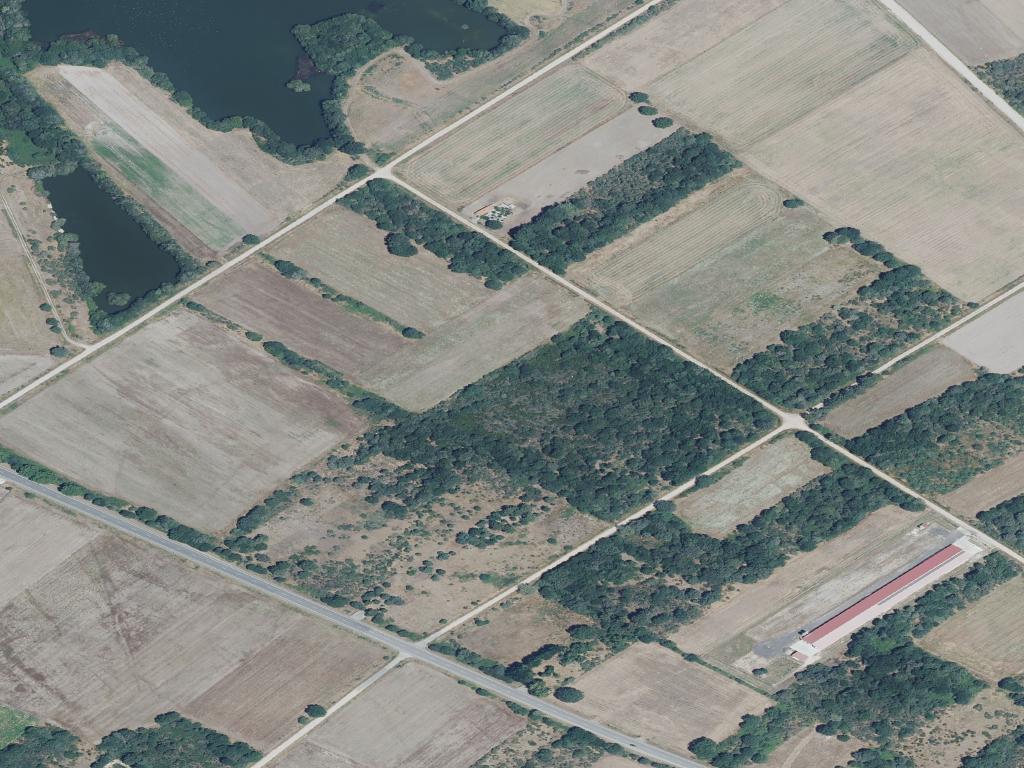
The As Conchas reservoir shapes the identity of Bande. It is not a fixed, mirror-like lake that looks the same in every photograph. Water levels rise and fall noticeably depending on the season, and that fluctuation alters the shoreline.
Secondary roads skirt the edge of the reservoir and small turn-offs allow drivers to stop and look out over the water. At times, stretches of earth and rock open up between the vegetation. At other moments, the water covers everything. That contrast is part of the character of the place.
The reservoir also attracts those who enjoy watching aquatic birds. In certain periods of the year, especially during migration, a variety of species pass through the area. Binoculars are useful if this is of interest.
Between parishes and along rural tracks
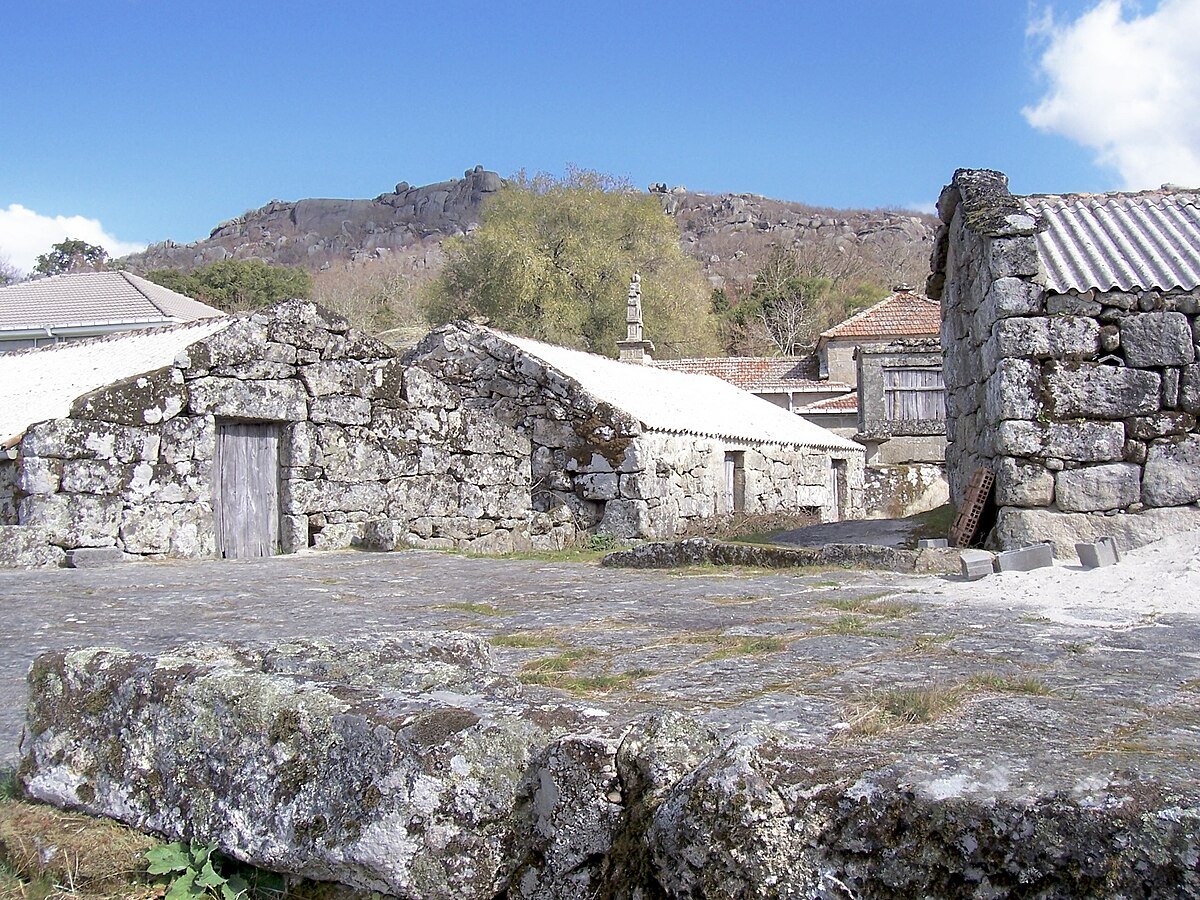
Another way to understand Bande is to leave the car behind for a while and walk along the tracks that link its villages. These are not grand, waymarked hiking routes. They are rural paths that have existed for decades because someone needed to reach a meadow or move livestock.
Walks here tend to be quiet, with little traffic and wide views over open countryside. Respect matters. Many of these tracks still serve agricultural or livestock purposes, and daily life has priority.
Food in this part of Ourense is straightforward and filling. Beef features prominently, as does game in season, and the dishes are substantial rather than elaborate. It is the sort of cooking that suits a morning spent outdoors and leaves the sense of having eaten properly.
Practical notes before you go
Bande is not a destination where everything sits in one place. Its parishes are scattered and distances can be deceptive. On a map they may look short, yet winding secondary roads can stretch the journey time.
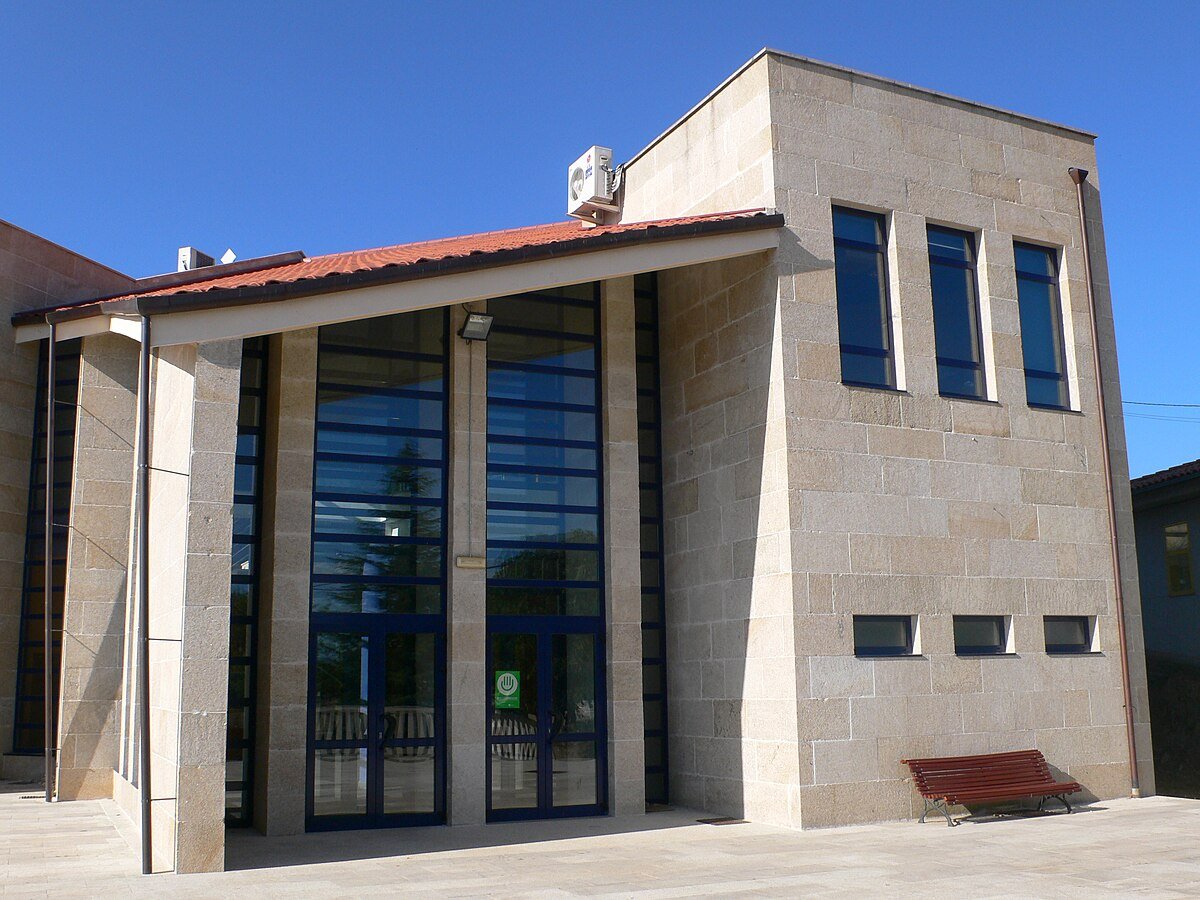
Anyone planning to visit the interpretation centre at Aquis Querquennis should check opening times in advance. They do not always align with what might be assumed when sketching out a day trip.
One further detail has a significant effect on the experience: the level of the reservoir. When the water is low, ruins emerge and broad banks appear, creating what feels like an altered landscape. When it is high, the water covers much of the shore and the scene becomes more uniform.
If time is limited, a simple approach works well. Head first to the Roman camp at Aquis Querquennis, then take an unhurried drive along one of the roads that border the As Conchas reservoir. In a couple of hours it is possible to gain a clear sense of how this corner of A Limia functions. After that, the decision is whether to return with more time and look a little deeper.