Full Article
about Entrimo
Hide article Read full article
Entrimo es el pueblo que te recibe con un charco
Llegas por una carretera comarcal que se va encogiendo, rodeada de robles, y lo primero que piensas es: "aquí no para nadie". Y casi aciertas. Entrimo no tiene una plaza mayor monumental ni un mirador con baranda de madera. Tiene algo mejor: la sensación inmediata de haber llegado a un sitio que funciona por su cuenta. El turismo aquí no es una industria; es algo lateral, que ocurre porque hay montaña, ríos y un silencio que se nota.
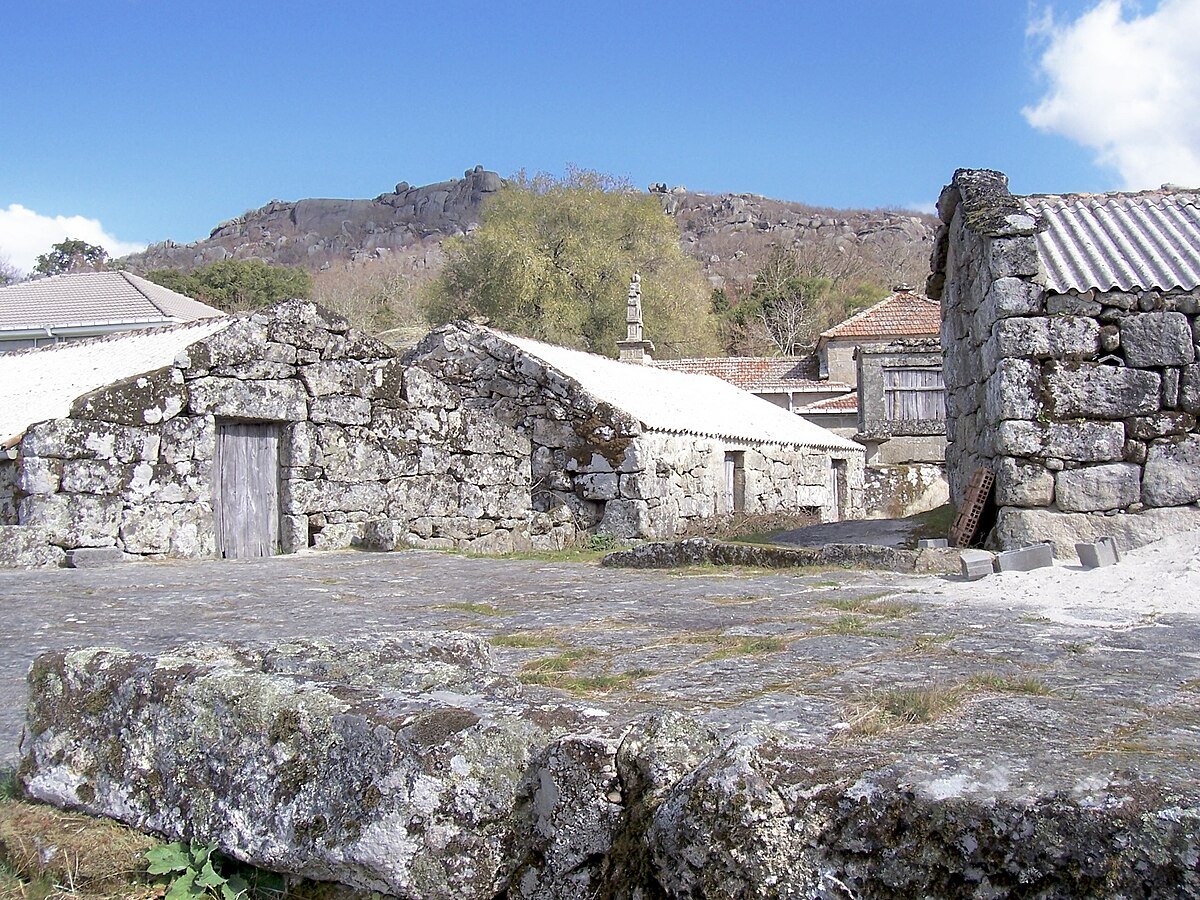
Con poco más de mil habitantes repartidos en parroquias minúsculas, esto es pura Galicia rural. Las casas están desperdigadas, cada una con su hórreo y su huerta. El río Salas le pone banda sonora a todo el valle. No vengas con prisa. La gracia está en lo contrario.
Una frontera sin aspavientos
Estamos en el suroeste de Ourense, rozando Portugal. Tan cerca que, desde algunas lomas altas del municipio, el paisaje gallego se funde con el del parque natural portugués de Peneda-Gerês sin que notes el cambio.
No hay carteles de "Mirador Internacional". En su lugar, hay pistas forestales que suben hasta cortes en la boscosidad donde, de repente, se ve todo. O días en los que la niebla lo tapa en cinco minutos. Esa dualidad define la zona. Si el día está claro, paras el coche en cualquier ensanchamiento de la pista y ahí está: otro país a unos kilómetros.
Caminar es la única opción seria
En Entrimo no hay "rutas señalizadas" al uso. Hay caminos. Los de toda la vida, que unen aldeas o trepan hacia las brañas ganaderas. Muchos tienen pendientes serias y piedra suelta bajo los pies –lleva calzado que agarre–.
Subir hasta zonas como el Alto do Leboreiro ayuda a entender la geografía de frontera. Desde arriba, las laderas gallegas y portuguesas parecen una sola cosa, como si los mapas se hubieran inventado después.
Y luego está el río Salas. En algunos tramos bajos, la gente local baja en verano a remojarse los pies o pasar la tarde. El agua viene fría incluso en agosto; avisado estás.
Lo interesante está en los detalles
Lo que cuenta aquí son las huellas del día a día rural: muros de piedra seca perfectamente encajados, fuentes antiguas donde sigue llenándose la botella, rebaños de ovejas cruzando una pista al atardecer.
La economía local todavía pasa por el bosque: setas en temporada, castañas en noviembre... La cocina va por ahí también. Es comida contundente para quien ha andado: carne local, guisos sencillos y ese postre con miel del lugar que parece hecho para reconfortar.
El año tiene sus momentos
En agosto hay fiesta (Santa María), pero es una celebración vecinal, sin pretensiones. La cita fuerte llega con el otoño y el magosto: asar castañas en una hoguera mientras prueba el vino nuevo. En muchos sitios esto es un evento; aquí es solo lo que toca hacer cuando llegan las primeras lluvias frías.
La primavera y el otoño son probablemente las mejores épocas para venir. Los colores del bosque son intensos y no hace tanto calor para caminar.
El verano alarga los días y anima a buscar el río. El invierno puede ser húmedo y gris; muchos caminos se ponen blandos como un budín. No es un impedimento, pero conviene saberlo antes de planear una gran ruta.
Llegar y moverse requiere cierto acuerdo tácito
Desde Ourense se toma la N-540 hasta cerca de Lobeira, donde empiezan las carreteritas locales que serpentean hasta Entrimo. Son estrechas y lentas; olvídate del cronómetro.
Dentro del municipio hay muchas pistas rurales cuyo estado depende mucho de cuándo haya pasado por última vez el tractor o caído un chaparrón.
El aparcamiento sigue una lógica no escrita: se deja el coche donde no estorbe –nunca cerrando un paso ni una cancela– y siempre dejando espacio para que pase maquinaria agrícola. No hay parkings diseñados; hay sentido común.
Entrimo no te golpea con su belleza. Es más sutil: después de unas horas caminando entre sus aldeas silenciosas y sus montes bajos, algo hace clic. Te das cuenta de que has estado en un lugar con los pies muy firmes sobre la tierra