Full Article
about Lobeira
Hide article Read full article
Lobeira: entre a Limia e Xurés
Para entender Lobeira, conviene empezar por su posición en el mapa. El municipio se sitúa al sur de la comarca de A Limia, lindando con Portugal y con las primeras estribaciones de lo que hoy es el parque natural Baixa Limia–Serra do Xurés. Es un territorio de transición. Hacia el norte se extiende la llanura agrícola de A Limia; hacia el sur, el terreno se quiebra en un paisaje más abrupto, tallado por el agua y el granito.
Esa cercanía a la frontera ha marcado su historia. Durante siglos, caminos locales conectaban las aldeas vecinas y permitían cruzar la raya hispano-portuguesa. El resultado es un poblamiento disperso. Las pequeñas aldeas se mantienen separadas entre sí, entre lomas bajas, regatos y tierra de labor.
Un paisaje sin guión turístico
Lobeira es un municipio de interior sin estructura turística organizada. No hay museos ni equipamientos pensados para un flujo constante de visitantes. Lo que se encuentra es algo más silencioso y funcional: aldeas donde la arquitectura tradicional sigue formando parte de la vida diaria.
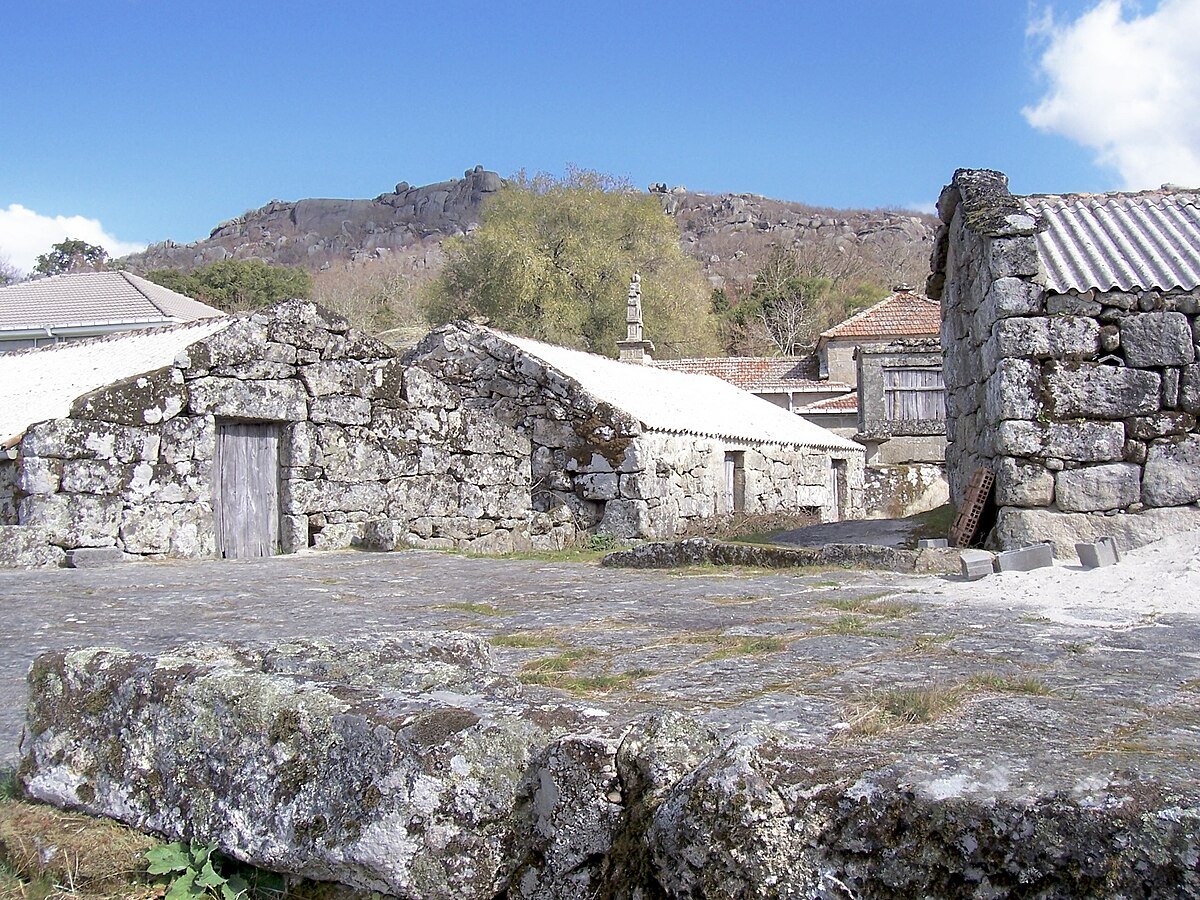
Las casas de piedra definen el paisaje construido, acompañadas a menudo por hórreos y algún cruceiro. Estos elementos forman el núcleo de cada asentamiento. En las zonas más húmedas, aún se distinguen vestigios de antiguos molinos y canales, que aprovechaban el caudal de los arroyos cercanos.
Muchas huertas siguen en uso, lo que da al conjunto un carácter habitado. No es un decorado preservado, sino un espacio en funcionamiento, donde el paisaje cumple una utilidad práctica.
El entorno combina soutos de castaños, prados abiertos y pequeños cursos de agua. En años lluviosos, se forman pozas naturales en algunos arroyos. Algunas se usan para el baño en verano, aunque el nivel del agua varía mucho según la estación.
Aldeas, miradores y patrimonio cotidiano
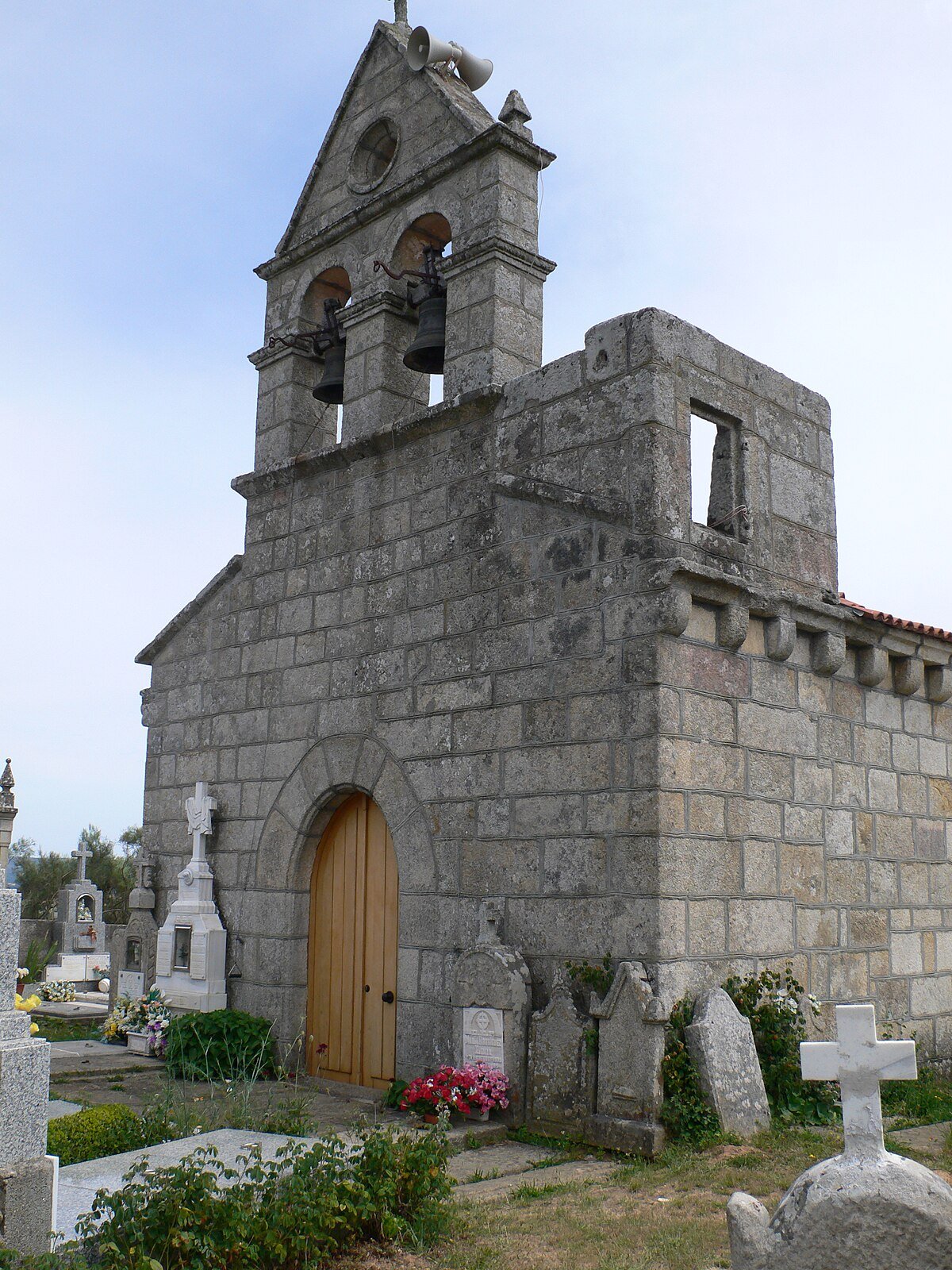
La iglesia parroquial de San Martiño se levanta en la aldea principal de Lobeira. Es una construcción sencilla de piedra, con una espadaña que sobresale del pequeño conjunto de casas próximas. Su importancia reside menos en el detalle arquitectónico y más en su posición dentro del asentamiento. El cementerio y parte de la vivienda más antigua se organizan a su alrededor, lo que da una idea de cómo creció la aldea.
Para comprender mejor el municipio, conviene salir de la aldea principal y acercarse a lugares como Torneiros, Rebordelo o Chandrexa de Abaixo. Estas aldeas muestran los rasgos habituales de la arquitectura rural gallega: corredores de madera, muros de mampostería y lindes de piedra que marcan los límites de las propiedades.
En las partes más húmedas del territorio, se pueden identificar restos de molinos arruinados y estrechos canales de agua. No siempre son evidentes, pero ofrecen pistas sobre cómo se gestionaba el caudal antes de que se generalizara la mecanización del campo.
En un punto más alto del municipio está el mirador conocido como Cruz de Lobeira. Desde allí, la vista se abre hacia el valle y hacia las sierras de Xurés, que hacen de frontera natural con Portugal. El contraste entre la tierra llana de labor y el terreno que se eleva resulta especialmente claro desde esta posición.
Caminar las sendas entre aldeas
Gran parte del interés de Lobeira está en su red de caminos que unen unas aldeas con otras. Estas rutas se usaban originalmente para el trabajo cotidiano, conectando campos, bosques y molinos, no como senderos señalizados para visitantes.
Recorrer estos caminos no requiere una preparación especial, pero sí cierta orientación. En algunos cruces, las veredas se bifurcan y multiplican, y no siempre hay una señalización clara.
La proximidad del parque natural Baixa Limia–Serra do Xurés permite alargar el paseo hacia un terreno más montañoso. El paisaje cambia según se avanza en esa dirección. La tierra cultivada se vuelve menos frecuente, sustituida por matorral y ladera despejada. Desde los miradores naturales se contempla la vertiente portuguesa de la frontera.
Antes de salir
Lobeira es un municipio pequeño, y la aldea principal se recorre en poco tiempo. El verdadero interés está en moverse entre aldeas y prestar atención a los detalles del paisaje.
Las condiciones del día de la visita cambian la percepción del lugar. Con tiempo seco, los arroyos llevan menos caudal y algunos molinos antiguos pasan desapercibidos. La niebla baja o la bruma dan al entorno un ambiente más recogido y silencioso.
Una visita breve de una o dos horas basta para recorrer la aldea principal y llegar a un asentamiento cercano. Con más tiempo, es posible enlazar varios caminos rurales y continuar hacia las lomas circundantes.
Cuándo ir y notas prácticas
La primavera y el otoño suelen ser las épocas más cómodas para caminar. La vegetación está activa y los arroyos tienden a llevar más agua. El verano trae días largos y temperaturas más altas, aunque las zonas sombreadas de los soutos ofrecen cierto alivio. El invierno es más húmedo, con días cortos, y algunos caminos pueden embarrarse.
El tiempo influye mucho en cualquier visita. Tras varios días de lluvia, el paisaje se percibe más intenso, aunque algunos tramos pueden estar resbaladizos.
El acceso desde Ourense suele hacerse por la N-540 hacia el sur, tomando después carreteras locales en dirección a A Limia. Los últimos tramos discurren por carreteras secundarias que conectan las distintas aldeas.
El calzado adecuado marca la diferencia. Convienen zapatos cerrados con buen agarre, sobre todo en terreno húmedo cerca de arroyos o antiguos molinos.
Un error común es pensar que el municipio puede recorrerse íntegramente en coche. Muchos de los caminos son viales agrarios o forestales y no siempre son transitables con facilidad. Suele ser más práctico dejar el coche en una aldea y continuar a pie.
Otro punto a tener presente es que gran parte del terreno es de uso privado agrícola, por lo que el movimiento por la zona debe hacerse por los caminos existentes, sin cruzar campos libremente.