Full Article
about Rairiz de Veiga
Ocultar artículo Leer artículo completo
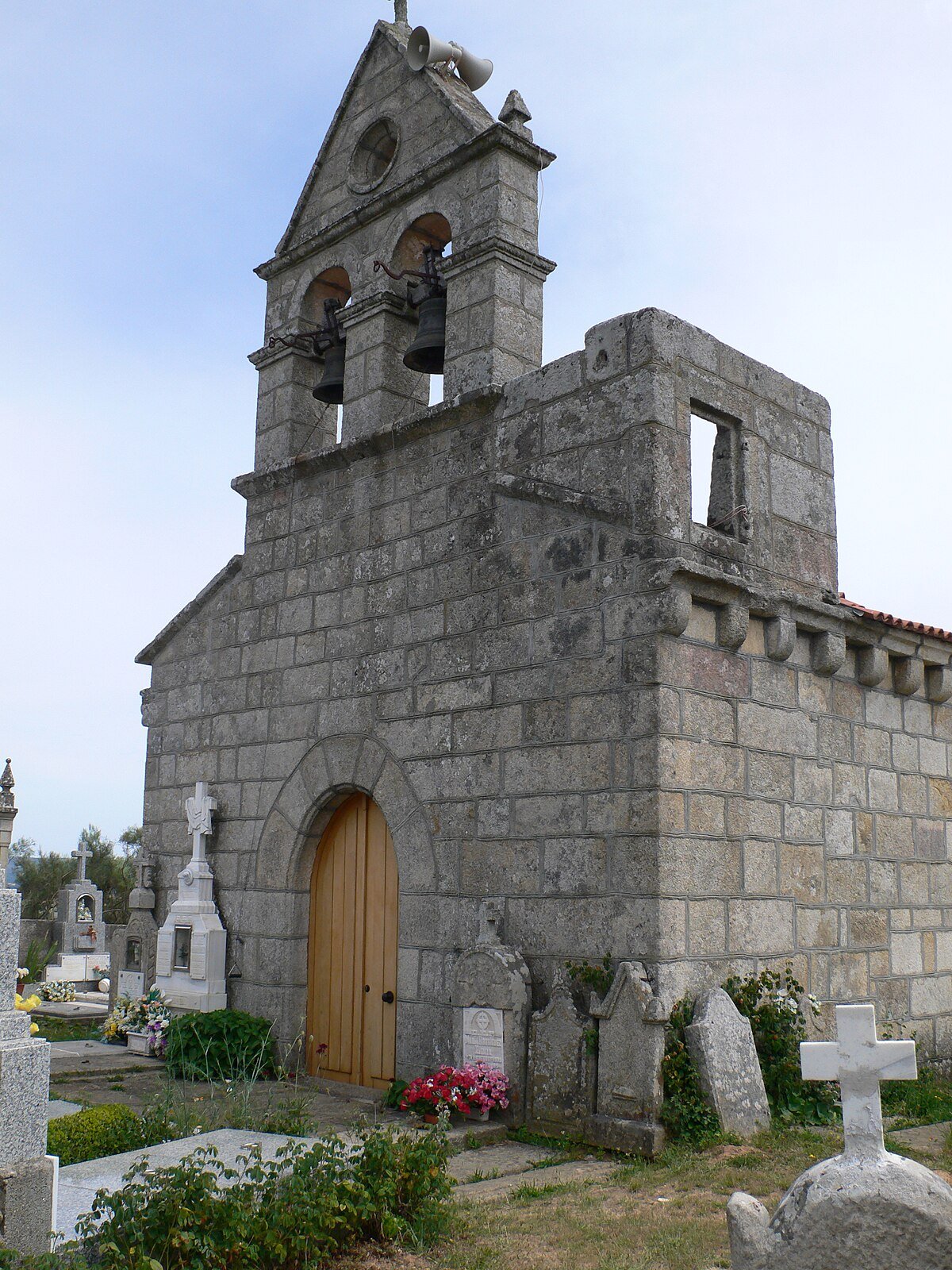
The stone church of San Miguel appears suddenly against a backdrop that seems to stretch forever. One moment you're driving through endless potato fields, the next this Romanesque structure emerges—its weathered walls the only vertical interruption for miles. This is Rairiz de Veiga, where the word 'horizon' takes on new meaning in A Limia's agricultural basin.
The Territory, Not the Destination
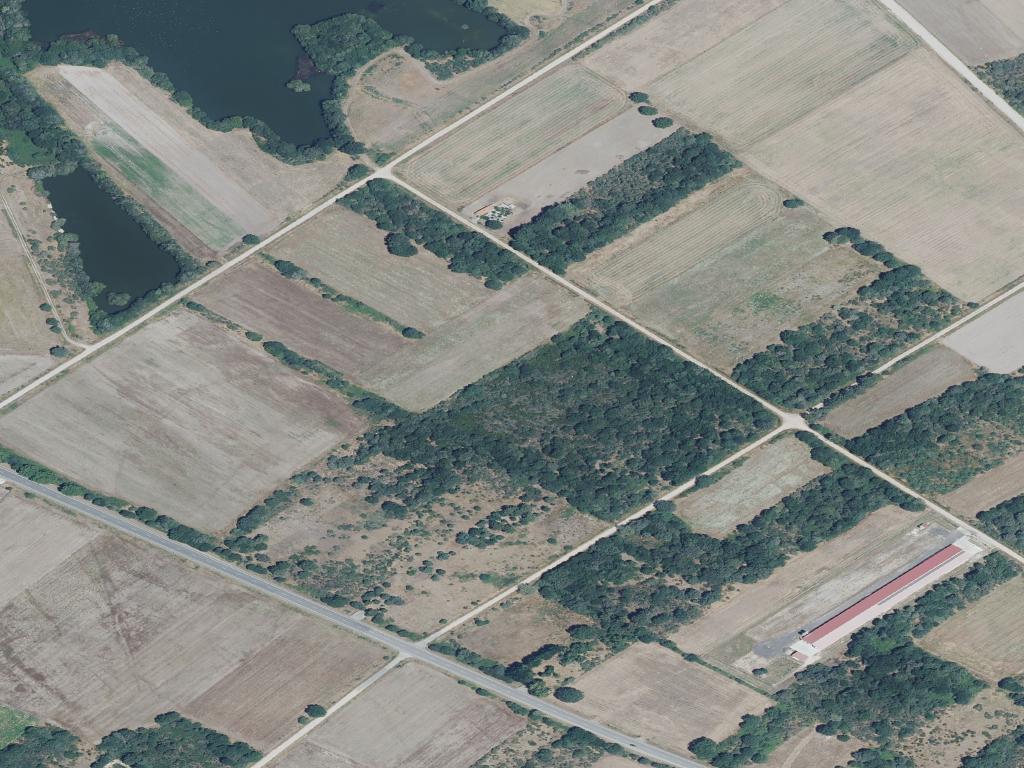
Rairiz de Veiga isn't a place that announces itself with dramatic fanfare. The village sits 40 kilometres inland from Ourense, occupying a flat plain where Galicia's usual undulations give way to something approaching a Dutch landscape. At 650 metres above sea level, the altitude creates a climate that's noticeably cooler than coastal Galicia—winter mornings often start with frost, while summer afternoons can feel surprisingly harsh under an unobstructed sun.
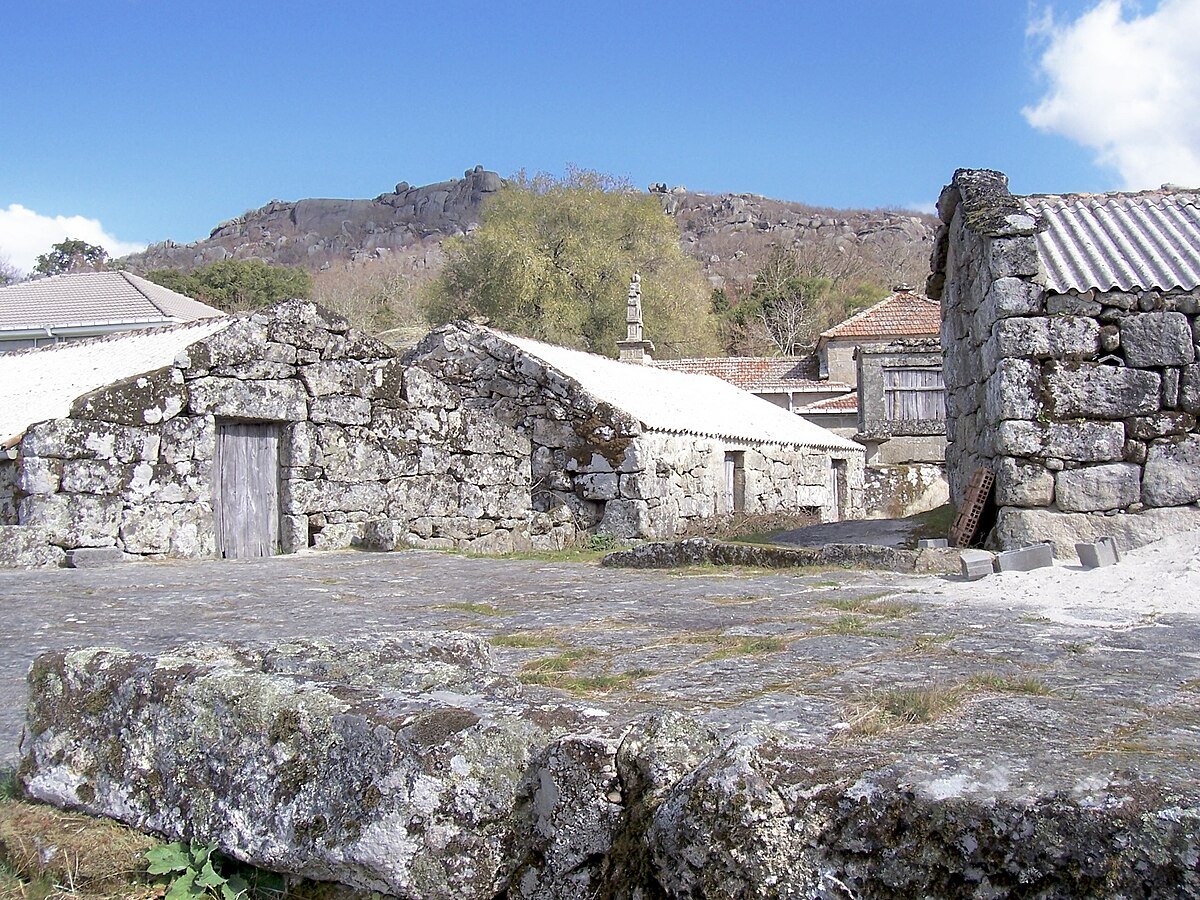
The municipality comprises scattered hamlets connected by secondary roads that farmers use more than tourists. Stone granaries called hórreos stand beside working houses, their raised structures designed to keep rodents from stored grain. These aren't museum pieces—they're part of an agricultural system that still defines daily life. The local cooperative processes potatoes that find their way across Spain, and the rhythm of planting and harvest dictates the calendar more than any tourism schedule.
Driving between settlements requires attention. The flat terrain encourages speed, but agricultural machinery appears without warning. A combine harvester taking up most of the road isn't unusual during September's potato harvest. The farmer will likely wave you past when it's safe—there's no rush here, and locals understand that visitors need time to adjust to their pace.
Reading the Landscape Through Its Details
The church of San Miguel rewards those who look closely. Parts suggest 12th-century origins, though centuries of modifications have created a structure that tells its own story of changing needs and available resources. The granite blocks show the tool marks of multiple generations of masons. Finding it locked isn't unusual—this remains a working parish rather than a tourist attraction. The surrounding area provides compensation: a small plaza where elderly residents gather on benches, sharing conversation that stops when outsiders approach too closely.
Cruceiros—stone crosses unique to Galicia—appear at road junctions and field boundaries. One particularly fine example stands where the road to Sandiás splits, its carved figures still sharp despite centuries of weather. These served both religious and practical purposes, marking territory and providing waypoints in a landscape where everything else changes with the seasons. Farmers still touch them reflexively when passing, a gesture that predates Christianity.
The absence of signposts becomes part of the experience. A substantial hórreo stands beside an unmarked track near the village of A Preguiza, its stone structure larger than most museum examples. There's no entrance fee or information panel—just a working building that happens to be four centuries old. The farmer whose land it stands on will likely appear if you linger too long, not through suspicion but simple curiosity about what you find interesting.
Wind, Weather and Walking
A Limia's flatness creates walking opportunities that attract cyclists from across Europe during spring and autumn. The Via de la Plata pilgrimage route crosses the municipality, following Roman roads that predate Christianity. Modern walkers share these paths with agricultural vehicles, and mutual respect becomes essential. When a tractor approaches, stepping aside isn't just polite—it's practical recognition that farming pays the bills here.
The wind defines outdoor activity more than any other factor. Without hills to break its progress, Atlantic weather systems sweep across the plain unimpeded. What starts as a gentle breeze can become exhausting after two hours of walking. Local cyclists understand this instinctively, planning routes that use whatever windbreaks exist—lines of eucalyptus, stone walls, even the shadow of a passing cloud brings relief during summer.
Winter transforms the landscape completely. When snow falls—and it does most years—the white blanket erases field boundaries, creating an almost Arctic vista. Temperatures drop below freezing for weeks, and the wind that felt refreshing in summer becomes bitter. This is when Rairiz de Veiga reveals its character most clearly: life continues regardless, because potatoes don't harvest themselves and cattle still need feeding.
Eating With the Seasons
The village's three restaurants change menus according to what's available, not what tourists expect. During mushroom season—October through December depending on rainfall—local varieties appear in stews that have no written recipes. The potatoes that define A Limia's agriculture feature year-round, but preparation methods shift with the calendar: hearty stews in winter, lighter preparations with local peppers during summer months.
Don't expect extensive wine lists. Most establishments serve wine from neighbouring Ribeiro or further afield in Rías Baixas, but beer remains the default drink. The local brewery in Ourense province produces varieties that pair better with hearty food anyway. Coffee comes in two varieties: with milk or without. Requests for decaffeinated or plant-based milk generate polite confusion rather than judgment.
Market day in the main square—every Tuesday morning—brings producers from across the region. Seasonal vegetables appear in quantities that assume customers know how to preserve them. One stall sells nothing but different varieties of dried peppers, each with specific culinary purposes explained only if asked. Another offers cheese made from cows that graze the same fields visible from the stall itself.
The Practical Realities
Rairiz de Veiga works best as part of a broader exploration of A Limia rather than a standalone destination. The municipal tourist office—open Tuesday through Thursday, mornings only—provides walking route maps that assume basic Spanish comprehension. English isn't widely spoken, though attempts at communication are met with patience rather than frustration.
Accommodation options remain limited. One casa rural occupies a restored manor house on the village edge, its five rooms booked solid during spring walking season. Prices hover around €80 per night including breakfast—simple fare featuring local ingredients rather than elaborate presentations. The nearest hotel sits 15 kilometres away in Xinzo de Limia, a larger town that provides services Rairiz de Veiga doesn't need daily.
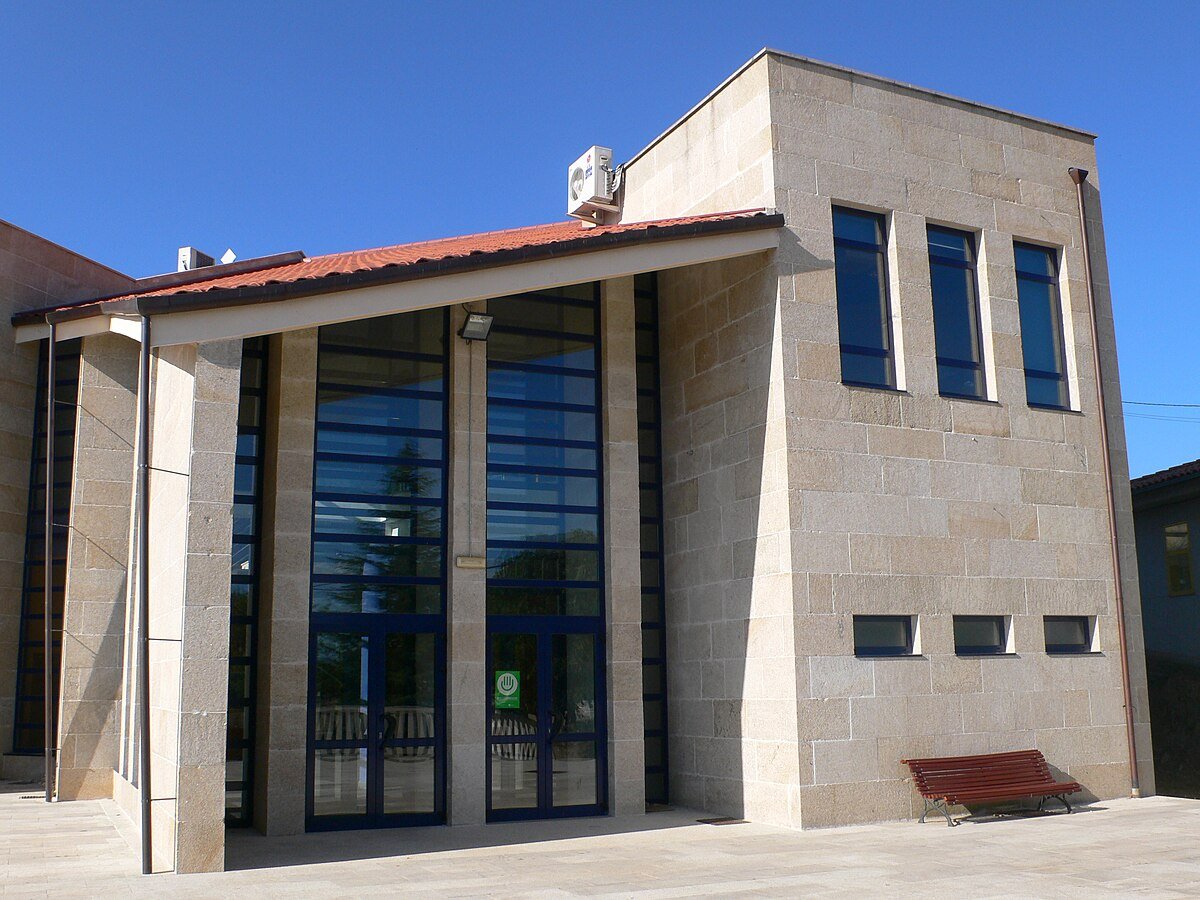
Mobile phone coverage varies unpredictably. The flat terrain should create ideal conditions, but dead zones exist where topography or agricultural buildings interfere. This isn't presented as a problem—locals see digital disconnection as natural rather than inconvenient. WiFi exists in the library, open weekday afternoons, where teenagers gather to stream music while their grandparents discuss crop prices outside.
The honest assessment? Rairiz de Veiga rewards those seeking understanding over accumulation. You won't leave with dozens of photographs or stories that impress at dinner parties. Instead, you'll carry memories of understanding how Galicia's interior functions when tourists aren't watching—a perspective increasingly rare in a region adjusting to mass tourism along its coastline. The village doesn't need visitors, but those who approach with genuine curiosity find doors open in ways that more famous destinations can't match.