Full Article
about Sandiás
Ocultar artículo Leer artículo completo
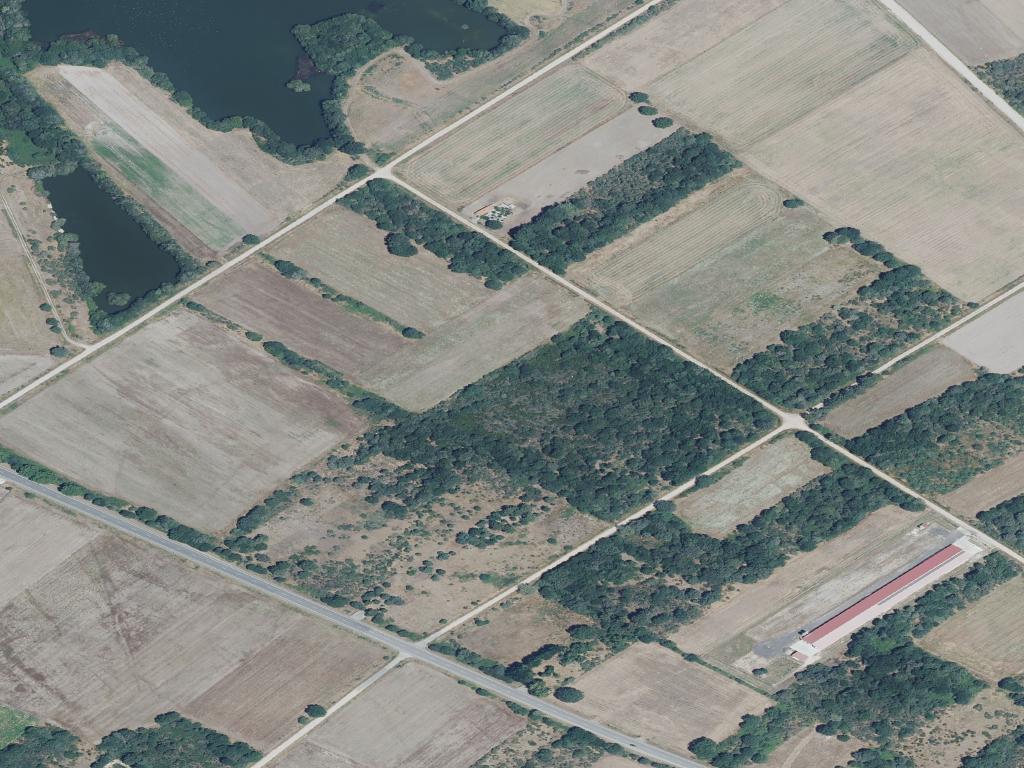
The wind hits first. It rolls across the Limia plateau without warning, flattening wheat stalks and carrying the scent of damp earth from fields that stretch beyond sight. In Sandias, 500 metres above sea level, the horizon feels closer than the nearest neighbour. This isn't the Galicia of coastal coves and stone villages clinging to cliffs. Here, the land lies open like a book, each furrow a sentence in a story of drainage ditches, dairy herds, and families who've worked the same soil since the Romans departed.
The Church Bell and the Combine Harvester
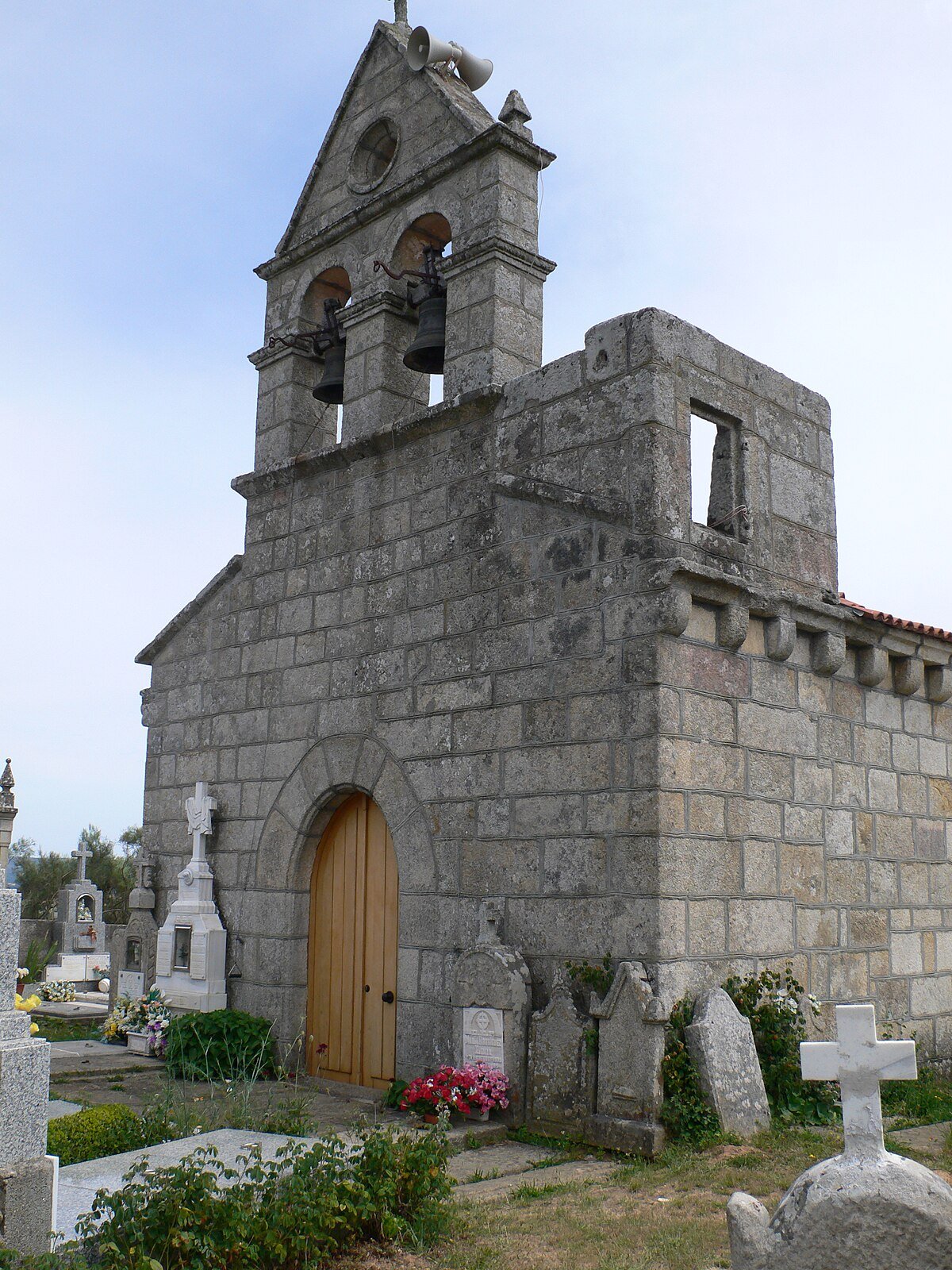
San Miguel's church tower rises barely twenty metres, yet it dominates the skyline. Built in 1789 from the same granite that pokes through the topsoil, it marks the centre of what passes for a town centre. Around it, a handful of houses, a bar that opens when the owner's daughter finishes school, and a cemetery where plastic flowers outnumber the living population three streets away.
The church bell still rings for mass at 11am Sundays, but the real rhythm comes from agricultural machinery. Modern tractors wider than the narrow lanes force visitors to reverse into field entrances. During harvest, combines work until midnight, their headlights carving white tunnels through the darkness. The noise carries for miles across the open plain, a mechanical lullaby for a village that produces more milk than conversation.
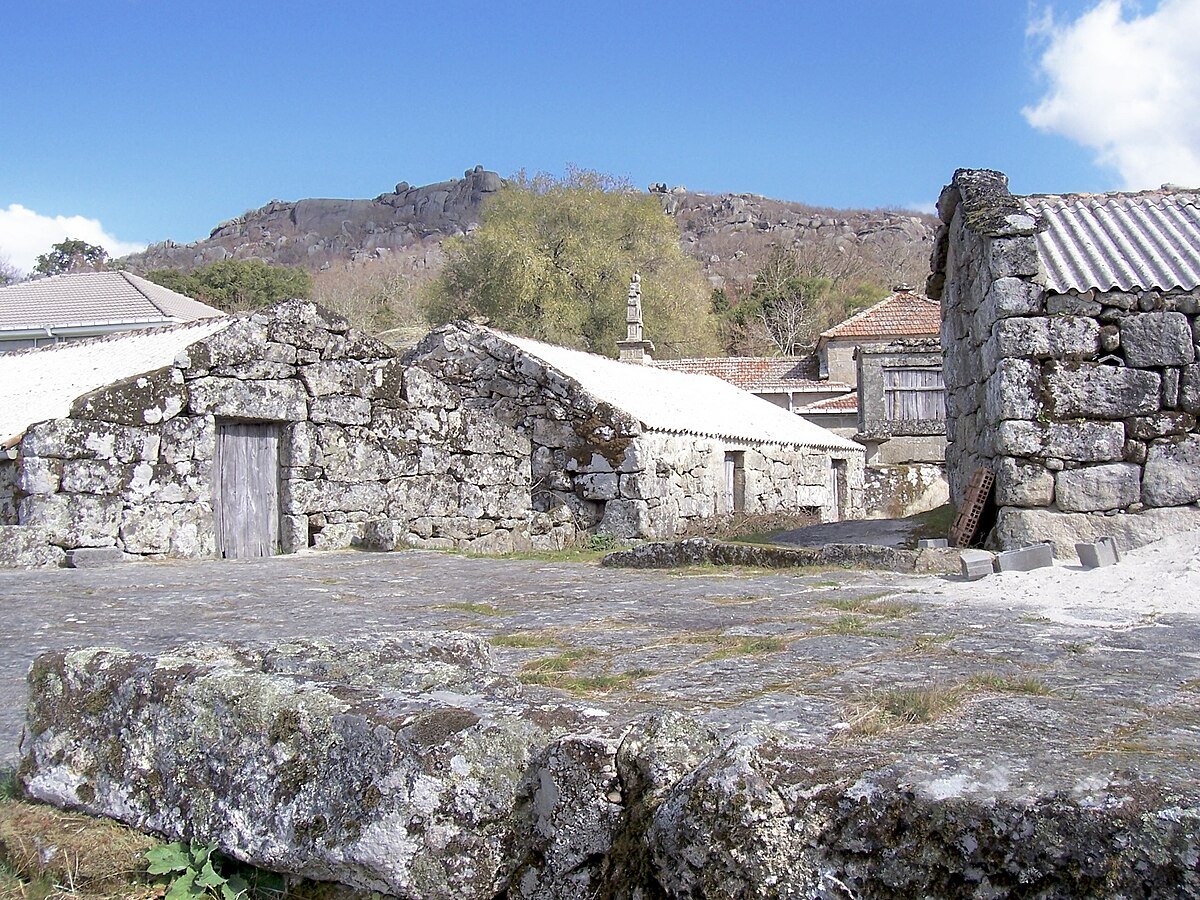
Walk fifty paces past the church and tarmac turns to dirt track. This is where Sandias begins properly – a scattering of hamlets across 50 square kilometres, each with three houses, a chapel the size of a London living room, and a cruceiro where someone has placed fresh flowers in a jam jar. The stone crosses mark crossroads where farmers once stopped to pray before market days in Xinzo de Limi, 12 kilometres north. Today, white vans delivering animal feed use them as convenient turning points.
Walking Through an Agricultural Map
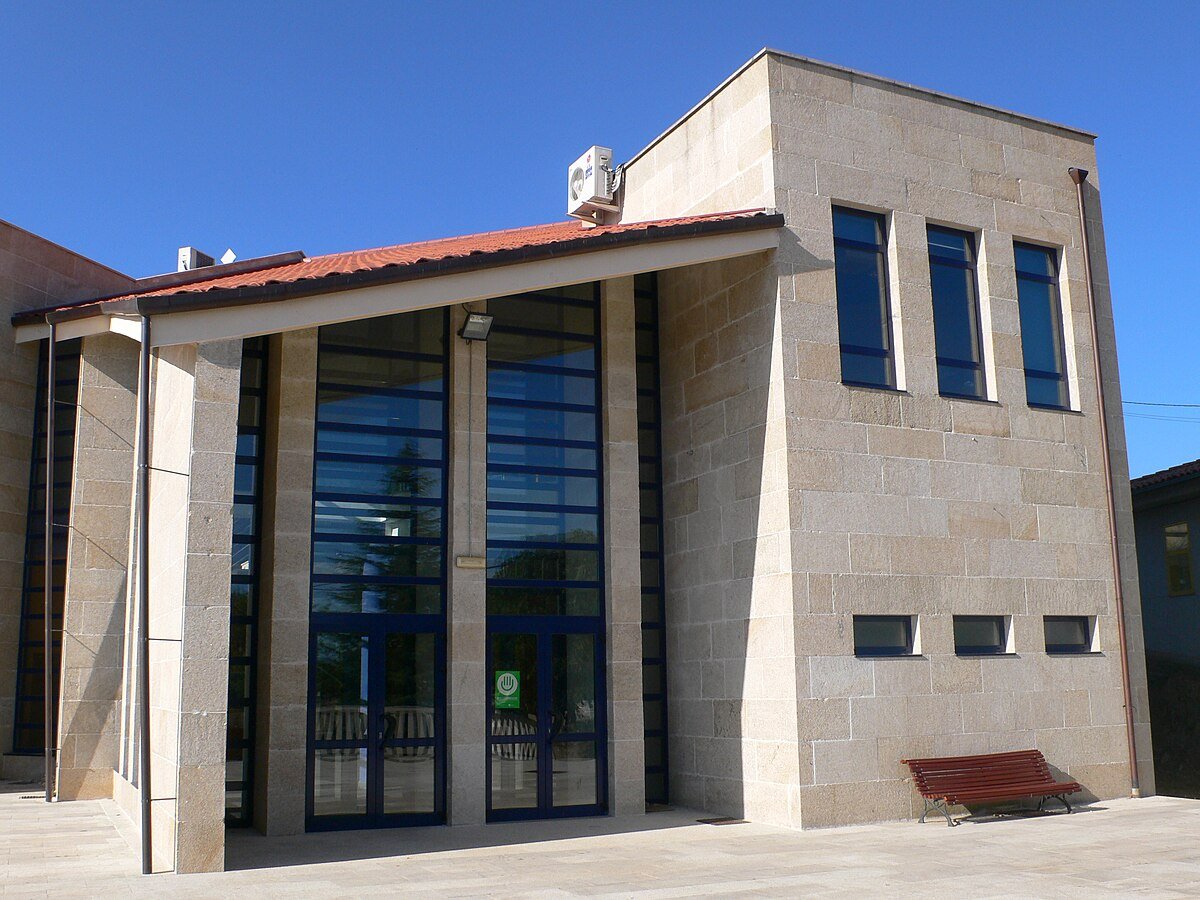
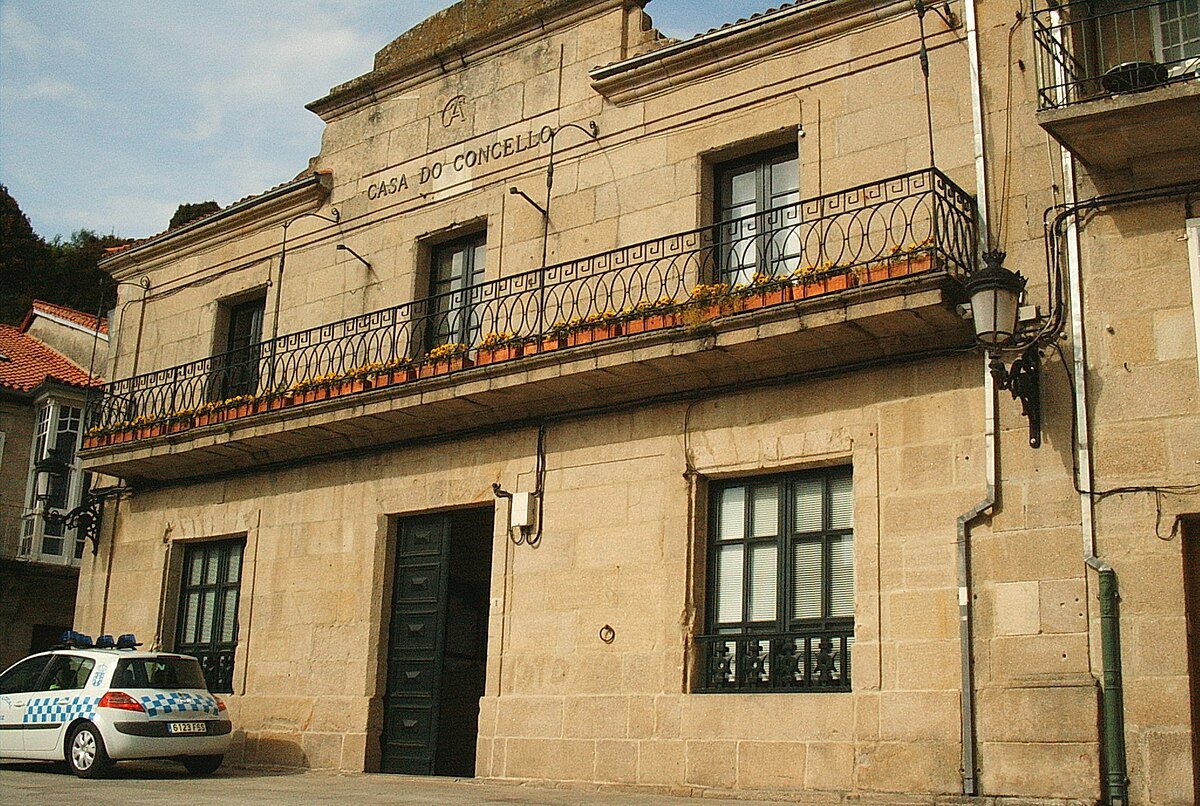
The tourist board calls them 'rutas de senderismo' but that oversells it. These are farm tracks that happen to connect places. Start at the main square, pass the Casa do Concello with its Galician flag at half-mast (no one remembers why), and follow the signed path towards Vilar de Santos.
The track runs straight as a ruler for three kilometres, drainage ditches on either side marking boundaries between plots. In April, the fields glow electric green with new maize. By August, the same land turns golden, corn stalks rattling like dry bones. There's no shade. Locals walk these routes at dawn or dusk; midday is for mad dogs and Englishmen, as someone's grandfather will tell you in perfect Spanish despite never travelling beyond Ourense.
Bring water. Distances deceive on the plateau – that church spire you can see clearly is actually 90 minutes away across soil that was lakebed until the 1950s drainage project. The landscape holds history in its levels: slightly lower ground shows where the ancient Antela lake once lapped, before Franco's engineers channelled water towards Portugal. Farmers still uncover prehistoric animal bones when ploughing deep.
Birdwatchers should moderate expectations. You'll see skylarks, the occasional harrier, and magpies that have learned to follow tractors for exposed insects. The real wildlife is agricultural: massive Belgian Blue cattle that stare with bovine suspicion, and farm dogs that bark first, check credentials later. They recognise vehicle engines better than faces; walk and you're suspicious, drive and you're tolerated.
When the Weather Changes Everything
Sandias sits high enough to generate its own microclimate. Summer mornings start clear and still, but by 2pm thermals build, creating cumulus clouds that drift east towards the mountains. Temperatures drop ten degrees when cloud cover arrives, leaving walkers scrambling for layers they didn't think they'd need.
Winter transforms the plateau into something approaching bleak beauty. When Atlantic storms meet continental cold, the result is horizontal rain that finds every gap in supposedly waterproof clothing. The tracks turn to mud that clings like wet concrete. Yet on clear January days, when frost whitens the stubble and breath steams in the cold air, you can see the distant Trevinca mountains 80 kilometres away. The village records temperatures of -12°C most winters; pipes freeze, life slows, and the bar fills with farmers discussing spring planting plans over coffee that costs €1.20 and tastes like it.
Spring brings the agricultural calendar into sharp focus. Between late March and May, activity reaches fever pitch: fertiliser spreading, ploughing, planting, all timed to ancient rhythms that pre-date GPS-guided tractors. The smell of manure drifts across the plateau – not unpleasant, just unmistakably rural. Visitors with romantic notions of country life find their ideals tested by the practical realities of food production.
Practical Realities for the Curious
Getting here requires commitment. From Santiago de Compostela, it's 90 minutes on the AP-53 motorway, then 25 minutes on the OU-536 regional road. The last stretch winds through eucalyptus plantations before emerging onto the plateau like a curtain rising. Public transport exists in theory – one bus daily from Ourense at 7am, returning at 2pm. Miss it and you're staying overnight.
Accommodation means either Xinzo de Limi's functional Hotel Vila de Calvos (€45 a night, restaurant closes at 4pm sharp) or rural houses scattered across the municipality. Casa das Xacias, five kilometres from Sandias proper, offers three bedrooms in a converted stone farmhouse. The owner, Maria, speaks rapid Galician and demonstrates the region's famous hospitality by insisting guests eat with the family. Resistance is futile; breakfast includes homemade cheese and explanations of why the milk here tastes different (something about limestone soil and altitude).
Eating in Sandias itself means Bar O Centro, open from 8am until the last customer leaves, rarely past midnight. The menu never changes: caldo gallego (hearty soup with beans and greens), pimientos de Padron (occasionally hot enough to require the local wine), and steak from cattle that might have grazed the fields you're walking through tomorrow. Lunch costs €12 including wine; dinner service depends on whether the owner's wife is watching her soap opera.
Leaving the Plain Behind
Sandias won't suit everyone. It offers no souvenirs beyond what you collect in photographs and memory. The landscape that inspires some visitors leaves others cold – too open, too agricultural, too honest about the hard work involved in coaxing food from soil. There's no pretending this is anything other than a working agricultural landscape where tourism ranks somewhere below veterinary bills and crop prices in daily conversation.
Yet for those seeking to understand how inland Galicia functions beyond the coastal stereotypes, Sandias provides clarity. This is where your milk originates, where wheat becomes bread, where families balance tradition with the economic realities of 21st-century farming. The village doesn't need visitors, but it tolerates those who arrive with sensible shoes, realistic expectations, and respect for agricultural machinery that always has right of way.
Drive away at dusk and the plateau reveals its final secret. In the rear-view mirror, Sandias disappears into the vastness of the Limia plain, swallowed by fields that continue unchanged to the Portuguese border. The church bell rings once, perhaps for evening mass, perhaps just to remind the scattered population that despite appearances of emptiness, this landscape holds five thousand years of continuous human settlement. The wind continues, indifferent to comings and goings, shaping wheat and visitors alike with the same impartial force.