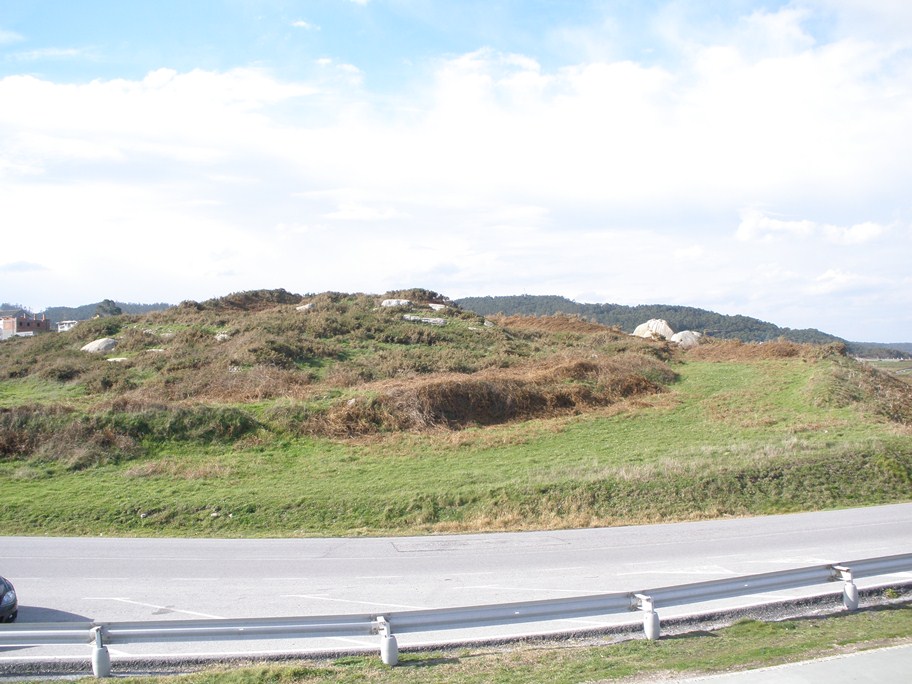
Castro de Burela.JPG
Galicia · Magical

Burela

At 07:30 the floodlights over Burela’s fish dock snap off and the day shift takes over. Fork-lift trucks weave between pallets of iced hake while a...

9,630 inhabitants · INE 2025
m Altitude
Coast Cantábrico

Why Visit

Coast & beaches

Best Time to Visit

summer

Full Article
about Burela

Ocultar artículo Leer artículo completo

The harbour that refuses to pose for photos

At 07:30 the floodlights over Burela’s fish dock snap off and the day shift takes over. Fork-lift trucks weave between pallets of iced hake while auction staff in orange bibs bark prices into headsets. Nobody looks up when a camera appears; the Cantabrian Sea is the payroll here, not a backdrop. Stand at the rail for five minutes and you’ll clock the town’s rhythm: crates out, hoses on, coffee cups refilled, engines coughing into life.

The port handles more tuna than anywhere else on this stretch of coast. From June to October the red-fleshed North Atlantic bonito arrives in such quantities that local menus simply list it as “de temporada” and leave the rest to fate. Miss the season and you’ll still eat well—trawler-by-catch hake, razor clams dredged a mile offshore—but the conversation in the bars turns wistful, like football fans after May.

Beach one way, bakery the other

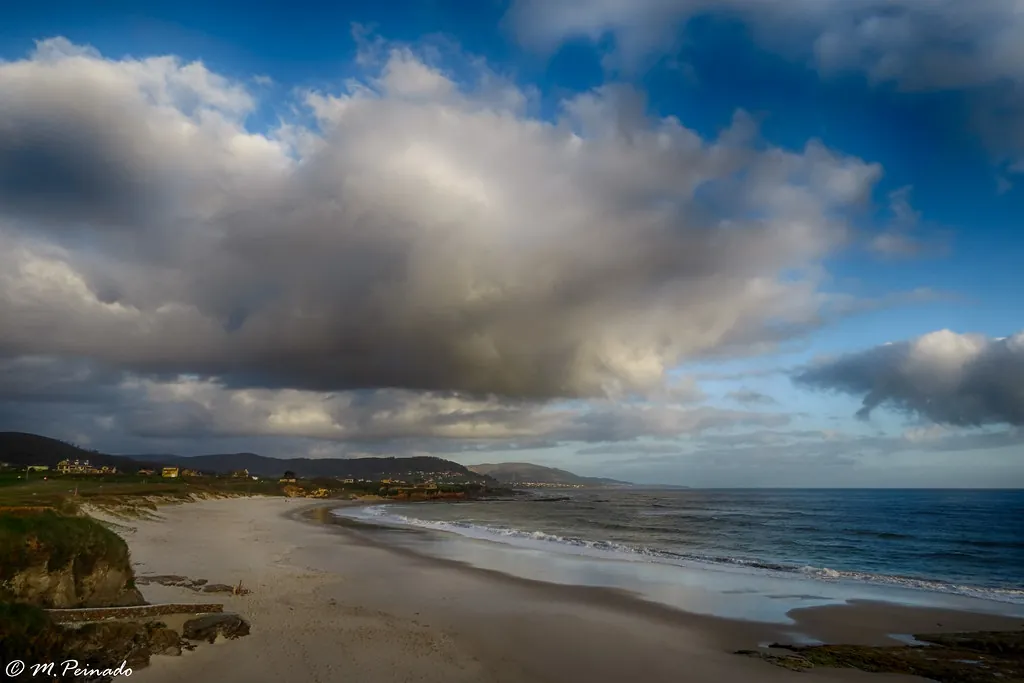
A four-minute walk south and the asphalt gives way to Praia do Coto, a half-moon of pale sand big enough to swallow August crowds without feeling Magaluf. The Cantabrian water stays brisk even in July—17 °C on a good day—so British swimmers accustomed to Cornwall won’t flinch. Lifeguards work 11:00-19:00 in high season; outside those weeks you share the shoreline with dog-walkers and the odd wetsuited surfer hunting wind-swell.

Behind the sand, the paseo marítimo curls for 1.8 km past benches that face the horizon like theatre seats. Joggers use it at dawn; grandparents claim it at dusk with fold-up chairs and tins of Estrella. When the norte wind blows, spray peppers the railings and everyone moves one row inland. The promenade ends at the slipway where small boats still haul lobster pots—no postcards, just rope smells and gulls that sound like they smoke forty a day.

Turn inland at the pink-and-white bakery (open 06:00-14:00, closed Thursday afternoons) and you’re in the grid of residential streets that most visitors never see. Here the houses are low, rendered in sherbet colours and trimmed with galvanised balconies wide enough for drying octopus. The old Casino, now the public library, keeps its 1920s façade and a reading room that smells of wood polish and sea salt.

Lunch follows the auction

By 10:45 the dockside auction winds down. Fork-lifts scatter, and the first trays of fish appear in the back doors of surrounding cafés. Follow the men in rubber boots—not a euphemism—and you’ll reach the white-tiled canteen above the lonxa. No sign, just a staircase next to the ice machine. Menu del día €12: soup or salad, grilled hake the size of a house brick, wine, dessert. They’ll swap hake for bonito when it’s running; either way the English translation is a smile and a point. Cash only, closed weekends.

If stairs full of fish scales sounds too authentic, try Pulpeira de Mar on Rúa do Progreso. Octopus arrives pre-sliced in a pine-wood tray, dusted with hot paprika and served on a plate warm from the dishwasher. A half-ración is plenty for two squeamish Brits; locals order a whole octopus and argue over the tentacles. House white is a 250 ml pour, no label, chilled until it stings.

Sunday lunch is sacrosanct. Arrive after 15:30 and you’ll find shutters down everywhere except the beachfront kebab van—edible, but a culinary crime when turbot is five hours away. Plan accordingly: eat at 14:00, siesta through the ghost hours, wake for coffee at 17:00 when bars reopen and the paseo refills.

Walking off the calories

A coastal path heads north-east from the lighthouse, narrowing to a gravel track that clings to low cliffs. In 25 minutes you reach A Marosa, a pocket cove where rock ledges create natural paddling pools at half-tide. Locals arrive with parasols and cool-boxes; the brave scramble down a rope-assisted gully to a second beach invisible from land. Trainers recommended—flip-flops skid on algae.

South-west the route is wilder. Follow the boardwalk over the dunes for 3 km to the mouth of the O Barqueiro estuary; herons patrol the mudflats and the only sound is surf and the odd chainsaw from pine plantations inland. Turn back when the path peters out at a gated dairy farm—private land starts where the public map ends.

Rain doesn’t cancel walks here; it just changes the colour palette from Mediterranean blue to slate grey. Bring a lightweight shell—even in August Atlantic fronts roll through without warning. On blowy days waves slap the sea wall hard enough to close the road: instant free car-wash, Galician style.

When to come, when to stay away

Spring and early autumn deliver the best compromise: daytime 18-22 °C, nights cool enough for sleep, parking spaces within 200 m of the sand. May brings gorse flowers on the cliffs and the first bonito auction; September sees the Festa do Bonito proper, with street stalls grilling tuna steaks over vine-root embers. Both months stay quiet enough that you’ll share a restaurant table with fishermen rather than tour coaches.

Mid-June is fiesta week: parades, fireworks, bagpipe bands rehearsing at 02:00. Book accommodation early or stay elsewhere and day-trip in—hotel prices jump 40 % and the only cash machine empties by Friday. August fills the campsite behind the dunes with Spanish families; expect queue-out-the-door ice-cream kiosks and a soundtrack of reggaeton until the 23:30 curfew.

Winter is wet, windy and half-shut. Hotels slash rates, restaurants reduce hours and the beach becomes a fetch-stick arena for dogs. Storm-watchers love it; sun-seekers won’t.

Getting here without the pain

The nearest airport is A Coruña, 1 hr 45 min by hire car on the A-8 autopista. Santiago’s airport adds 20 min but usually undercuts on UK fares. Either way, ignore the sat-nav if it offers “scenic” inland roads—stick to the coast highway unless you enjoy single-lane switchbacks behind milk tankers.

There is no railway to Burela. FEVE trains terminate in Cervo, 12 km east, where two taxis serve the entire comarca. Pre-book or prepare for a long wait among shuttered houses. Buses from Lugo run four times daily; the timetable reads like a suggestion rather than a promise.

Once in town, parking is free on the streets two blocks back from the seafront. Blue-zone bays (€1/hr) enforce Monday-Saturday 10:00-14:00, 16:00-20:00—after that, and all day Sunday, you can abandon the car and forget it. The 24-hour Dia supermarket on the ring-road stays open for emergency tonic and sun-cream; everything else obeys the Spanish weekend shutdown.

Parting shot

Burela will not dazzle you with palaces or Michelin stars. It offers something smaller: the sight of a town that still organises its calendar around what swims past the headland. Turn up with realistic expectations—fresh fish, clean sand, honest prices—and you’ll leave wondering why more coasts can’t keep it this simple. Expect rose-tinted fishing-village fantasies and you’ll trip over a forklift. Either way, the Atlantic keeps the timetable; the rest is up to you.

Key Facts

Region
Galicia
District
A Mariña Central
INE Code
27902
Coast
Yes
Mountain
No
Season
summer

Livability & Services

Key data for living or remote work

2024
ConnectivityFiber + 5G
TransportTrain station
HealthcareHospital
EducationHigh school & elementary
Housing~6€/m² rent · Affordable
CoastBeach 0 km away
Sources: INE, CNMC, Ministry of Health, AEMET

Planning Your Visit?

Discover more villages in the A Mariña Central.

View full region →

More villages in A Mariña Central

Traveler Reviews