Full Article
about Alfoz
Hide article Read full article
Between the Xistral and the Ouro
On the map of A Mariña Occidental, Alfoz sits just inland from the Galician coast. The municipality stretches between the Serra do Xistral and the valley of the River Ouro, a landscape of damp meadows, wooded slopes and small villages scattered across the hillsides. Its administrative centre is A Seara, though the historical heart lies elsewhere.
The name Alfoz comes from the Arabic term al-hawuz, used in the Middle Ages to describe the territory dependent on a town. In this case that town was Castro de Ouro, which for centuries concentrated local power. Understanding Alfoz therefore means starting not in the present-day municipal capital, but in Castro de Ouro itself.
Here stood the defensive and ecclesiastical structures that controlled movement between the coast and the interior of the old diocese of Mondoñedo. The setting explains the strategic value of the site: from this elevated position, routes linking the shoreline and inland valleys could be watched and, when necessary, defended.
The Tower of Castro de Ouro
The most recognisable landmark in the municipality is the Torre do Homenaxe of the former castle of Castro de Ouro. It rises on a promontory overlooking the valley of the Ouro, a position that reinforces its defensive character. The current structure is usually dated to the 15th century, although the site had been fortified earlier.
The tower is associated with Pedro Pardo de Cela, the Galician marshal who opposed the authority of the Catholic Monarchs in the final years of the 15th century. Local tradition links the castle with that last episode of Galicia’s feudal nobility, although written chronicles do not always agree on the details. What remains is a powerful connection between place and memory, with the tower standing as a reminder of that turbulent period.
Today the interior houses a municipal exhibition space. Part of the display focuses on traditional trades from the surrounding area. Among them is the making of madreñas, wooden clogs closely linked to the muddy paths of this region. In a landscape shaped by rain and pasture, this practical footwear formed part of everyday rural life.
From the tower’s surroundings, the valley opens out below. The relationship between fortification, church and river becomes clear, revealing how geography shaped authority in this part of northern Lugo.
The Valley of the River Ouro
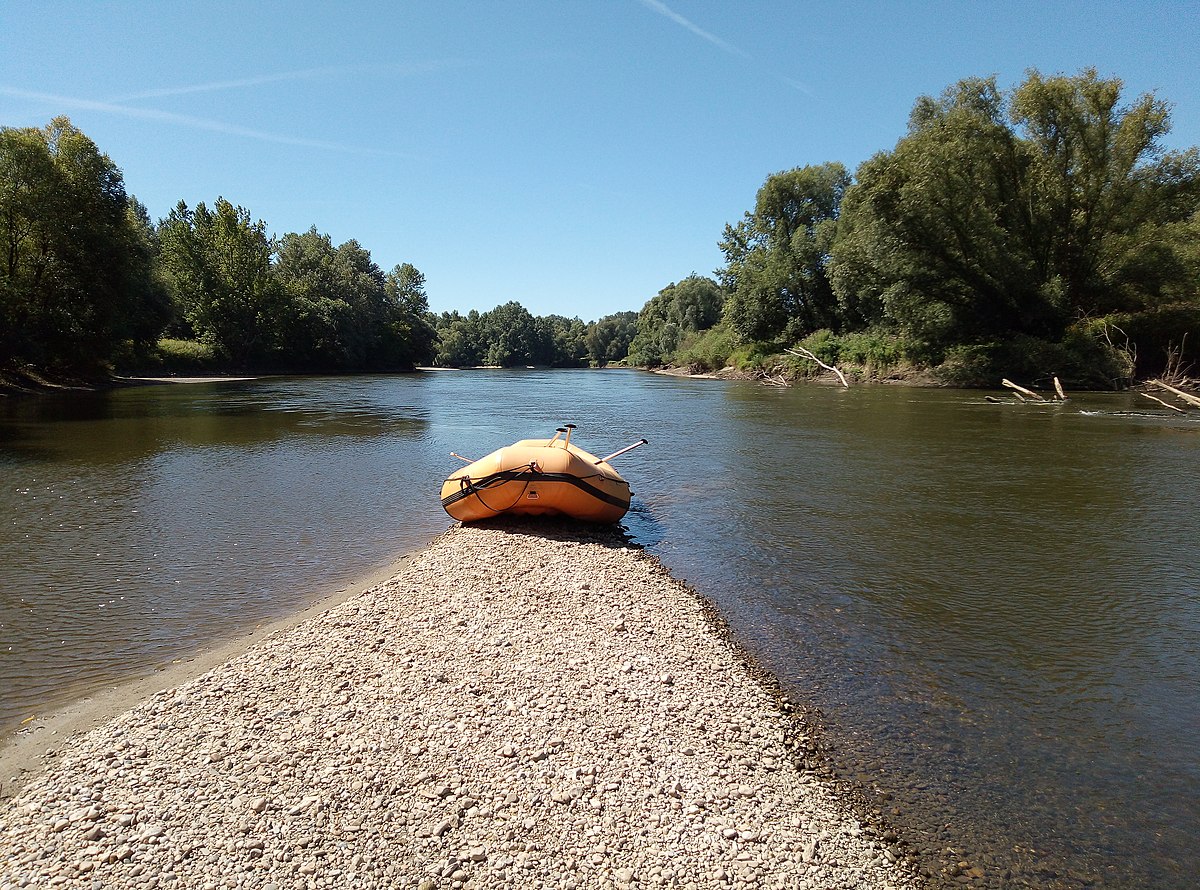
The River Ouro organises much of Alfoz’s landscape. It rises in the higher zones of the Serra do Xistral and descends towards the coast, crossing wet meadows and small rural settlements along the way.
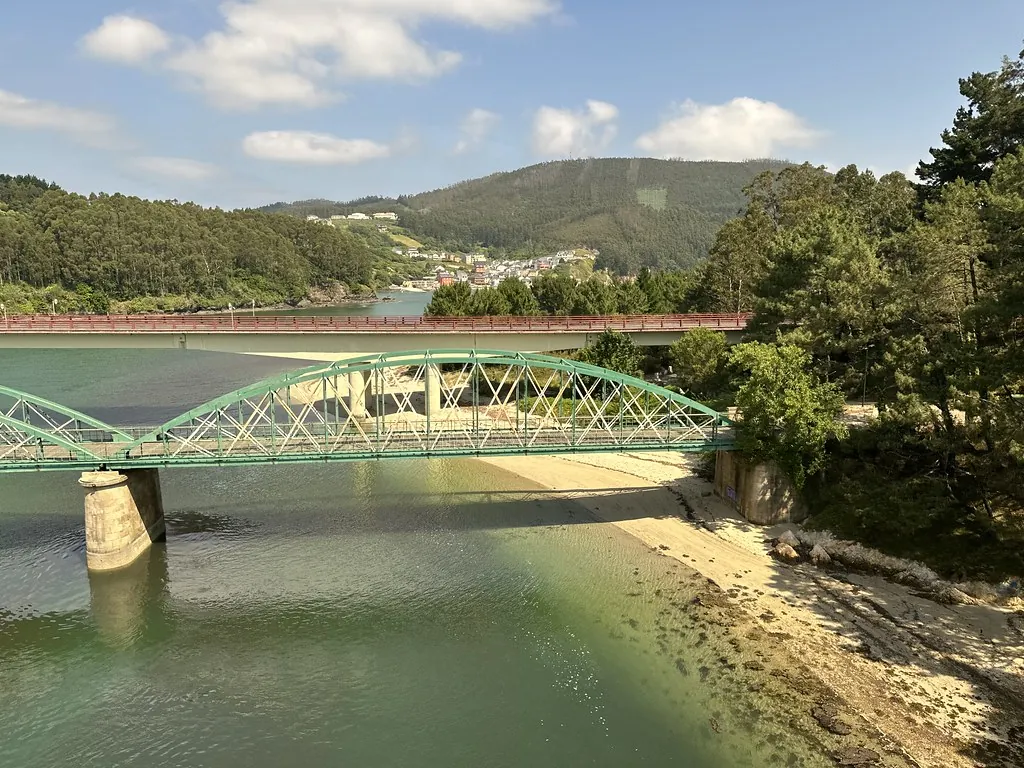
For centuries the valley functioned as a natural communication route. Agricultural and livestock products travelled along this corridor between inland communities and coastal areas. Even now, modern-era bridges span the river at certain points, and old paths continue in use as local walking routes.
A walk beside the Ouro helps make sense of the area’s traditional economy. River fishing, market gardening and the use of pastureland formed a relatively self-contained system in which most resources came directly from the valley itself. The rhythm of work and movement followed the course of the water.
The landscape retains this rural character. Narrow fields, grazing land and clusters of houses sit close to the riverbanks, while the surrounding slopes rise towards the Xistral. Weather conditions can shift quickly in these upland areas, reinforcing the sense of a territory shaped by natural forces.
San Salvador and the Memory of a Monastery
A short distance from the tower stands the church of San Salvador de Castro de Ouro. The building preserves elements of rural Galician Romanesque architecture, although later reforms have altered its appearance.
Inside, a set of early modern wall paintings survives. Such mural decoration is not common in small parish churches, and in this region many similar works disappeared due to humidity and later alterations to the buildings. Their survival here adds an unexpected layer to the visit.
The site itself carries older historical interest. Some sources place a small early medieval monastic establishment here. These family monasteries were common in Galicia between the 9th and 10th centuries and were often founded in strategically significant locations. The position above the valley and near important routes would fit that pattern.
From the churchyard, views extend across the valley of the Ouro and along the paths that connect to the coast. This vantage point helps explain why the area was occupied and reinforced for so long. Control of landscape and movement lay at the heart of Castro de Ouro’s importance.
Fairs, Pilgrimages and Rural Gatherings
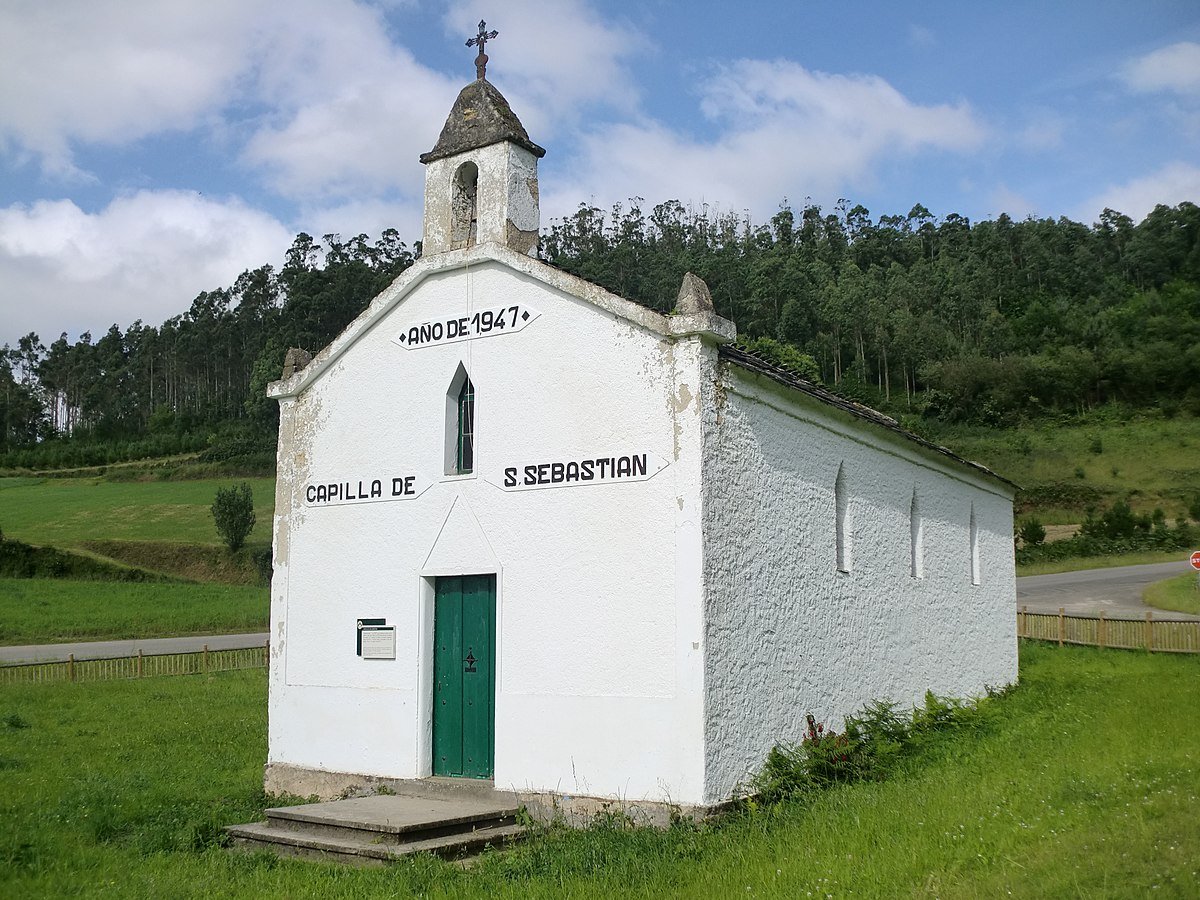
Alfoz’s festive calendar concentrates on the summer months, when many residents who live elsewhere return home. Several parishes hold their romerías in August. A romería is a traditional Galician pilgrimage and community celebration, usually centred on a chapel or parish church, combining religious observance with music and shared meals.
In the historic centre of Castro de Ouro, a market inspired by the medieval period also takes place during the summer season. The setting, with the tower and church nearby, reinforces the historical atmosphere.
Autumn brings a different kind of event. In the parish of Carballido, a traditional livestock fair continues to be held. Such gatherings were once fundamental to the rural economy of the area, closely linked to cattle rearing and the use of pastureland in the Serra do Xistral. Beyond their commercial function, these fairs served as meeting points for neighbouring communities.
Practical Orientation
Alfoz lies a short distance from Mondoñedo and from the coast of A Mariña. Local roads cross a landscape of narrow valleys and forested hillsides. A car makes it easier to move between parishes, as settlements are widely dispersed.
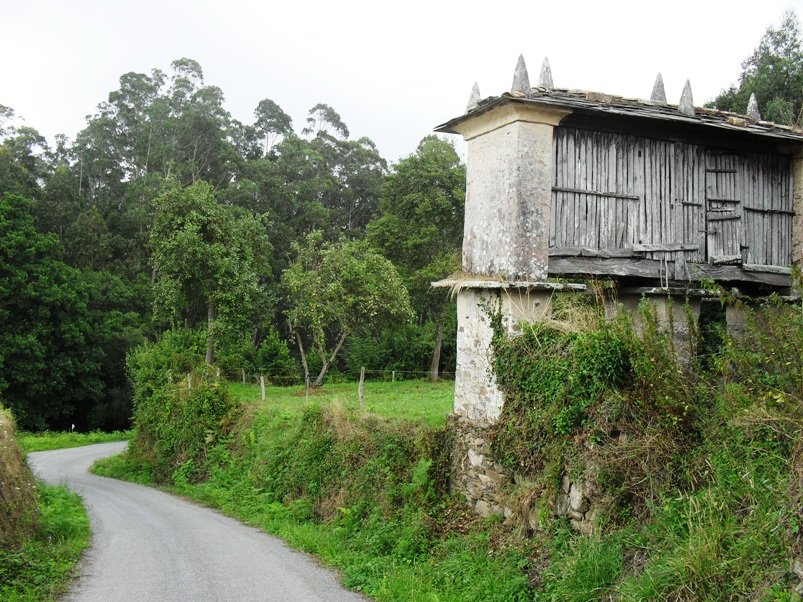
Visits usually focus on Castro de Ouro and a route through the valley of the River Ouro. Taking time to look at traditional houses adds depth to the experience. Many still preserve hórreos, raised granaries typical of Galicia, wooden galleries known as corredores, and slate roofs that are common in this part of northern Lugo.
Weather in the Xistral area can change quickly. When rain sets in, the historic buildings of Castro de Ouro, the tower and the church, allow visitors to continue exploring the story of the place without straying far from the old centre.