Full Article
about Barreiros
Hide article Read full article
Sea and Space on the Cantabrian Coast
There is a stretch of road just after Foz where the bends begin to tighten and the Cantabrian Sea suddenly opens out like an umbrella. That is usually the moment it clicks: tourism in Barreiros is about sea and space. Not in a poetic sense, but in the practical one where you spend several days here and still find sand in places you would swear sand cannot reach.
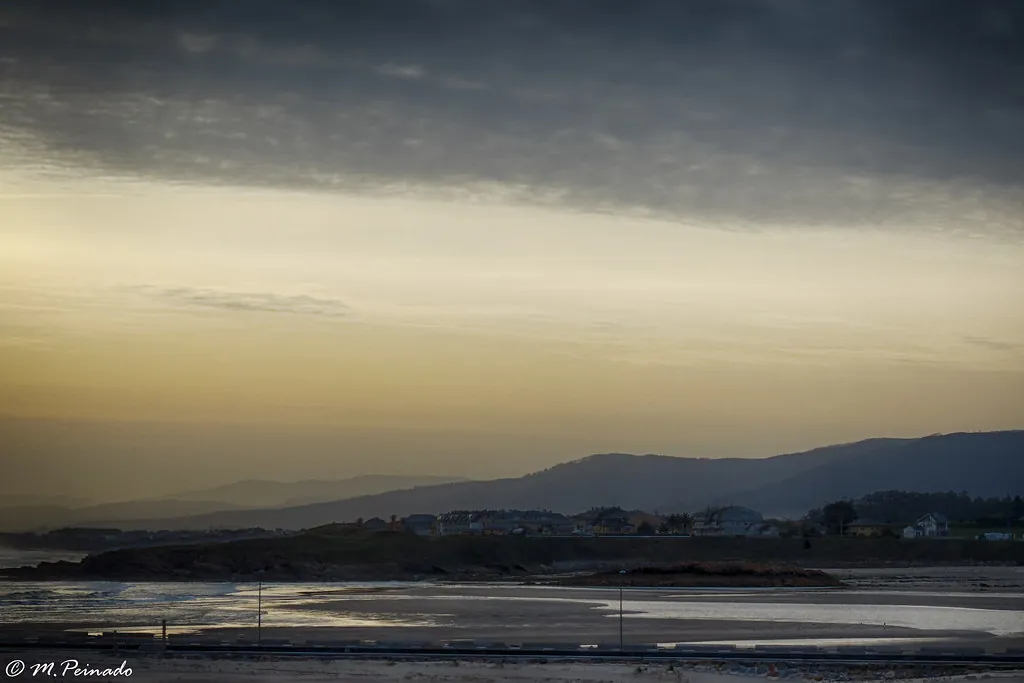
Barreiros sits along Galicia’s northern coastline, facing the Cantabrian. It does not overwhelm with monuments or headline attractions. Instead, it offers room to breathe. The horizon feels wide, the beaches feel long, and even in summer there are corners where the rhythm slows down.
The Beach Trick
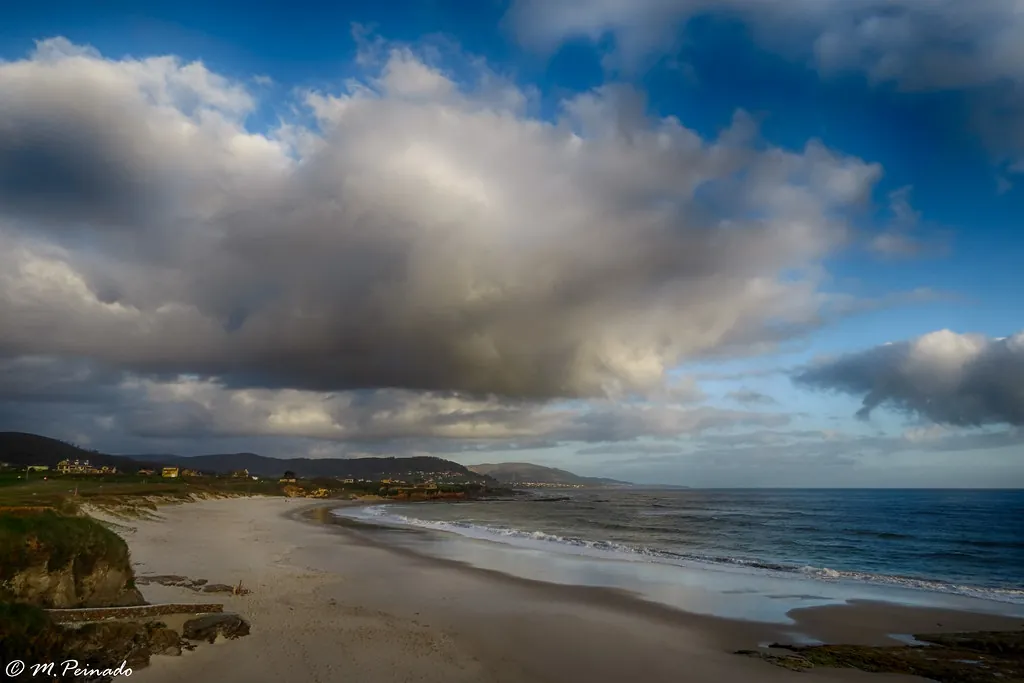
Barreiros has around fifteen beaches. Fifteen. It gives the impression that each resident could claim a stretch of sand and still leave plenty spare. The best known is Benquerencia, a long ribbon of fine sand that changes noticeably with the tide. It is a beach that plays hide and seek. Around midday you may have to walk a fair distance before the water reaches your ankles, and a few hours later the sea is almost brushing your towel.
The Cantabrian here is not always gentle. Surfers do come, but the sea tends to demand commitment. Either you catch the wave properly or you end up rolled back to shore. Watching local teenagers handle their boards with ease is often more instructive than any lesson.
The real secret, though, is how empty many of these beaches can feel. During the week they are often half deserted, even in high summer. Come in September, when the weather can still be good but the crowds have thinned, and you may find long stretches of sand practically to yourself.
Facilities are not always at hand. The main village centre is a few minutes away by car, and there is not always somewhere close by to buy food or water. A bit of forethought goes a long way if you plan to spend hours by the sea.
Castros Above the Waves
History in Barreiros tends to hide in plain sight. The municipality is known for several castros, Iron Age hillfort settlements typical of north-west Spain. People often speak of up to nine scattered across the area.
Punta do Castro is among the easiest to find. A track leads from behind Sacido beach, and a short walk takes you up to the site. Do not expect towering walls or grand reconstructions. The remains are subtle, more suggested than displayed. Yet the choice of location makes perfect sense once you stand there. On one side lies the Cantabrian, stretching out in shifting blues. Turn your head and the valley opens towards Mondoñedo, with meadows spread out like a vast green cloth.
Then there is the stone circle of A Roda. It is usually dated to several millennia before our era and has long been cited as an archaeological rarity on the Iberian Peninsula. It has not been monumentalised in the way some prehistoric sites have. There are no dramatic visitor centres or elaborate explanations on site. The fascination lies in the idea itself: thousands of years ago, someone chose that exact spot to build something whose purpose remains unclear today.
These places do not shout for attention. They reward those willing to walk a little and look carefully.
A Stroll Through San Cosme
San Cosme de Barreiros, the municipal centre, is small enough to explore at an unhurried pace. The streets invite you to look up at façades without quite realising you have slowed down.
Several houses were built by indianos, emigrants who left for the Americas and later returned. Their homes often feature light colours, enclosed galleries and balconies filled with plants. They are not vast palaces. They feel more like personal statements, quiet signs that life went well on the other side of the ocean.
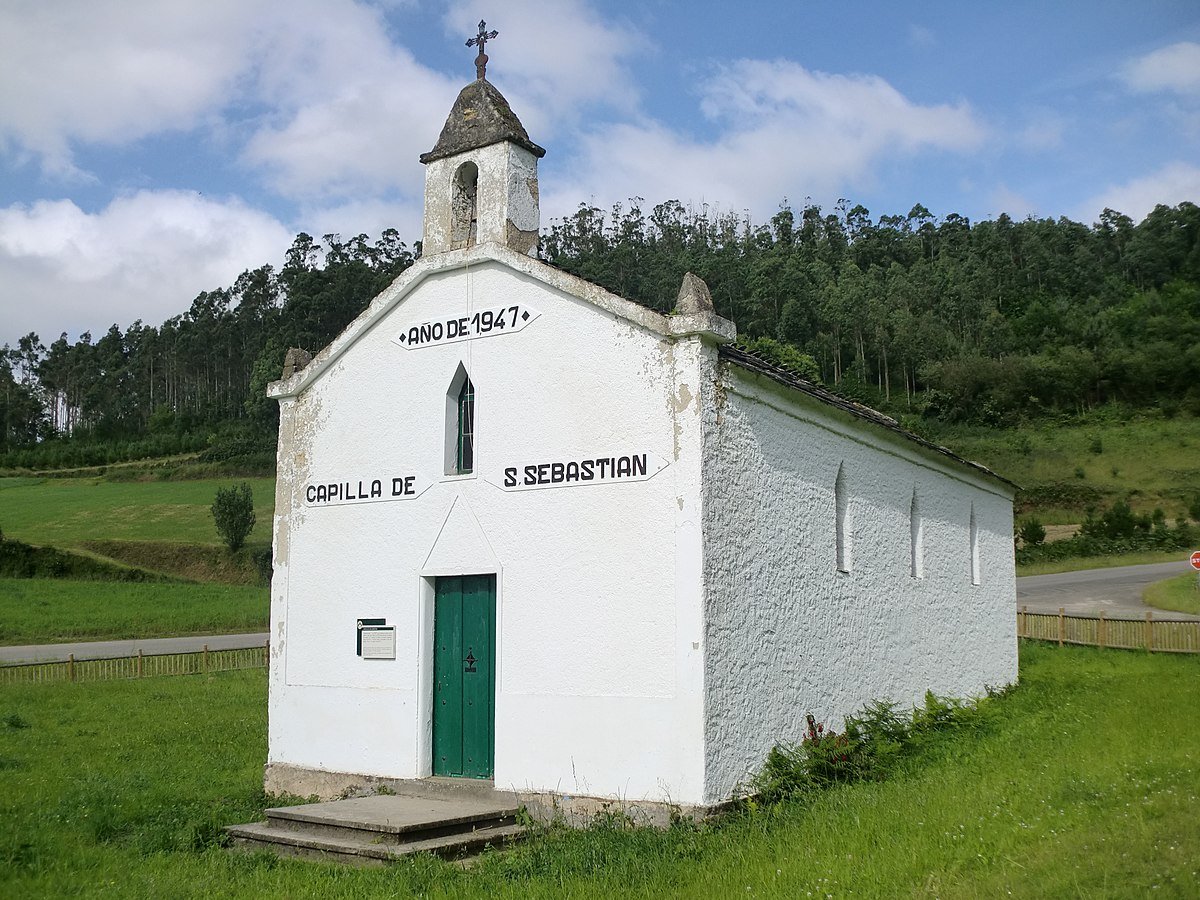
The church of San Cosme is generally dated to the 17th century and contains a striking Baroque altarpiece. Inside, the scent of wax and old wood lingers. The atmosphere encourages lower voices and slower steps. In another parish within the municipality stands the chapel of San Esteban, considered one of the oldest religious buildings in the area. It retains the simple air of a rural temple, modest and grounded in its surroundings.
San Cosme does not aim to impress with scale. Its appeal lies in details that reveal themselves gradually.
When Hunger Kicks In
Barreiros does not revolve around food in the way some other Galician destinations do. There is no famous dish that carries the town’s name, no organised gastronomic route drawing visitors from afar.
What you find instead is straightforward local cooking. Grills serve generous portions of churrasco. Fish and seafood usually arrive from the nearby port of Foz. Empanadas appear in sizes that feel as heavy as a brick yet vanish quickly once cut.
A simple approach often works best here. Pick up bread in the morning, add some cheese or cured meats from a village shop, and head for the beach. An improvised picnic, the tide slipping out, and plenty of time can make the absence of Michelin stars feel irrelevant.
The Final Trick
Many people pass through Barreiros almost without noticing. They drive straight to As Catedrais beach, which lies very close by but belongs to Ribadeo, or they stay in Foz, drawn by its seafront promenade and livelier atmosphere.
Barreiros plays a different game.
It does not have a historic quarter that leaves visitors open-mouthed. It does not host festivals that pull in crowds from across Galicia. What it offers is space. Space to walk along a long beach without constantly weaving around other people. Space to climb a castro and hear nothing but wind and sea. Even in August, there are still spots where a swim does not feel like stepping into a public pool.
Late summer often suits it best. When the season begins to ease, the coast road grows quieter. A car, some music and an unhurried drive along the shoreline are often enough. Park when a particular beach catches your eye, walk down to the sand and let time stretch out a little.
Barreiros may not be the most spectacular place in Galicia. Yet its combination of sea, history and sheer breathing room gives it a character that lingers long after the sand has finally shaken free of your shoes.