Full Article
about Lourenzá
Hide article Read full article
Morning at San Salvador
At eight in the morning, inside the monastery of San Salvador de Lourenzá, the silence carries the scent of warmed stone and old candle wax. The first light filters through the rose window and settles on the sarcophagus of the Conde Santo, a block of marble far older than the building that now shelters it. It feels as if it had been placed there simply so that time could continue passing around it.
Outside, beneath the portico, an orange cat stretches between the columns. It is the only visible guardian awake in Vilanova de Lourenzá at that hour.
Lourenzá does not rush into the day. Doors open slowly. Voices remain low. The monastery stands at the centre of it all, anchoring the town in stone and memory. Pilgrims on the Camino del Norte sometimes make a short detour of a few kilometres to reach it, adding this stop to their coastal route across northern Spain. When they arrive, they find a place that feels set slightly apart from the main flow of movement.
Fabas and Morning Mist
In Lourenzá, mornings often begin with pots already simmering. In many houses, cooking starts early, and the smell drifts into the street as doors open. The local speciality is fabas, white beans that are round, thin-skinned and prized across Galicia. Here they are prepared with an ease that can surprise visitors: pork ribs, a little unto, which is cured pork fat, and patience.
The beans have adapted over generations to the Masma valley, to its morning mists and to a climate that rarely becomes extreme. That slow adjustment to place is part of why fabas de Lourenzá are so well regarded throughout the region.
In October, the town revolves around the Festa da Faba, a festival dedicated to this staple. Long tables usually appear in the Praza do Conde Santo, and large pots are passed from hand to hand while bagpipes play. The atmosphere shifts as the morning advances. By mid-morning there is already a steady flow of people, and the rhythm of the town changes for the day.
Food here is not presented as spectacle. It is part of daily life, tied to the valley and to the weather. Even outside festival time, the presence of fabas on kitchen tables connects households to the surrounding fields and to a shared way of cooking that has endured for generations.
The Masma in the Background
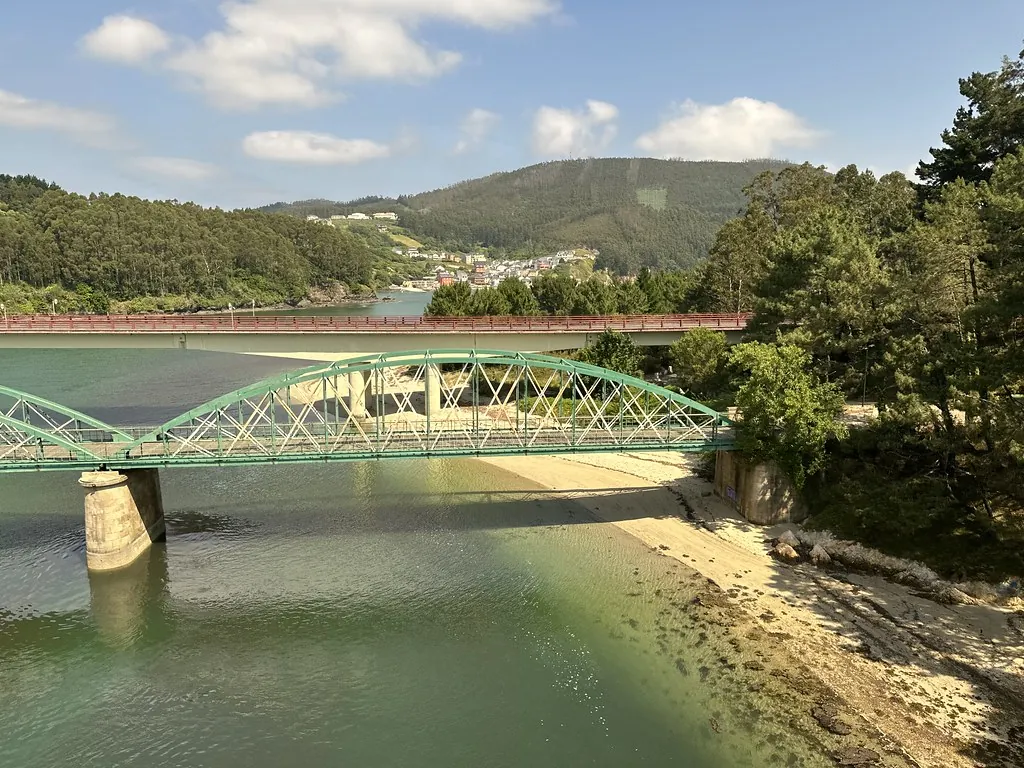
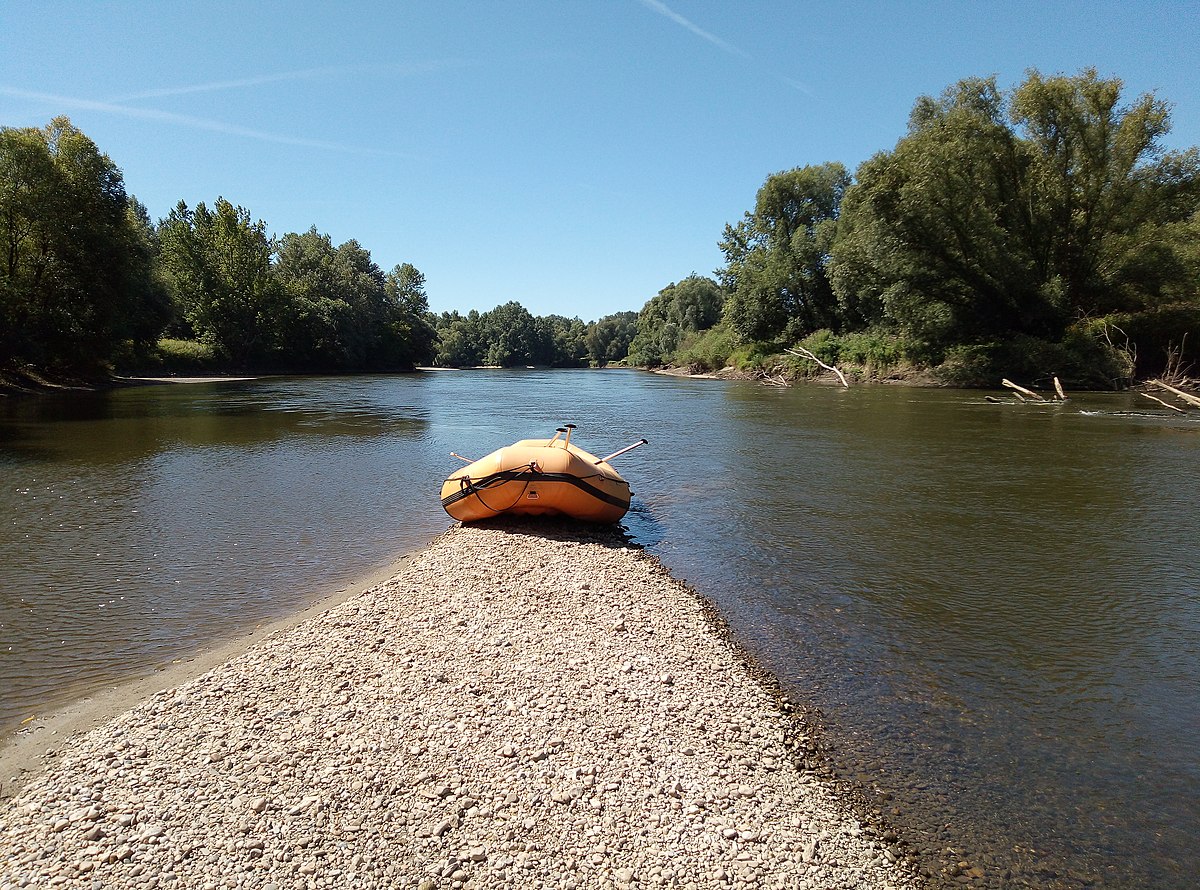
The river Masma runs through damp meadows and tall ferns, with the outline of an occasional mill half concealed by vegetation. From the area around the monastery, a path follows the river for a good stretch. It crosses small footbridges and passes spots where the water widens into still pools.
Standing quietly for a moment, it is sometimes possible to see trout moving in the darker patches beneath the surface. The water is clear, though it can be deceptive. After several days of rain, the path becomes slippery and mud clings to the soles of shoes. Footwear with a good grip makes a noticeable difference.
The Masma is a constant presence, even when out of sight. It shapes the valley’s greenery and the conditions that suit the cultivation of fabas. Moisture lingers in the air. Grass grows thick and soft. The landscape does not feel dramatic, yet it holds attention through small details: the sound of water against stone, the hush of wind in ferns, the slow bend of the river as it moves towards the coast.
Layers of Stone and Story
The monastic complex of San Salvador brings together different centuries. There was an important medieval monastery here, though much of what can be seen today belongs to the great period of Galician Baroque. The façade of the church and much of the interior were built in the 18th century, at a time when the architect Fernando de Casas y Novoa was also working in Santiago de Compostela.
Inside, the contrast is clear. The walls are restrained, almost severe. Then the main altarpiece rises in a burst of movement and gold, with twisted columns and figures that look upwards as light shifts across their surfaces. The effect changes throughout the day.
In the cloister stands the so-called Pozo do Santo, or Well of the Saint, associated with the Conde Santo. Local stories link it to cures and small miracles, tales that are still told in the town. Whether taken as legend or belief, they form part of Lourenzá’s quiet narrative.
Around midday, the church often falls into near darkness. Footsteps echo against the vaults. Silence tends to prevail, broken occasionally by the arrival of pilgrims who have stepped off the Camino del Norte to visit. Their presence introduces a brief murmur of conversation, then stillness returns.
The sarcophagus of the Conde Santo remains one of the most striking elements. Its marble predates the current building, bridging earlier centuries with the Baroque structure that surrounds it. It anchors the church not just architecturally but symbolically, linking medieval devotion with later artistic ambition.
Seasons and Small Details
Spring brings intense green to the meadows around the Masma. The valley carries the damp scent of newly grown grass, and the river’s banks feel especially alive.
October coincides with the Festa da Faba, when more people fill the streets and the Praza do Conde Santo becomes the social heart of the town. The change is noticeable, though it remains rooted in local custom rather than spectacle.
On very wet days, the cobbled areas and riverside paths can become slippery, particularly towards late afternoon when light begins to fade. Conditions are part of the experience here. Moisture is woven into the landscape and daily routines.
Walking down towards the bridge of Cazolga and turning back just before crossing it, the monastery appears at the far end of the valley, framed by low houses and vegetable plots. At that hour, the air often carries the smell of wood smoke from kitchen fires. When the wind shifts, there is also a faint salty trace from the coast, only a few kilometres away though not visible from the town.
Lourenzá does not announce itself loudly. It unfolds through scent, texture and the steady presence of stone and water. The monastery of San Salvador, the river Masma and the cultivation of fabas shape a place that moves at its own pace, guided by misty mornings and the rhythm of the valley.