Full Article
about Muras
Hide article Read full article
Where the wind sets the tone
Fog clings to the ferns as if they were made of wire. Early morning on the Xistral ridge brings a wind that locals simply call “aire” when it blows with intent, pushing hard against your face. Below, Muras appears as a grey dot among pine and eucalyptus, still carrying the damp resin scent of the night. Tourism here means exactly this: altitude, moisture, and a quiet broken only by wind moving across the slopes.
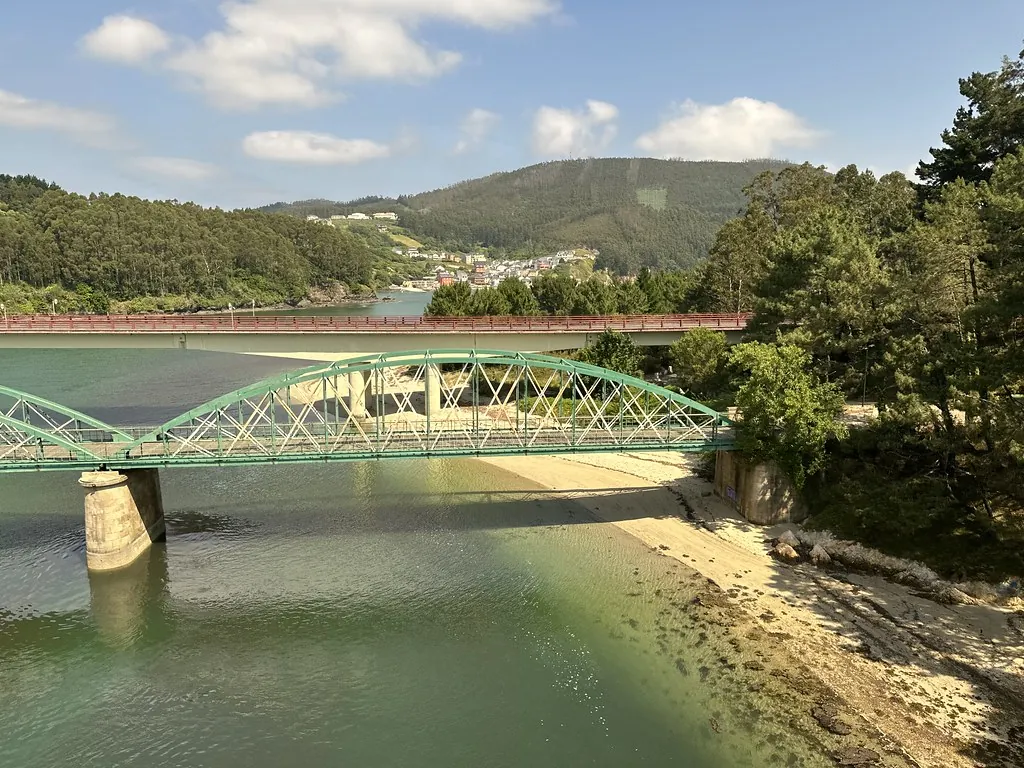
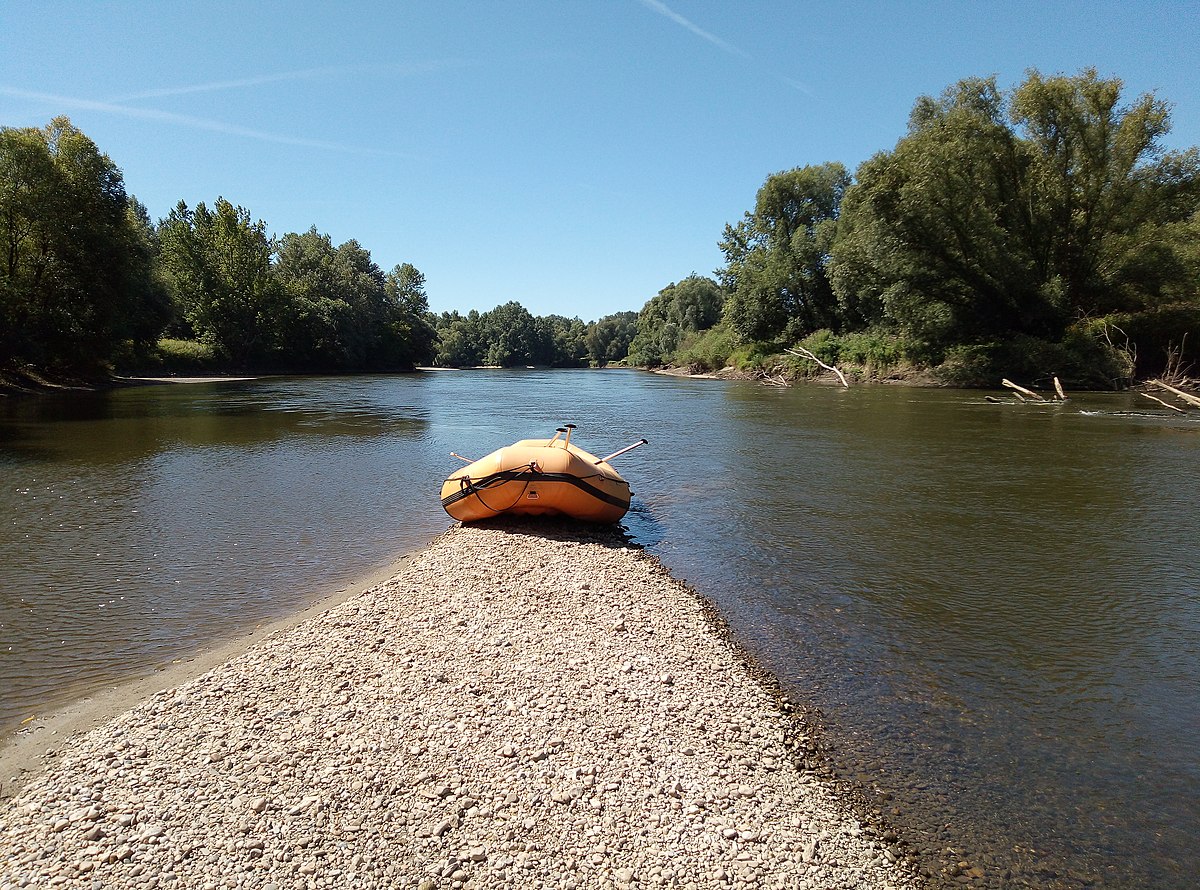
People say three rivers begin in these hills: the Eume, the Landro and the Sor. There is also an old story about three sisters who eventually meet again at the sea, echoing the way those waters part and travel.
Stone that stays
The road down the LU-540 passes one of the first buildings that draws attention: the rectoral of O Burgo. Thick granite walls support a dark slate roof, and a coat of arms still shows the five stones linked to the Counts of Lemos. The wooden door has warped after centuries of damp air. In this part of Galicia, stone tends to remain even as ownership and purpose change.
Not far away, in the Fraga do Castelo, the remains of what was once a fortified house linked to Muras can still be traced. Today there are mostly foundations and faint outlines in the ground, but they hint at a time when crossing this mountain range meant paying a toll to those who controlled the route.
By the late nineteenth century, many residents chose a different path, heading across the Atlantic to Cuba. There, emigrants from Muras formed the Unión Murense, a society that supported newcomers arriving with little more than an address written on a piece of paper.
The church of San Pedro, rebuilt in the seventeenth century, holds a heavy silver processional cross. It is carried through the streets during the feast of San Pedro. The square fills with the smell of grilled sardines and heather honey. Music usually comes from an orchestra set up beside the festival ground, while the north wind carries the sound of pasodobles uphill.
Three rivers and a crossing
The Landro begins in the parish of Silán. Nearby stands a circular tower of medieval origin, built from grey stone blocks that were already in place when these lands depended on the bishopric of Mondoñedo. From the surrounding meadows, the first signs of the river can be seen as water pushes through rushes and marshy ground.
Following the river downstream eventually leads across the Camino del Norte, one of the pilgrimage routes to Santiago. Walkers often arrive with damp backpacks after passing through the mist or fine rain of the Xistral. In the village, a simple place is usually made available for spending the night. It offers the basics for rest, nothing more, which matches expectations in a place where comfort is not the focus.
In Balsa, another Romanesque church stands near the source of the Eume. On its doorway, a carved corbel shows the head of a woman, her expression turned towards the valley as if in surprise. A few metres away, clear water emerges through the grass. During summer, locals sometimes come with containers to collect it. That water is used in some homes to prepare herbal liqueur. If offered, it is best tasted slowly.
The wind that takes and leaves
A return to higher ground makes it clear why wind turbines dominate the skyline. Muras has more blades than residents. They turn with a steady, low hum, as though the mountain itself were breathing. Along the road towards A Gañidoira, they line the ridges, bright against a sky that rarely stays still.
Towards the end of September, a horse fair usually takes place in the area. Young horses and mares are brought down to a dirt circuit near the river. Small groups gather to watch the races and place modest bets. The breeders speak quietly, aware that the wind here seems to carry every word.
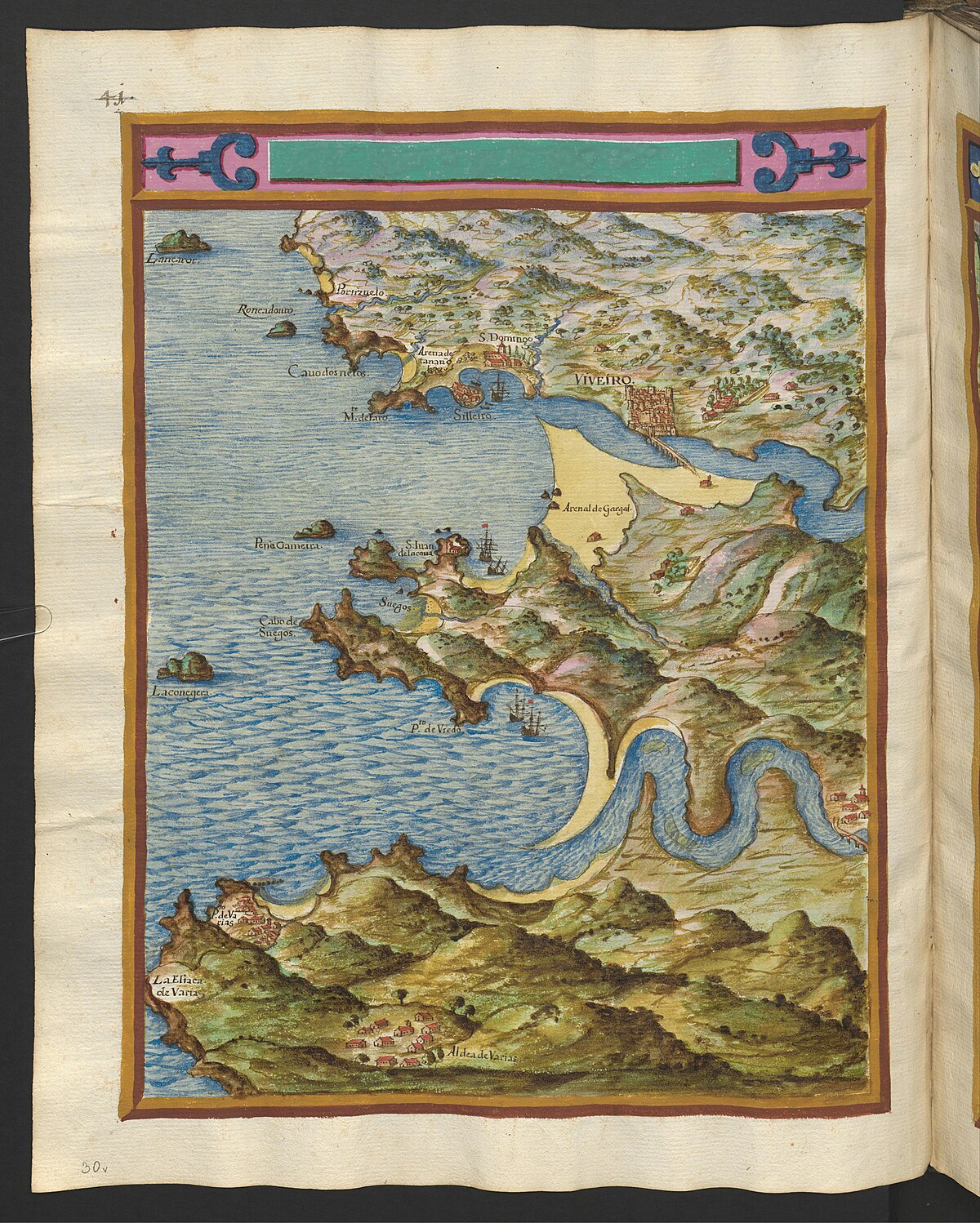
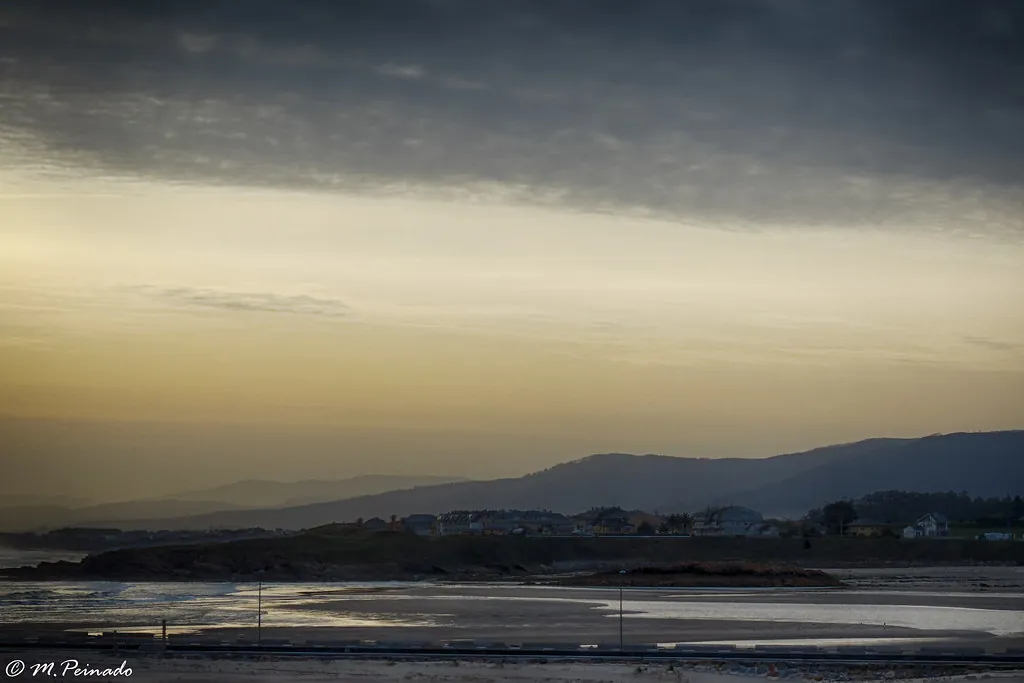
October brings colour back to parts of the Xistral as heather blooms again. The air smells of honey and damp wool. It is a good time to walk the hills that rise towards Viveiró. When the sky clears, gaps in the landscape reveal a distant view of the Ortigueira estuary, a thin silver line on the horizon.
Seasons, paths and small details
Spring tends to be generous. Roadside verges fill with wild daffodils, and the fog often lifts before midday. Even then, sturdy boots are useful. A little rain is enough to turn paths dark and sticky with mud.
The stone bridge known locally as Xelgaiz requires care when wet. Its slabs can be slippery, and ferns grow between the joints.
August changes the rhythm. Families with ties to the area return, and others come seeking cooler air. The centre fills with parked cars, and outdoor dances stretch late into the night. Outside that period, especially during the week, the village settles back into its usual pace: quiet streets, occasional conversations in the square, and the sound of the bread van climbing the hill before it appears around the corner.
Local honey is worth seeking out. Honey from the Xistral often carries a slight bitterness, with hints of eucalyptus and heather. Opening a jar at home brings back that same damp scent of the highlands.