O Vicedo - Flickr
Galicia · Magical

O Vicedo

The queue at the fish counter in O Vicedo starts forming at nine, even on a Tuesday. Locals clutch cloth bags and debate yesterday’s catch in rapid...

1,553 inhabitants · INE 2025
m Altitude
Coast Cantábrico

Why Visit

Coast & beaches

Best Time to Visit

summer

Full Article
about O Vicedo

Ocultar artículo Leer artículo completo

The queue at the fish counter in O Vicedo starts forming at nine, even on a Tuesday. Locals clutch cloth bags and debate yesterday’s catch in rapid Galician while the assistant hauls up crates of velvet crabs still dripping seawater. No one’s in a rush; the sea has already dictated the day’s rhythm. If the boats couldn’t get past the breakwater, there’ll be megrim instead of monkfish, and the price of octopus will edge up a euro. This is commerce at its most honest—no marketing, just what the Cantabrian happened to deliver overnight.

Harbour first, everything else second

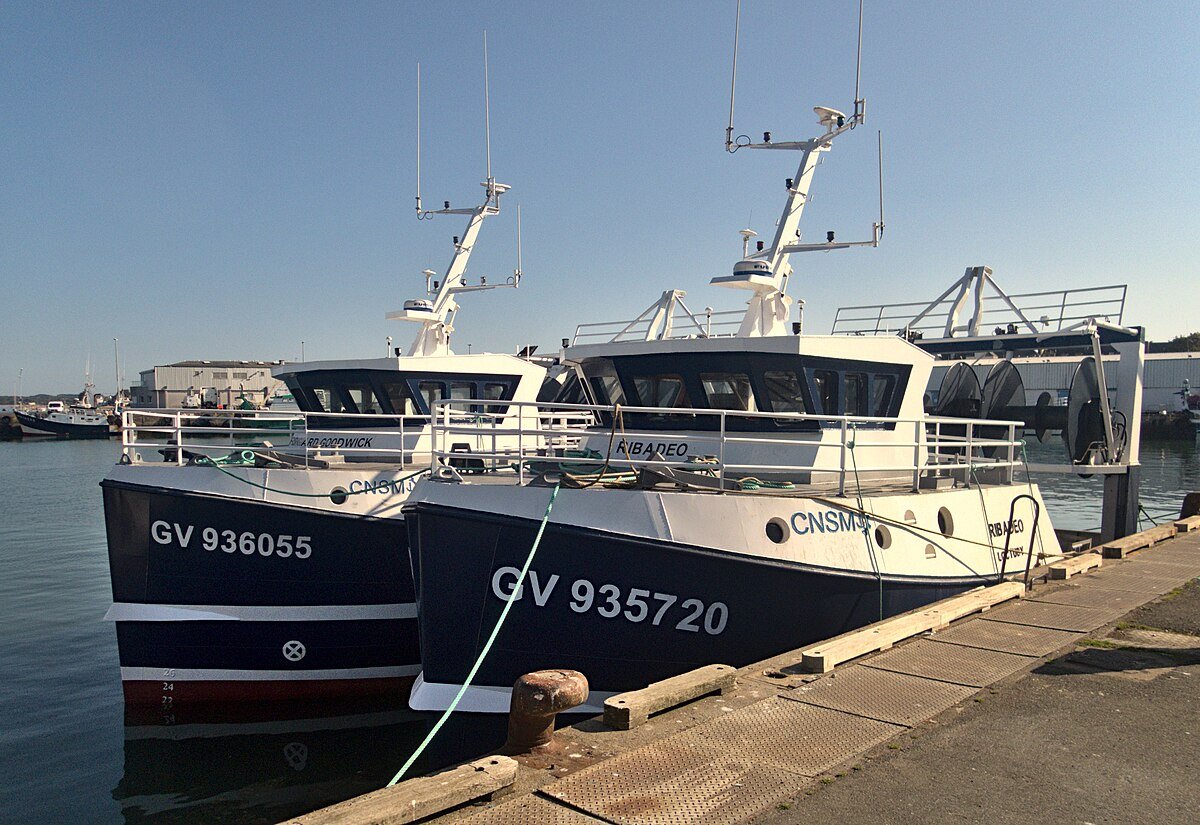
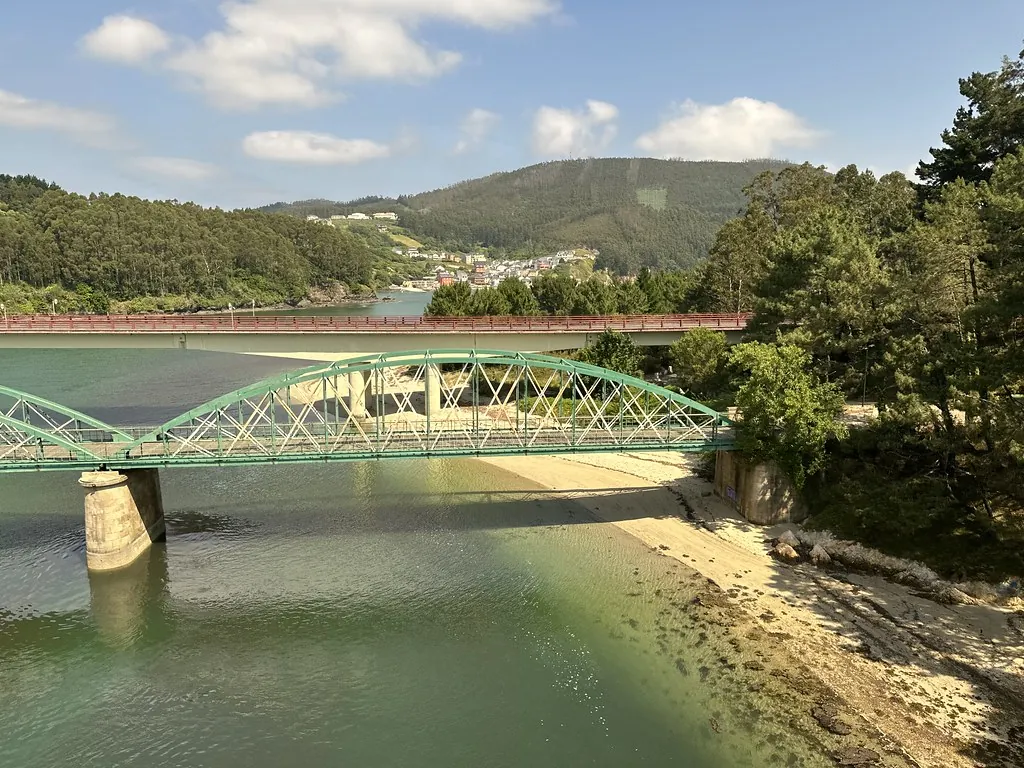
The port sits dead-centre in the village layout, a working inlet rather than a postcard marina. Trawlers painted in fading primaries tie up three deep, their hydraulic winches left in plain view. Gulls pick at discarded squid heads on the concrete and the air carries a low-tide note that no amount of coastal candles could replicate. A five-minute wander reads like a crash course in Atlantic fishing: ice houses, net-repair sheds, a co-op office whose chalkboard lists yesterday’s auction prices per kilo. Photography is welcomed—crews will even haul a crate higher for a better shot—but stand clear of the blue crane; it swings across the quay without warning.

Walk east and the harbour wall becomes a promenade of sorts. Cafés set out plastic tables where old men play cards under navy wool berets. Coffee arrives in small thick glasses, accompanied by a thimble of aguardiente if the barman recognises your accent as non-Spanish. The harbour ends at a rocky point where teenagers launch themselves into green water regardless of swell size; parents watch from parked cars, windows fogged by salt spray.

Beaches that remember the storms

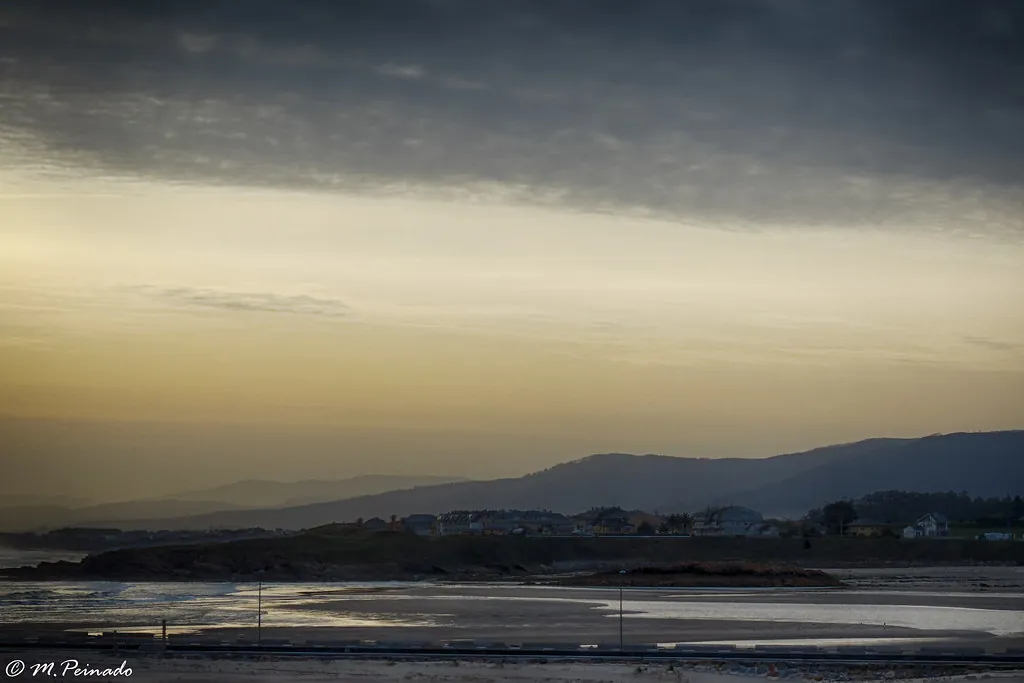
Playa de Fomento stretches north-west for almost a kilometre, a blonde arc book-ended by low slate cliffs. The council grades the sand each morning with a tractor, yet by afternoon footprints are half-erased by wind. It is rarely crowded even in August because British operators don’t include it in glossy brochures; car plates read mostly LU or C for Lugo and A Coruña provinces. Surf schools appear when swells top one metre, but there is no pier, no inflatable playground, no beach-bar DJ—just one wooden kiosk selling Estrella and cucumber-flavoured crisps.

Smaller coves hide south of the headland. Praia da Concha fits perhaps forty towels at low tide; at high water the same patch becomes a metre-wide strip of gravel and everyone retreats to the pine-edge path. Signage warns of resaca—riptides that run parallel to shore before shooting seaward. On rough days the noise inside the cove is almost industrial; smooth days turn it into a natural infinity pool with views of the island of Coelleira, monastery ruins visible as a pale notch.

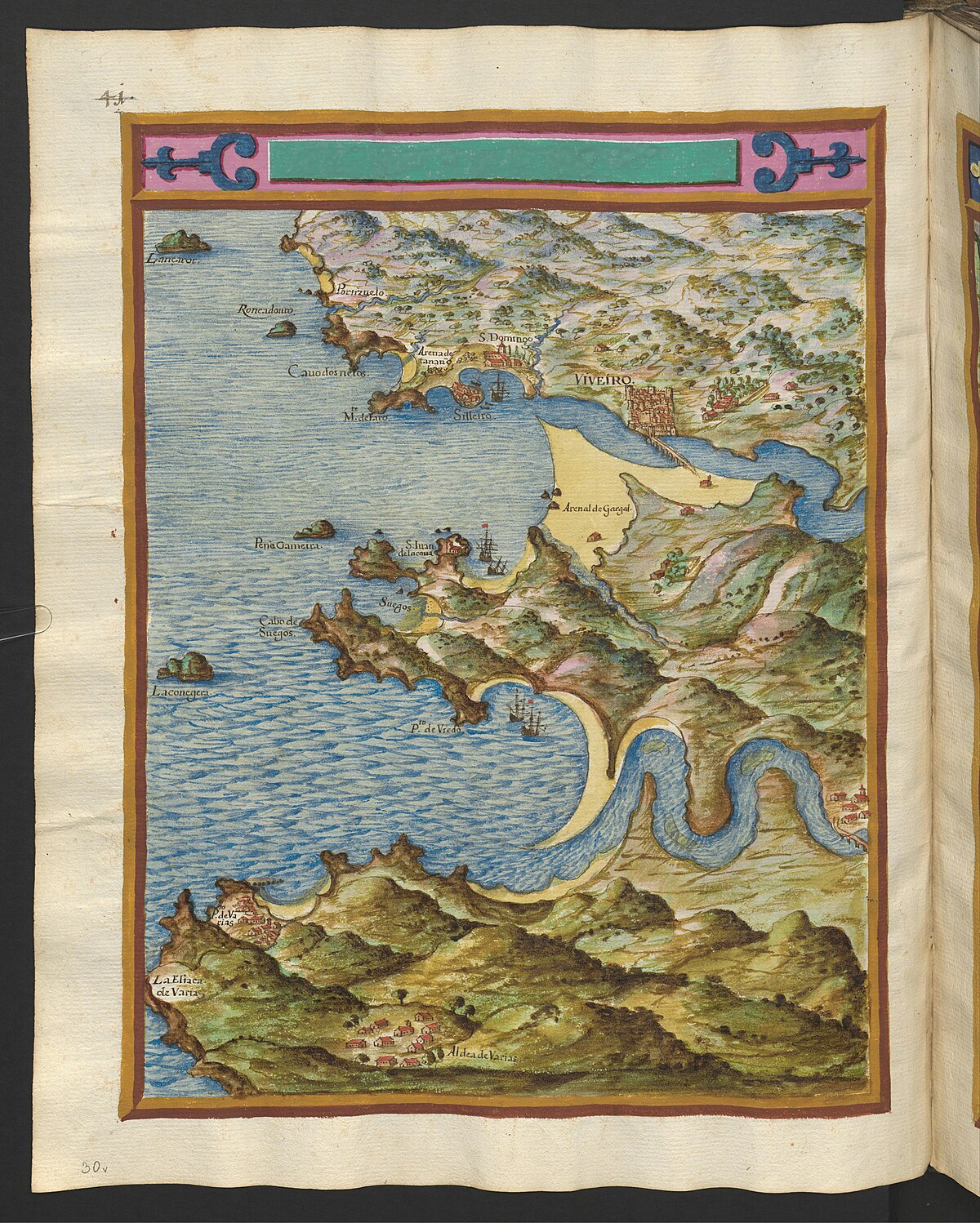
Coelleira itself is reached by motor-launch from the harbour (€12 return, three departures daily in July). The trip takes fifteen minutes across a channel that behaves more like open ocean than river mouth. Once ashore you get forty-five minutes before the skipper blows the horn—enough to circle the island on a sheep track and photograph the ninth-century chapel now missing its roof. Puffins and shags occupy the cliff ledges; bring binoculars if only to avoid staring at your watch.

Cliffs on planks

The marquee walk is the Fuciño do Porco boardwalk, fifteen minutes’ drive west of the village centre. Galicia’s coastal authority bolted a kilometre of timber walkways to sheer basalt so walkers could hover above gannet-level views without eroding the cliff face. The route is linear: you head out on the planks, retrace your steps, total 2.2 km. Storms regularly rip sections away; check the booking site the night before because visits are capped at 250 people per day and you’ll need a QR code even midweek. Early slots offer flat metallic light; late afternoon turns the water cobalt and throws spray onto the handrail. Walking shoes are overkill—trainers suffice—but skip the selfie-stick choreography near the final platform; the wind has flicked more than one phone into 40 metres of foam.

Eating what didn’t get exported

Restaurants line the harbour road, identifiable by hand-written boards that change daily. British visitors tend to gravitate towards grilled monkfish because the flesh is firm, bone-free and doesn’t taste of “fish”. Locals choose arroz con bogavante—a lobster rice that arrives in a casserole big enough for two and costs around €28 per person. Waiters will ask if you want it “para compartir”; say yes unless you’re heroic. Pulpo a feira (octopus with pimentón) is served on wooden plates with cachelos—thick boiled potato coins ideal for mopping the paprika oil. Wine lists favour Albariño; house whites come from closer Ribadeo and cost under €14 a bottle. Service is slow by London standards but that’s the idea: the kitchen sends dishes when they’re ready, not when your app pings.

Vegetarians survive on tortilla and zamburiñas (variegated scallops) are worth trying even for the shellfish-averse; they arrive seared with garlic and taste like sweet seabass. Pudding options rarely exceed four; order tarta de Santiago, the almond tart that happens to be gluten-free and keeps well for tomorrow’s picnic.

When the weather says “no”

The Atlantic doesn’t do concessions. A July morning can begin at 24 °C and slide to 16 °C by lunchtime if a south-westerly picks up. Waterproof jackets get more use than bikinis; pack one even if the forecast shows wall-to-wall sun. Fog rolls in without drama, silencing gulls and turning the lighthouse horn into a bass note you feel in your ribs. On those days swap beaches for interior lanes: stone granaries (hórreos) balance on stilts above potato fields, and every village has a bar where farmers discuss EU milk quotas over short glasses of Estrella Galicia. Mobile reception falters ten minutes inland; download offline maps before you leave the harbour Wi-Fi zone.

Winter travel is possible but the village half-closes. One hotel stays open, two cafés reduce hours to breakfast-only, and the boardwalk shuts for structural checks. What you get instead is wave theatre: swells above four metres explode against the outer cliffs and send spray over the lighthouse at Estaca de Bares five kilometres west. Bring a flask and watch from the car—horizontal rain will sand-blast bare skin.

Arriving and moving

Fly into A Coruña (74 km) or Santiago (111 km) then hire a car; motorways give way to twisty coastal roads where cows have right of way. Fill the tank in Viveiro, 14 km east—O Vicedo’s single garage locks its pumps at 20:00 sharp. Buses exist but timetables favour schoolchildren over tourists; miss the 15:05 and tomorrow looks similar. Parking is free almost everywhere except August weekends when traffic wardens appear overnight; read the signs or you’ll share harbour anecdotes with a tow-truck driver in nearby Ortigueira.

Leaving without the gift-shop moment

There isn’t one. The village offers no fridge magnets shaped like shellfish, no “I ❤ Galicia” tea towels. What you can take away is a paper-wrapped chunk of queso de tetilla bought at the small supermercado and maybe a bottle of orujo the barman poured from an unlabelled plastic drum. Both fit in carry-on if you’re organised. The real souvenir is auditory: the combined clang of halyard against mast that starts at dawn and continues until the boats slide out again at dusk. Long after you’ve reclaimed your wheelie case from the airport carousel, that metallic chime can still drop you back on the harbour wall, tasting salt on your lips and wondering whether the monkfish quota held today.

Key Facts

Region
Galicia
District
A Mariña Occidental
INE Code
27064
Coast
Yes
Mountain
No
Season
summer

Livability & Services

Key data for living or remote work

2024
ConnectivityFiber + 5G
TransportTrain station
HealthcareHospital 25 km away
EducationElementary school
Housing~6€/m² rent · Affordable
CoastBeach nearby
Sources: INE, CNMC, Ministry of Health, AEMET

Planning Your Visit?

Discover more villages in the A Mariña Occidental.

View full region →

More villages in A Mariña Occidental

Traveler Reviews