Full Article
about Ourol
Ocultar artículo Leer artículo completo
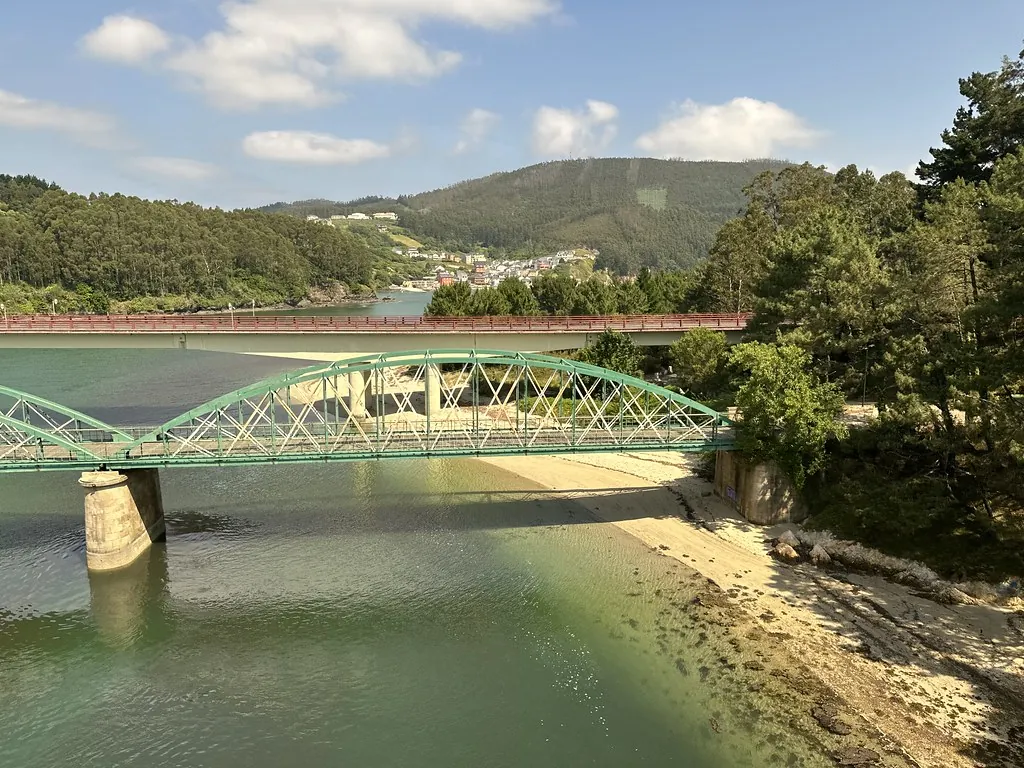
The stone trough outside a barn in A Devesa still runs with spring water, even though the neighbouring farmhouse lost its roof during Franco’s time. That’s Ourol: useful, quietly decaying, and in no hurry to explain itself. Fifty kilometres inland from Lugo’s cathedral, the municipality spreads across a pleated valley where the River Landro slips between chestnut woods and smallholdings no bigger than a Surrey paddock. There isn’t a centre to speak of, just a scatter of hamlets linked by lanes narrow enough to make passing a timber lorry an exercise in diplomacy.
Green Arithmetic
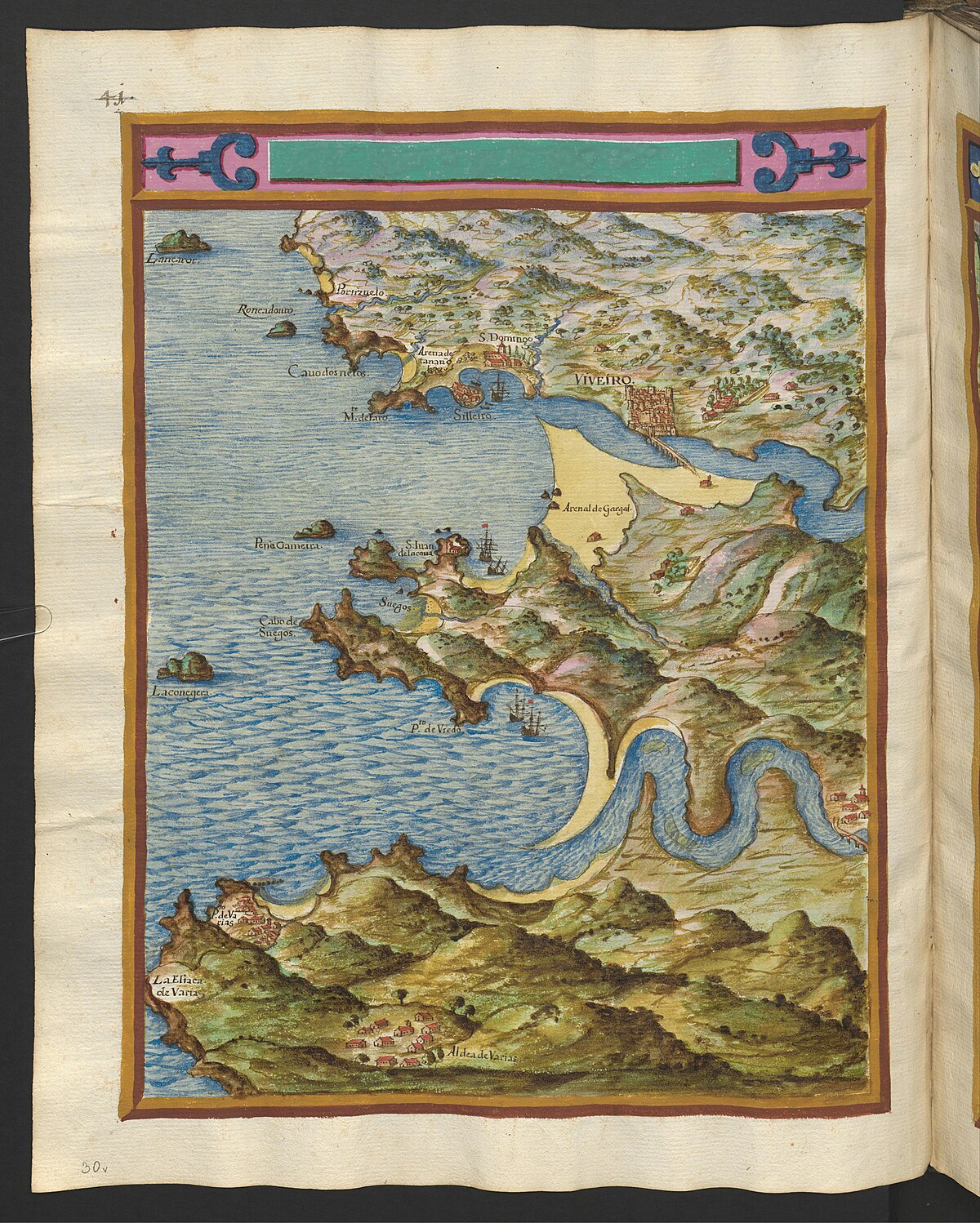
Drive east from Viveiro’s marina and the atlantic façade dissolves within fifteen minutes. Eucalyptus gives way to oak, the air cools by three degrees, and phone reception flickers out. What looks like one continuous forest on the map is actually a patchwork: communal grazing, private plots, and the odd plantation of douglas fir planted when pine prices spiked. Public footpaths exist, but they’re working routes rather than leisure trails. Expect to share the mud with a farmer on a quad bike moving feed sacks, or with chestnut gatherers in October when the valley smells of smoke and caramelised husks.
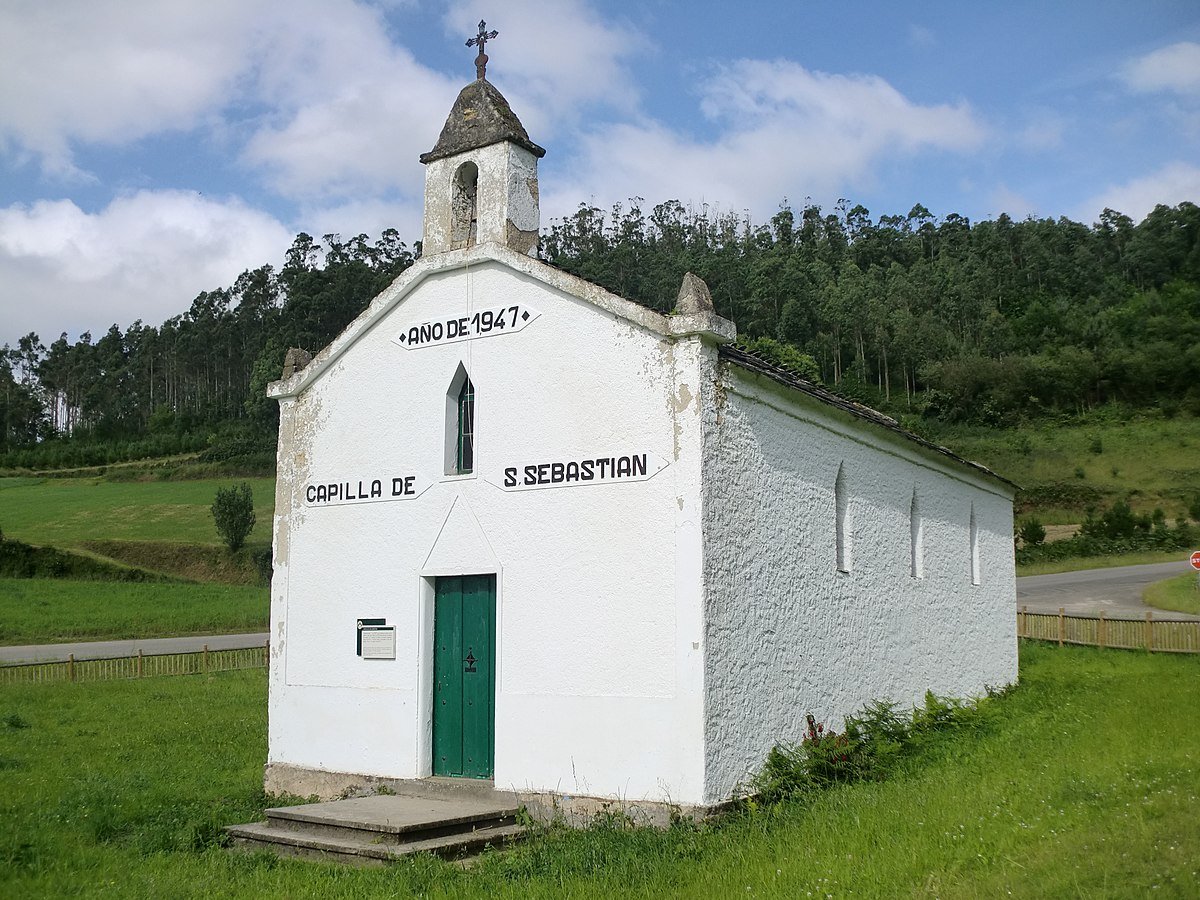
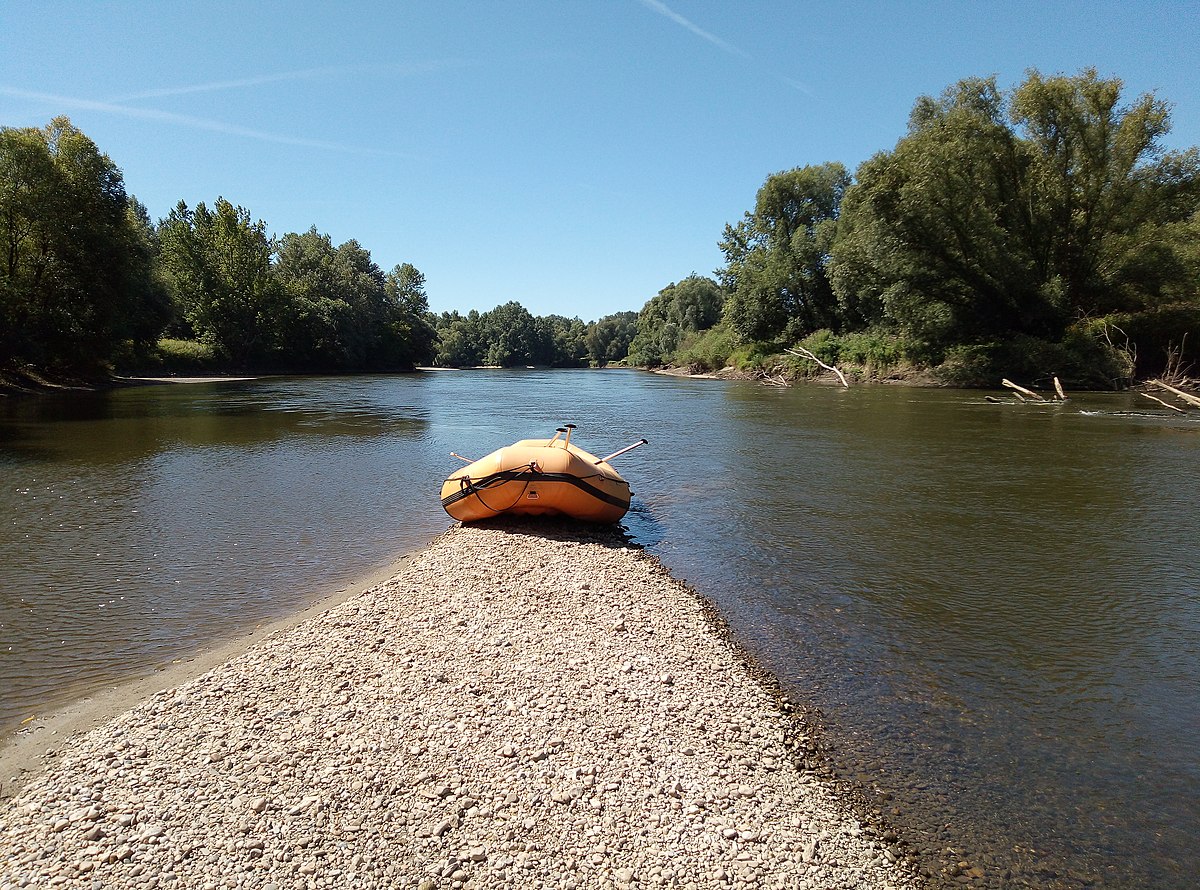
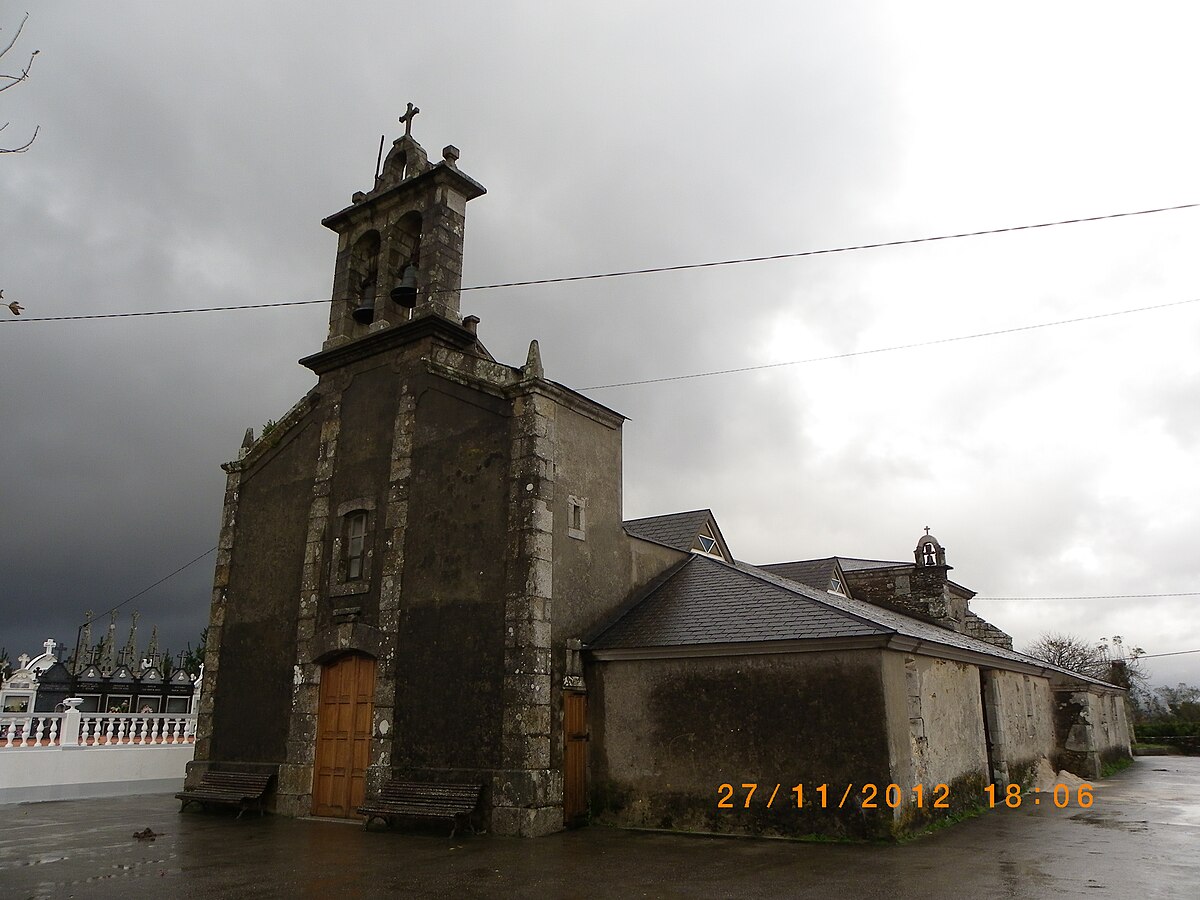
The most straightforward circuit starts beside the parish church of San Xoán. A five-minute stroll past corredores – the open wooden balconies that work like extra fridges in winter – brings you to a Roman bridge so understated that most visitors walk over it twice before realising what it is. From there a farm track follows the Landro for two kilometres, crossing the water three times. After heavy rain the stepping stones disappear; wellies are safer than walking boots. Turn round when the gorge walls close in and the brambles start scratching the car.
Life Without a Plaza
Ourol’s population is officially 1,300 but feels smaller because neighbours are measured by valleys, not doorsteps. The council keeps a list of thirty-odd aldeas; some have six houses, others barely one. Services follow the same minimalist rule. There is no petrol pump, cash machine or supermarket. Bread vans visit on Tuesday and Friday; to catch them you listen for the horn at about ten o’clock, then sprint out with exact change. The nearest doctor’s surgery is in Cabreiros, ten minutes down the LU-P-1601, but the GP only holds appointments three mornings a week. Anything more complicated means the hospital in Xove, half an hour away on roads that ice over in January.
What the place does have is space. British families who rent the converted barns around Chao de Pousadoiro routinely give five-star reviews for “breathtaking mountain views” and “absolute silence broken only by cowbells”. Children raised on Devon campsites find the same freedoms here: damming streams, collecting pine cones, cycling on tarmac warm from the afternoon sun. The difference is the backdrop – a ridge of gorse and heather that could be Dartmoor until you notice the stone granaries raised on stilts to keep mice away from the maize.
Eating by Default
Even Spaniards admit that Galician interior cooking is designed for hunger rather than Instagram. In Ourol the choices are simple: cook, drive, or go without. The tiny shop in Vilaboa stocks UHT milk, tinned tuna and the local San Simón cheese – a pear-shaped, lightly smoked affair that tastes like a milder version of cheddar. A loaf of sliced pan de molde costs €1.20 and doubles as emergency toast when the bakery van breaks down.
For anything fresh you drop into Viveiro before climbing back uphill. At the covered market Mercado da Vila, merluza (hake) arrives every morning except Monday; ask for “cola” tail if you want the bone-free bit that grills in eight minutes. British visitors hankering after something familiar head to Marina restaurant on the seafront: they do turbot with chips and will swap the customary padron peppers for garden peas on request. Back at the cottage, caldo gallego – the region’s white-bean soup – reheats well and requires nothing more exotic than a chunk of chorizo sold in every supermarket.
When the Clouds Drop
Weather is the unspoken landlord. On a clear April morning you can see the Cantabrian glint from the top of the Sierra del Xistral, but by lunchtime a mare’s tail of cloud can slide up the valley and reduce visibility to twenty metres. The change is less dramatic than in Scotland – temperatures hover between eight and fourteen degrees in winter – yet it still catches drivers out. Sat-nav routinely under-estimates the 25-minute hop to Viveiro; add ten if the surface is wet and double that when the autumn gorse fires bring out the fire engines.
Hiking seasons therefore reverse the British pattern. May and June are golden: meadows full of orchids, nights cool enough for sleep, and only the occasional tractor to break the birdsong. July and August turn thick and thundery; mosquitoes breed in the river margins and the grass paths get head-high. September brings colour and chestnuts, while November is simply wet. If you come for Christmas, pack chains – the council grits the main road, but your holiday cottage track is likely to be polished ice until the sun burns through.
A Use-It-Or-Lose-It Landscape
Conservation here is accidental. Land has been abandoned faster than it can be sold, so stone walls slump quietly back into the soil and barns stand open to the weather. The upside is habitat: wildcats have been photographed on night cameras less than five kilometres from the nearest house, and wolves pass through the higher chestnut woods every winter. The downside is access. Footbridges rot, way-markers fade, and the new owner of a ruin sometimes blocks a path that has existed since the 1800s. Keep an OS-style map downloaded on your phone, but don’t be surprised if the dotted line ends in a field of bracken and bemused cattle.
That fragility is part of the deal. Ourol offers no souvenir tea-towels, no flamenco nights, not even a village bar where you can claim a stool as “yours” by day two. What it does give is a slice of rural Europe that still runs on firewood, neighbours and rainfall. Turn up with decent waterproofs, a full tank and a taste for silence, and the valley will return the favour with empty paths, stone bread ovens warm from baking, and nights so dark you’ll remember what the Milky Way actually looks like. Just don’t linger until the shops shut – the cheese van only sounds its horn once.