Full Article
about Trabada
Ocultar artículo Leer artículo completo
The stone hórreo stands in a field like a raised middle finger to modernity. These granaries on stilts—part storage unit, part status symbol—dot the landscape around Trabada, each one slightly different from its neighbour. Some have crosses carved into their stone legs. Others sport weathered symbols that might be religious, might be practical, might be both. They're the closest thing this scatter of parishes has to a tourist attraction, and frankly, that's the point.
The Territory That Refuses to Be a Village
Trabada isn't really a village at all. It's a municipality of 5,000 souls spread across 71 square kilometres of Galicia's interior, where the road signs point to places you've never heard of and probably can't pronounce. The administrative centre—if you can call it that—clusters around the 18th-century Santa María church, but most people live in hamlets so small they barely register on Google Maps. Drive five minutes in any direction and you'll hit another collection of stone houses, another field of cows, another track disappearing into eucalyptus plantations.
This is A Mariña Occidental's back garden, where the coast's summer crowds evaporate like morning mist. From the beaches of Ribadeo—25 minutes away by car, though it feels like entering a different country—Trabada offers respite from €15 gin and tonics and selfie sticks. The temperature drops five degrees. The air smells of damp earth rather than sunscreen. Your mobile phone signal becomes distinctly optional.
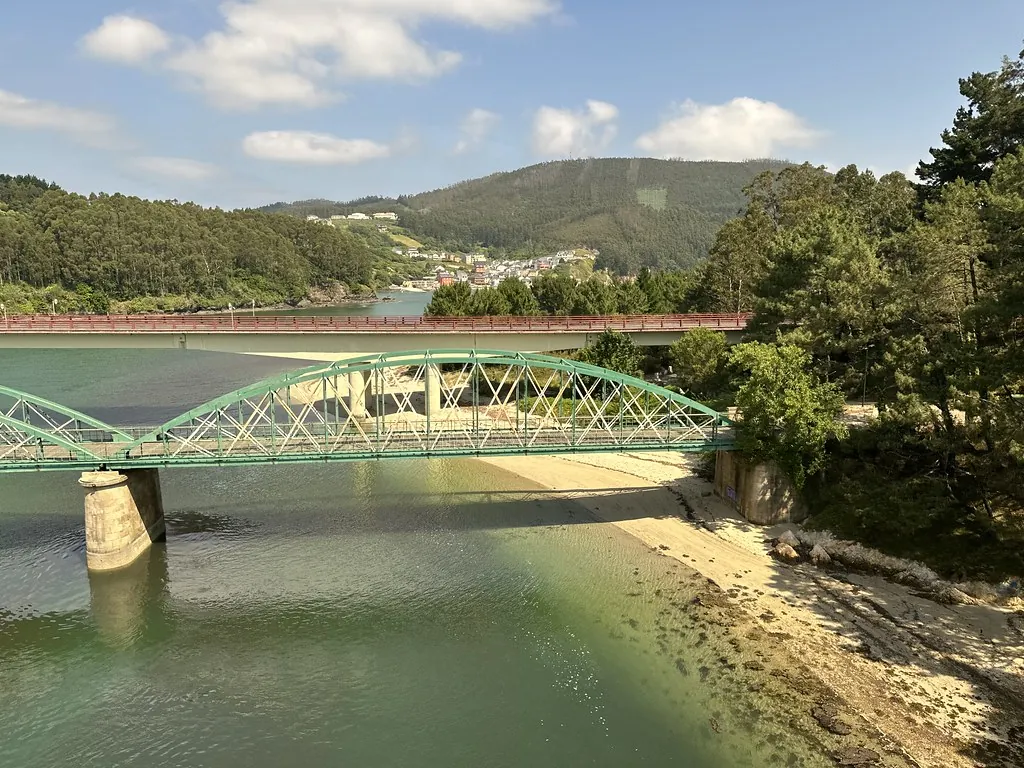
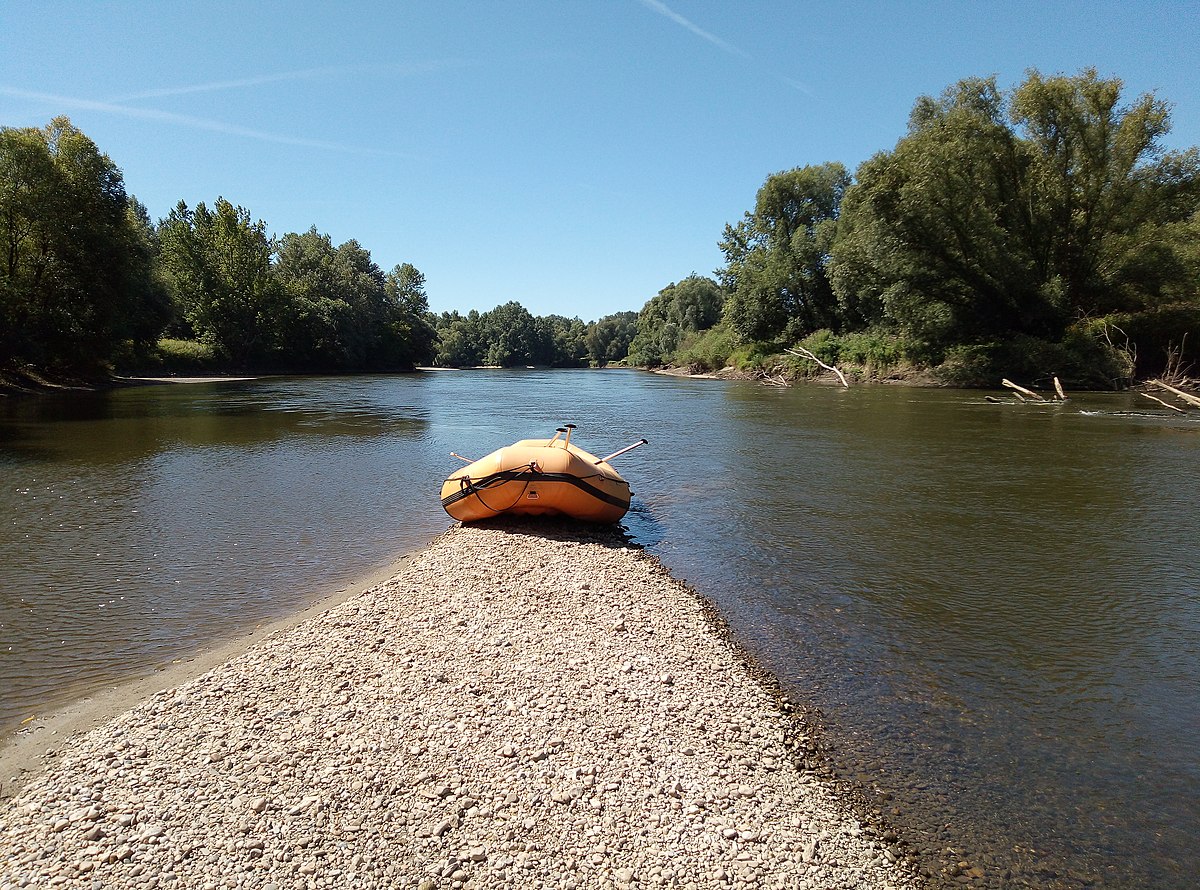
The river Suarón snakes through it all, sometimes visible, sometimes just a sound of water rushing through vegetation. On humid days—and there are plenty—the moss-covered oaks (carballos, if you're trying to remember your Galician) create natural cathedrals where the light filters through green. It's walking country, though not in the Lake District sense of well-marked paths and National Trust tea rooms. More in the sense that if you ask for directions, you'll probably get a shrug and "sigue el camino"—follow the track—because everyone assumes you know where you're going.
What Passes for Sights (and Why That's Brilliant)
There is no checklist here. No ticket office, no audio guide, no gift shop selling fridge magnets. The architecture is vernacular rather than monumental: stone houses with slate roofs that have settled into the landscape over centuries. Corridors—covered walkways that connect house to barn—create practical tunnels against Galicia's horizontal rain. The occasional cruceiro (stone cross) appears at junctions, some dating back to medieval times, others Victorian additions that mark someone's idea of piety or penance.
The hórreos—called cabazos locally—are the real stars. Unlike the tourist-board-perfect examples you'll see on postcards from Santiago, these working structures lean slightly, their stone bases green with lichen, their wooden sides patched with whatever came to hand. They're functional, storing corn or hay away from rodents, but they're also statements. Size matters. Decoration matters. The wealthiest families built the biggest granaries, and some still bear the family initials carved into stone.
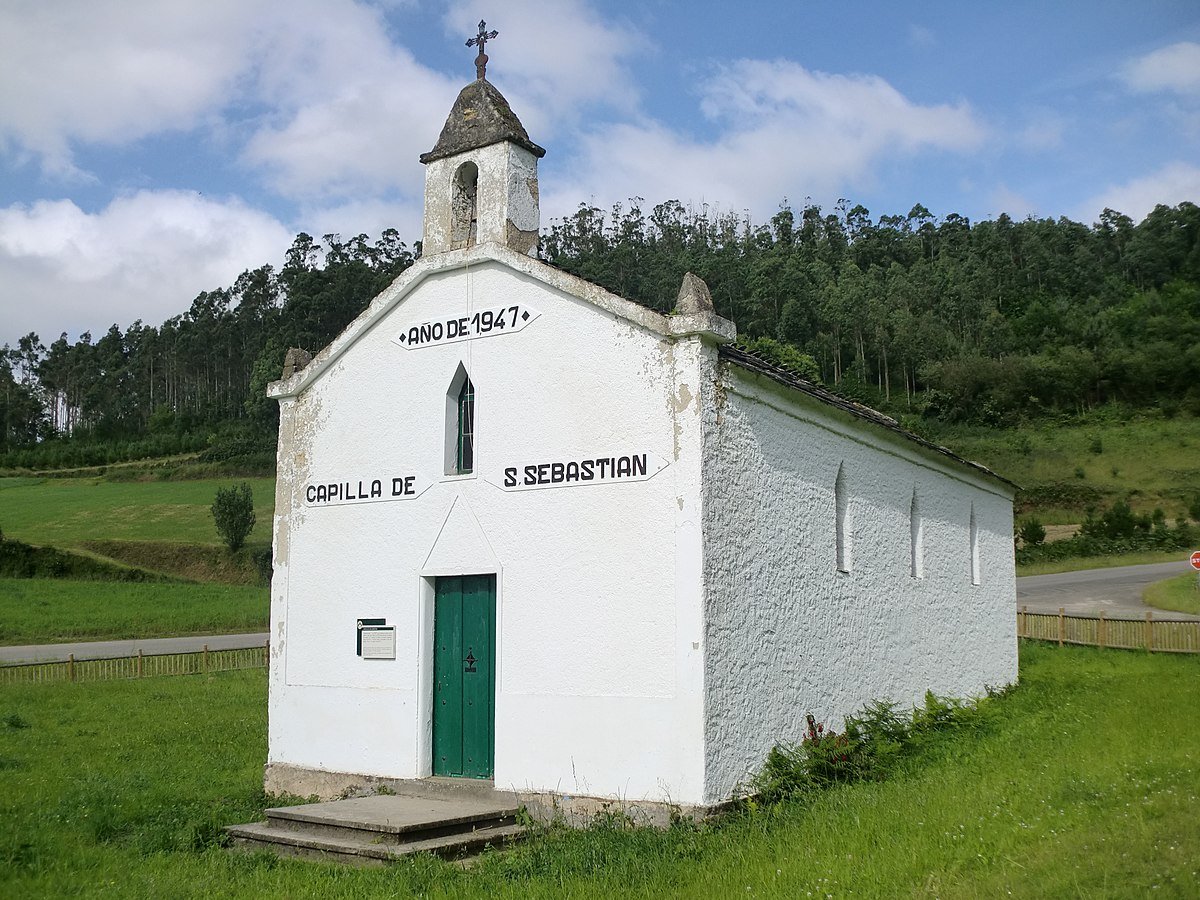
Walking between parishes reveals the subtle hierarchy of rural life. Larger hamlets have a bar—usually open only in the mornings and possibly again in the evenings if someone's birthday demands it—where old men drink coffee and discuss football in Galician. Smaller settlements might have a church that's open only on Sundays, its key kept by someone's aunt. The road surfaces deteriorate as you leave the centre. Tarmac becomes compacted earth becomes muddy track becomes someone's driveway, and you realise you've gone too far.
The Seasonal Reality Check
Spring arrives late and suddenly. One week the oaks are bare; the next, everything's green and dripping. April and May are prime walking months, when tracks are firm underfoot and the countryside smells of growth rather than decay. Wildflowers appear in field margins. The sound of cuckoos echoes across valleys. Local restaurants—there are two, both in the main village—start serving caldo gallego made with greens from nearby gardens.
Autumn brings mushroom hunters, serious people with knives and local knowledge that borders on the mystical. They disappear into the woods at dawn and emerge with baskets of boletus edulis, driving home carefully because everyone knows someone who's been stopped by the Guardia Civil carrying more than the legal limit. The landscape shifts through ochres and rusts. Morning mists settle in valleys, making every view look like a Romantic painting—until you try to walk through it and realise your trainers aren't waterproof.
Summer is when Trabada becomes useful rather than beautiful. Coastal dwellers escape here when their villages fill with tourists and the temperature hits 35°C. The interior stays cooler, shadier, quieter. You can walk for an hour without meeting anyone, though you'll hear dogs barking from farms and the distant sound of someone cutting wood for winter.
Winter is when the place reveals its true character. Rain doesn't fall so much as materialise from all directions. Paths become streams. Boots become essential. The landscape closes in, green turning to brown, views shrinking to whatever you can see through the drizzle. Some tracks become impassable even with a 4x4. The smarter locals head to relatives in Vigo or A Coruña, returning only when the weather remembers it's supposed to be Spain.
Practicalities for the Unprepared
Getting here requires a car. The A-8 motorway skirts the coast; you peel off at Ribadeo or Vegadeo and head inland on roads that narrow with every kilometre. Public transport exists—a bus from Lugo twice daily if the driver's available—but you'll spend longer waiting than walking. Once here, mobile coverage is patchy. Vodafone might work in the village centre. Orange probably won't work anywhere. Your sat-nav will try to send you down farm tracks that end in someone's garden. Trust the road signs, such as they are, and ask directions from anyone you meet. Galicians are friendly but understated; "not far" might mean three kilometres uphill.
Bring cash. The village ATM runs out of money at weekends. The bakery closes at 2pm and doesn't reopen. The supermarket—singular—stocks basics but closes for siesta between 2pm and 5pm. If you're planning to walk, carry water and something to eat because the next bar might be closed for a family funeral or simply because the owner's gone fishing.
Staying overnight means choosing between the casa rural (three rooms, booked solid through August by families from Oviedo) or driving back to the coast. There is no hotel. There are no plans for one. This is not an oversight.
The Honest Truth
Trabada will disappoint if you're seeking Instagram moments or medieval highlights. It's territory rather than destination, a place that rewards patience and punishes haste. The appeal lies in its refusal to perform for visitors. The hórreos aren't restored or floodlit; they're just there, doing what they've done for centuries. The churches aren't heritage sites; they're locked most of the week because Father's covering three parishes and can't be everywhere. The landscape doesn't deliver wow moments; it offers instead the slower pleasure of watching how people live when they're not trying to impress anyone.
Come here after the coast's crowds and prices, and Trabada feels like exhaling. Walk until your phone loses signal. Find a track that peters out into a field and turn back. Sit by the Suarón until you can distinguish the sound of water from the sound of wind in the trees. Realise that the stone cross you're admiring has been standing here since before your village in Britain had electricity, and that nobody's thought to put up an information board because everyone locally knows the story anyway.
Then drive back to the coast, or inland towards Lugo, or wherever you're heading next. The hórreos will still be there, leaning slightly more, green with another season's lichen. The cows will still be in the fields. The bar will still be open from 8am until 2pm, unless it isn't. And Trabada will continue being exactly what it is: not hidden, not secret, not waiting to be discovered. Just itself, which is rarer than it sounds.