Full Article
about Allariz
Ocultar artículo Leer artículo completo
The first thing you notice is the water. Even before the stone lanes come into view, the River Arnoia announces Allariz with a low, steady rush that echoes off the valley walls. Pull in at the signed riverside car park—ignore the sat-nav’s attempt to haul you uphill—and you’ll see why locals claim the town only makes sense when you start at the bottom. From here the medieval grid climbs sharply, a tangle of granite, moss and unexpected balconies, while the flat riverside path offers the sort of stroll that even push-chair pushers can manage without wincing.
Uphill, then down again
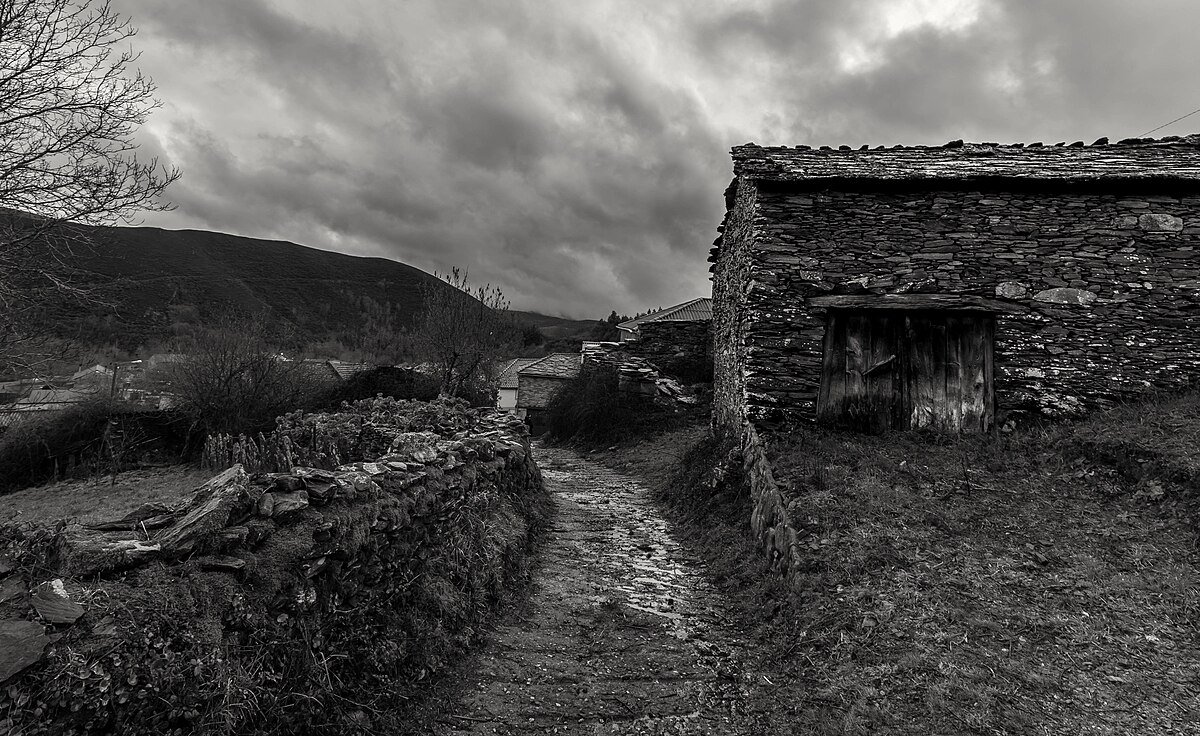
Cobbles are rarely forgiving, and Allariz does not apologise. The historic centre is compact—barely a dozen streets—but the gradient is real. Start in the Campo da Barreira, an irregular square framed by arcaded houses and the sort of stone coats-of-arms GCSE textbooks once labelled “Spanish Renaissance”. From here every lane tilts upwards. Within five minutes you’re above roof level, peering down into gardens where lemon trees grow in pots and washing flaps like Tibetan prayer flags. The Church of Santiago appears suddenly, its Romanesque portal half-hidden by a plane tree; step inside and the temperature drops by several degrees, the air thick with wax and the faint metallic tang of old incense. There is no charge, but a discreet plate suggests a euro for maintenance. Drop it in—lights don’t illuminate themselves.
Keep climbing and you reach the former monastery of Santa Clara. Expectations should be calibrated: only a small museum section is open to the public, and the adjoining church façade is, frankly, plain. A dusty car park replaces any notion of monastic tranquillity. The real reward is the view back over the valley—ochre roofs, the silver thread of the Arnoia and, beyond, the chestnut-covered sierra that separates Allariz from the industrial sprawl of Ourense, 25 km south.
Descent is easier. Slip down any alley labelled “Rúa do Pozo” or “Travesía da Raíña” and you’ll emerge beside the river within minutes. Here the atmosphere changes completely: shade from poplars, the smell of damp grass, and the rhythmic clack of a restored water-mill. This is the Parque Etnográfico, a linear outdoor museum that explains, in blessedly short English panels, how tanneries, flour mills and fulling workshops once lined the banks. Galicia’s frequent rain becomes an asset; the louder the river, the better the photo.
Leather, toys and almond cake
Allariz never depended solely on agriculture. From the mid-19th century the town grew rich on leather—gloves, saddles, army belts—shipped south to Portugal and north to the Atlantic ports. Several workshops still operate, their doors open to reveal the same sweet-tang of curing hides that your grandfather’s suitcase might remember. Pop into Curtidos Pérez on Rúa do Comercio and you can watch a craftsman hand-stitch a belt while explaining, in measured Castilian, why vegetable tanning beats chrome every time. Prices are lower than Cowley’s discount outlets—a proper leather satchel starts around €80 and will outlive its owner.
If handbags don’t enthuse the under-18s, divert to the Museo Galego do Xoguete (Galician Toy Museum). Housed in a former hospital, the collection ranges from 1920s tin plate lorries to Barbie’s Catalan cousin. Labels are bilingual and there’s a hands-on corner where children can race wooden cars down a ramp without setting off alarms. Adults may find the fashion-through-the-decades section equally fascinating; apparently Galician women embraced the mini-skirt a full three years ahead of Madrid. Admission is €2; closed Mondays and whenever the curator’s grandchildren visit.
Come mealtime, stay riverside rather than hunting for panoramic terraces. The square at the top shuts down between 16:00 and 20:30, and waiters will happily let you starve if you miss the slot. At O Pesqueiro, 50 m from the main car park, order a media ración of pulpo a la gallega—tender octopus dusted with pimentón and served on a wooden platter—and a bottle of Ribeiro white. The wine is light enough for lunch at 13:00, low enough in alcohol to keep the afternoon’s cobble navigation safe. Finish with tarta de Santiago, an almond cake that happens to be dairy-free and therefore acceptable to vegans, lactose-intolerant cousins and pretty much everyone else. Price for two courses and wine: about €22 a head.
Festivals, wet socks and when not to come
Allariz’s calendar revolves around water and cattle. The Festa do Boi, usually the first weekend of September, sees a small herd of decorated oxen paraded through streets lined with chestnut-roasting stalls. It’s colourful, noisy and impossibly crowded; accommodation within 20 km sells out months ahead. If you hate jostling, pick the spring Garden Festival (May-Oct) when temporary beds of camellias and rhododendrons turn the riverside into a floral catwalk. Pop-up cafés appear, English leaflets materialise, and entrance to most exhibitions is free. The downside? Everyone’s here. On Sundays the riverside path becomes a slow-moving queue of buggies and spaniels.
Winter visits bring their own rewards—mist on the water, stone glistening like obsidian, the smell of wood smoke—but also hazards. Cobbles ice over quickly; Galician rain is horizontal rather than vertical; and both museums shut on random Tuesdays. The toy museum’s heating is best described as theoretical. Bring grip-soled shoes and a sense of humour.
Getting there, getting out
Allariz sits 25 km west of Ourense, 110 km south of Santiago. From the UK fly into Santiago (Stansted and Gatwick year-round) or Porto (three hours’ drive, mostly motorway). Car hire is sensible; public transport means a bus to Ourense then a second, infrequent service that misses the best part of the day. If you insist on the latter, note that the last return coach departs at 19:15 and taxis after 22:00 are mythical creatures—book ahead or prepare to overnight. Parking by the river costs €1.20 for four hours; coins only, no contactless. There is no cashpoint inside the old town, so withdraw euros at the top-of-town square before you descend.
Worth the detour?
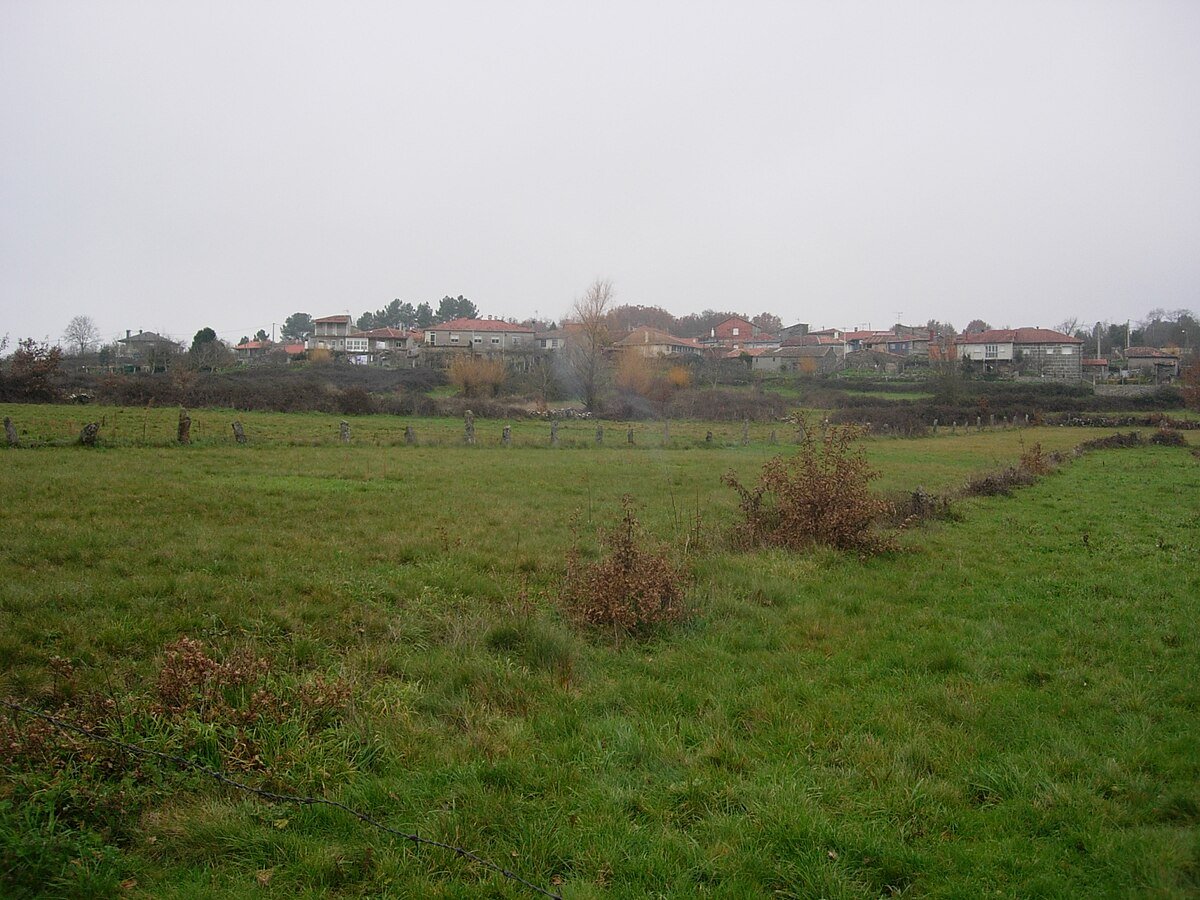
Allariz will never compete with Santiago’s cathedral or Bilbao’s Guggenheim. It is, deliberately, a town that works on a human scale: 6,000 inhabitants, three main churches, a single set of traffic lights. Spend two hours and you’ll leave with a pleasant memory; linger half a day, bread-crumbing the river path and sampling leather smells, and you’ll understand why it pocketed a European urbanism award long before “regeneration” became a municipal buzzword. Come prepared for hills, for closing hours that defy British logic, and for weather that can turn a camera lens into a shower head. Manage those three and Allariz offers a concise, convincing snapshot of inland Galicia—no superlatives required, no regrets guaranteed, provided you remembered sensible shoes.