Full Article
about Cartelle
Hide article Read full article
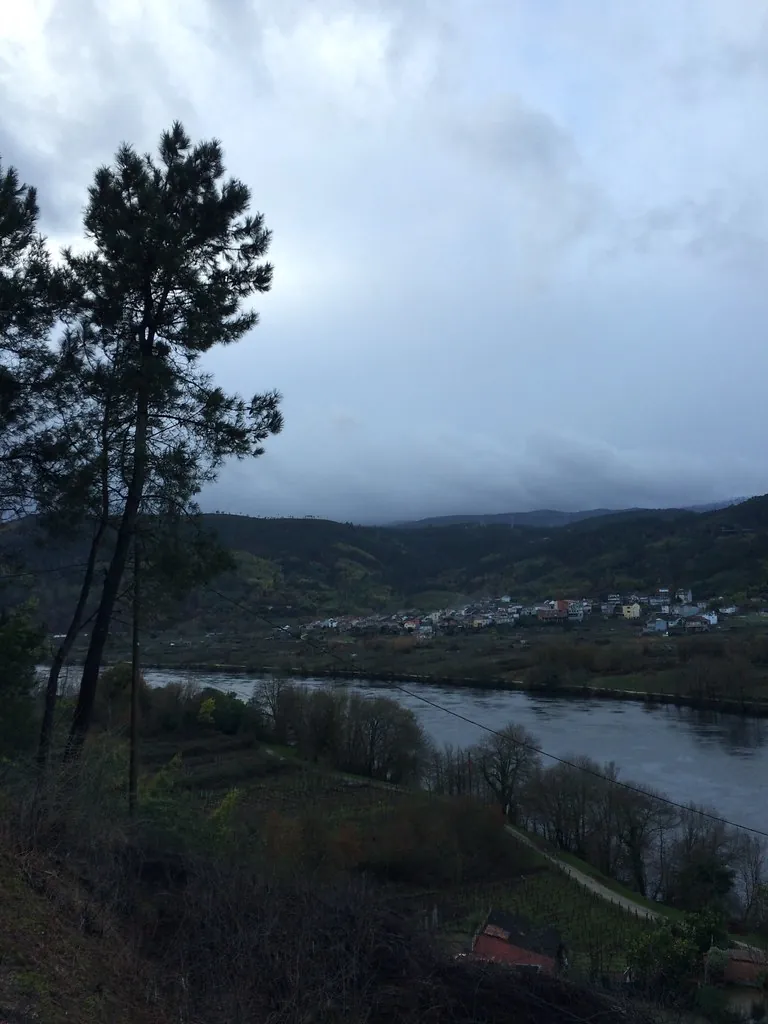
The bells of Santa María strike eight while the mist still clings to the Arnoia valley. From the cruceiro of Outomuro, a stone cross worn down by rain and wind, you can make out slate roofs beginning to smoke as morning fires are lit. At that hour, tourism in Cartelle feels like a distant idea. The air smells of damp wood and freshly baked bread, and the silence is broken only by the occasional car on the regional road.
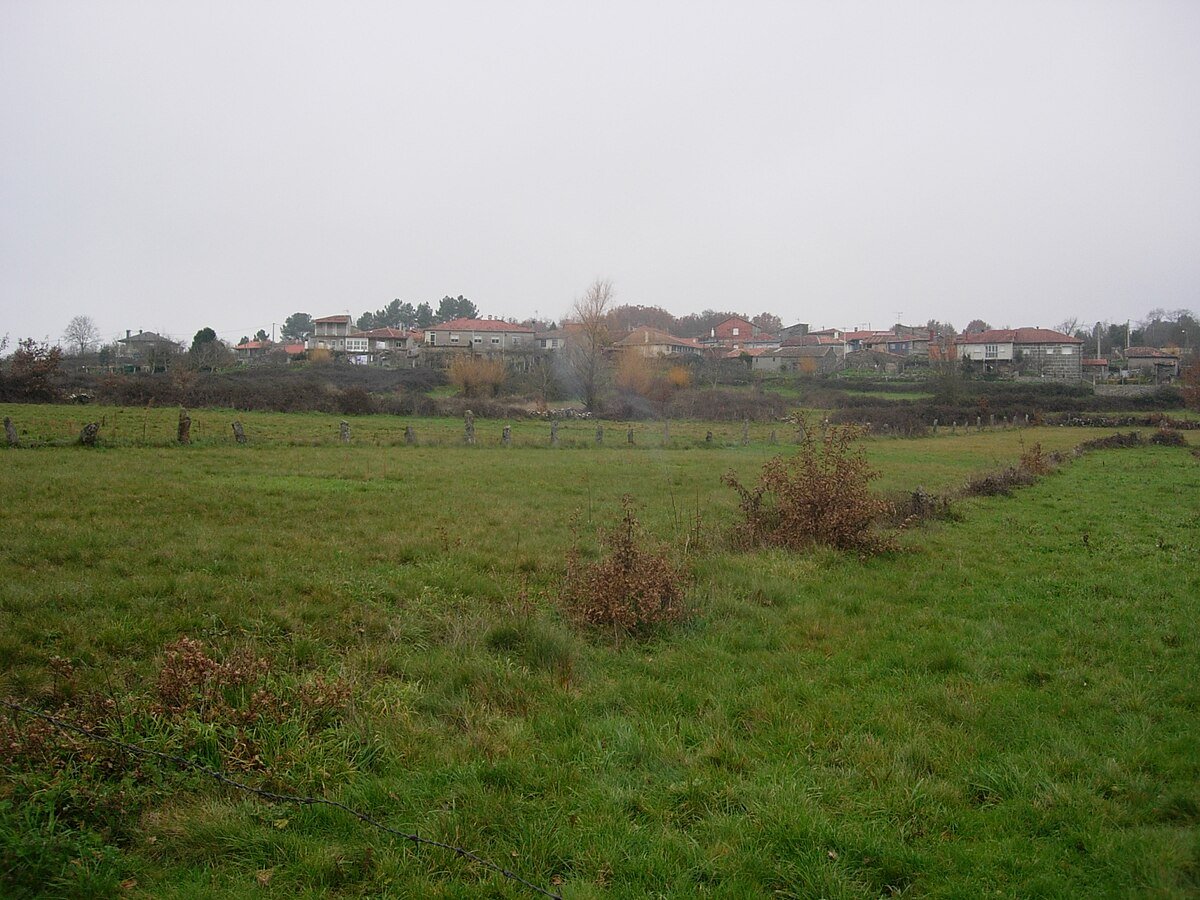
When the sun finally dissolves the haze, the full landscape comes into view: small plots of land, scattered vineyards and houses gathered into hamlets separated by little more than a couple of bends in the road. This is inland Ourense, rural Galicia in its most understated form.
The Stone That Speaks
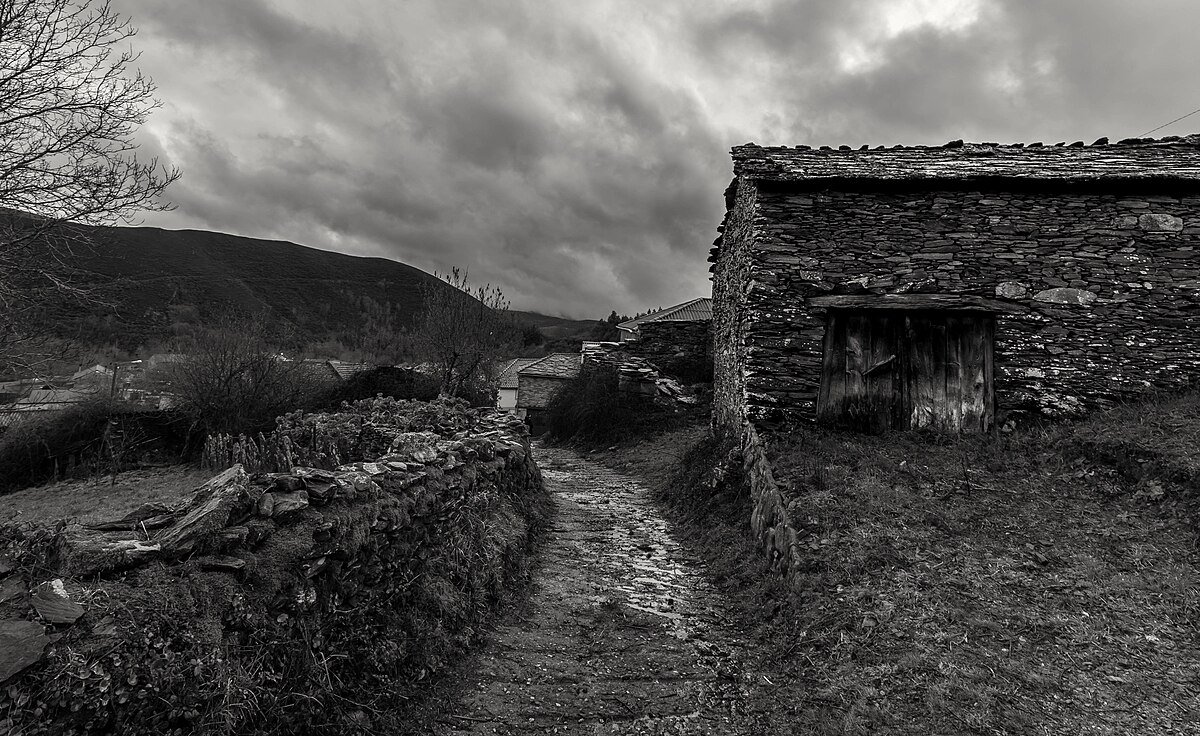
The Torre de Sande appears among pines and eucalyptus almost without warning, as if it had been set down and forgotten. It is a medieval tower, probably dating from the 14th century, built in a spot that commands wide views over the surrounding territory. From the top, the structure of the land becomes clear. Minifundio dominates, with countless tiny holdings. Dry stone walls trace irregular lines across the slopes, and narrow paths twist between fields and vineyards.
This area was once crossed by the Roman Vía Nova, the road that linked Braga and Astorga. Fragments of it remain scattered across the countryside, but the most visible trace is the Puente de Freixo over the Arnoia. The bridge has two stone arches and is often dated to Roman times, although later reconstructions have altered its appearance.
Reaching the river and crossing it requires care. The stones of the bridge have been polished smooth and can be slippery when damp, which is often the case here. In summer, the Arnoia runs more gently. In its deeper pools, local children still bathe in the late afternoon when the heat presses down on the valley.
When the Town Dresses Up
On Whit Monday, Cartelle shifts its centre of gravity towards the Santuario de As Marabillas. From early in the day, cars make their way up the roads and people walk along the paths that lead to the shrine. The scent of resol, a local aniseed liqueur, mingles with that of meat roasting slowly over open fires.
This is not a pilgrimage designed with visitors in mind. Families arrive with baskets, tablecloths and large containers of Ribeiro wine. Mass is celebrated, and then the day unfolds beneath the carballos, the native oaks, with long after-lunch conversations that stretch well into the afternoon. Anyone who turns up that day would do well to arrive early and take time to observe before lifting a camera. It is a gathering shaped by habit and memory rather than spectacle.
At the end of August, the fiestas of San Ramón in Soutelo alter the mood for a few days. Fairground stalls are set up, music carries on into the night, and dust from the road hangs in the air as people drift in and out of the square. It is one of the rare moments in the year when the municipality has noticeable nightlife.
For the rest of the year, once the evening passes, silence returns as the default setting.
The Art of Not Getting Lost
Cartelle does not lend itself to a checklist approach. Many of its most interesting corners are scattered across parishes and secondary roads, without signs or explanations.
A good starting point is Outomuro. Leave the car and walk without hurry along the paved lanes that branch off towards nearby hamlets. Vineyards open up between houses. You pass hórreos, the raised stone granaries typical of Galicia, small chestnut groves and kitchen gardens pressed close to the walls of homes. In autumn, fallen leaves blanket the ground and every step produces a dry, steady crunch.
In the atrium of the church of Santa María lies an old tomb well known in the area. The stone has been worn smooth by countless hands. Some locals say that rubbing your palm over it three times helps ward off the evil eye. There is no sign to explain the custom. The only clue is the faint shine left by generations of touch.
What Remains Unseen
Like many municipalities in the interior of Ourense, Cartelle has seen part of its younger population leave for the city over the decades. In some hamlets, houses remain closed for much of the year. Others open only in summer or during fiestas, when families return.
At the same time, ties to the church have been strong for generations. The area has traditionally produced a notable number of religious vocations, something still mentioned in Sunday conversations after mass, when neighbours linger for a while in the square before heading home.
Inside those homes, cooking follows long-established patterns. Caldo gallego appears when the weather turns cold. Potatoes cut into cachelos, grelos from the garden and a piece of unto, cured pork fat, give the soup its deep aroma that fills the kitchen. In winter, the matanza del cerdo, the traditional pig slaughter, also leaves its mark. Many larders continue to store sausages and fat in glass jars.
If invited to sit at the table, there is rarely a set menu or a strict timetable. You eat what has been prepared that day. Wine is poured into thick glasses that have survived many long sobremesas, the extended conversations that follow a meal.
When to Go, What to Expect
Autumn is often a good time to visit. Morning mist settles over the valley before the sky clears towards midday. In vineyard areas during the vendimia, the grape harvest, the air carries the scent of must and damp wood.
Winter brings real cold, which is felt inside stone houses. Some local establishments reduce their hours or close for a few days, particularly around key dates, and that is worth bearing in mind. Outside the summer and festival periods, evenings are quiet and movement across the municipality is limited.
Cartelle does not compete for attention. It asks for patience instead. Its appeal lies in the slow revelation of landscape, in the weight of old stone and in the rhythm of days that still follow familiar patterns in the Arnoia valley.