Full Article
about Maceda
Hide article Read full article
Hot chestnuts split between your fingers as you peel back the brown paper. It is a Sunday morning in November, around eleven, and the smell of wood smoke drifts up from stalls in the square. Someone on a bench blows gently over a glass of young wine. Above it all, the Castelo de Maceda stands watch from its rocky perch, as it has for centuries. Arrive on days like these and the rhythm of tourism in Maceda becomes clear: walk slowly, look up often, and let the place reveal itself in its own time.
Granite light and a watchful castle
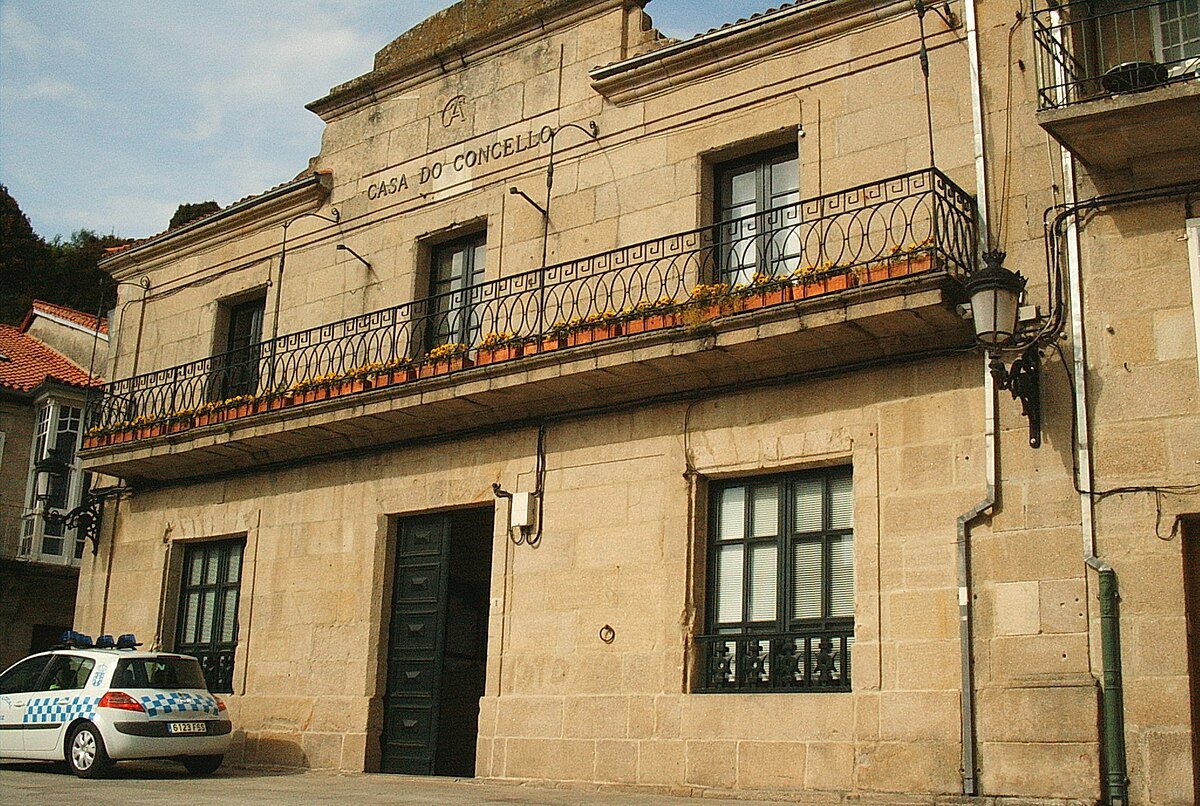
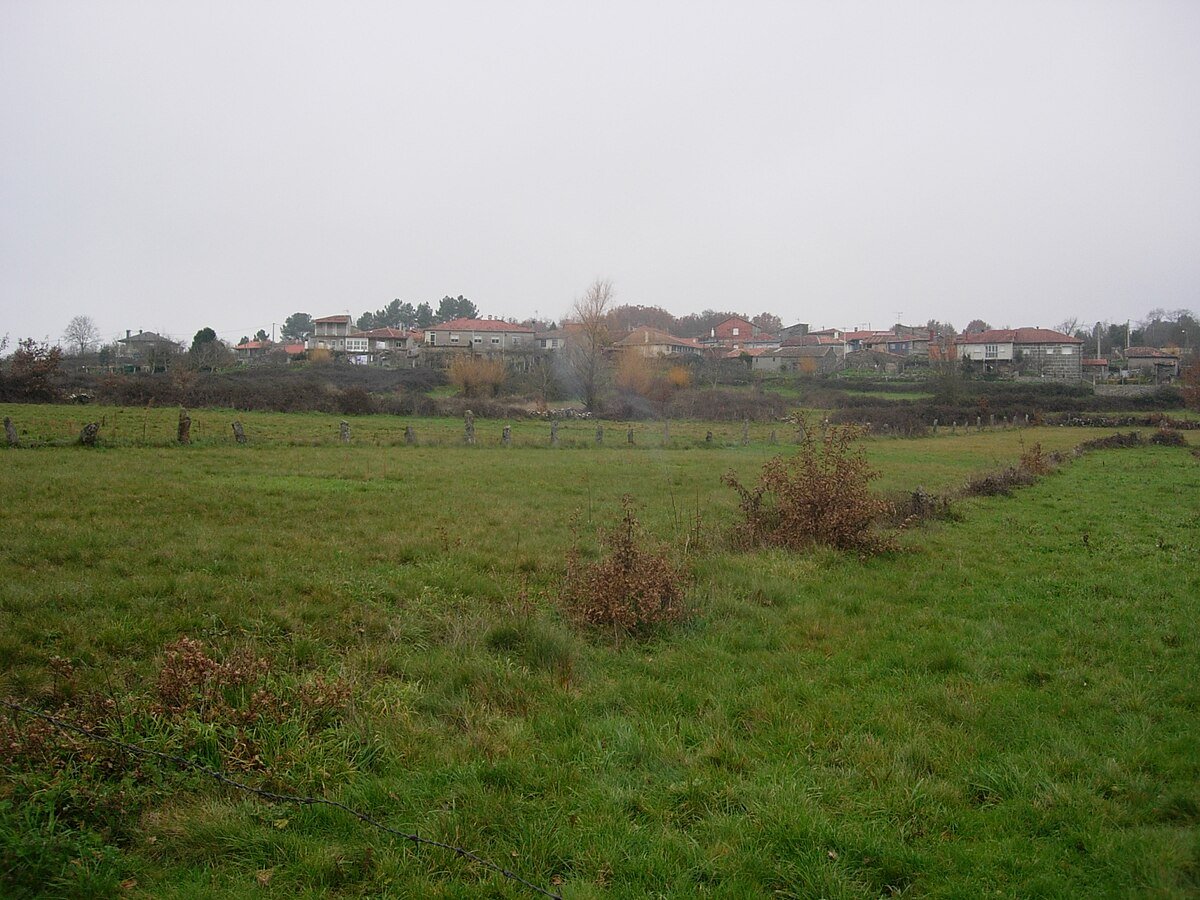
At around 580 metres above sea level, between oak and chestnut trees that turn muted gold and dark copper in October, Maceda opens out over the Támega valley. When the winter sun sits low, the granite of the houses catches a cool light that lingers on the façades. Streets climb decisively towards the castle, encouraging an unhurried pace. In places the paving stones are worn smooth by centuries of footsteps.
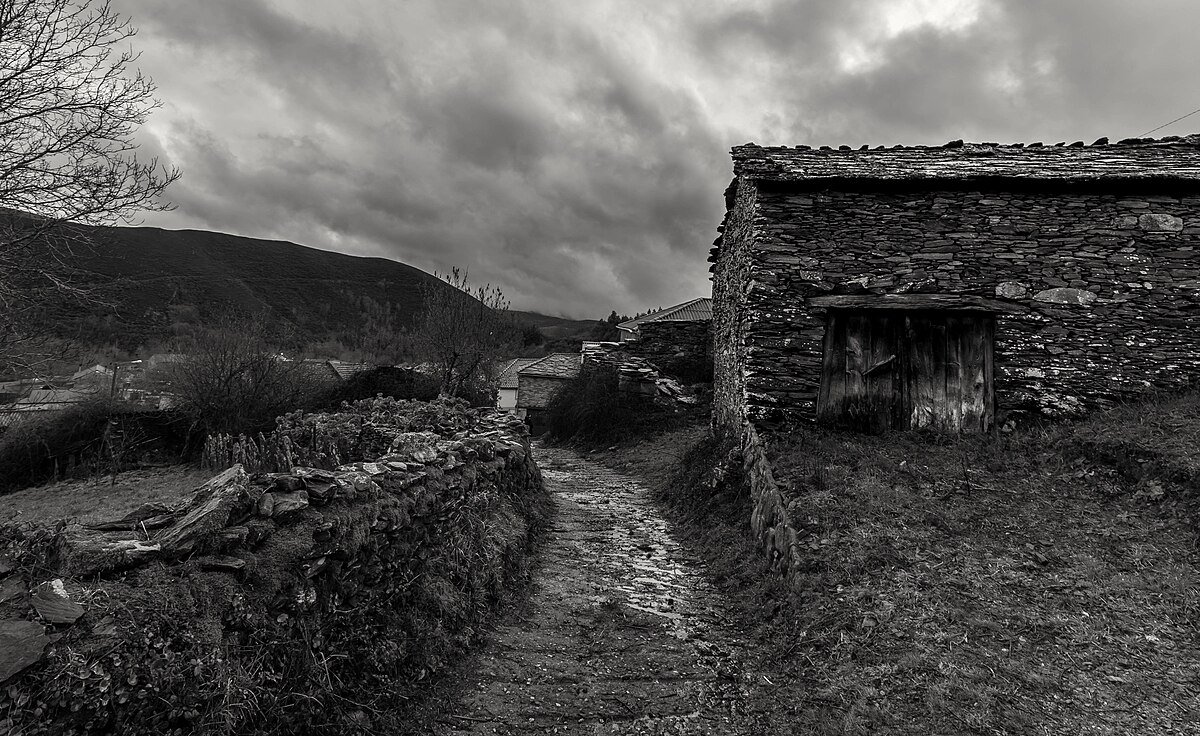
The houses are topped with heavy black slate roofs, sharply angled to shed the rain. Up close, lichens spread along the joins in the stone and wooden shutters creak when opened in the morning.
The Castelo de Maceda dominates the scene. Thick walls and rounded towers make it clear that it was conceived for defence rather than display. Tradition holds that Alfonso X, later known as Alfonso the Wise, spent part of his childhood here, and that within these walls he heard Galician before Castilian.
Some years ago the building was restored and began a new life as accommodation. Spending the night there shifts your perspective: the windows look down over the village, and once darkness falls and most lights go out, the only sound is the wind moving through the pines on the hillside.
Entroido and the felos
In January, Maceda changes pace. Over the weeks of Entroido, the Galician carnival season, the felos appear, figures closely tied to this part of the Serra de San Mamede.
They wear white stockings up to the knee and a kind of cape made from old blankets or bedspreads. A carved wooden mask covers the face, usually painted with the image of an animal from the surrounding hills. Around their waists hang chocos, large cowbells that announce their arrival long before they are seen.
The felos run downhill through the streets, setting the bells clanging. The sound ricochets off granite walls and carries far beyond the centre.
This is not a parade designed with visitors in mind. It is something absorbed from childhood. Grandmothers watch from balconies with blankets over their knees, and children look on with a mixture of awe and impatience, waiting for the day they will wear the mask themselves.
By late afternoon the air smells of fried dough, hot chocolate and smoke from bonfires lit to keep out the cold.
The flavours of the Serra
November brings another familiar scent: roasting chestnuts. Around San Martiño, the feast of Saint Martin, Maceda usually celebrates the magosto, a simple gathering around a fire where chestnuts burst open with a dry crack and the new wine is still slightly cloudy.
In many homes, cocido con grelos appears on the table at this time of year. This hearty stew, built for cold days, combines meat with turnip tops, a typical Galician green. Alongside it simmers butelo, a cured sausage strongly associated with these mountains, cooked slowly with chickpeas while windows fog with steam.
There is also pudin de castaña, a chestnut pudding that does not show up all year round. It requires time and a generous quantity of nuts, so it tends to appear when the harvest has been good. In season, it is easy to spot in the windows of the village bakeries, usually set out in low, dark trays.
Following the river
Below the historic centre, the river Laboreiro threads its way between pale rocks and patches of moss. A riverside path follows its course for a short stretch, a walk of about twenty minutes at a relaxed pace. The sound of water shifts constantly: at one moment it slips quietly between stones, at another it drops in small cascades.
Several old mills remain along the banks. Some still retain their millstones and the inlets that once diverted water to power the machinery.
A cycling route also passes through this area, linking Maceda with nearby villages. It runs for just over thirty kilometres and includes plenty of climbs, particularly on the approach back towards the castle. In spring, the verges fill with heather and small wild orchids that appear among the grass.
Choosing the right moment
October is often one of the most rewarding months for a walk through Maceda. The chestnut trees are in the midst of their colour change, and the temperature makes uphill streets manageable without breaking into a sweat.
August feels different. Many residents who live elsewhere return for the holidays, cars fill any available space, and terraces become busier. The hush that defines other times of year softens.
For those in search of calm, a weekday in autumn works better. Streets are quiet, and there is time to pause and talk with local people. Conversations have a way of stretching on here, especially when they turn to memories of Entroido, the castle on its rock, or the last good chestnut harvest.
Maceda does not demand a checklist. Its appeal lies in small details: smoke rising on a cold morning, granite catching the winter light, bells echoing down a steep street. Walk slowly enough and the village sets the pace itself.