Full Article
about Paderne de Allariz
Ocultar artículo Leer artículo completo
The first thing that catches your eye isn't a cathedral or castle—it's a wooden granary on stone stilts, standing alone in a field like some peculiar agricultural spaceship. These hórreos appear everywhere in Paderne de Allariz: beside farmhouses, at crossroads, even in front gardens. Some date back centuries, their weathered timber bearing the weight of countless harvests. Others sport fresh paint and new tiles, still serving the families who've worked these valleys for generations.
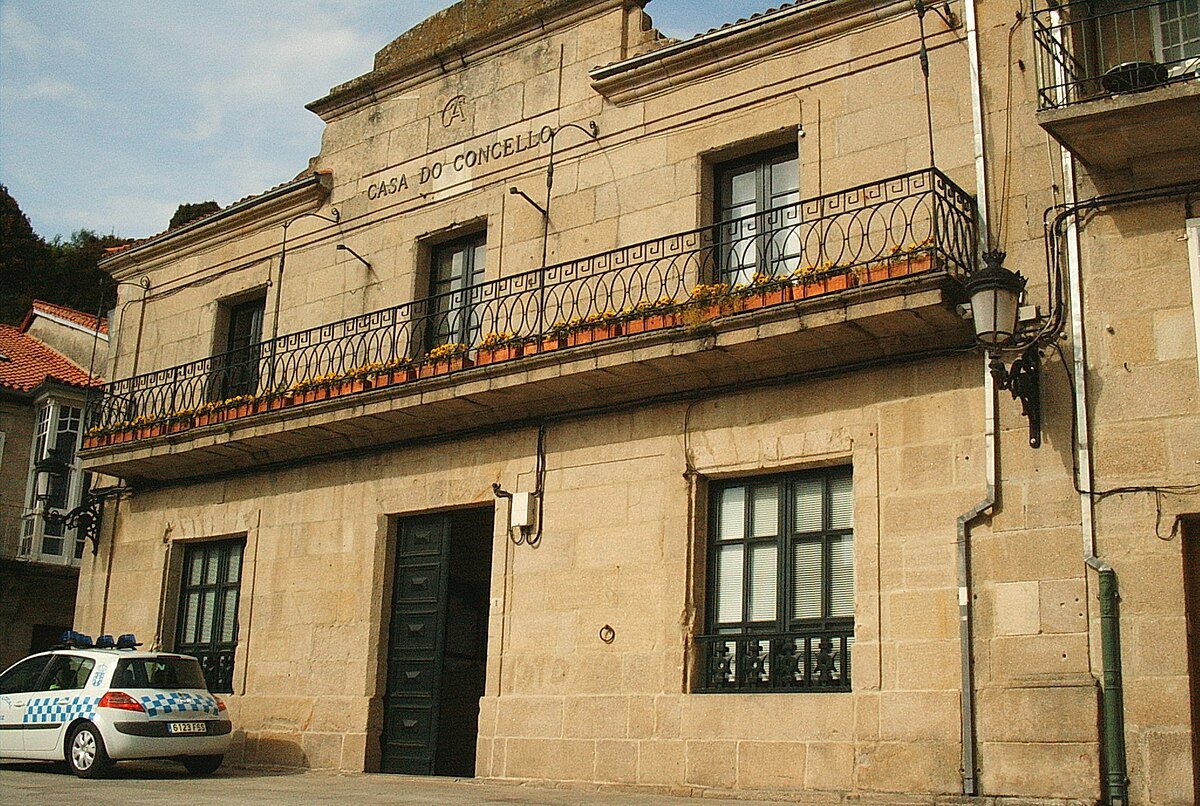
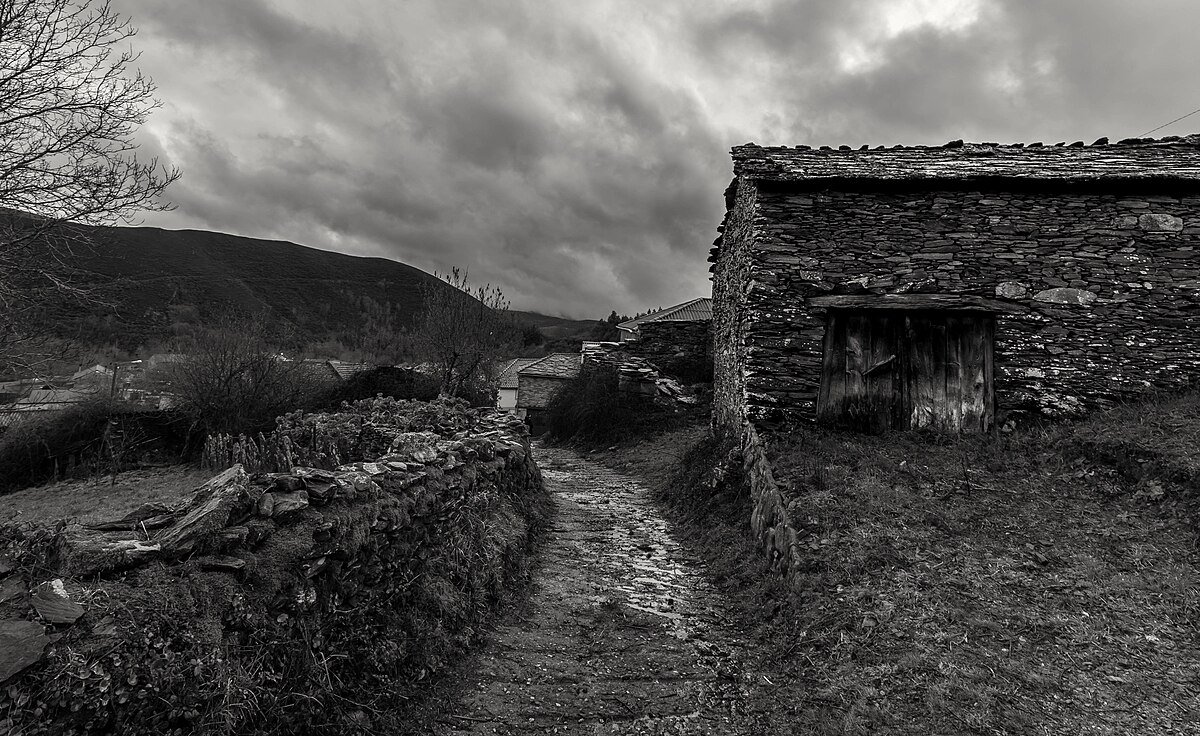
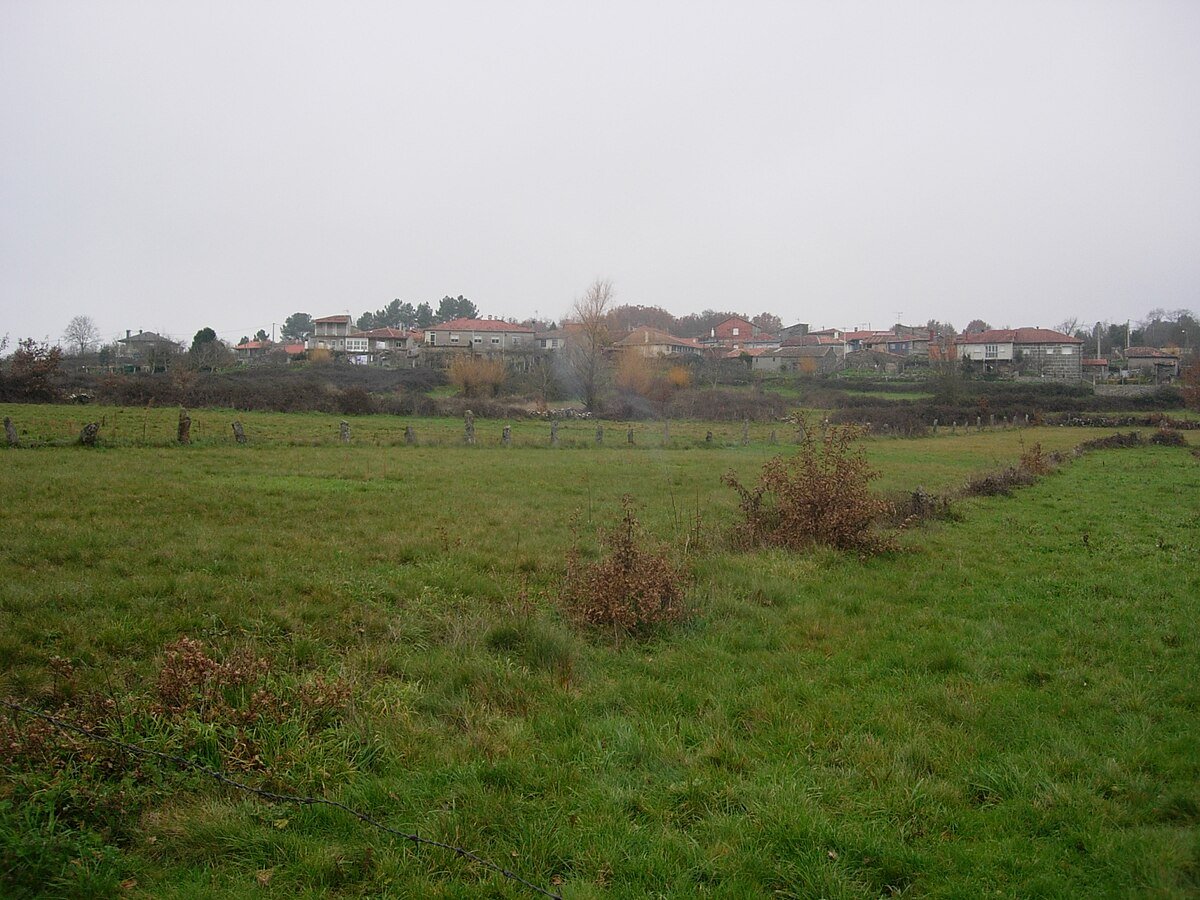
This is rural Galicia stripped of postcard gloss. The municipality spreads across 72 square kilometres of rolling countryside, its 1,300 residents scattered through villages that barely register on most maps. Stone houses cluster along narrow lanes, their slate roofs angled against Atlantic rains that sweep in from the west. At 400 metres above sea level, the air carries a mountain clarity—even in July, mornings arrive cool and misty, perfect for walking before the afternoon heat builds.
Following the Waterways
The landscape here folds and unfolds like crumpled paper. Streams thread through valleys carved by ancient glaciers, feeding the River Arnoia that eventually joins the Miño. These waterways shaped everything: where people settled, how they farm, even where they built their churches. Parish boundaries follow ridgelines and river courses, creating a patchwork of communities that feel both connected and distinct.
Walking tracks link these settlements, though "track" might be generous for what locals call caminos. Some are paved lanes wide enough for a tractor. Others narrow to footpaths that snake between stone walls draped in ivy. The gradients aren't severe by British standards—think Yorkshire Dales rather than Scottish Highlands—but they catch you unawares. A gentle slope that looked manageable from the valley floor becomes a proper thigh-burner under the Galician sun.
The rewards appear gradually. A medieval cross rises at a junction, its carved figures worn smooth by centuries of weather. An old washing place—lavadero—sits beside a spring, stone basins still holding water where women once scrubbed clothes and swapped gossip. These aren't museum pieces; they're remnants of living history, preserved because they still serve a purpose.
When the Weather Turns
Galicia's reputation for rain isn't unfounded, but Paderne de Allariz sits in the rain shadow of mountains to the west. Annual rainfall hovers around 900 millimetres—less than Manchester, though it arrives in concentrated bursts. Spring brings wildflowers to meadows that glow emerald against grey stone walls. Autumn paints chestnut trees copper and gold, their nuts forming the base of hearty stews that appear on local tables.
Winter transforms the place entirely. Mist clings to valleys, reducing visibility to mere metres. Wood smoke drifts from chimneys, carrying the scent of oak and eucalyptus. Temperatures rarely drop below freezing—daytime highs average 12°C in January—but damp air makes it feel colder. Some tracks become impassable, turning to mud that sucks at boots and tyres alike. Locals switch to 4x4 vehicles or simply stay put, stocking freezers with produce from summer gardens.
Summer offers the inverse challenge. July and August see temperatures reach 25°C, occasionally pushing past 30°C during heatwaves. The solution is simple: start early. By 8 am, daylight has fully arrived. By noon, only mad dogs and British tourists venture out without shade. The聪明的 approach involves siestas, long lunches, and evening walks when shadows stretch across fields turned golden by lowering sun.
Eating Between Villages
Food here follows the seasons with minimal fuss. Spring brings caldo gallego, a broth of potatoes, greens and chorizo that sustains workers through changeable weather. Summer means empanada—savoury pies filled with tuna or cockles, sold from bakery counters in Allariz. Autumn's chestnut harvest appears in stews and sweets. Winter demands heartier fare: lacón con grelos (pork shoulder with turnip greens), cocido stews that simmer for hours, and the annual pig slaughter that fills freezers with chorizo and morcilla.
Finding these dishes requires planning. Paderne itself offers little—perhaps a bar serving basic tapas if you're lucky. The smarter move involves Allariz, 15 minutes away by car, where riverside cafés grill trout caught in the Arnoia. Portions border on excessive; sharing makes sense unless you've walked ten miles. Prices hover around €12-15 for a menú del día—three courses, bread, wine and coffee, served with the unhurried pace of rural Spain.
Timing matters. Kitchens close at 4 pm sharp. Arrive at 3:45 and you'll be welcomed, but expect raised eyebrows. Sunday lunches stretch until 5 pm, families lingering over coffee while children play in squares. Outside these hours, options shrink to packet crisps and instant coffee. The solution? Pack snacks for walks, eat when locals eat, and surrender to the rhythm of village life.
Practicalities for the Unprepared
Getting here demands commitment. Santiago airport sits 90 minutes west; Porto, just across the Portuguese border, offers better flight options from Britain. Hire cars become essential—public transport reaches Allariz twice daily from Ourense, but Paderne's villages lie beyond. Sat-nav systems sometimes confuse this Paderne with another near A Coruña; specify "Paderne de Allariz" to avoid 90-mile detours.
Accommodation choices reflect the area's scale. Casa Merteira near Figueiredo offers four bedrooms in a restored farmhouse, its terrace overlooking chestnut woods. At €80-100 nightly, it's not bargain Spain, but the price includes breakfast featuring eggs from resident hens. Alternative options cluster in Allariz: the Pazo de Altamira, a converted manor house with river views, or simpler hostels charging €25 for basic rooms.
Phone signals fade in valleys. Download offline maps before setting out. Carry water—even short walks prove thirsty work under strong sun. And remember: those stone walls lining lanes aren't decorative. They mark property boundaries, keep livestock contained, and have stood for generations. Climbing them for photos isn't just rude; it's likely to land you in a field with an irate farmer and his equally unimpressed bull.
The Slow Realisation
Paderne de Allariz won't suit everyone. There's no single attraction to tick off, no restaurant row, no evening entertainment beyond star-filled skies and the occasional village fiesta. What it offers instead is space to breathe, paths that lead nowhere in particular, and the gradual understanding that "nothing to do" might be precisely the point.
The magic reveals itself slowly. It's in the way morning light catches granite doorways, turning them rose-gold. In conversations with farmers who pause hedge-trimming to explain why they still thresh wheat by hand. In discovering your own route between villages, linking churches and crosses and springs into a personal geography that exists nowhere but your memory.
Come for a day and you'll leave underwhelmed. Stay for three, and departure becomes negotiable. The hórreos will have worked their quiet spell, standing sentinel over fields that change colour with passing clouds. You'll understand why people choose this life—hard work, certainly, but lived on human scale, measured in seasons rather than algorithms, where granaries still outnumber people and probably always will.