Full Article
about Vilar de Barrio
Hide article Read full article
The first sound you notice is the scrape of a metal gate. Then, the low rumble of a tractor starting in a shed, its diesel smell cutting through the damp morning air. The light at that hour is thin, catching the dust motes above the stone lintels and leaving the hollows under the eaves in deep shadow. The granite of the houses feels cold to the touch, still holding the night.
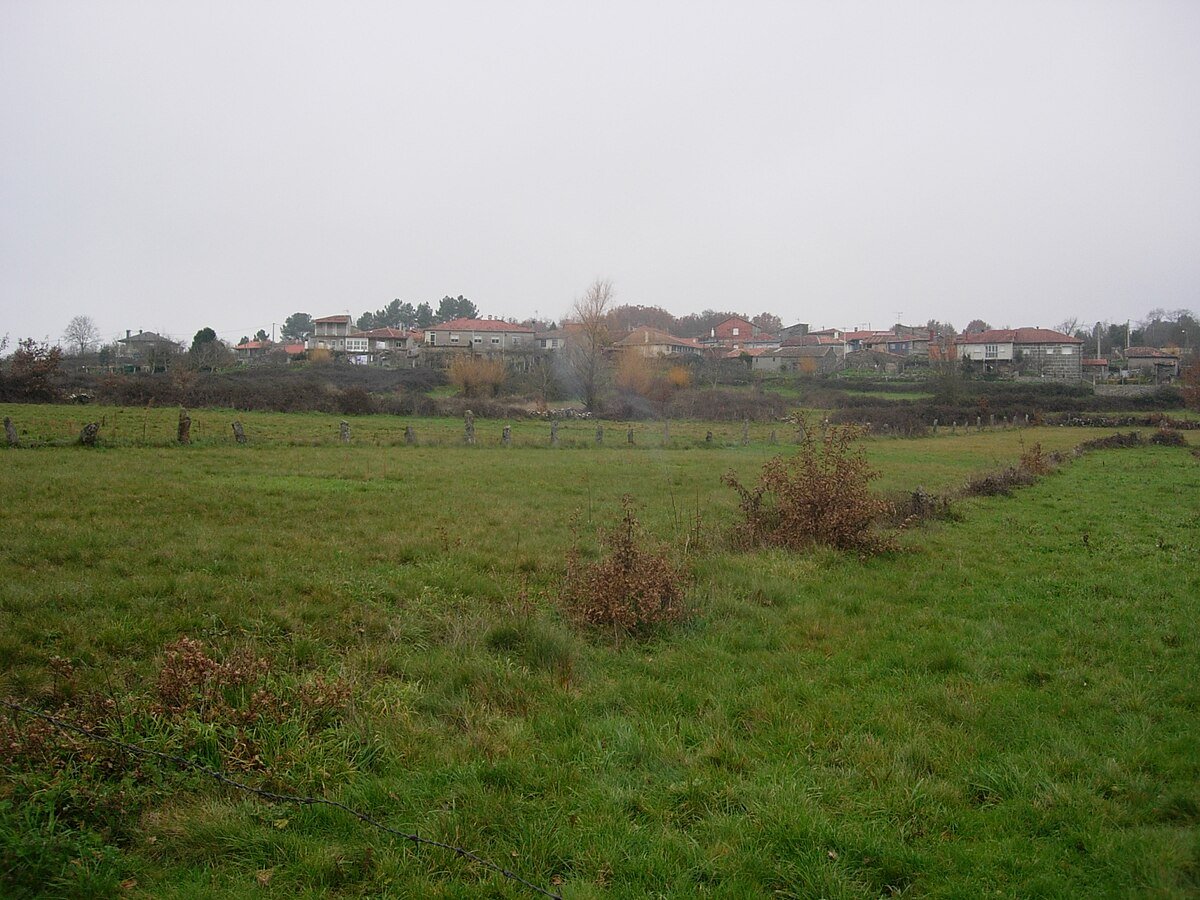
Tourism here isn’t about a postcard plaza. Vilar de Barrio is a municipality of scattered hamlets, a collection of places connected by narrow roads that dip through meadows and climb past pine groves. You drive for minutes between them, and with each bend, the view changes: a different bell tower, another valley opening up, a new cluster of hórreos standing guard beside a kitchen garden.
The Shape of a Dispersed Place
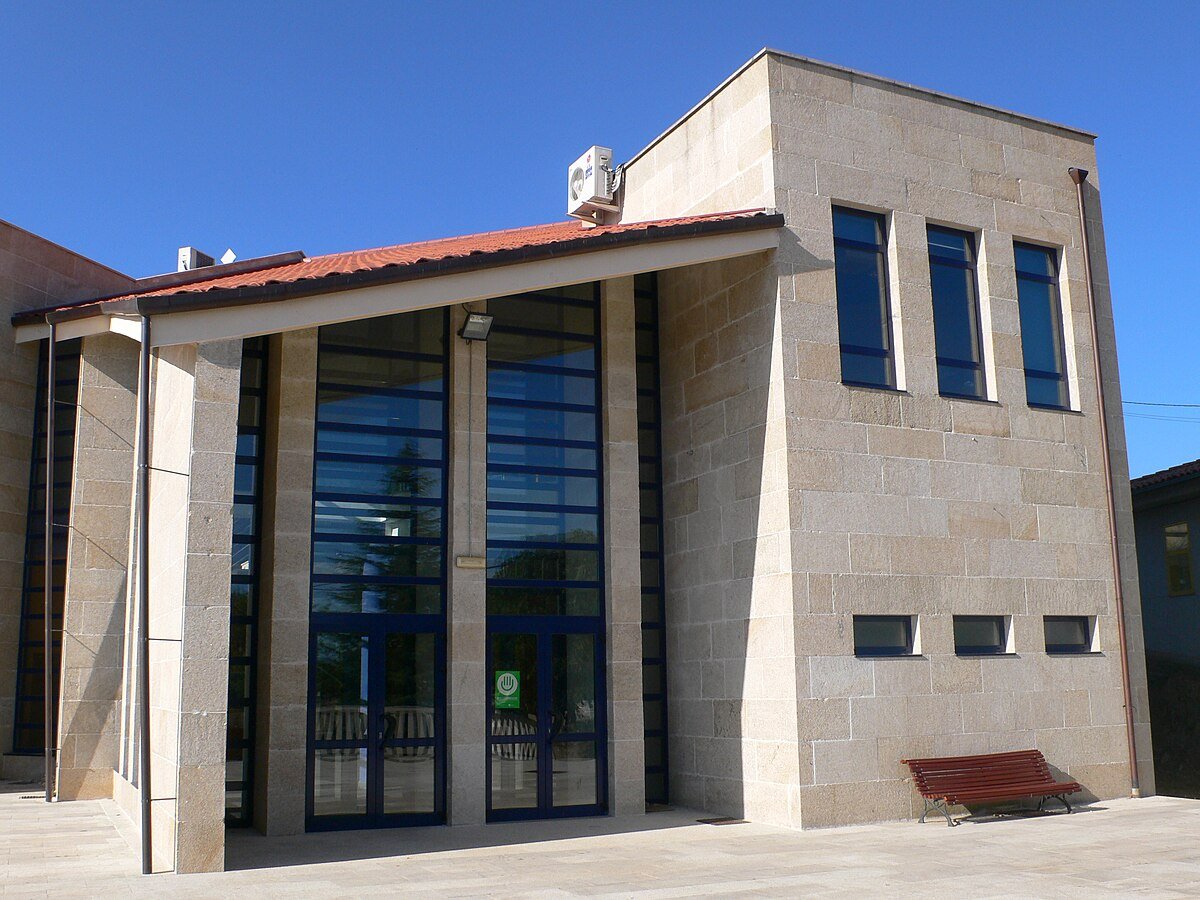
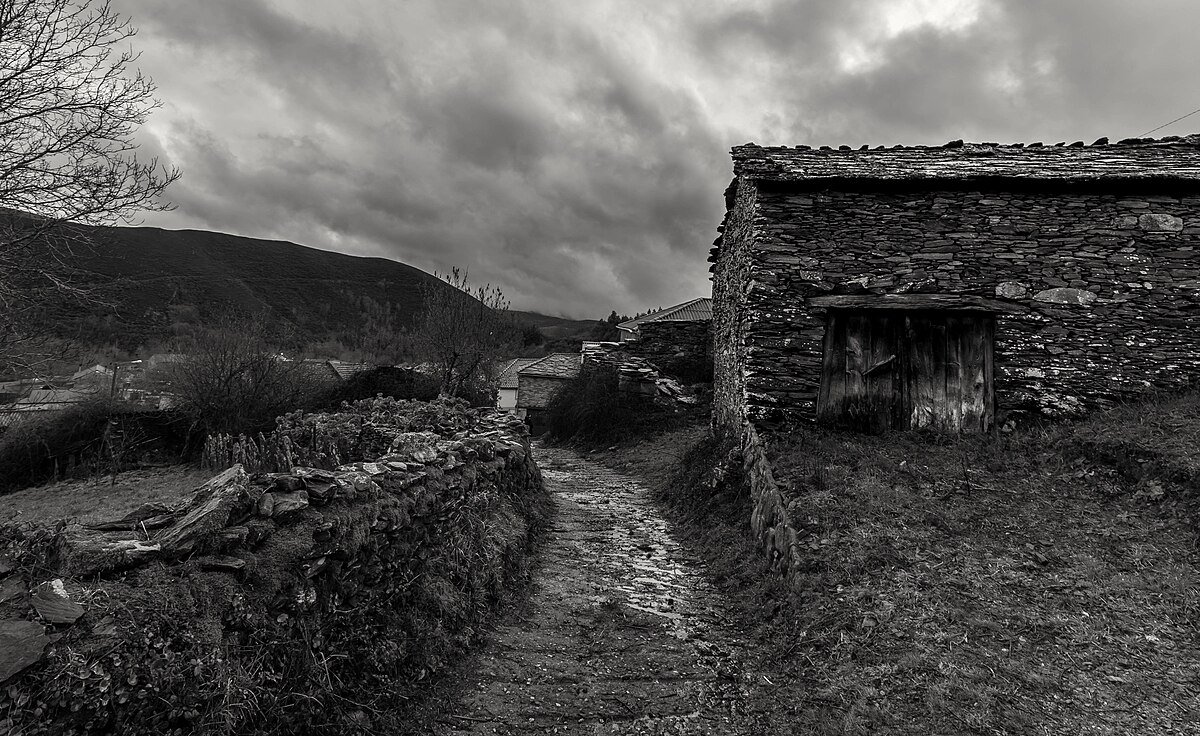
There is no main square to aim for. Instead, life is distributed. In hamlets like O Pazo, where one of the parish churches sits, you see the timeline written in stone and mortar. Thick granite walls with small windows stand next to newer extensions built from concrete block. Some wooden galleries are freshly painted; others have greyed with weather and time. This isn’t neglect so much as a different pace—repairs happen when they can, often slowly.
The landscape makes sense when you stop looking for a centre and start noticing the movement. Houses were built where the land could be worked, later clustering near the roads that made getting to Allariz or Ourense easier. What you see now is that gradual shift, frozen in place.
Water in the Ditches, Moss on the Millstones
Leave the asphalt for a dirt track and your ears adjust. Beneath the birdcall, there’s the trickle of water. It comes from springs, some channeled into stone troughs, others just a seepage among the ferns at the road’s edge. The water is shockingly cold, even in August.
Follow the sound downstream and you might find the ruins. A section of wall where a mill once was, or a millstone half-buried in leaf litter, its granite pocked and furred with bright green moss. They are small monuments to an obsolete practicality, being reclaimed by roots and damp. The hórreos tell a parallel story—still standing proud beside farmhouses, but many now store tools or firewood instead of rye.
Walking Where the Paths Turn
To walk here is to accept variable conditions underfoot. A compacted farm track can turn to slick mud near a spring; a grassy path between two stone walls might be perfectly dry. After rain, choose your route carefully. Boots with a good grip are not a suggestion.
In spring, the green is almost overwhelming, a lushness that fills the meadows where cattle graze. The soundscape is dominated by magpies and the deep, rhythmic clonk of cowbells from the next field over. In autumn, the air smells of wet earth and decaying leaves. There are no waymarkers, just logic: paths follow property lines, animal tracks, or the gentlest slope.
The Domestic Pulse
Look for the vegetable plots behind houses—neat rectangles of potatoes, rows of curly kale, onion tops like straight green arrows. The scale is always domestic, just enough. You hear chickens clucking from behind a wire fence, see smoke from a chimney in late afternoon when someone lights the stove.
Winter brings the matanza. If you visit in December or January, you might catch it: woodsmoke carrying the distinct, salty-sweet scent of curing meat from a small sequeiro, a larder for chorizos and hams. It’s a dense smell that hangs in the cold air around certain houses for days.
When the Tables Appear Outside
The festive rhythm follows the parish saints. San Pedro’s day in late June brings one of the larger gatherings—a procession that winds from the church, its brass band sounding bright and slightly echoey across the open spaces. It’s a local affair; you’ll see more familiar nods than tourist cameras.
The romerías in August are even more rooted. Families arrive by car, parking along verges until the track is lined. They unfold long tables and chairs beside the chapel, unpacking cloth-covered dishes from their boots. The sound becomes a hum of conversation, cutlery on plates, children running between cars. It’s lively and entirely communal. If you prefer solitude, check the local calendar; these weekends transform the quiet lanes.
A Practical Sense of Place
You need a car. The distances between hamlets are short on paper but longer on winding roads that climb and dip with the terrain. Parking is rarely an issue; there’s usually space near a church or a widened bit of lane.
With only an afternoon, pick two neighbouring hamlets on a map and walk the farm track that connects them. You’ll see more that way: how one spring is still maintained with a clean cup while another is choked with watercress; how an old hórreo lists on its staddle stones; how ivy slowly prises apart granite walling.
Vilar de Barrio reveals itself in these intervals—in the quiet kilometre between one place and the next, where the only company is a hawk circling overhead and your own footsteps on gravel