Full Article
about A Pobra do Caramiñal
Ocultar artículo Leer artículo completo
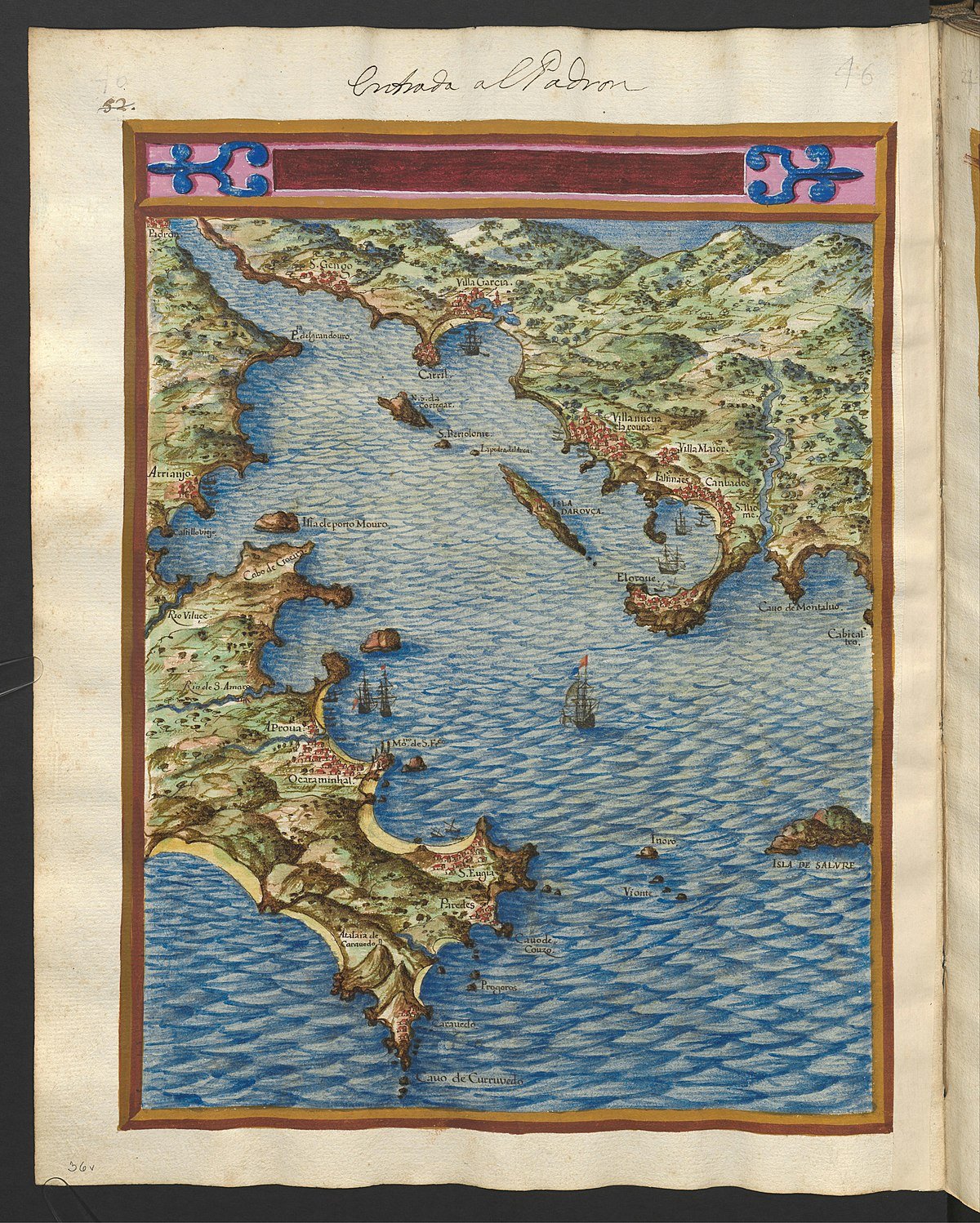
The fishing boats return at half past seven, cutting through the Ría de Arousa's morning mist with the precision of commuters who've done this journey for generations. From the harbour wall at A Pobra do Caramiñal, you can watch the day's catch being hauled onto the quayside while elderly women in housecoats lean from balconies above, shouting prices down to the fishmongers below. This isn't performance for tourists – it's Tuesday.
This Galician village of barely 5,000 souls occupies that sweet spot where Spain's Atlantic coast stops posturing for holiday brochures and gets on with the business of living from the sea. The old town climbs uphill from the harbour in a jumble of granite houses, their coats of arms hinting at merchant wealth from centuries past when these waters carried more cargo than cruise ships. Between the stone mansions and the working port, modern apartment blocks testify to recent prosperity, though thankfully none rise high enough to block the mountain views that frame every street.
The Harbour Quarter
Start where the village starts: the waterfront. The paseo marítimo stretches three kilometres from the marina to Cabío, passing working shipyards where men in overalls weld steel beside pleasure craft worth more than their houses. It's a walk that rewards dawdlers. Morning brings the best theatre: nets being repaired, diesel engines coughing to life, and the smell of strong coffee drifting from Bar Bahía where harbour pilots gather before their shifts.
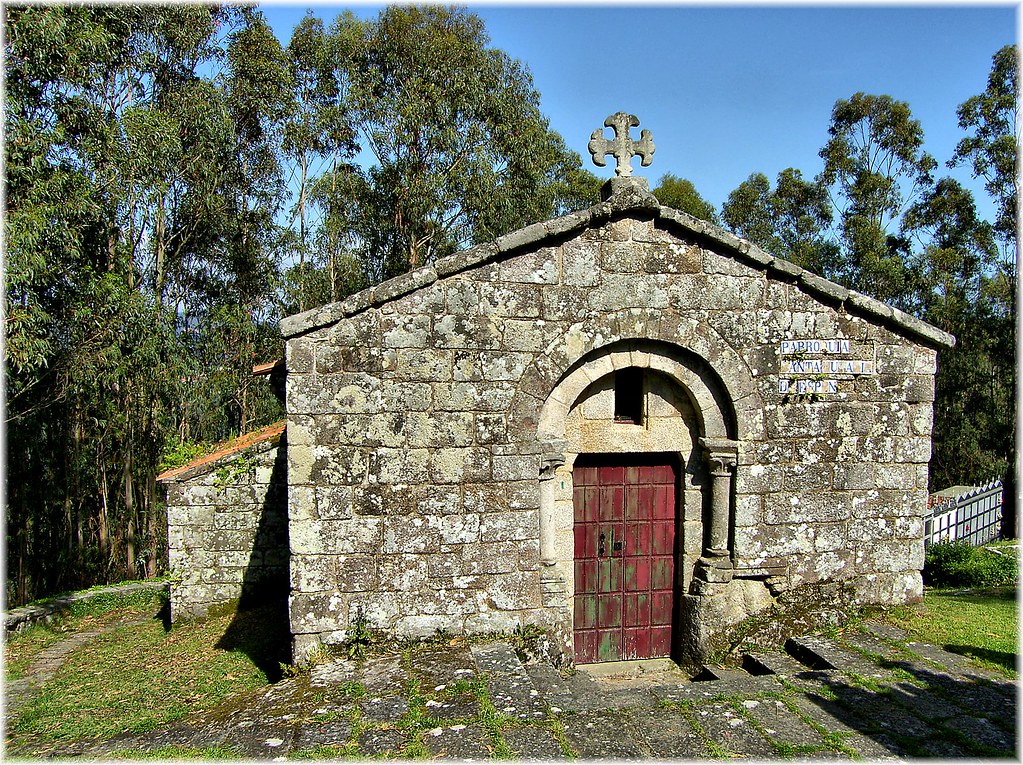
The turismo office, tucked beside the yacht club, hands out a free map marking thirty manor houses scattered through the old town. Most remain private homes, their owners politely tolerant of visitors peering through wrought-iron gates at baroque balconies. Occasionally, a cheery "Hola, buenos días" earns an invitation to view courtyards normally closed to outsiders – British sailors report being shown stone mermaids and medieval grape presses by proud residents keen to practise English.
The harbour itself operates on tides rather than timetables. Best viewing comes during the evening rush, when the fishing fleet returns and the auction house fills with restaurateurs checking quality by torchlight. Visitor access stops at the gates – this is genuine industry, not heritage theatre – but the spectacle of industrial-scale seafood handling proves more compelling than any guided tour.
Uphill to the Old Town
From the harbour, cobbled lanes climb past houses whose granite walls absorb heat during summer afternoons. The eighteenth-century Igrexa de Santiago dominates the highest point, its baroque facade recently cleaned to honey-coloured brightness. Inside, gilt retablos gleam dimly, though you're more likely to find locals using the cool interior as refuge from afternoon sun than worshippers at prayer.
The historic centre reveals itself slowly. There's no grand plaza or cathedral square, just a succession of small surprises: a medieval grain store converted to flats, a stone cross eroded by Atlantic storms, sudden viewpoints across the ría where expensive yachts anchor beside rust-stained trawlers. Calle Real, the main shopping street, mixes traditional grocers with boutiques selling nautical-themed homewares to weekend visitors from Santiago.
Monday mornings bring the weekly market to Plaza do Cristo. Farmers from inland villages drive down before dawn with vegetables, while fishwives display catches that were swimming twelve hours earlier. It's practical shopping rather than tourist theatre – arrive early for the best selection, bring carrier bags, and don't expect English to be spoken at the cheese stall.
Mountain Backdrop
Behind the village, the Serra do Barbanza rises steeply to 600 metres, creating A Pobra's distinctive geography. The mountains block northern storms, giving the village more sunny days than Galicia's reputation suggests, while generating powerful winds that can transform the ría from mirror-calm to white-capped fury within hours.
Several walking routes start from the outskirts. The easiest follows the Barbanza River upstream past abandoned watermills and small waterfalls – popular with British photographers for its mix of industrial archaeology and natural beauty. More challenging paths climb through eucalyptus plantations to viewpoints across the ría's island-scattered waters. The terrain demands proper footwear: loose stones and steep gradients make it genuinely testing, while Atlantic weather can reduce visibility to metres within minutes.
Winter transforms these slopes. Snow falls occasionally, though rarely settles at sea level. The bigger change comes with shortened daylight – by late afternoon the mountains cast long shadows across the village, and harbour activity winds down with the light. Summer visitors seeking mountain adventures should start early; afternoon heat makes exposed sections uncomfortable, and shade remains scarce until the pine plantations higher up.
Beach Life, Galician Style
A Pobra's main beach stretches for two kilometres west of the harbour, a sweep of pale sand backed by low dunes and a campsite popular with Dutch and German motorhomers. The Atlantic here stays refreshingly cold even in August – British swimmers accustomed to Cornwall will find it familiar, though Galicians consider anything below twenty degrees positively arctic.
Natural tidal pools at the river mouth provide warmer alternatives, particularly suited to families. Lifeguards patrol during summer months, and the protected waters offer safe swimming when the open beach flies red flags. These pools fill and empty with the tide, creating natural jacuzzis that local children treat as their personal playground.
Beach amenities remain low-key. A single chiringuito serves decent coffee and acceptable tapas during high season, while winter sees the promenade returned to dog-walkers and elderly locals maintaining their daily exercise routines. Parking fills quickly on summer weekends – arrive before eleven or prepare for a lengthy search.
Eating and Drinking
Galicia's seafood reputation gets serious examination here. The harbourfront restaurants display still-twitching specimens in glass cabinets, and waiters will happily explain the difference between percebes (goose barnacles) and navajas (razor clams) to uncertain Brits. Grilled sole arrives simply cooked, no heavy sauces masking flavour that was swimming that morning.
Pulpo a feira – octopus with paprika and rock salt – appears on every menu. Done properly, the texture resembles slow-cooked beef rather than rubbery cliché. Local Albariño wine pairs perfectly, its crisp acidity cutting through oily fish better than the heavier reds inland Spain favours.
Prices reflect quality rather than location. A decent lunch of grilled fish with wine costs around €18-22 per person – comparable to British pub food but infinitely fresher. The set-menu del día, served weekday lunchtimes for €12-15, offers exceptional value if you're not fixated on specific seafood.
When to Visit
Spring brings the village into its own. April and May see the surrounding hillsides turn emerald green, while temperatures reach comfortable walking levels without summer crowds. The Fiesta del Carmen in mid-July transforms the harbour with maritime processions, though accommodation books up months ahead.
Autumn offers similar advantages with added interest for food lovers. October's seafood festivals celebrate the annual goose barnacle harvest, when percebes collectors risk Atlantic storms to gather these expensive delicacies from wave-lashed rocks. Watching them work from the harbour walls provides free entertainment more dramatic than any television documentary.
Winter remains mild by British standards – daytime temperatures rarely drop below ten degrees – but Atlantic storms can make outdoor activities unpleasant for days at a time. Many restaurants reduce hours, and the beach reverts to its natural state of windswept beauty. Come prepared for weather that changes faster than British forecasts suggest possible.
The Practical Bits
A Pobra sits ninety minutes by car from Santiago airport, with regular bus connections taking slightly longer. The journey reveals Galicia's split personality: motorway speeds through eucalyptus plantations suddenly give way to winding coastal roads where every bend reveals another ría-side village competing for attention.
The village makes an excellent base for exploring the Barbanza peninsula, though you'll need wheels to reach the more remote beaches and mountain villages inland. Car hire from Santiago airport proves essential if you're planning serious exploration – public transport exists but operates on timetables that assume you've nowhere particular to be.
Accommodation ranges from the functional Hotel Oca Puerta del Atlántico to numerous self-catering apartments aimed at Spanish weekenders. The campsite west of town offers spectacular beachfront pitches, though Atlantic winds can make tent camping an endurance test. Book ahead for July and August – the village's manageable size means limited options when Spanish holidaymakers descend.
A Pobra do Caramiñal doesn't shout for attention. It works, lives, and happens to occupy one of Spain's most beautiful corners while getting on with the business of extracting a living from the Atlantic. That authenticity proves increasingly rare along coasts where fishing villages transform into yacht marinas with suspicious speed. Come for the seafood, stay for the realisation that places still exist where tourism remains optional rather than essential – just don't expect to find it unchanged if you return in five years' time.