Full Article
about Cabana de Bergantiños
Hide article Read full article
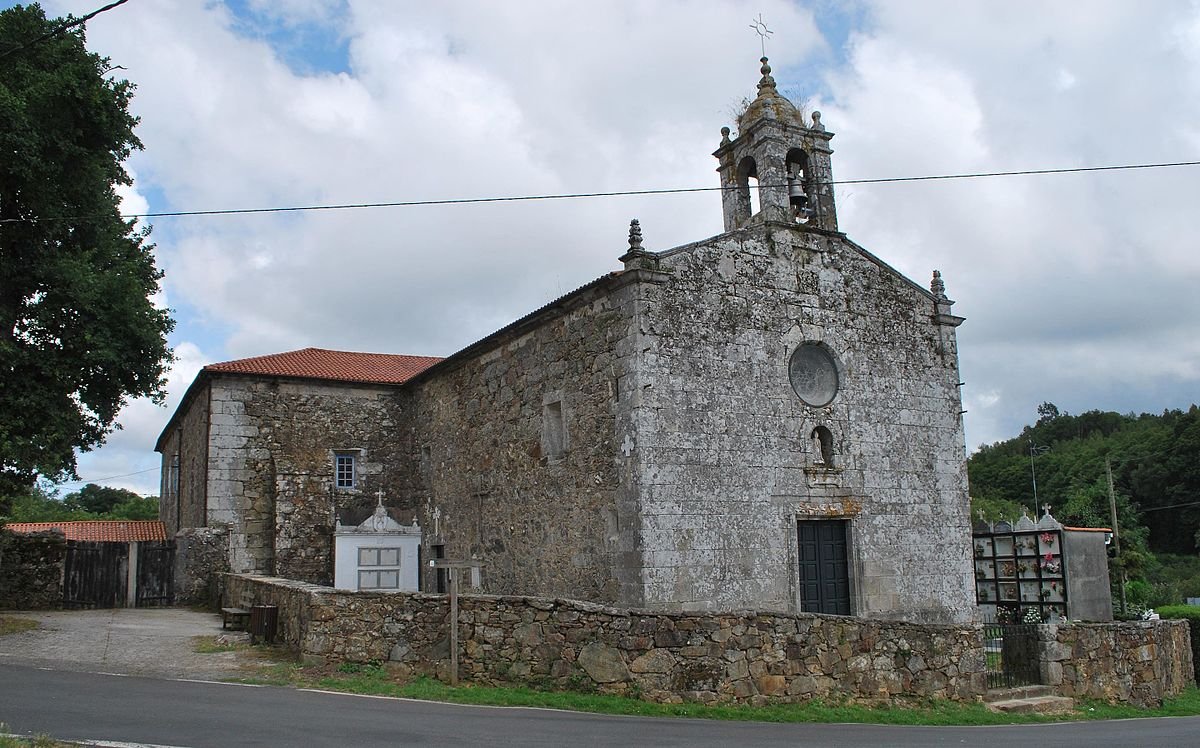
The bells of Santa María ring out at eight and the mist thins into long threads above the maize fields. From higher up the valley, the river Anllóns curves between willows, silver like an old ribbon. In some houses the wood-burning range is already lit, and the smell of caldo con unto, a broth enriched with pork fat, slips through window frames.
Cabana de Bergantiños wakes slowly. The day is still shaped by the tides and by cattle heading out to graze. Silence lingers a little longer here, especially before the light fully settles over the valley.
A Landscape of Granite and Sea Wind
Around three kilometres from the main settlement stands the dolmen of Dombate, set among pines. It is far more than a scatter of stones. This granite passage tomb held human remains some five thousand years ago. Today it is protected by a wooden and glass structure that filters a pale northern light into the chamber.
Inside, the air carries the scent of damp earth and warm pine resin. For a long time, people in nearby villages called it “a pedra da moura”. Some still recall avoiding the spot after dark when they were children.
A little higher up lies the castro de Borneiro, an Iron Age hillfort where the wind tends to arrive by mid-morning. Circular houses form a small maze of low stone walls across the slope. From the ramparts there are views towards the ría de Corme e Laxe.
Cows often graze among the ruins. Sit for a while on the granite blocks once the sun has warmed them; they release a dry, dusty smell that clings faintly to your hands. The landscape feels exposed here, with sea air moving freely across the height.
The Rhythm of the Anllóns
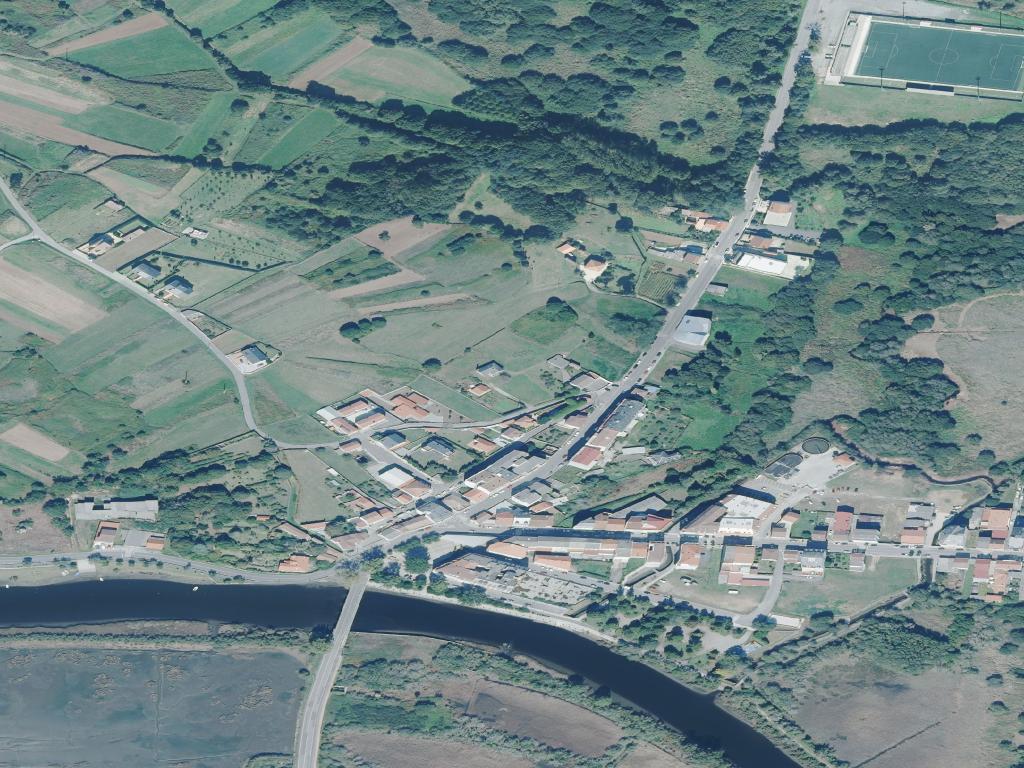
The river sets much of Cabana’s pace. Reeds line its banks, and small boats remain moored where the tide still makes itself felt. At dawn it is common to see people checking nasas, traditional fishing pots, or simply watching the water.
The river changes character with the seasons. In autumn it runs fuller and darker. During summer it slows and reveals muddy edges where herons stand motionless. These shifts alter the colours of the valley and the way sound carries across it.
Closer to the coast, the land breaks into small furnas and cracks carved by the sea. Some are reached only by narrow paths that descend through gorse and salt-toughened grass. Check the tide beforehand. When the water rises, many of these rocky platforms vanish within minutes and waves begin to strike with a hollow sound that echoes off the stone.
Wear footwear with a good grip. Algae create a deceptive film across the rock. There are no barriers or access points, only the shifting boundary between land and Atlantic.
Villages and Stone Crosses
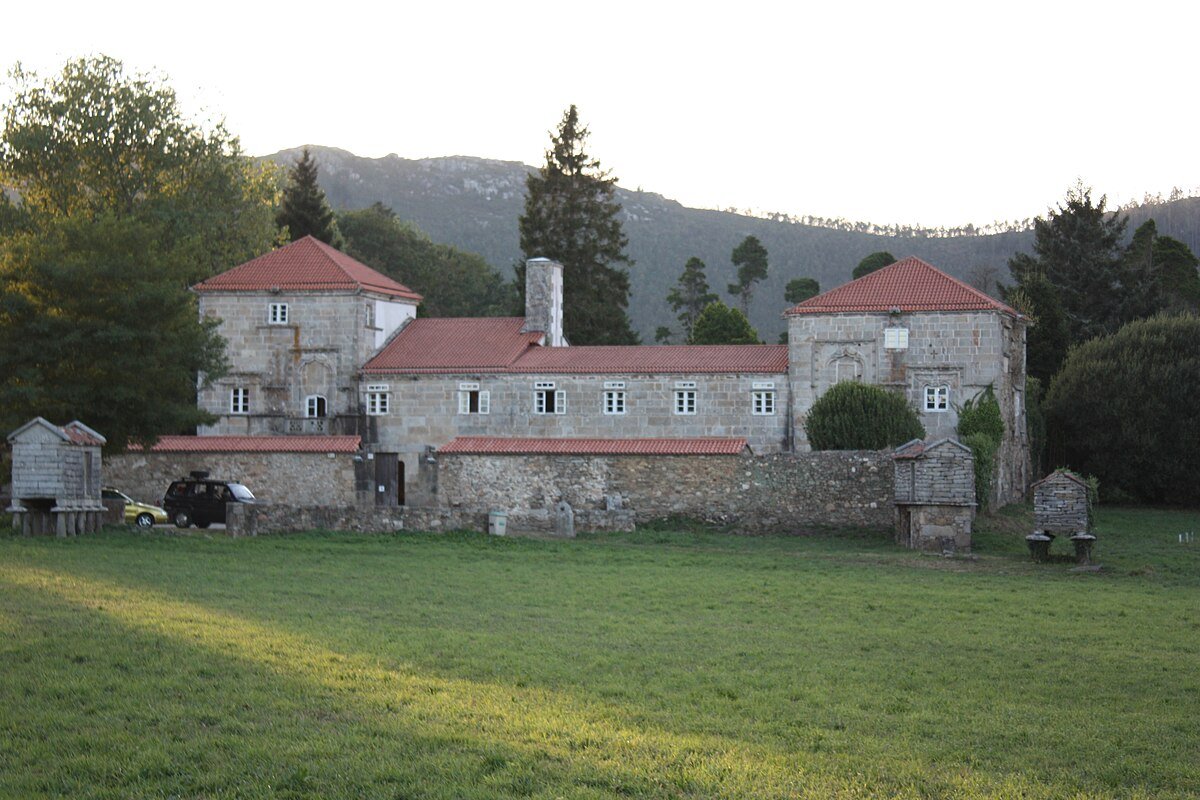
The villages of Cabana are scattered between meadows and small oak groves known as carballeiras. At many crossroads stand granite cruceiros, traditional stone crosses often covered in grey and yellow lichen. Some lean slightly, as if the ground beneath has slowly given way.
At midday, when the sun falls directly overhead, the shadow of a cruceiro often forms a precise cross on a nearby wall. Older residents still glance at these shadows to gauge the hour. There are no explanatory panels. These monuments remain because they continue to form part of daily life.
The roads that link the hamlets are short and practical, tracing the natural contours of the land. Fields open out on either side, broken by low stone walls. The sense of continuity is strong, with past and present layered quietly into the same terrain.
Cocido and Communal Tables
When Carnival arrives and during the colder months, large pots of cocido are often prepared in village halls or out in the squares. The aroma of lacón, grelos and chorizo mingles with smoke from damp firewood.
People eat standing up, talking to whoever happens to be beside them, with dark bread sturdy enough to soak up the broth. It is informal and communal. There is no special arrangement for visitors; these meals are part of the rural calendar and continue because neighbours expect them each year.
In many homes, rosquillas and other fried sweets flavoured with aniseed appear for celebrations. They are not marketed as regional specialities. They simply belong to the rhythm of feast days and shared tables.
Practicalities: Light and Mud
Cabana de Bergantiños lies less than an hour by car from A Coruña, following roads that wind into the comarca of Bergantiños. Public transport exists, but services are limited; a car offers freedom to stop at viewpoints or turn off towards smaller villages.
Summer mornings often begin with mist that lifts by mid-morning. The light then becomes clear and sharp, and granite appears freshly washed. In winter, rain is frequent. The fields smell of turned earth and unpaved tracks fill with sticky mud.
For quiet, avoid the busiest summer weekends. On weekdays in early June, wildflowers line the roadside and paths towards the ría are almost empty. Late in the afternoon, as the tide begins to ebb and wind drops, you hear water nudging small stones along the shore.
Cabana does not present itself loudly. Its appeal lies in slow mornings, in granite warmed by sun, in a river that changes with the season. Daily life continues to follow patterns set by land and tide.