Full Article
about Carballo
Hide article Read full article
A town that grew without making a fuss
Carballo is a bit like that cousin who started out selling bread in the family shop and one day turns up carrying a surfboard. The capital of Bergantiños has grown in much the same way. In many respects it still feels like a small town, yet around it a whole little world has taken shape, blending market mornings, Atlantic beaches and the steady rhythm of a regional hub.
It is not a place that lives off tourism. And perhaps that is precisely why it works.
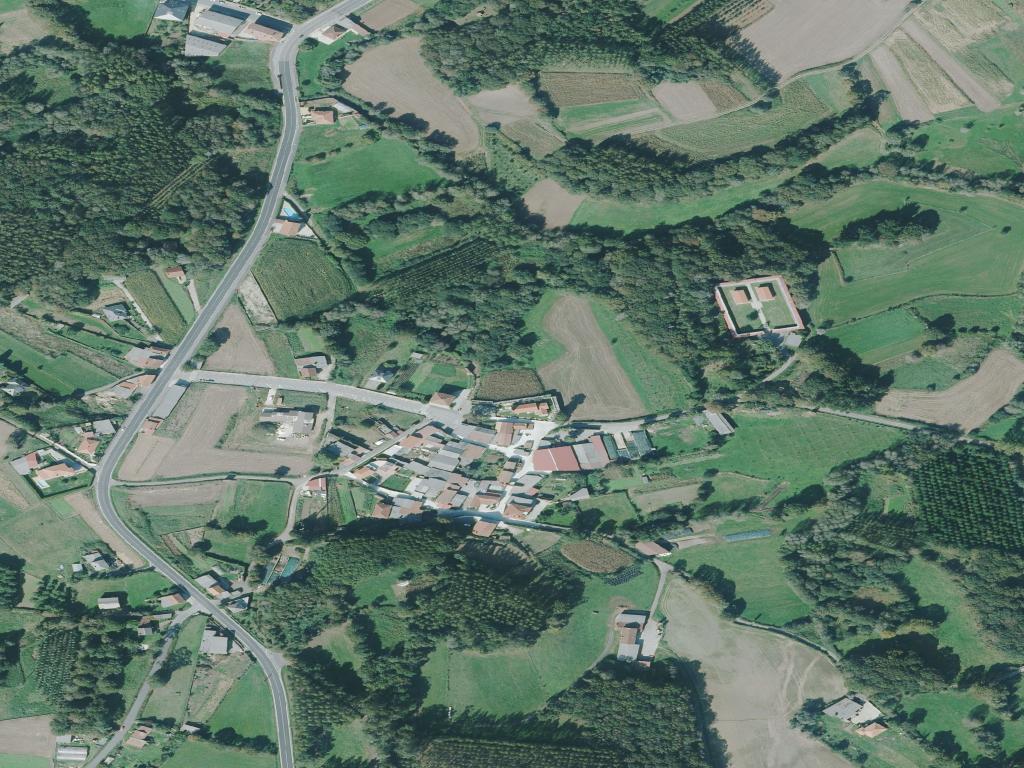
There is something slightly unusual about how Carballo is organised. The parish of Carballo has more inhabitants than many entire municipalities in Galicia. Much of daily life centres on San Xoán Bautista, the parish that gives its name to the main urban area.
The result is a town that feels unusual in a good way. On Saturday mornings some streets fill with the noise of the market from early on. A few roads away, you might still spot logs stacked in a garage because someone continues to heat water as it has always been done. Old habits and newer routines sit side by side without much fuss.
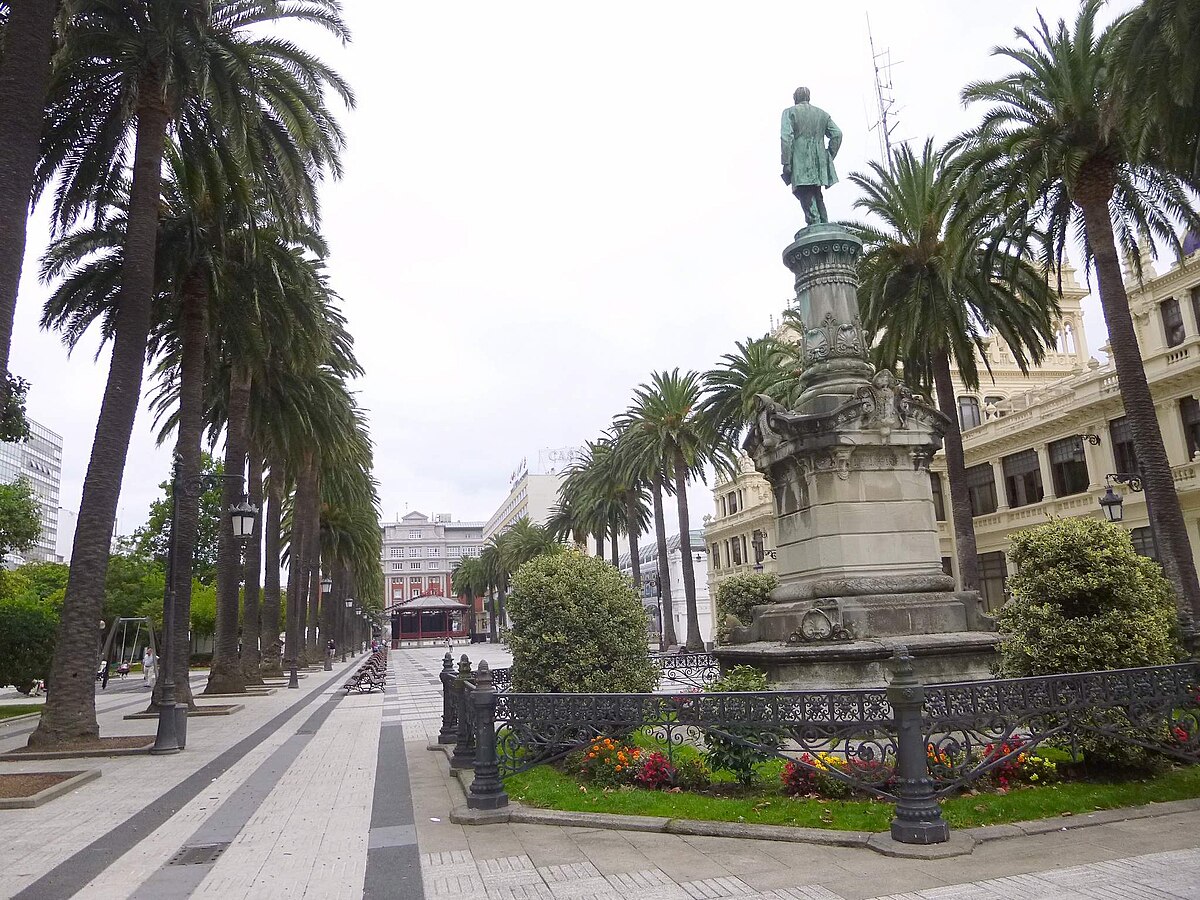
The main square is not monumental. It is more a rectangle edged with benches and bars. Yet it works as a centre of gravity. In the morning, familiar faces sit with the newspaper. Later in the afternoon, younger groups take their place. As the terraces change shift, so does the atmosphere.
That quiet daily handover is typical here.
Bread first, then everything else
Carballo’s bread has a reputation across the surrounding area. This is not standard baguette territory. Each bakery works its own dough and shapes its own loaves, and discussions about which one is best can easily last half the morning.
Someone once suggested the secret lay in the water, which in this area tends to be soft. Whether that is the reason or not, bread here is taken seriously. Short queues at mid-morning are common, and it is not unusual to see people leaving with more than one loaf “just in case”.
A glance at the map explains part of it. Only a few kilometres away lies the beach of Razo. After several hours in the water, hunger arrives quickly.
Bread may dominate the conversation, but water and salt are never far away. The Atlantic is close enough to shape routines. You can spend the morning in town and be at the coast in very little time.
Stone houses that remember
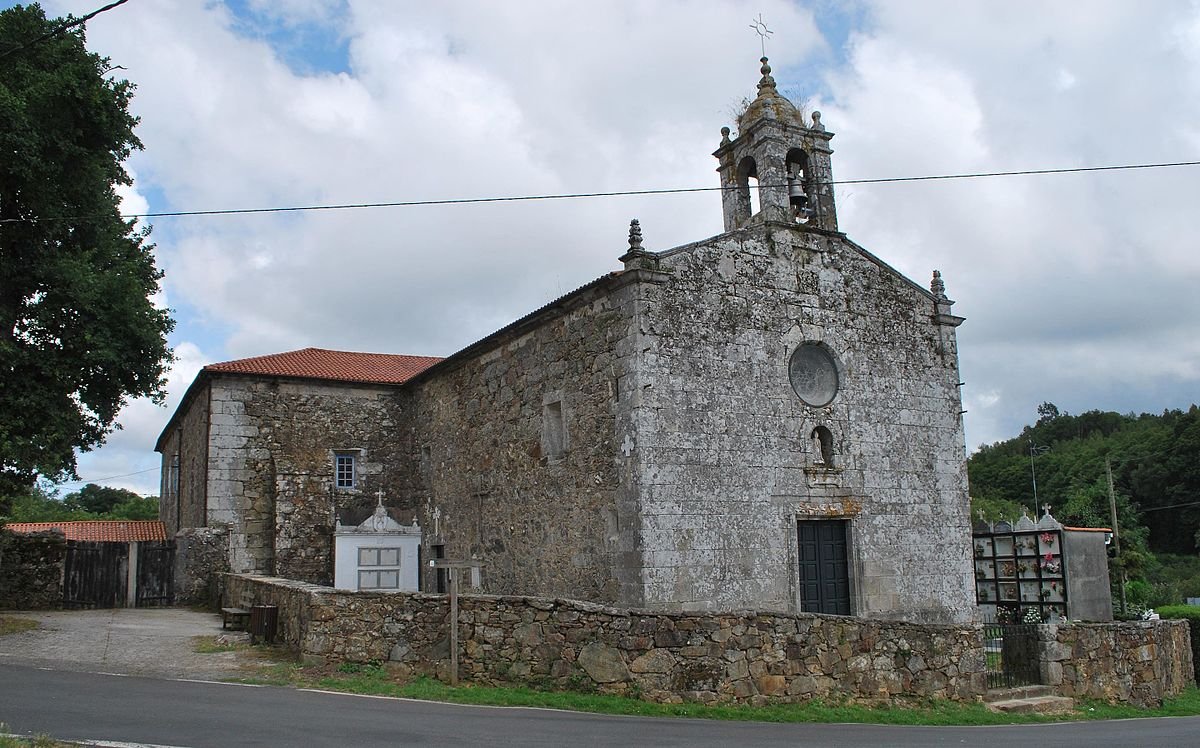
A short distance from the centre, several pazos remain, traditional Galician manor houses that once structured rural life in the comarca. Some still display coats of arms on their façades and thick stone walls that have endured centuries of Atlantic rain.
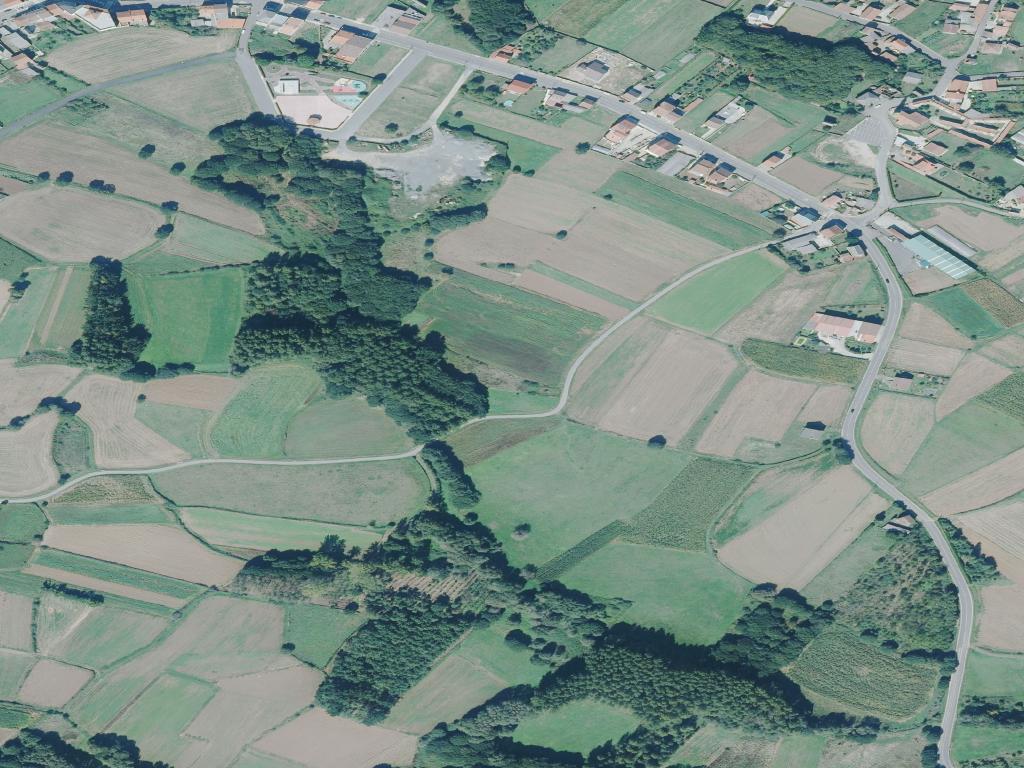
These buildings are reminders that this was, and in many ways still is, a rural region. The pace beyond the central streets changes quickly. Fields and scattered houses frame the older constructions, and the stone seems to hold onto the damp air.
There is also the casa-torre of Artes, a medieval tower house that today appears calmer than it must have been in its own time. Seen up close it is less imposing than in history books, yet it still conveys that sense of a structure built to last.
They are not always open to visit inside, but the surroundings alone justify a walk. The experience is less about ticking off sights and more about noticing how these buildings sit in the landscape.
From the square to the sea
One of Carballo’s advantages is how close it is to the Atlantic. Leave the centre, take the road towards the coast and in a short time you are in Razo.
The beach is long and open, with plenty of movement when the swell rolls in. That is why surfboards are such a common sight. In summer, families arrive with umbrellas and spend the whole day by the water. In winter the scene shifts. Dogs race across the sand and surfers insist that the water “isn’t that cold”.
The space feels wide and exposed, shaped by wind and tide. It contrasts with the tighter streets of the town centre, where buildings gather close and life feels more contained.
Returning to Carballo with salt still on your skin has something of a local routine about it. You park, take a turn around the centre, and it suddenly seems as though the sea is much farther away than it really is. The shift from open beach to market town happens in minutes.
Everyday advice, not brochure talk
If you pass through Carballo on market day, wander without rushing. It is the sort of place where shopping still involves a conversation, and many products arrive directly from nearby villages. The market noise is part of the town’s identity, as steady as the daily rhythm of the square.
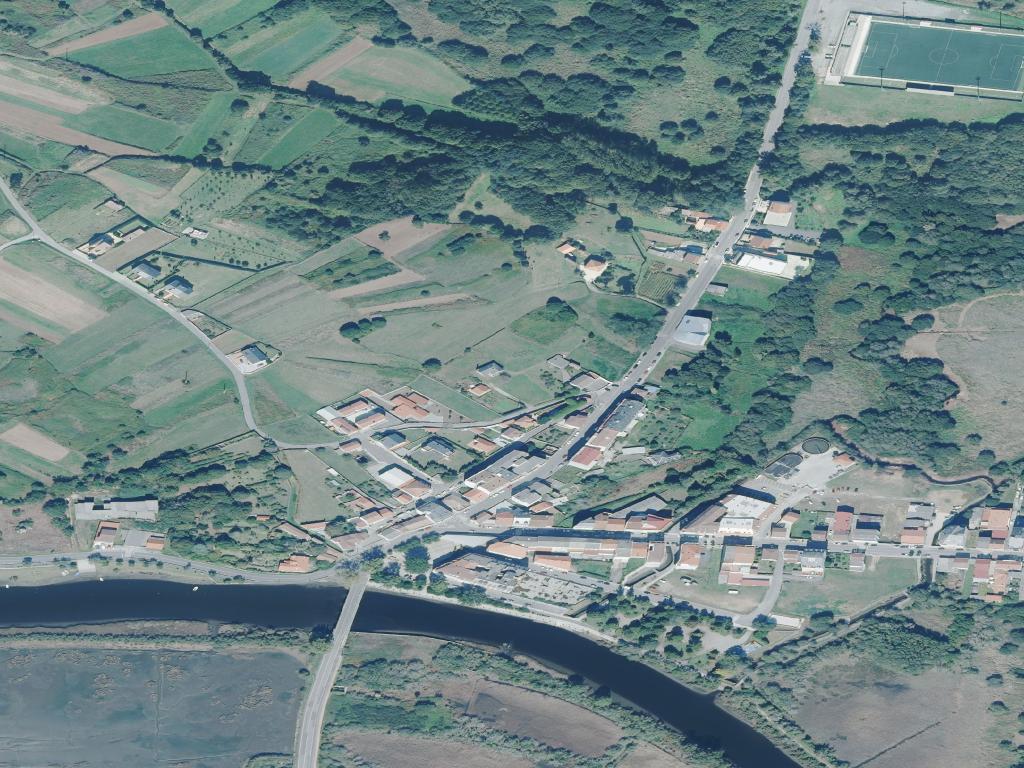
Near the municipality there is also an old bridge shared by Carballo and Coristanco. It is not a vast monument or a glossy postcard scene, but it makes for a calm walk by the river. The appeal lies in its simplicity.
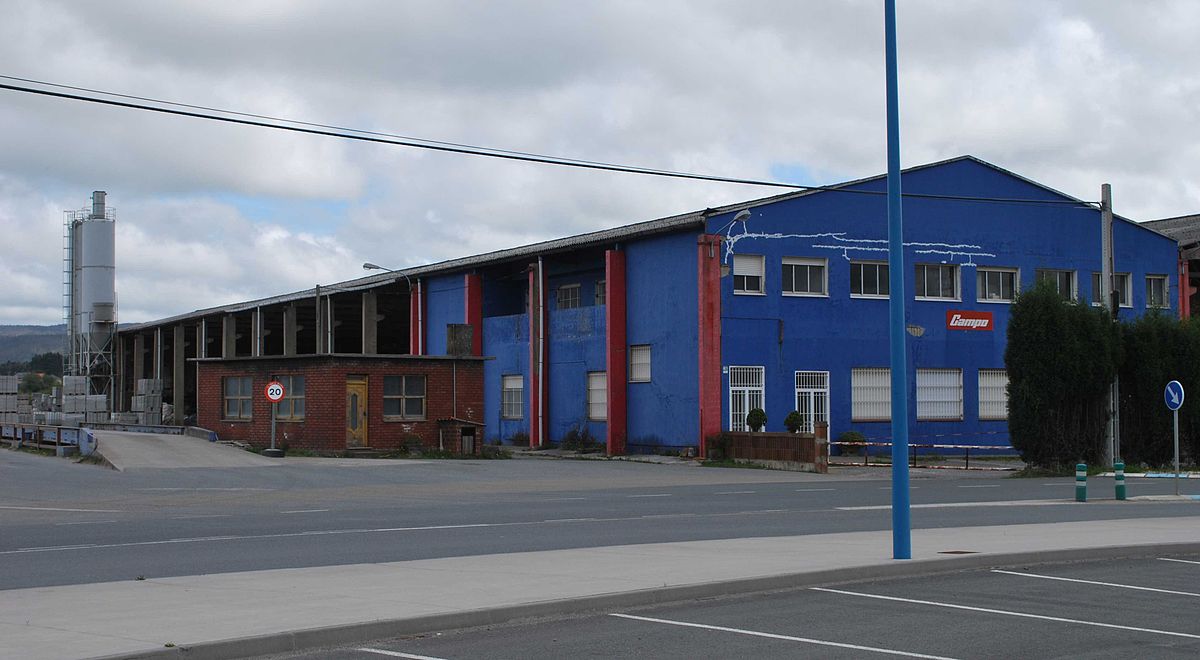
One practical point matters. Carballo is the capital of a comarca, a kind of regional district, and it shows. There is traffic, services and a good deal of movement during the day. If complete silence is what you are after, it makes more sense to stay in one of the surrounding parishes or in the rural areas around the urban centre.
There is one last detail that only becomes clear if you linger. On some mornings the centre smells distinctly of freshly baked bread. When that coincides with a breeze from the sea, the aroma shifts entirely. It is an unusual mix, and very much of this place.
Carballo does not try to present a polished version of itself. It remains a working town where people shop, drive, chat and head to the beach when they can. Bread queues and surfboards share the same day. The market square changes mood as the hours pass. The Atlantic sits just close enough to alter the air.
It may not live from tourism, but for a visitor that is part of the point. Life here carries on regardless, and stepping into that rhythm, even briefly, is what makes Carballo feel like more than a stop on the map of Galicia.