Full Article
about Laxe
Hide article Read full article
Morning by the Ría
At six in the morning, Laxe smells of seaweed freshly washed ashore and strong pot-brewed coffee drifting out through half-open windows. Fishing nets hang from the quay like damp curtains. A few early walkers cross the sand with head torches still lit, following the route of the Camiño dos Faros, the long-distance coastal trail that links lighthouses along this stretch of Galicia. In the harbour there is the thud of crates set down on concrete and low voices from fishermen returning from a night at sea. The water at dawn is pearl-grey and almost still.
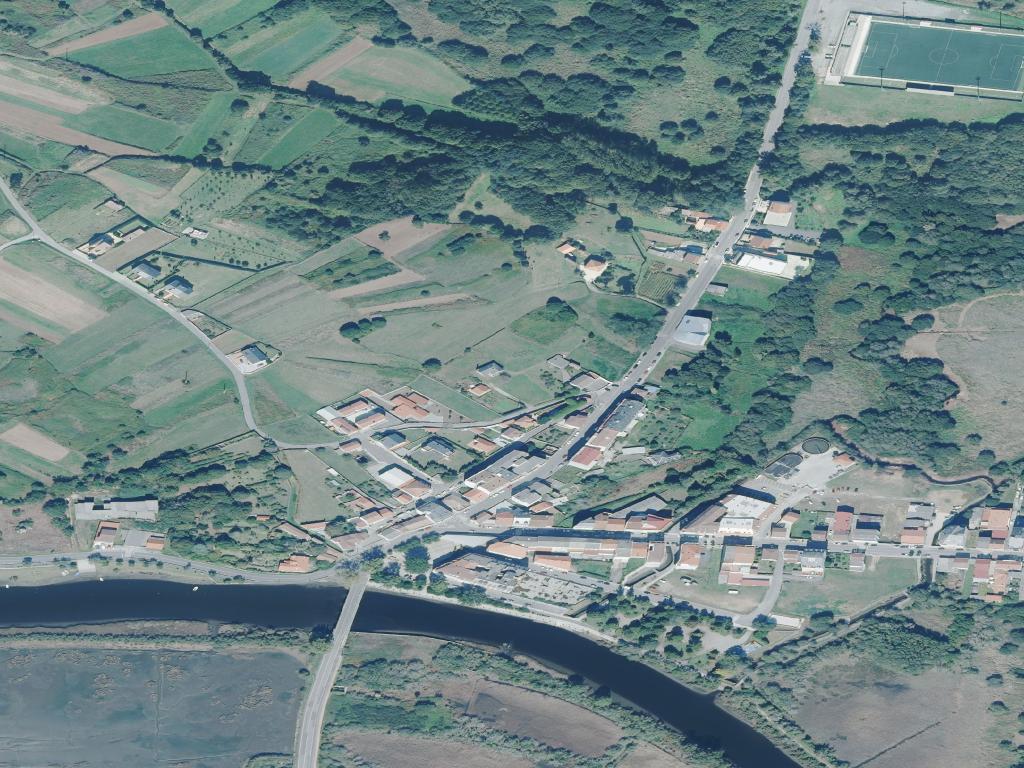
From the top of Monte da Insua, where the lighthouse stands, the ría opens in a wide arc. Below, the town gathers around its main beach. The houses are low, with pitched roofs, and in the evening their façades take on the same tone as wet sand. A short walk along the coast brings you to Praia dos Cristais. Among the gravel lie thousands of pieces of glass rounded by decades in the Atlantic. It was once a rubbish tip. The ocean has reshaped what was left behind, and the ground now crunches underfoot like coloured pebbles.
Laxe sits within the region known as the Costa da Morte, a name that hints at the power of the Atlantic here. Yet in the early hours, before the wind picks up, the scene feels measured and unhurried. The town faces the sea directly, but it also turns inward, towards the ría and the daily routines that have shaped it for generations.
The Taste of the Ría
Food in Laxe follows the rhythm of the harbour. Octopus is rarely rushed. In many kitchens it is not lowered into boiling water until several tables have asked for it at once. It arrives tender, dressed simply with paprika and olive oil, and served with cachelos, boiled potatoes cooked in their skins. The dish is known across Galicia as pulpo a feira, though here it feels tied to the timing of the orders and the quiet coordination behind the scenes.
Caldeirada appears more often in family homes than on printed menus. This fish stew depends entirely on what has come in that day. It might be monkfish, hake or ray, always cooked with potatoes, paprika and a light broth. It is eaten with a spoon, with bread close at hand because the broth calls for it.
Near Traba, small-scale producers still make cows’ milk cheese. It is usually sold without elaborate labelling, wrapped in paper. There is a faint saltiness that seems to come from meadows close to the sea. The flavours here are direct and shaped by proximity to the Atlantic, by what the boats bring back and what the land supports.
When the Town Fills
On the night of San Xoán, in late June, the beach changes completely. Grills are set up directly on the sand and the smoke from sardines drifts into the salty air from the ría. People walk barefoot, waiting for the bonfires to die down before jumping over the embers, a ritual believed to bring luck. The tide rises as conversations stretch late into the night.
Summer also brings the maritime procession of the Virgen de la Atalaia. The statue is taken out onto the water on a decorated boat, accompanied by other vessels sounding their horns. From the shore, many follow the route in silence. Some throw flowers into the sea as the small flotilla passes. For a few hours, the focus shifts from the beach and cafés to the line where water meets sky.
These gatherings do not erase the town’s routine, but they do amplify it. The harbour becomes a stage, the beach a meeting point. The sea, always present, takes on a ceremonial role.
Walking Towards Traba
The path to Traba begins near the football pitch and soon threads its way through low dunes and scrub. On one side lies the lagoon of Traba, a sheet of calm water where herons or ducks are sometimes visible. The wind carries the scent of salt and flattened grass.
In less than an hour on foot, Praia de Traba comes into view. It is long, open and more exposed to the Atlantic than the beach at Laxe. When the sea is up, waves break far out and their sound carries ahead of them. The sense of space is immediate. There is little shelter from the elements and the light changes quickly.
The Camiño dos Faros continues from here towards Ponteceso along cliff-top sections. The landscape shifts in quick succession: rock underfoot, patches of fern, constant wind. At Punta Nariga, the lighthouse appears, white with red details, built on the rocks as if ready to set sail. The route demands attention. There are long stretches without services or nearby villages, so carrying water is essential if walking this part of the trail.
This coastline does not soften itself for visitors. It alternates between sand and stone, between sheltered inlets and exposed headlands. The reward lies in the continuity of the path and the changing perspective over the Atlantic.
The Town at Its Own Pace
At low tide, some local women make their way down to the rocks with buckets and small rakes. They search for whatever the shoreline leaves behind: cockles, periwinkles, perhaps the occasional razor clam. The work is slow. Their gaze stays on the water more than on each other.
In the late afternoon, Plaza de Ramón Juega settles into its usual rhythm. Someone is almost always playing cards beneath the laurel tree. Older residents sit with jumpers draped over their shoulders even in warm weather, talking about tides, past storms and how fishing has changed. If rain begins, the movement shifts to nearby bars. A beer, low conversation, the mixed scent of dark roasted coffee and freshly mopped floors.
There is no grand performance to daily life here. The square, the harbour and the beach each have their hour. The pace is steady, guided by tides and weather more than by the calendar.
Arriving and Choosing the Moment
From A Coruña, the journey by car usually takes a little over an hour, depending on traffic when leaving the city. In July and August, parking near the beach fills quickly, often before midday. The streets in the centre are narrow, with unexpected turns, so it makes sense to take the first available space and continue on foot.
Outside the summer season, the rhythm shifts noticeably. In October, for example, the afternoon light falls cleanly over the ría and the beach returns to being almost empty. The sea still holds some of the summer’s warmth. The town moves more slowly, as if settling back into its usual size.
Laxe does not reinvent itself between seasons. It simply expands and contracts. At dawn, with the smell of coffee and seaweed in the air, it feels close to its essentials: boats returning, nets drying, the Atlantic stretching out beyond Monte da Insua. Everything else follows from that.