Full Article
about Malpica de Bergantiños
Hide article Read full article
Malpica de Bergantiños, sin rodeos
Malpica de Bergantiños huele a mar antes de que apagues el motor del coche. No es una forma de hablar. El puerto está pegado al pueblo. En dos pasos estás entre barcas, redes y gaviotas que planean esperando algo. No hay que buscarle tres pies al gato aquí. Llegas, el Atlántico está ahí, y en cinco minutos has entendido el lugar.
El centro es una plaza pequeña con bancos de piedra. Las casas blancas miran al agua como si llevaran toda la vida vigilando el tiempo. Las playas se suceden por la costa, algunas casi dentro del pueblo, otras a un corto trayecto en coche.
El nombre tiene su historia. Al pueblo le añadieron "de Bergantiños" hace un siglo para diferenciarlo de otros Malpicas. Bergantiños es la comarca. Su pasado pesa: durante siglos fue un puerto ballenero donde trabajaban marineros vascos y cántabros junto a los locales. Eso sigue en el ambiente, aunque ahora la vida gire alrededor del pescado, no de las ballenas.
Un paisaje con islas incluidas
Desde la orilla siempre ves las Islas Sisargas. Son tres rocas en el Atlántico con un faro que tuvo fareros viviendo dentro durante años. Ahora funciona solo, pero sigue siendo un punto fijo en el horizonte. Es de esos detalles que miras más tiempo del previsto.
Cuentan una historia local que lo explica todo. Hace siglos, usaron huesos de ballena para construir algunas casas. No sé si quedará alguno, pero la idea ya te da una pista de la actividad que hubo aquí.
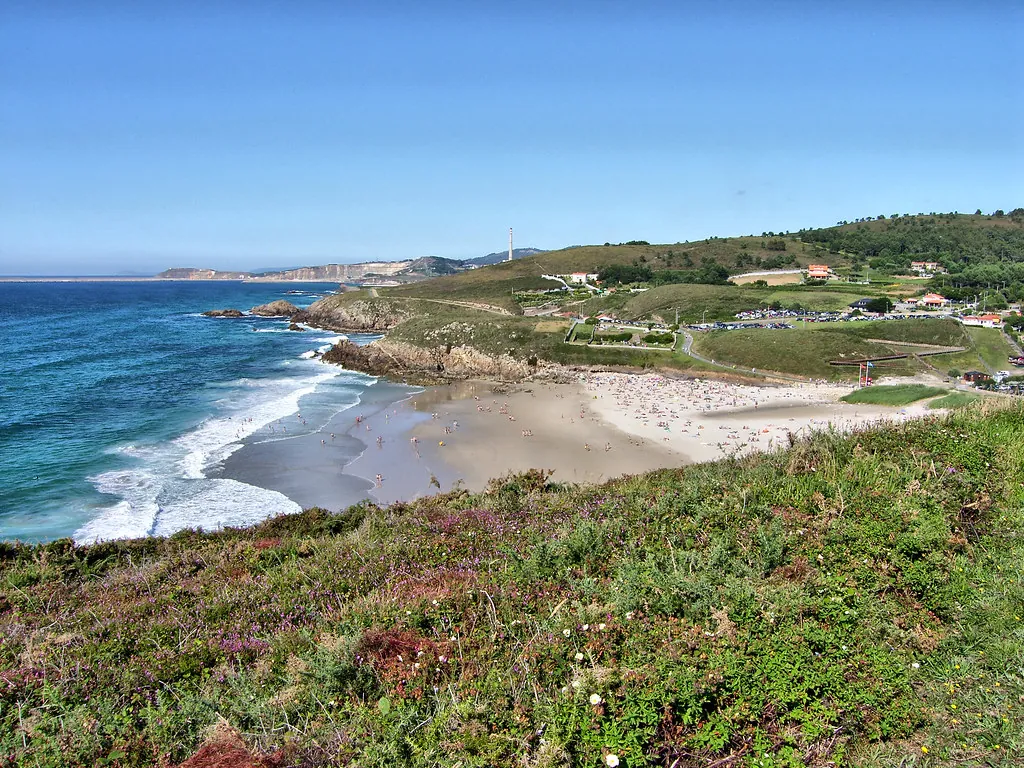
La playa principal del pueblo es Area Maior, aunque todo el mundo la llama playa de Malpica. Es la más larga junto al casco urbano. Si sigues por la costa aparecen más arenales, unos abiertos al océano y otros algo más resguardados. El Atlántico manda aquí. Marca la luz, el viento y cómo se vive el día.
A finales de junio cambia todo. Si ves hogueras en la arena, es la noche de San Juan. Aquí significa fuego en la playa, sardinas asándose y gente comiendo al aire libre mientras la arena aún guarda calor del día. Es una forma comunal de recibir el verano.
Patear la costa
Por aquí pasa el Camino de Santiago por la Costa, así que es normal cruzarse con peregrinos cargando con sus mochilas por los senderos litorales. En Malpica se mezclan brevemente con la rutina diaria de un pueblo pesquero.
Si prefieres caminatas más cortas hay varias rutas cerca. Algunas pasan por zonas con restos megalíticos como dólmenes o túmulos que llevan miles de años ahí. Están en el paisaje sin aspavientos como si nadie se atreviera a moverlos.
El pueblo también tiene una veta cultural ligada al pintor Urbano Lugrís muy vinculado a los temas marinos. Conservan murales suyos y con los años se ha creado una ruta informal para buscarlos por distintas paredes y espacios.Un paseo tranquilo puede llevarte frente a un gran cuadro marino pintado directamente sobre un muro.Tiene algo de búsqueda del tesoro pasar de una vista portuaria real a una escena marina imaginada.
Lo que manda es el puerto
En Malpica lo que llega a la mesa lo decide el mar.No verás cartas interminables con platos de todas partes.La lógica es simple:lo que sale del agua va primero.
Uno de los platos más típicos es caldeirada.Básicamente es pescado o marisco guisado con patatas aceite y pimentón.Los ingredientes suenan sencillos y lo son pero cuando la materia prima es fresca funciona.Los sabores reflejan el lugar directos sin adornos.
En verano suelen celebrarse fiestas ligadas al mar y su pasado ballenero.Esos días Malpica se llena más de lo habitual.Música puestos y actividad se agolpan alrededor del puerto.Si coincides con alguna celebración verás el pueblo en modo festivo total con su identidad marinera bien visible.
Un ritmo propio
Malpica no es grande.Te lo recorres rápido:una vuelta al puerto una subida por las calles que miran al mar un descenso a la playa y vuelta.La escala permite entenderlo en una tarde.
Pero no da sensación postal.Se nota que es un puerto que funciona como tal.Llegan barcas se manejan redes y las conversaciones giran sobre cómo está el agua.
Si te gusta el Atlántico en su versión más real con viento mareas y tiempo cambiante quedarte a dormir permite entenderlo mejor.Fuera del verano todo está mucho más tranquilo.Las playas casi vacías mantienen ese ritmo constante.Entran barcas salen barcas.
Es común ver a alguien apoyado en el muelle mirando al cielo para calcular si mañana se podrá salir a faenar.Aquí se habla del tiempo casi tanto como de fútbol.En esta parte de Galicia cambia rápido.Muy rápido