Full Article
about Bergondo
Hide article Read full article
By the ría, where the day begins with oysters
Oysters crack between your teeth with that metallic taste that reminds you that you are eating the sea itself. It is eleven in the morning on the ría de Bergondo, an estuary on the Galician coast, and a shellfish gatherer has just lifted them from the floating platforms, still cold, her hands reddened by the water. There are barely any signs to explain it, but this is one of the stretches of the ría where oysters and concha fina are still farmed in full view of anyone walking along the quay.
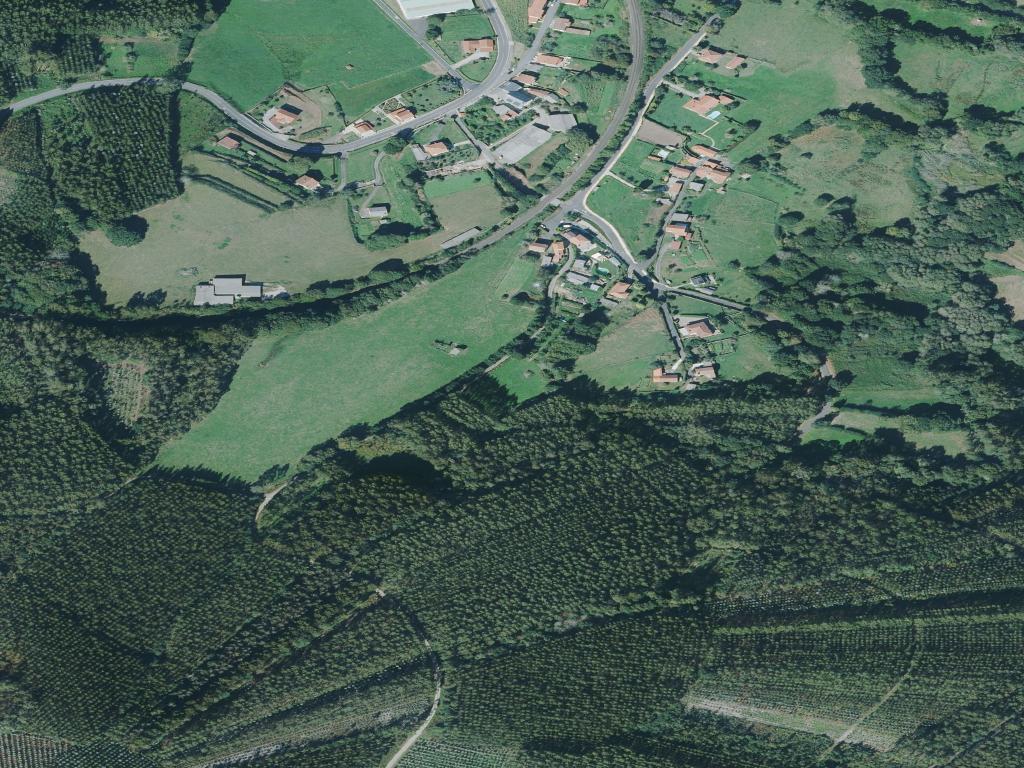
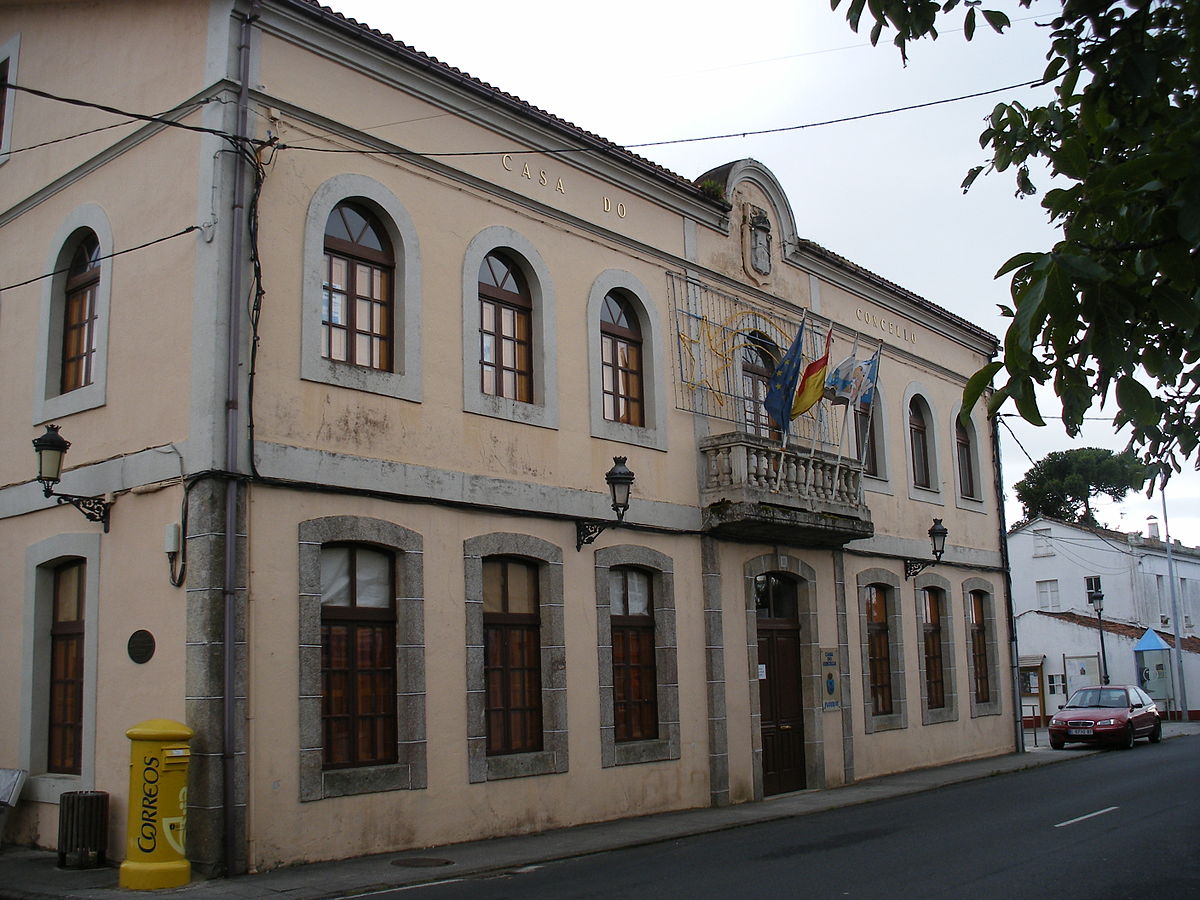
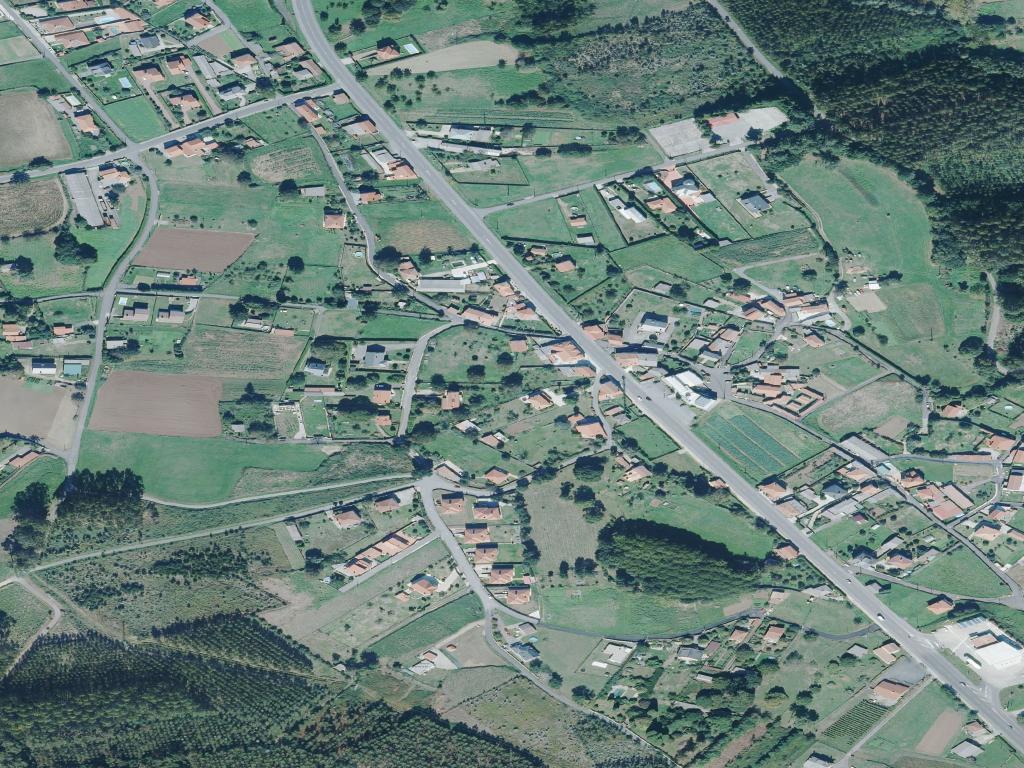
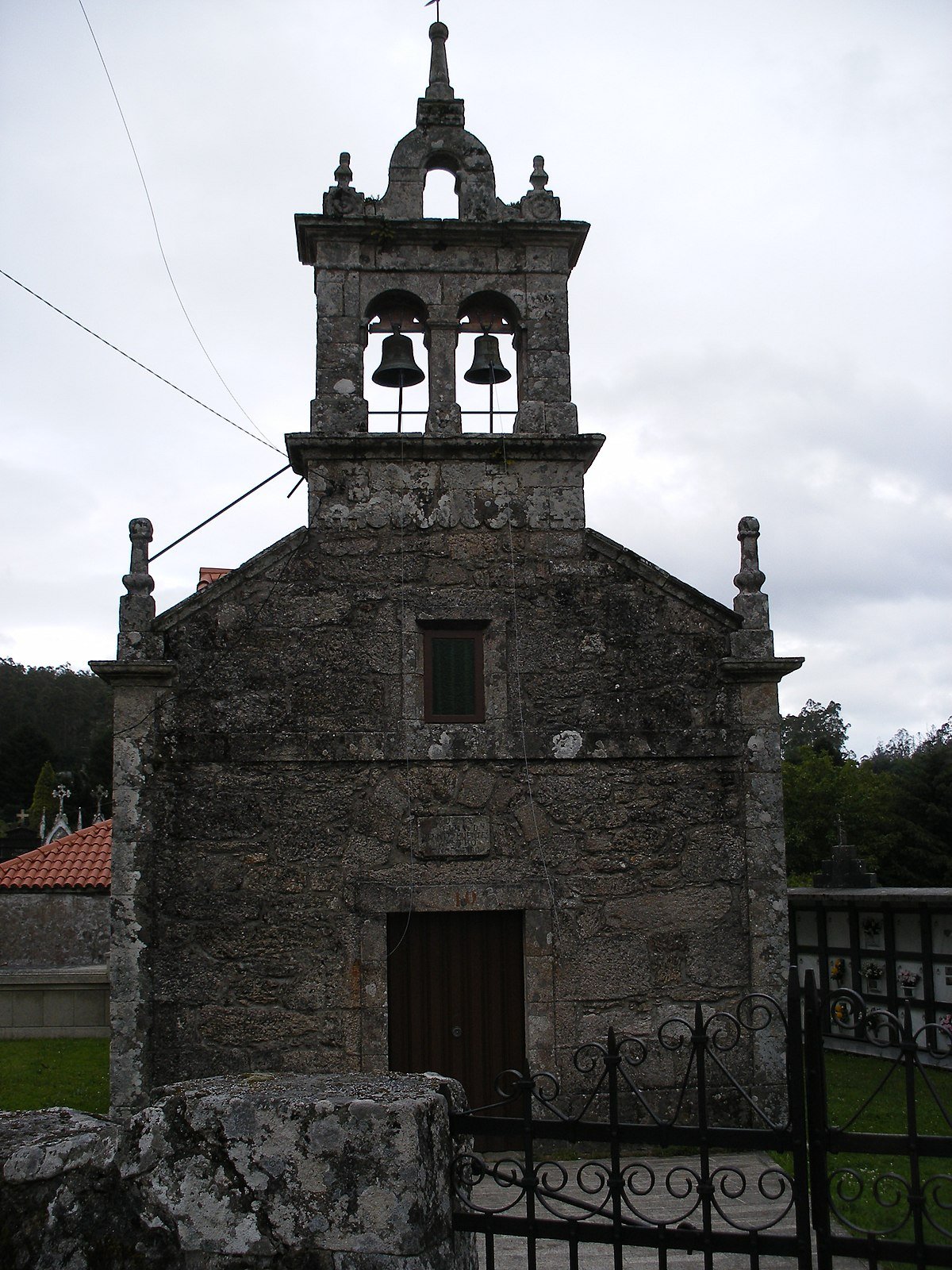
Bergondo is not a municipality that reveals itself all at once. It unfolds gradually along the lanes that slope down to the ría and across its nine parishes, scattered like separate pieces across the landscape. From the road linking A Coruña and Sada it can seem like somewhere you simply pass through, another name between roundabouts and industrial estates. Turn off for a few minutes and a different scene appears: manor houses half concealed by trees, churches that still smell of wax and damp, and tracks that end at shellfish beds.
Where time seems to stand still
The Monasterio de San Salvador emerges between the trees when you have almost forgotten you were looking for it. Founded in the 12th century, it was once part of the routes that crossed this corner of Galicia on the way to Santiago. Today the Romanesque church keeps the particular hush of buildings that have long been places of retreat. Footsteps echo, the stone feels cold to the touch, and a persistent scent of moisture seeps from the joints in the walls.
The cloister, when it is open, has that deep mossy green that only grows where rain filters in slowly and few people tread. During the week there are usually very few visitors. Access sometimes depends on whether staff are on site, so it is worth assuming you may only see the exterior. Even so, the Romanesque façade and its carved archivolts make the stop worthwhile.
Manor houses above the water
The Pazo de Mariñán looks out over the ría del Burgo, its gardens descending in terraces almost to the water’s edge. From the upper levels the landscape becomes clear: vegetable plots, small villages and the calm line of the ría narrowing inland. The complex has medieval origins and was expanded over time. Today it is used for cultural activities and, depending on the season, some areas can be visited while others remain closed.
Further inland, other pazos are scattered among parishes and along secondary roads. A pazo is a traditional Galician manor house, often linked to rural estates and local nobility. In one of them, an enormous sequoia rises above the surrounding oaks and eucalyptus trees. It easily exceeds thirty metres in height and releases a resinous scent when you approach the trunk, especially on warm summer days.
Life shaped by the tide
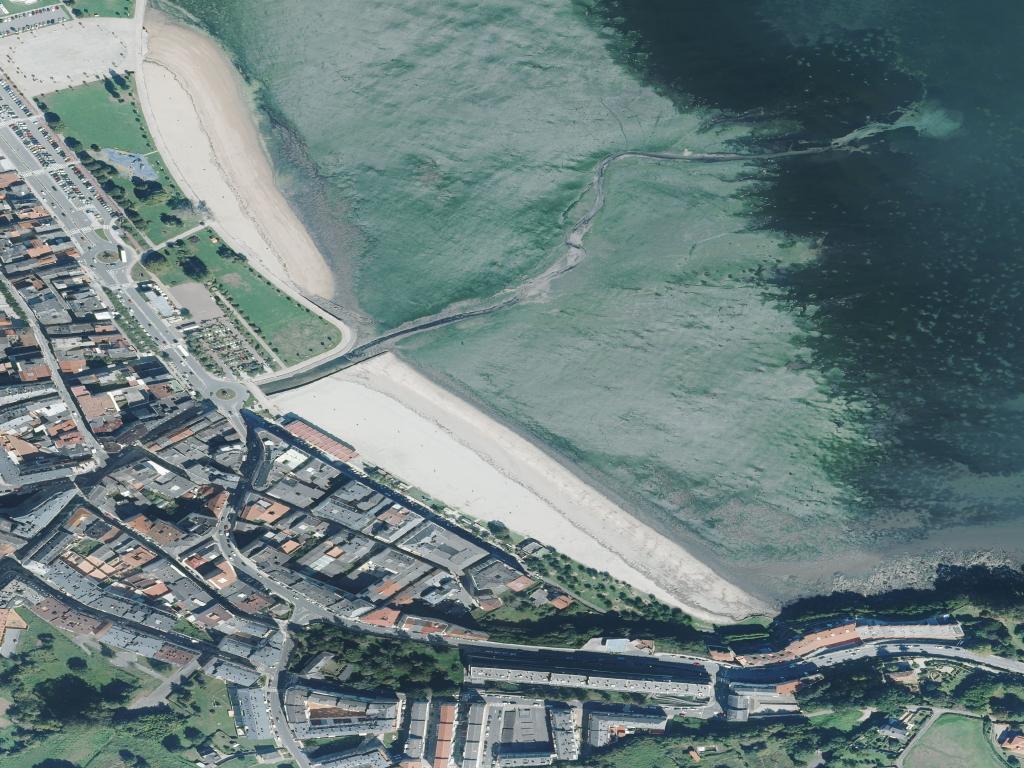
Along the ría, when the tide retreats, the water reveals lines of bateas, the floating structures used for shellfish farming, and shellfish beds that from above resemble a geometric drawing. Work here follows the rhythm of the sea rather than the clock. On weekday mornings it is common to see people gathering shellfish with rakes and baskets, moving slowly across the mud.
Local cooking reflects whatever the ría or the vegetable garden yields that day. In private homes caldeirada, a traditional fish stew, is still prepared when there is fresh catch. In some parishes the custom of making tortilla de trigo continues, a wheat-based omelette that differs from the more familiar potato version found elsewhere in Spain. Dark rye bread, baked in traditional ovens in the area, is also easy to find, particularly at weekends.
Food here is not presented as spectacle. It is tied to routine, to tides and harvests, to what is available. The connection between the landscape and the table feels direct, especially in the mornings when activity on the mudflats is visible from the shore.
Festivals that belong to the parish
At the end of July the parish of Babío usually celebrates the fiesta of Santa Marta. Many who live elsewhere return for the day, and the atmosphere feels more like a reunion than a staged event. After the religious ceremonies, traditional music tends to continue for hours while people eat and talk in small groups scattered across the field.
Towards September, Bergondo also hosts a festival of Galician music that brings together bands from different parts of the region. It does not follow the format of large commercial festivals. The audience mixes easily with local residents and the mood is close and informal, more village square than vast arena.
These gatherings reflect the way Bergondo functions throughout the year. Life is organised around parishes, and celebrations remain rooted in them. Visitors are present, yet the sense is that the festivities are primarily for those who belong to the place.
Getting there and choosing your moment
Bergondo lies very close to A Coruña and can be reached in just a few minutes by road from the city or from Sada. To move between parishes it is advisable to have a car, as the settlements are quite spread out and public transport does not connect every corner.
For those seeking quiet, September is often a good time to visit. The water of the ría still holds the warmth of summer and the pace slows noticeably. In August, particularly at weekends, many second homes fill up and small roads end up lined with parked cars.
Early starts bring their own reward. At first light, when mist still hangs low over the ría, the air smells of freshly baked bread and salt. For a long while the only sounds are gulls and the distant hum of an engine out on the water. Bergondo does not announce itself loudly. It asks for time, for detours, for a willingness to follow a narrow road down towards the tide.