Full Article
about Vilarmaior
Ocultar artículo Leer artículo completo
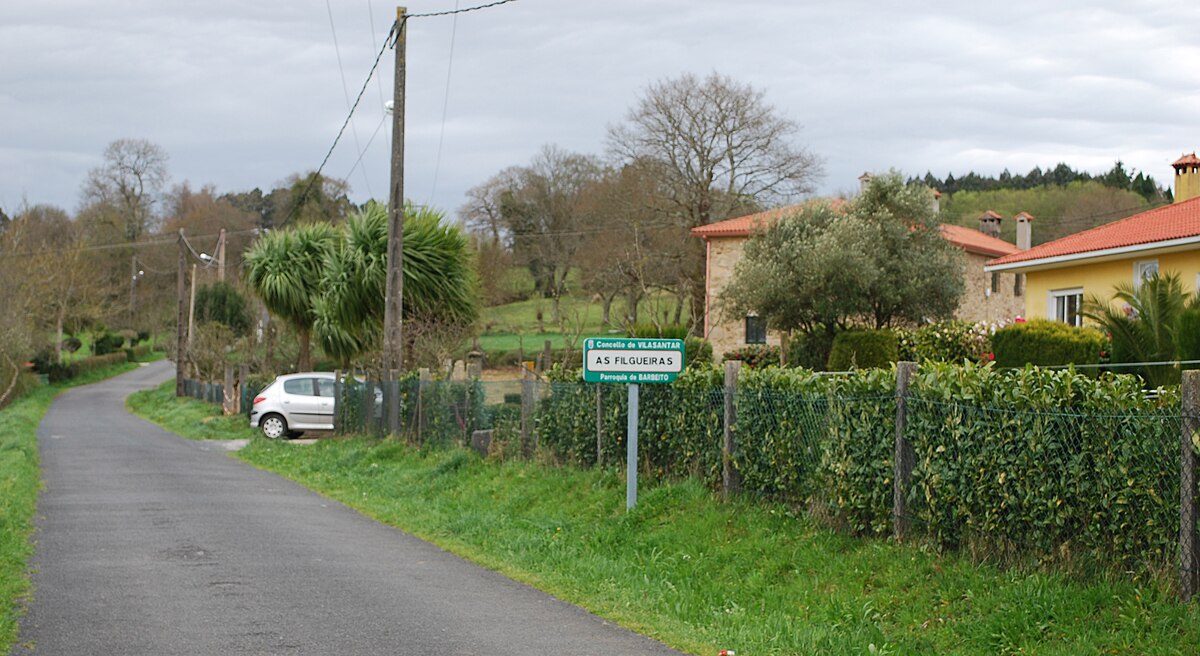
The tractor blocking the lane isn't broken down. It's waiting for a farmer to finish his coffee at Bar Ferreiro while his cows shuffle between stone-walled fields that have defined Vilarmaior's boundaries since the Middle Ages. This is rural Galicia without the gloss—no gift shops, no interpretive centres, just 1,200 people living among scatterings of grey granite houses that follow no particular plan.
Between Betanzos and the Atlantic
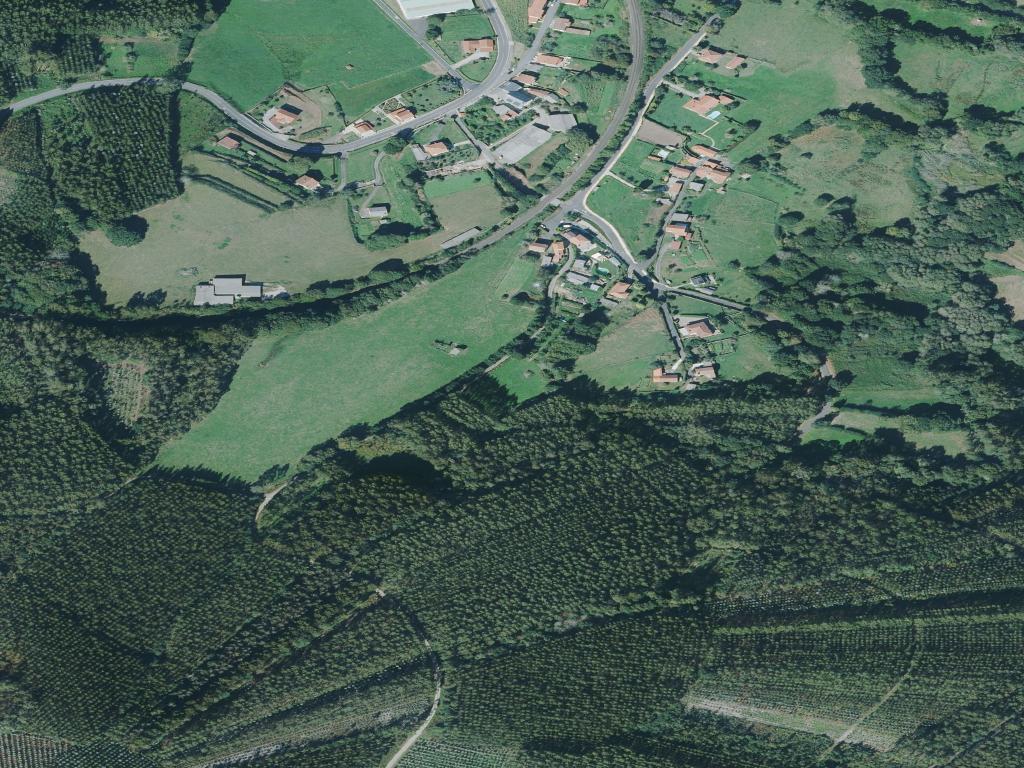
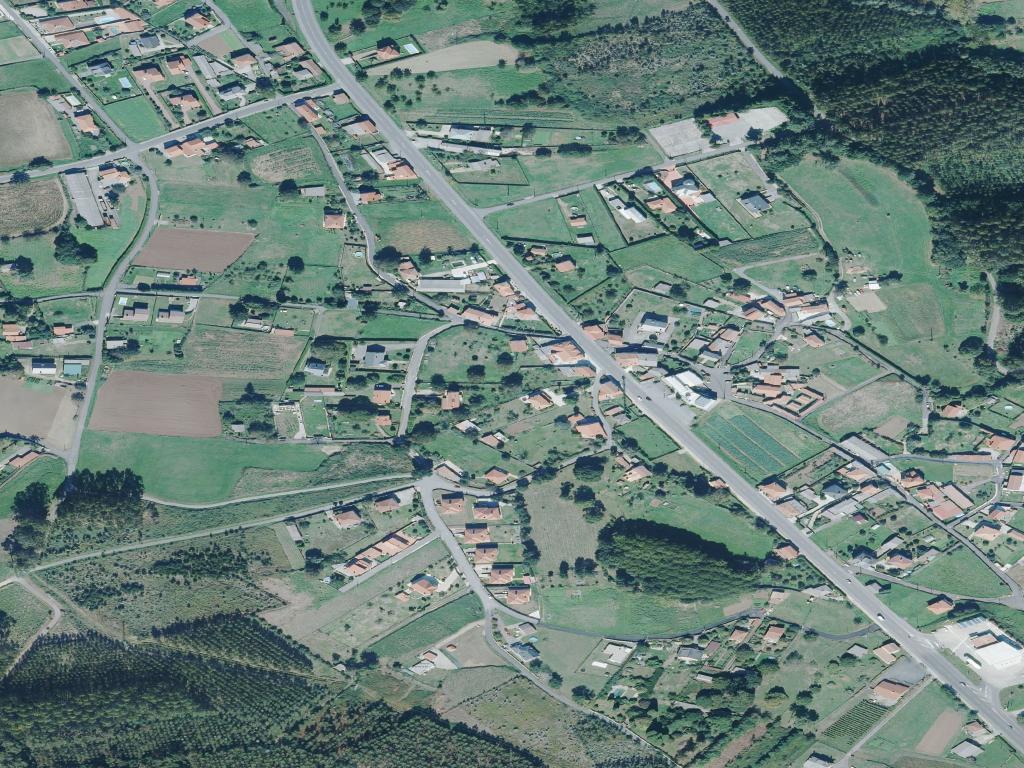
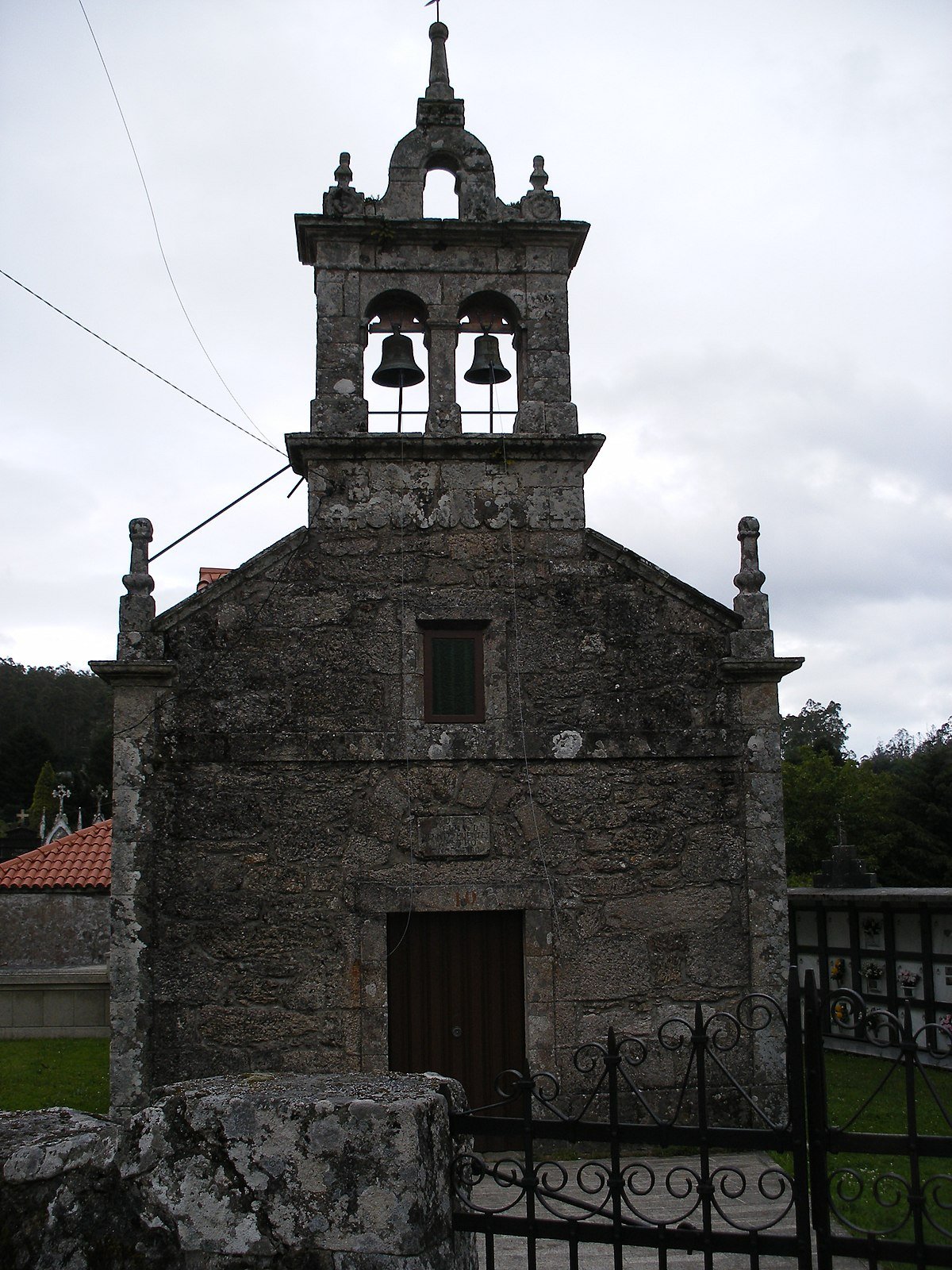
Twenty-five minutes northeast of Betanzos, the AC-552 peels off the autopista and narrows dramatically. Suddenly you're threading through oak and eucalyptus, past hamlets that appear only when the road dips. Vilarmaior proper—if such a thing exists—clusters around the 18th-century church of San Salvador, but the municipality stretches across six parishes, each with its own pocket of farms, fountains and communal washhouses. Drive slowly; the speed limit says 50 km/h but free-range chickens haven't read the signs.
The altitude hovers around 200 metres, high enough to catch Atlantic weather systems before they break over the coast. Morning mist settles in the valleys until sun burns it off, revealing folds of pasture that turn from emerald to khaki depending on rainfall. Locals claim you can experience four seasons in a day; pack accordingly. Waterproof trousers aren't overkill in July.
Reading the Landscape
Forget cathedrals and castles. Vilarmaior's architecture is domestic, agricultural and mostly waist-high. Horreos—those raised granaries on mushroom-shaped stilts—dot gardens like oversized bird tables. Some rest on granite slabs so perfectly fitted you can't slide a credit card between them. Others lean tipsily, saved from collapse by ivy and optimism. Stone crosses (cruceiros) mark parish boundaries or, more practically, spots where medieval processions paused for breath.
The pleasure lies in spotting variations. A lintel carved with 1789 sits above a garage door. A bread-oven bulges from a farmhouse gable like a granite tumour. Even the moss has regional loyalty—soft and velvety on north-facing walls, brittle lichen on the south. Bring binoculars if you like botanical detail; bring sturdy boots if you don't fancy ankle-deep mud after last night's drizzle.
Walking routes exist mainly in farmers' heads. The tourist office (open Tuesday and Thursday, mornings only) will photocopy a hand-drawn map showing loops of 4–8 km that link Vilouchada, Barciela and Ferreira. Waymarking is sporadic—a yellow splash on a telegraph pole, an arrow scratched into a gatepost. GPS helps, but signal drops in the deeper valleys. When in doubt, follow the sound of running water; every hamlet has its fuente, and tracks inevitably lead there.
What You'll Actually Eat
There are no restaurants in Vilarmaior itself. The nearest full menu is five kilometres away in Pazo de Rustán, where a set lunch (three courses, wine, coffee) costs €14 and arrives on checked tablecloths with alarming speed. Expect caldo gallego—cabbage-and-bean broth thick enough to stand a spoon in—followed by pork shoulder or grilled hake depending on the day. Vegetarians get tortilla, no arguments.
Back in the village, Bar Ferreiro serves tortilla squares from 10:00 until it runs out, usually by noon. Coffee comes in glass tumblers; milk is heated in a saucepan behind the bar. They don't do soya. Evening tapas extend to crisps and olives, plus excellent pimientos de Padrón if the delivery van remembered. Payment is cash only—notes accepted, grumbling included.
Self-caterers should stock up in Betanzos before arriving. The sole village shop opens 09:00–14:00, sells tinned tuna, UHT milk and the local tetilla cheese, mild and buttery enough to convert even the most committed Cheddar loyalist. Fresh bread appears Wednesday and Saturday; get there early or make friends with someone who bakes.
When the Sun Doesn't Shine
Galicia's rainfall myth is rooted in fact: Vilarmaior averages 1,400 mm annually, most of it between October and April. But days of continuous downpour are rare. More common are showers that blow in, soak everything, and blow out again leaving steam rising from tarmac. Locals treat weather like background radio—acknowledged but never central.
If clouds settle in for the duration, head indoors to the bread museum in neighbouring Cerdido (20 min drive). Housed in a former mill, it explains why Galician loaves are shaped like fat pillows and lets children knead dough while adults sniff sour-starter in various stages of fermentation. Alternatively, drive to the Fragas do Eume, one of Europe's last Atlantic forests, where laurels grow 15 metres high and medieval monks once brewed herbal remedies now lost to science. The monastery itself is closed for restoration after 2014's forest fire, but walking trails have reopened and the river pools are clean enough for a bracing dip—just mind the current.
Practicalities Without the Brochure Speak
Fly to Santiago de Compostela from Stansted or Gatwick (2 h 10 m with Ryanair/EasyJet). Hire cars live directly outside arrivals; ignore the hard sell on GPS—your phone works fine once you buy a Spanish data pack at the airport Vodafone kiosk. Drive north on the AP-9 for 20 min, exit at Betanzos, then follow the AC-552 east for 12 km. Petrol is cheaper at the supermarket filling station just before the turn-off.
Accommodation is limited. Casa Xan de Pena offers three ensuite rooms in a 19th-century farmhouse; breakfasts include homemade jam and eggs from chickens you can hear discussing the day. Price hovers around €70 per night, cash only, no children under 12. Book by WhatsApp: the owner responds faster than most London hotels manage email. Alternative is Alvarella apartments, 3 km outside the village proper—modern, warm, slightly characterless but with proper heating and a washing machine, useful if you've been hiking through bogs.
Sunday drivers beware: tractor traffic peaks after mass. The road through Ferreira is single-track with passing places; Galician courtesy dictates the vehicle closest to a lay-by reverses, even if that means 200 metres of blind reversing. Wave afterwards—it's etiquette, not flirtation.
Leave the village as you found it: close gates, don't picnic in front yards, and resist the urge to rearrange stone walls for a better photograph. The charm here isn't curated; it's simply ongoing life in a landscape too stubborn to change for tourism's sake. Come with time rather than expectations, and Vilarmaior will give you back something no cathedral city can manage—a quiet afternoon when the only soundtrack is cowbells and your own thoughts echoing off granite that has heard it all before.