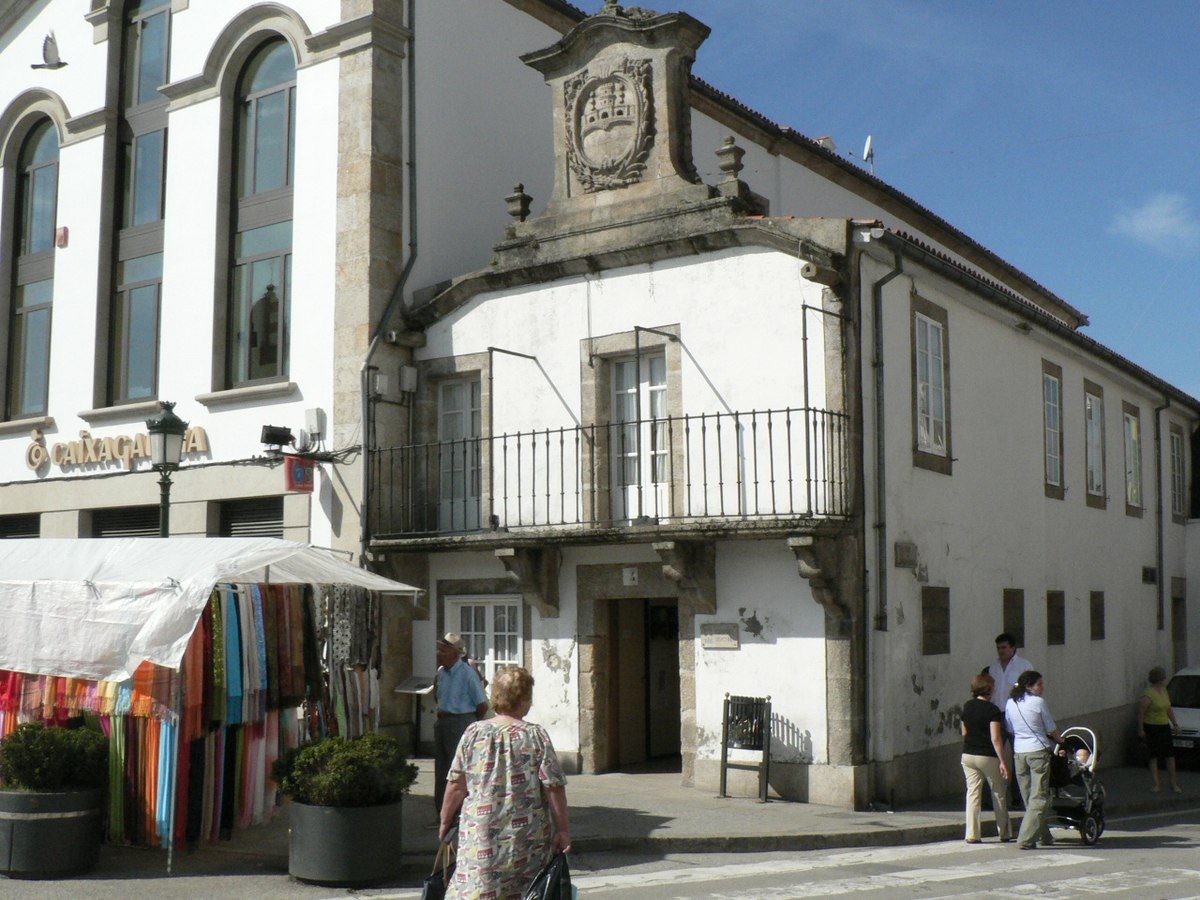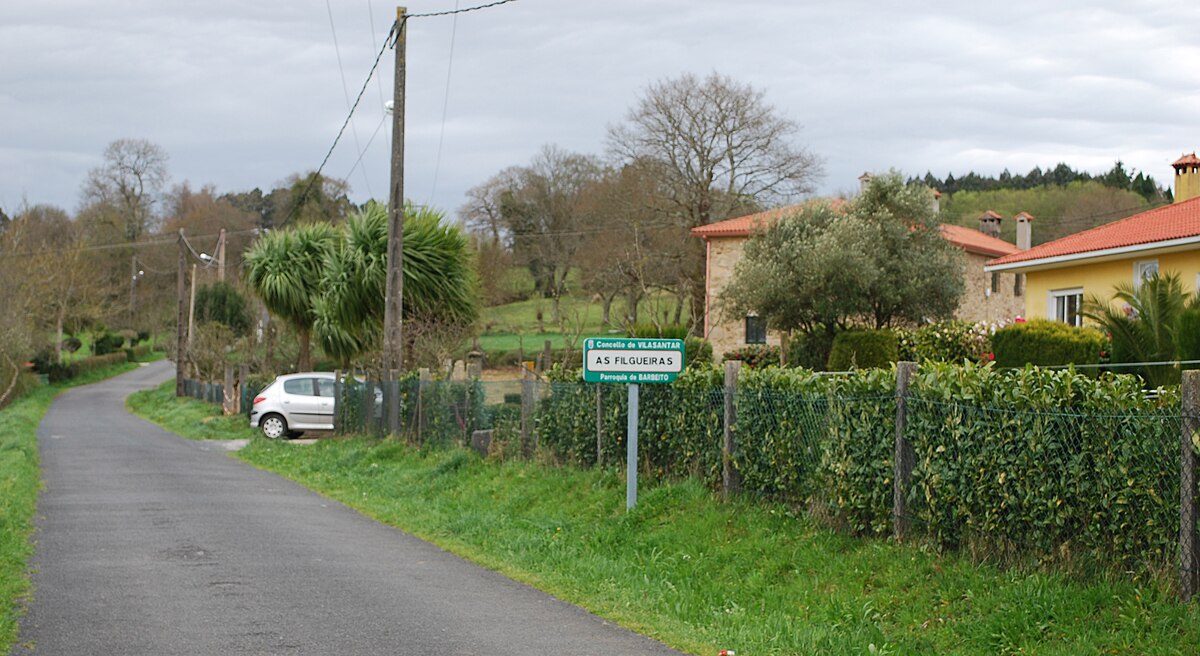
As Filgueiras, Barbeito concello Vilasantar.jpg
Ajuanta · CC0
Galicia · Magical

Vilasantar

The morning fog lifts to reveal granite church towers rising from hollows in the landscape, each one marking a hamlet of perhaps twenty houses. Vil...

1,233 inhabitants · INE 2025
m Altitude

Why Visit

Best Time to Visit

summer

Full Article
about Vilasantar

Ocultar artículo Leer artículo completo

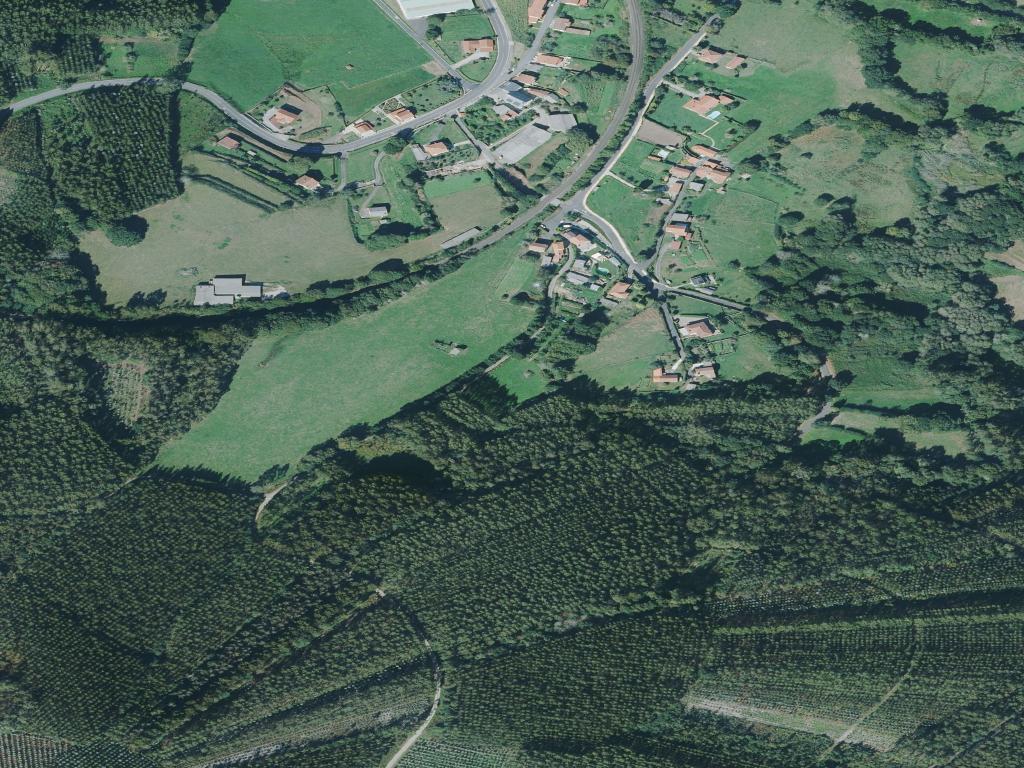
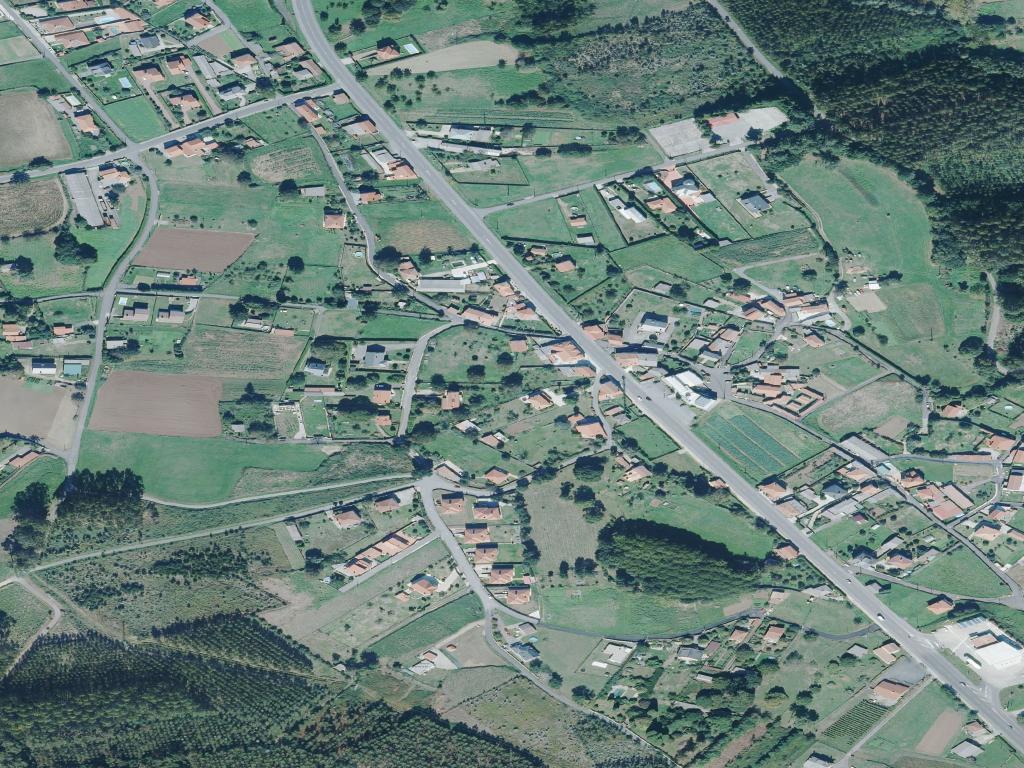
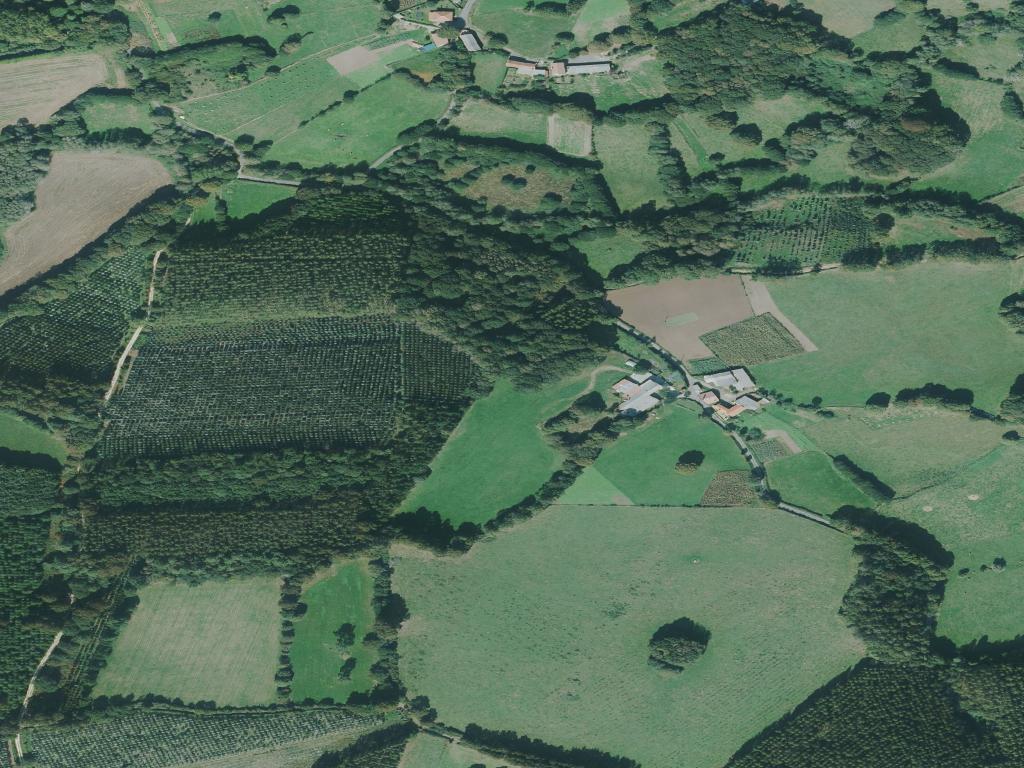
The morning fog lifts to reveal granite church towers rising from hollows in the landscape, each one marking a hamlet of perhaps twenty houses. Vilasantar spreads across these folds of land like a watercolour wash, forty-six separate parishes scattered across twenty-nine square kilometres. Five thousand people live here, though you'd never guess it from the empty roads that wind between hedgerows of gorse and blackberry.

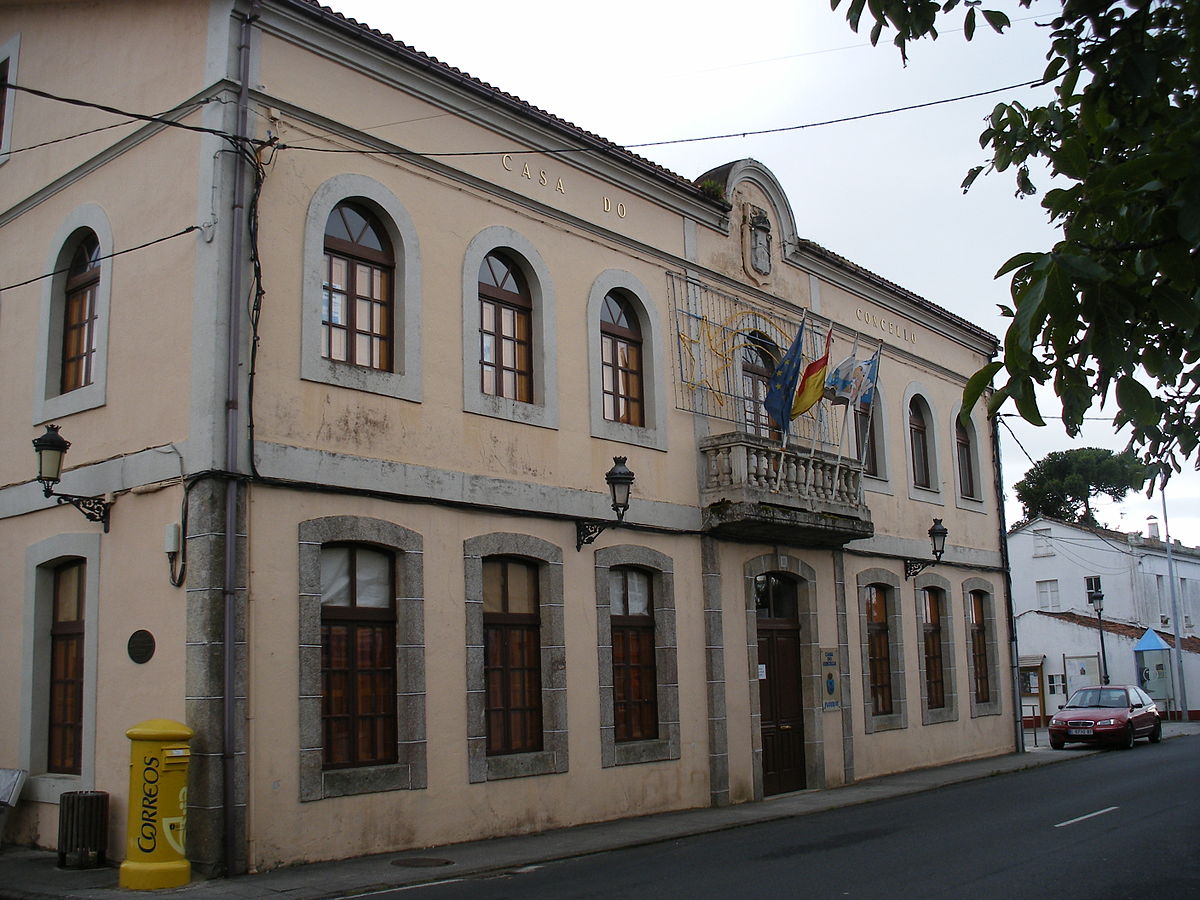
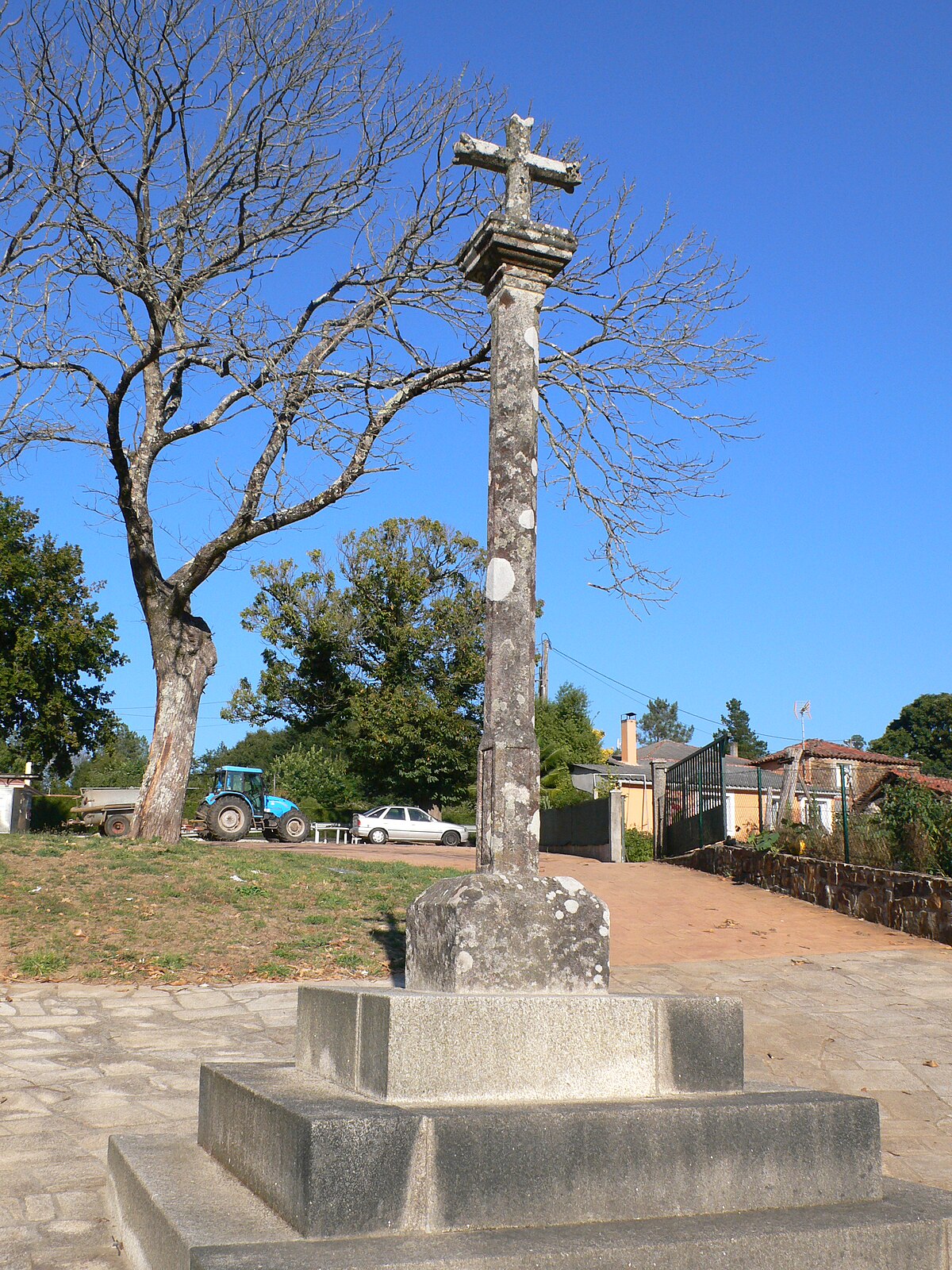
This isn't a village in the British sense—there's no High Street, no village green where locals gather. Instead, O Foxo serves as the administrative centre, a crossroads with a town hall and little else. The real settlement pattern follows medieval parish boundaries, each with its own church, cemetery and cruceiro—the stone crosses that mark medieval pilgrimage routes. Drive the AC-934 from Betanzar and you'll pass through half a dozen of these micro-settlements before realising you've arrived anywhere at all.

The Architecture of Everyday Life

Stone predominates. Granite cottages rise directly from bedrock, their walls two feet thick, roofs of grey slate weighted with stones against Atlantic gales. Many buildings show centuries of adaptation: Romanesque windows punched through later additions, outhouses converted to garages, bread ovens now filled with firewood. The hórreos—raised granaries on stone stilts—stand in farmyards like medieval reliquaries, their purpose unchanged since the Middle Ages.

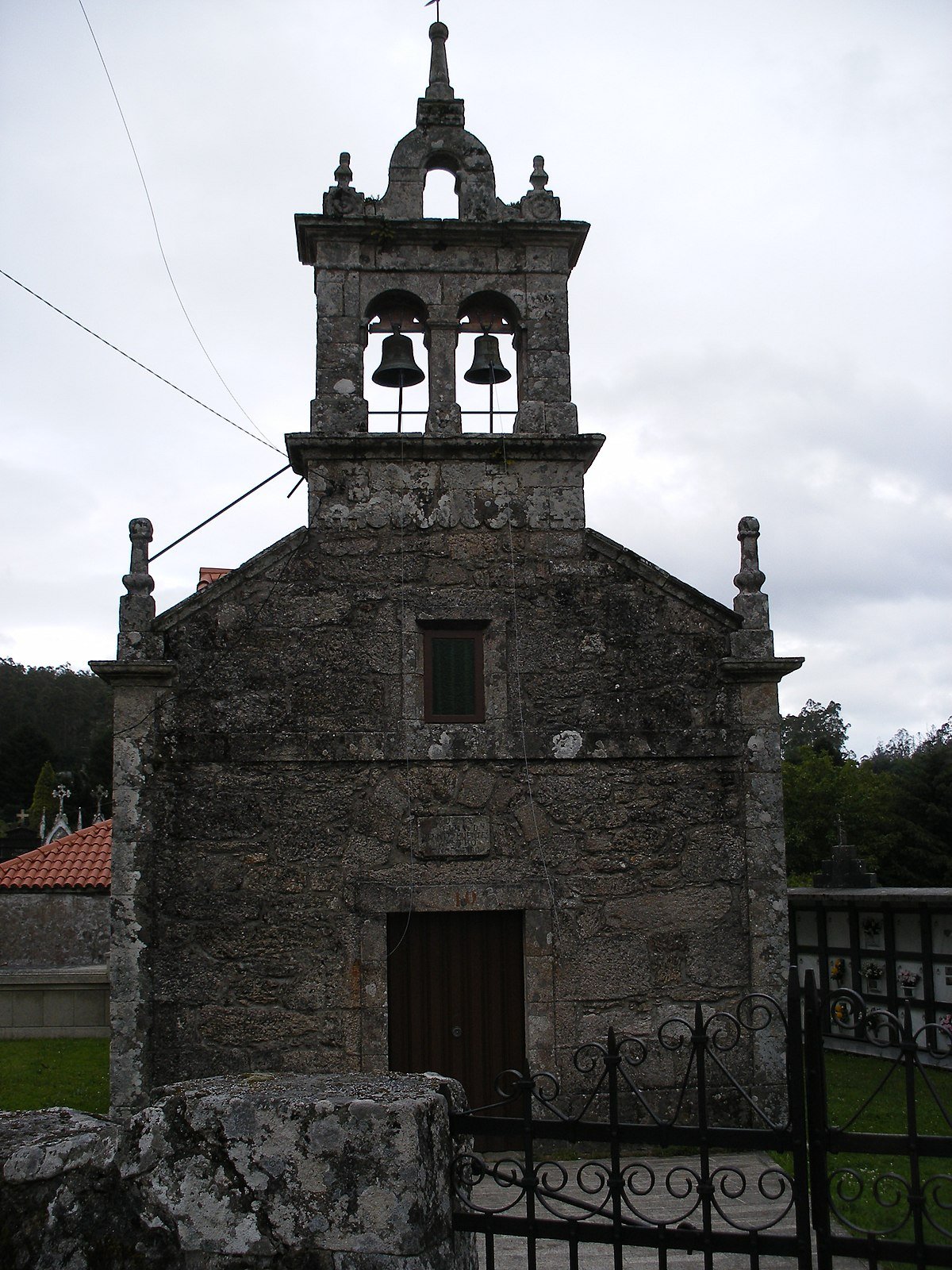
Churches reward patient examination. San Paio de Becés retains its twelfth-century south doorway, carved with rosettes and zig-zags that wouldn't look out of place in Herefordshire. Inside, baroque altarpieces gleam with gold leaf applied by craftsmen who never saw the sea, their wages paid in sacks of rye and chestnuts. The cemeteries tell their own stories: generations of families with surnames like López and Vázquez, fishermen from the coast who married inland farmers, their graves decorated with enamel photographs and artificial flowers renewed each All Saints' Day.

Moving Through the Landscape

Walking here requires recalibration. Distances on the map prove deceptive; what appears a gentle stroll between parishes involves steep climbs up lanes that switchback through eucalyptus plantations. The council maintains some signed routes, but these barely scratch the surface. Better to park at the church in O Foxo and follow farm tracks that lead who-knows-where, trusting that eventually you'll hit a road or another hamlet.

Cycling brings its own challenges. Secondary roads rise and fall with the topography, gradients reaching fifteen percent on the approach to A Rúa. Mountain bikes cope better than touring models, though even these struggle when farm tractors have chewed the verges to mud. The reward comes in long views across the Mandeo valley, the river glinting silver through morning mist, Atlantic weather systems visible as they roll in from the coast thirty kilometres away.

What Actually Grows Here

The agriculture surprises British visitors expecting Mediterranean olive groves and vineyards. Instead, the landscape recalls Wales or the Scottish borders: pasture for dairy cattle, fields of maize for animal feed, vegetable plots protected from wind by cypress hedges. Smallholdings average five hectares, worked by farmers whose families have held the land since the nineteenth-century redistribution. You'll see elderly women hoeing between potato rows, their heads wrapped in scarves against sun that feels stronger than its northern latitude suggests.

Markets operate on rotation through neighbouring towns. Monday means Betanzos, where women from Vilasantar's outlying hamlets arrive at dawn with baskets of kale and turnip tops. They speak Galician, a language closer to Portuguese than Spanish, their conversations peppered with agricultural terms that haven't changed since Roman times. The beef commands premium prices—blond Galician cattle fattened on mountain pastures, their meat marbled and tasting faintly of wild herbs.

Eating Without Expectations

Forget tapas. This is interior cooking, substantial and plain, designed for people who spend eight hours in tractor cabs. Caldo gallego arrives as a meal in itself—white beans, pork fat and greens swimming in broth thick enough to support a spoon upright. Lacón con grelos, boiled pork shoulder with turnip tops, appears on Thursdays in the lone bar at O Foxo. They serve it on chipped plates with local red wine that costs €1.50 a glass and tastes of blackberries and granite.

The Hospedaje Caba, the municipality's only accommodation, doubles as the sole restaurant most evenings. Their menu del día runs to three courses plus wine for €12—soup, meat, dessert, no choices offered. The owner shops each morning in Betanzos, cooking whatever looks good: perhaps rabbit stewed with almonds, or trout from the Mandeo served simply with boiled potatoes. Vegetarians struggle; coeliacs should bring their own bread.

When Weather Dictates Everything

Atlantic systems bring rain two days out of three from October through April. This isn't the gentle drizzle of Devon—it's horizontal precipitation that finds every gap in supposedly waterproof clothing. But the same weather creates conditions photographers dream of: low cloud filling valleys, oak trees dripping with lichens, stone walls black against emerald grass. Spring arrives late and sudden, the hillsides exploding with gorse flowers that smell of coconut suntan lotion.

Summer brings different challenges. Temperatures can reach thirty-five degrees, though humidity makes it feel hotter. Locals disappear during afternoon hours, reappearing at seven when shadows lengthen. Autumn proves most reliable: stable weather, clear air, chestnuts falling onto forest tracks. The harvest festival in October sees every parish competing to display the largest pumpkins, the winning entries requiring forklift trucks to move them into position.

Practical Realities

Public transport barely exists. Two buses daily connect O Foxo to Betanzos, departing at 7:15 am and returning at 8:30 pm. Hiring a car becomes essential, preferably something with decent ground clearance—the roads deteriorate rapidly beyond main routes. Petrol stations close for siesta; fill up before two o'clock or risk running dry.

Mobile phone coverage varies by parish. Vodafone works in O Foxo, Orange requires standing in specific spots near the church, Three and EE customers need to drive towards Betanzos for any signal at all. The tourist office occupies a room in the town hall, staffed on Tuesday mornings by a woman who grew up in the next valley and knows which farmers sell eggs from their back doors.

The Honest Assessment

Vilasantar rewards particular visitors and frustrates others. Those seeking postcard Spain—whitewashed villages, flamenco, Moorish architecture—should drive south to Andalucía. This is Celtic country, closer in spirit to Cornwall or Brittany, where identity runs deep and tourists remain rare enough to warrant curious glances.

Come here to understand how rural Galicia functions in the twenty-first century: elderly populations keeping traditions alive through sheer stubbornness, young people commuting to A Coruña for work, farms producing food for city markets that rarely acknowledge their existence. Stay long enough and you might find yourself invited to help with the potato harvest, paid in sacks of produce and stories that never make guidebooks.

Leave before dark unless you know the road. Street lighting stops at parish boundaries, and fog can descend suddenly, reducing visibility to metres. The granite churches that seemed romantic by daylight become looming shadows, their cemeteries filled with whispered stories of travellers who took wrong turns and weren't found until morning. Vilasantar doesn't do rescue services; it assumes you possess enough sense to stay safe, or sufficient luck to survive your mistakes.

Key Facts

Region
Galicia
District
Betanzos
INE Code
15090
Coast
No
Mountain
No
Season
summer

Livability & Services

Key data for living or remote work

2024
ConnectivityFiber + 5G
TransportTrain nearby
HealthcareHospital 30 km away
EducationElementary school
Housing~5€/m² rent · Affordable
January Climate6.4°C avg
Sources: INE, CNMC, Ministry of Health, AEMET

Official Data

Institutional records and open data (when available).

  • Igrexa de Santa María de Mezonzo
    bic Monumento ~3.6 km

Planning Your Visit?

Discover more villages in the Betanzos.

View full region →

More villages in Betanzos

Traveler Reviews