Full Article
about Cuntis
Ocultar artículo Leer artículo completo
The first thing most British visitors do is double-check the road sign. Yes, it really does say Cuntis, and no, the council hasn’t painted out a letter. Once the sniggering stops, the second thing they do is slide into 38-degree mineral water and wonder why they ever bothered with overpriced afternoon-tea spas in Surrey.
Water First, Questions Later
Thermalism isn’t a weekend novelty here; it’s the village pulse. The Balneario de Cuntis pumps out roughly 60 litres a second of sulphur-tinged, calcium-rich water at a natural 58 °C, cooling it only when it reaches the pools. A two-hour circuit—jet beds, steam cave, lazy river and a final dunk in the cold plunge—costs €26, half the price of a single back-rub in Cheltenham, and you’ll share the place with retired Galician farmers rather than influencer hen parties. Day passes sell out fast on Saturdays; reserve after lunch for the following morning or you’ll be turned away at the gate.
The complex looks like a 1990s leisure centre that’s been polished rather than replaced. Don’t expect fluffy robes and champagne. Do expect proper hydro-massage jets strong enough to pummel a week’s worth of Ryanair-cramped shoulders, and a café that serves decent coffee for €1.30 if you pay in cash. Cards under a tenner are often refused—this is still rural Spain.
A Village That Doesn’t Pose
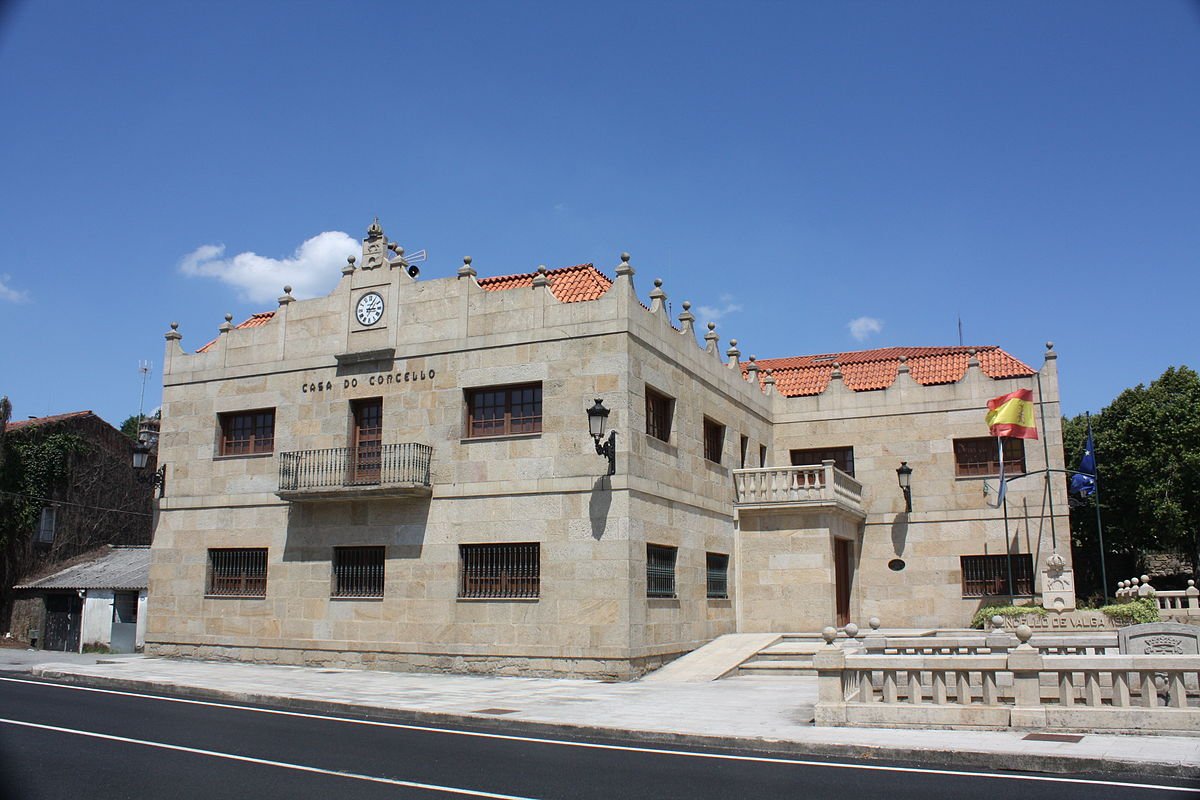
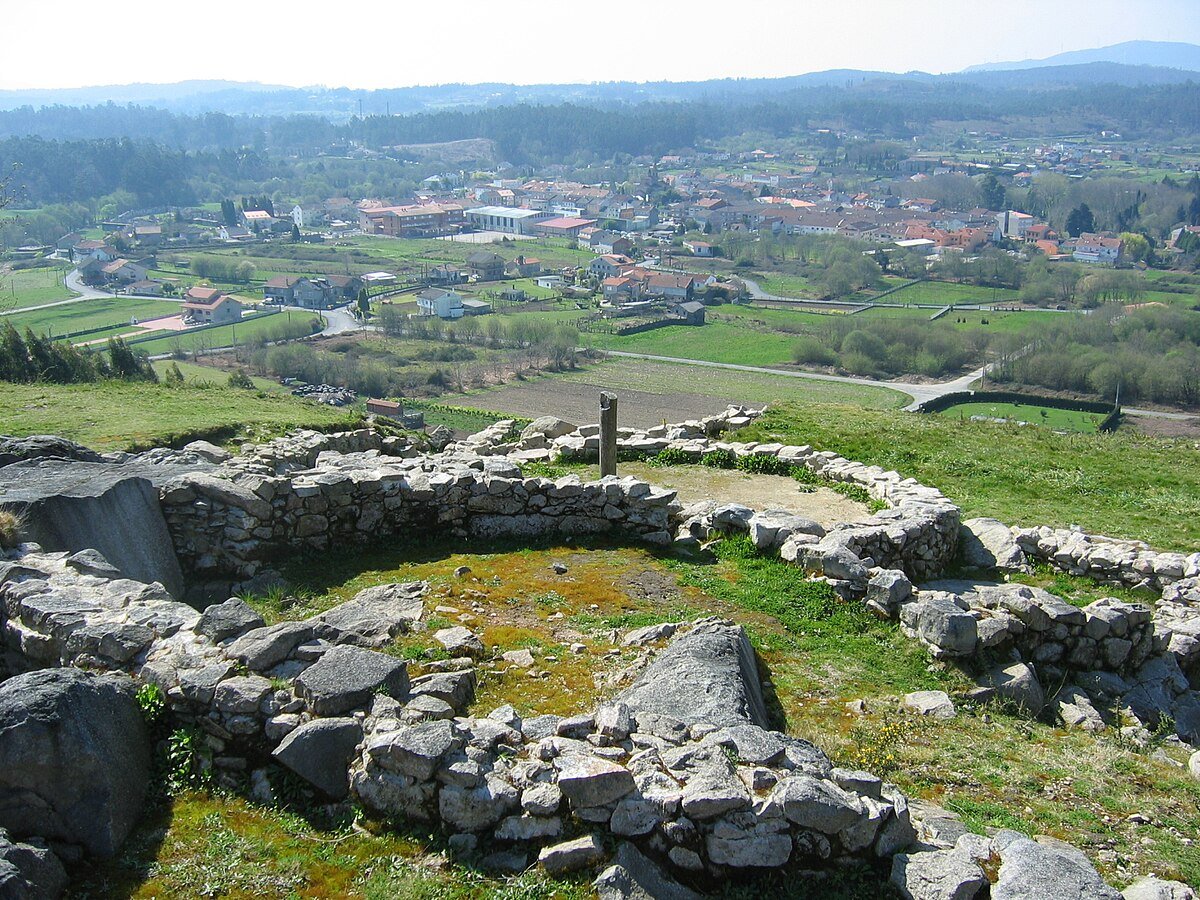
Outside the spa gates Cuntis shrinks to its real size: five thousand souls, one main street, two banks, a bakery that opens at 6 a.m. and shuts for siesta, and a weekly market on Thursday that folds up before you’ve finished your toast. The church of Santa María squats at the top of the hill; parts of the walls are twelfth-century, the rest is a patchwork of granite and practicality. Step inside if the doors are open, otherwise keep walking—nobody here will mind.
Head downhill and you’ll hit the Arnego river in three minutes. A 5-kilometre path shadows the water, ducking under eucalyptus and past three derelict mills whose wheels stopped turning when Franco was still in short trousers. The route isn’t way-marked like a National Trail; occasionally you’ll ford a muddy tractor rut or shoo a cow. That’s the point. Spring brings wild garlic and the sound of cuckoos, autumn smells of wood-smoke and fermenting grapes. Mid-July, by contrast, is hot, still and packed with mozzies—walk at dawn or forget it.
What the Brochures Leave Out
Cuntis is not picturesque in the chocolate-box sense. The houses are rendered in pastel concrete, satellite dishes bloom like grey mushrooms, and someone’s uncle is forever burning garden waste in the lane. The village works because it refuses to perform for visitors. Pilgrims straying from the crowded Portuguese Camino sleep in the municipal albergue (€8, closed November–February, ring ahead) and leave relieved that nobody tried to sell them a Celtic key-ring.
Evening entertainment is one tapas bar, one sports bar with a pool table, and a bakery window where you can buy a slice of tarta de Santiago for €2.50. There is no chippie, no wine-and-fondue outlet, no karaoke. British spa regulars call the place “gloriously boring” and book ten-day stretches precisely for that reason.
Day-Trips Without the Tour Bus
If you’ve hired a car, use Cuntis as a base rather than a destination. Caldas de Reis—eight kilometres away—has a bigger historic centre and a petrol station (fill up there; Cuntis hasn’t got one). The vertiginous river gorge at Ézaro on the Costa da Morte is 45 minutes west, empty before 11 a.m. and again after 6 p.m. when the coach parties scuttle back to Santiago. Heading inland, the monastery at Carboeiro is a moody stone pile surrounded by chestnut forest; take a picnic because the nearest café is a 20-minute drive.
Without wheels you’re reliant on the Monbus service that shuttles twice daily to Pontevedra (35 min) and Santiago (70 min). The timetable favours schoolchildren and shrinks on weekends—check the laminated sheet at the stop or you’ll spend the afternoon reading the cemetery noticeboard.
What to Eat When You’re Water-Logged
Lunch starts at 2 p.m. sharp. Most villagers eat the menú del día at the spa restaurant—soup or salad, roast chicken and chips, wine included, €14. The octopus at O Pote on Rúa do Progreso is tender, dusted with smoked paprika and served on a wooden plate big enough to share. If you’re feeling brave, order the lamprey pie, but be warned: several British visitors have described it as “river-flavoured jelly with bones”. Caldo gallego, a thick broth of greens and potatoes, tastes like something your gran might simmer on a wet Tuesday; ask for it sin grasa if you want less pig fat floating on top.
Vegetarians survive on tortilla and salads; vegans struggle. Pudding is usually rice pudding or tarta de Santiago, the almond cake stamped with the Cross of St James. Gluten-free travellers are in luck—Galicia’s almond groves mean flourless desserts appear everywhere.
Weather and When to Bail Out
April–June and September–October give you green fields, temperatures in the low 20s and rivers you can actually hear. November brings mist that never lifts, January can touch zero at midday, and August tops 35 °C unless a freak Atlantic front rolls in. The spa stays open year-round but the outdoor thermal pool closes when night-time temperatures drop below 8 °C—usually mid-December to late February.
If you arrive expecting Cotswold cuteness you’ll last half an hour. If you pack walking boots and a tolerance for quiet, Cuntis delivers three solid days of decompression before you start inventing errands just to see another face. Book the full spa circuit, walk the river until your boots turn the colour of strong tea, then decide whether to stay another night or head for the coast. Either way, you’ll leave limber, lightly pickled—and finally able to say the village name without flinching.