Full Article
about Moraña
Hide article Read full article
El olor a castaño quemado
Hay sitios que entiendes por la nariz antes de que los encuentres en el mapa. En verano, Moraña es uno de ellos. Vas por la carretera y llega ese olor: madera de castaño ardiendo, cálida y con un punto dulzón. Es el mismo humo que huele a barbacoa en el jardín del vecino, pero aquí la escala es otra.
En Santa Lucía, corderos enteros giran lentamente sobre las brasas. Los sujetan con varas de castaño clavadas en una carballeira, ese bosquete de robles tan gallego. Verlo por primera vez impresiona. Parece un campamento medieval, pero organizado por gente que sabe muy bien lo que hace.
Todo esto forma parte de la Festa do Carneiro ó Espeto, la celebración más conocida del municipio. Durante unos días, el cordero manda más que ningún alcalde.
Un ritmo marcado por el asador
La festividad se celebra el último fin de semana de julio y es muy gallega en esencia. Todo gira en torno a la comida y nadie parece tener prisa. La gente se reúne en Santa Lucía con un objetivo claro: comer cordero asado despacio, como se ha hecho siempre.
Preparan las varas de castaño con días de antelación. Luego las colocan frente a las brasas y la carne empieza a girar. Recuerda a esos pollos asados que ves en los escaparates, solo que aquí todo es a lo grande y al aire libre.
Dicen que se cocinan miles de kilos cada año. Basta estar allí, entre el humo y el calor, para creértelo.
Hay un ambiente especial justo antes de comer. El humo se cuela entre los robles. La gente va y viene, colocando parrillas, mesas y leña. Parece los preparativos de una comida familiar enorme, donde todo el mundo tiene algo que hacer aunque no se vea claro qué. El ritmo es pausado. Las conversaciones se alargan. Y todo sigue pendiente del cordero, que da vueltas con una paciencia infinita.
Huellas romanas y dibujos neolíticos
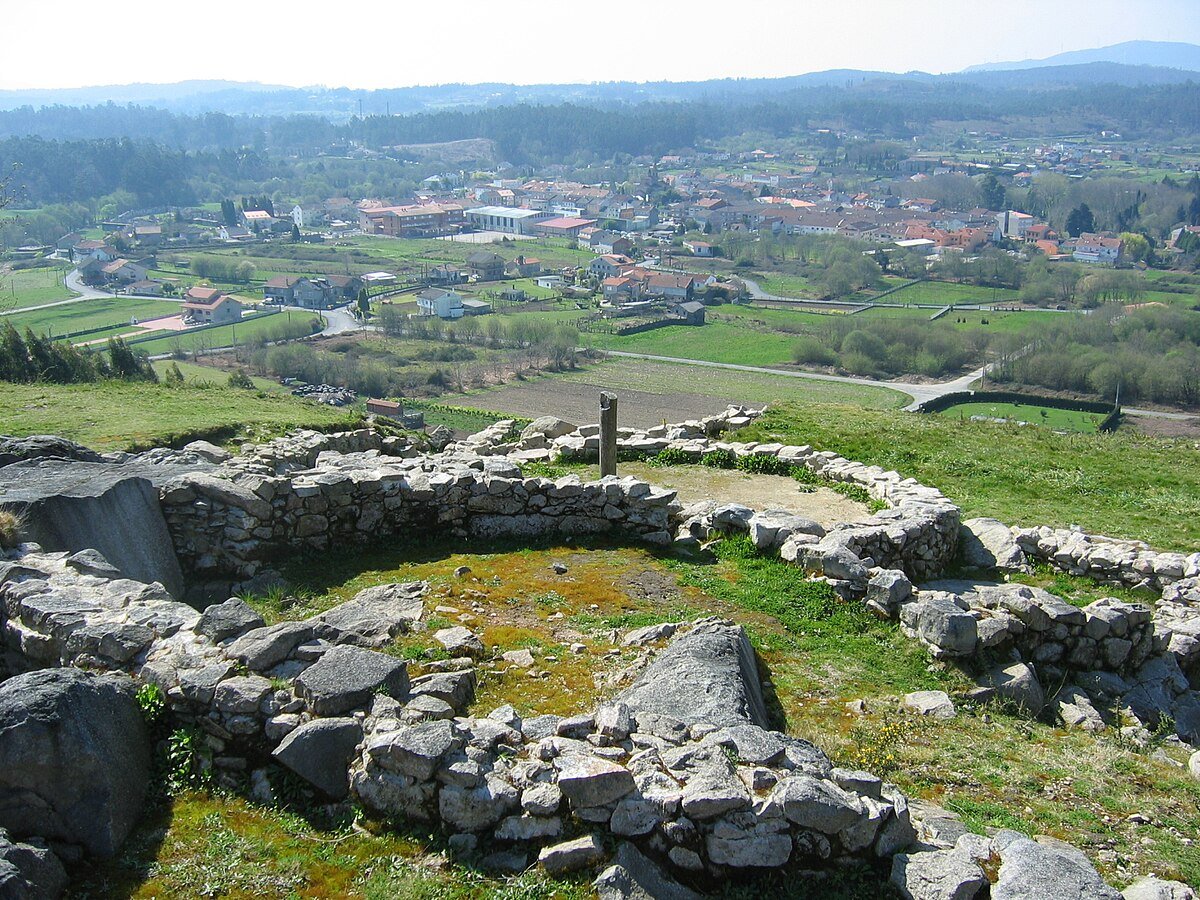
La historia de Moraña no grita, pero está ahí si te fijas un poco. Por aquí pasaba la Vía XIX romana, la que unía Tui con Astorga. Hoy todavía adivinas su trazado en algunas carreteras: terreno llano, acceso al agua, pasos naturales por el paisaje. Los romanos tenían buen ojo para eso.
Si retrocedes más en el tiempo, encuentras petroglifos repartidos por el municipio. Son grabados prehistóricos en la piedra, con círculos y espirales hechos hace miles de años. Los diseños son sencillos, casi como garabatos hechos sin pensar. Pero saber que llevan ahí desde el Neolítico cambia cómo los miras.
Cerca de Rebón hay uno bastante conocido. No cuesta llegar si preguntas por él. Eso sí, pregunta con tiempo porque una simple indicación puede convertirse en una charla sobre el lugar, el vecino de al lado y quién limpiaba aquel monte hace treinta años. Los grabados en sí son discretos; no dominan el paisaje, forman parte de él.
Santa Lucía sin aspavientos
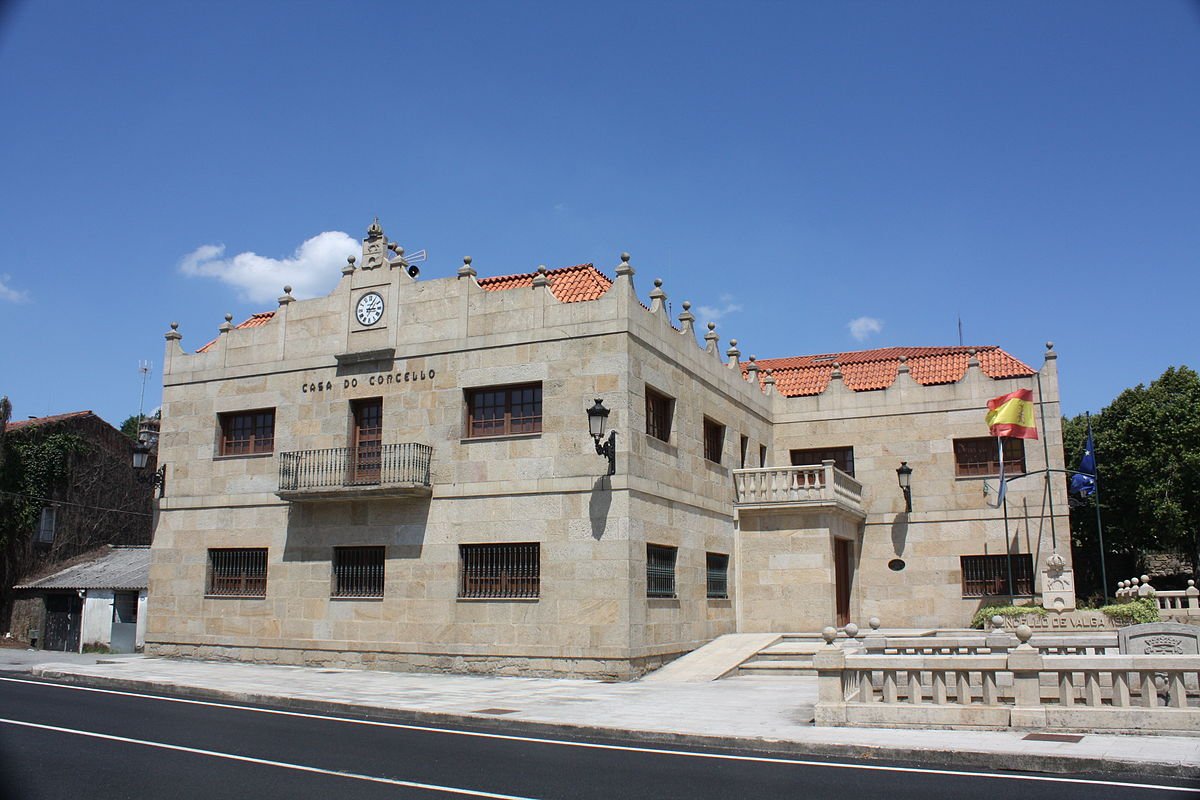
Santa Lucía es la capital municipal. Suena formal, pero en realidad es un núcleo tranquilo de casas bajas y vida cotidiana.Un martes por la mañana puede parecer domingo.
La plaza y las calles cercanas se recorren en poco tiempo.En diez minutos captas el ritmo del lugar.Es como entrar en la sala de estar de alguien.No hace falta que sea grande para sentirse cómodo.
La iglesia de Santa María de Moraña suele llamar la atención si te gusta la piedra antigua.Es del siglo XII , románica , hecha con esa piedra oscura que la lluvia gallega ha ido oscureciendo con los siglos.No impone por su tamaño.Lo que llama la atención es el silencio.
Dentro , el silencio se parece al momento en que apagas el motor del coche en medio del campo.Casi nada.La quietud parece absoluta , sin interrupciones.
Un paisaje que no pasa desapercibido
El paisaje alrededor de Moraña es verde , pero verde serio.No ese verde brillante de fondo de pantalla.Es el verde que te rodea por completo cuando vas por una carretera secundaria , donde los árboles se inclinan y casi se juntan sobre el techo del coche.
En otoño mandan los castaños.En primavera , la hierba crece con una energía que parece que la naturaleza haya subido el volumen.Hay momentos en los que el bosque parece estar recuperando terreno poco a poco , como ese seto del jardín que descuidas un par de semanas y cambia completamente.
Conviene ir preparado.Calzado para barro , algo para la lluvia.El tiempo cambia rápido aquí.Puede salir el sol cuando sales de casa y estar chispeando antes de terminar lo tuyo.
Al Monte Acibal sube mucha gente local a caminar o montar a caballo por sus pistas forestales.No es alta montaña , ni lo necesita.Es esa clase de monte donde caminas un rato y el sonido más fuerte es una rama crujiendo bajo tus pies.No se trata tanto de llegar a una cima como de estar rodeado de árboles , tierra y cielo abierto.
¿Merece la pena desviarse?
Depende de lo que busques.
Si esperas escaparates pensados para visitantes y terrazas perfectamente alineadas , Moraña puede parecerte demasiado discreto.El pueblo funciona con otro ritmo .Conversaciones largas , coches aparcados frente al bar habitualy genteque todavía repara en las caras nuevas forman parte del día a día .
Moraña cobra más sentido sin un plan fijo .Es ese tipo sitio donde paras durante un viaje largoy acabas hablando más tiempo del previsto.Si tu visita coincide conla Festad o Carneiro ó Espeto ya tienes motivo para estar allí.Si no , siempre quedan los petroglifos por buscar , carreterastranquilaspor seguiry caminospor perderte .
A veces eso basta .