Full Article
about Valga
Ocultar artículo Leer artículo completo
The church door is open, but nobody’s selling postcards. Inside Santa María de Valga the only sound is a tractor idling outside and the faint click of heels on stone as an elderly woman lights a candle. No ticket desk, no audio guide, just the smell of wax and damp marble that every rural Galician church seems to share. This is Valga—halfway between Santiago de Compostela and Pontevedra—where “sightseeing” means noticing how the river bends, or reading a 19th-century wayside cross half-erased by moss.
A parish map instead of a high street
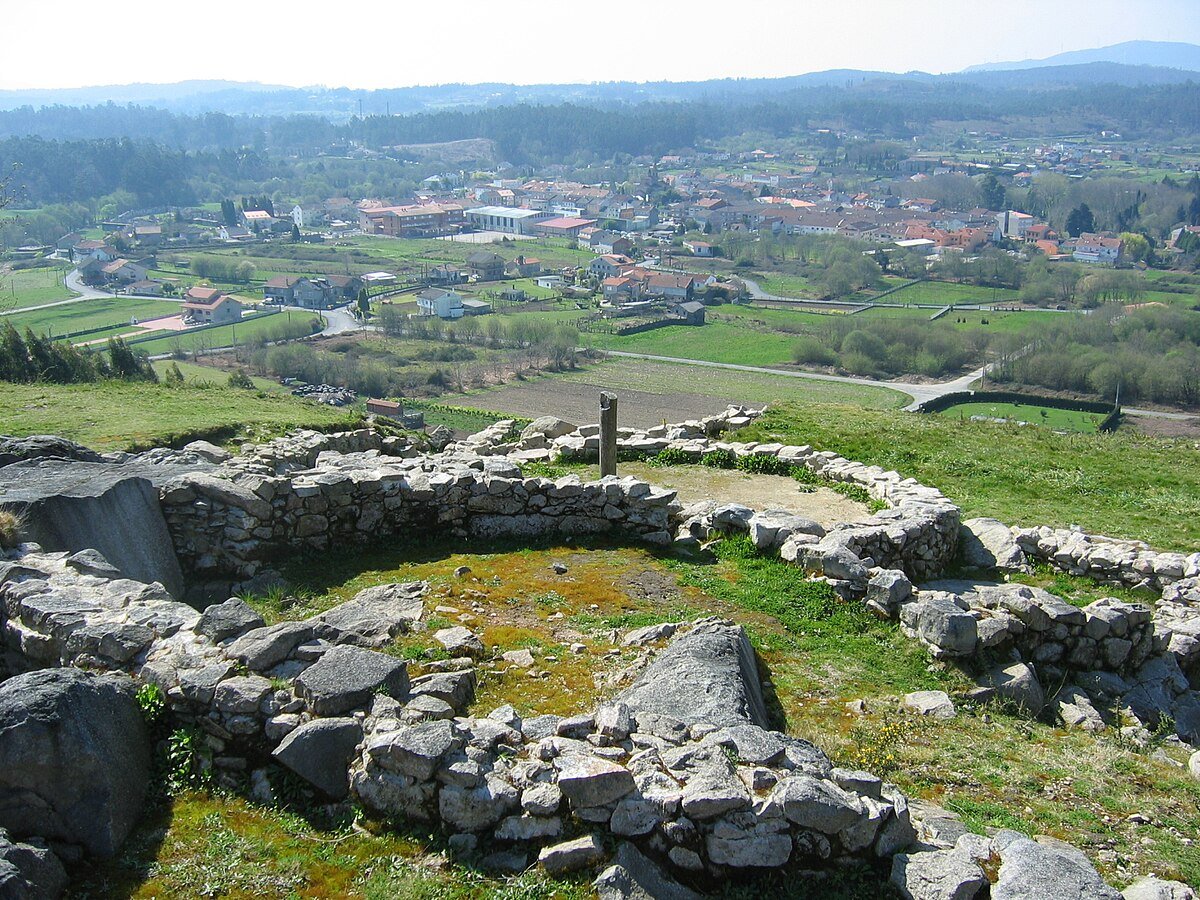
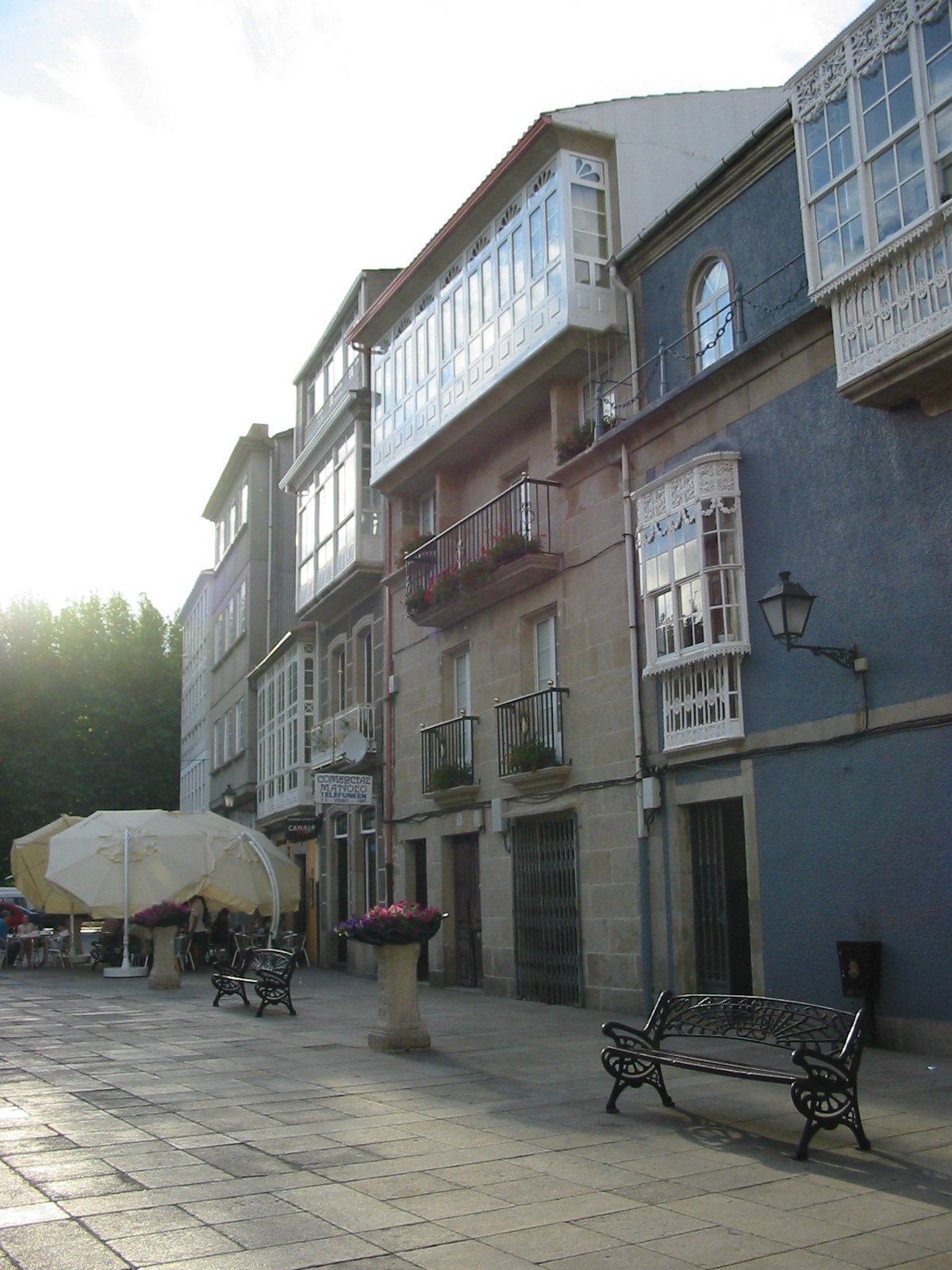
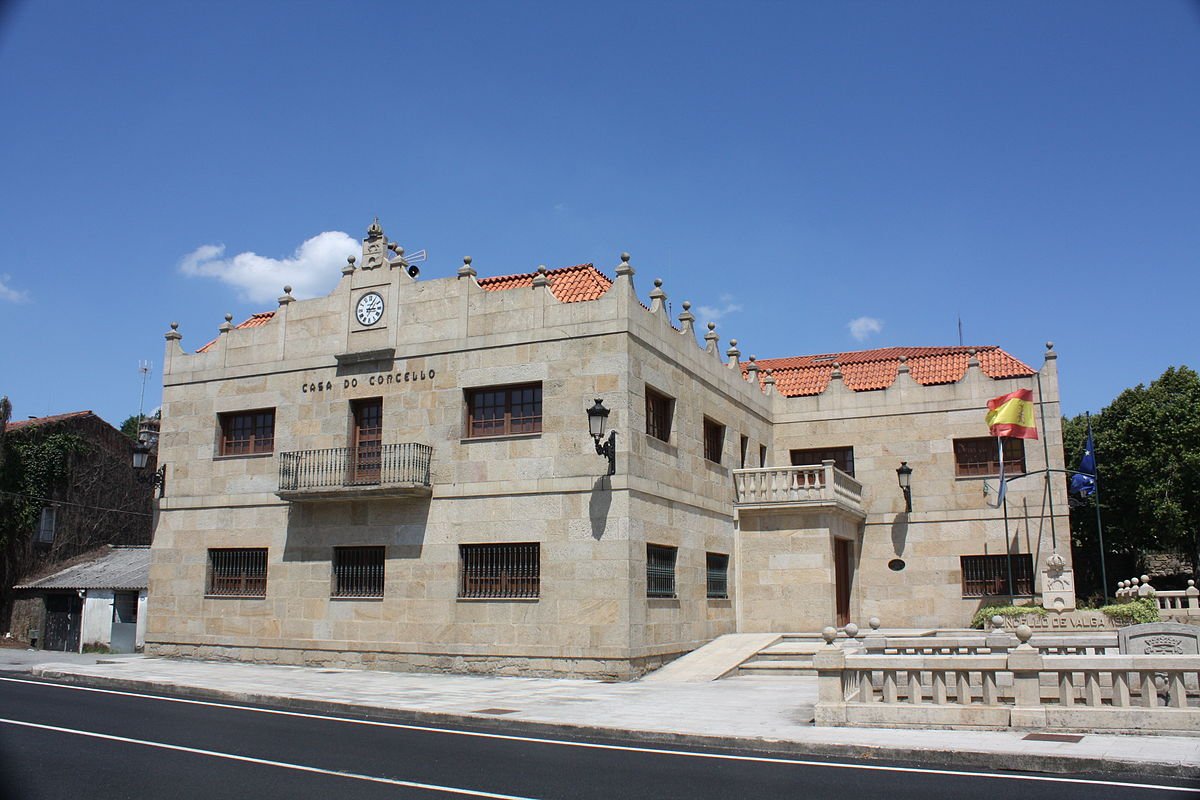
Valga is not a nucleated pueblo with a tidy plaza; it is a scatter of more than thirty hamlets stretched along the lower valley of the River Valga. The administrative centre is a single stone building opposite the church, and the nearest thing to a high street is the N-640 that rumbles through at 80 km/h. Visitors expecting whitewashed cottages arranged for photographs will be disappointed. What you get instead is a working landscape of small vineyards, cow pastures and stone-walled plots where somebody’s grandfather is still tying up tomatoes with strips of old sheet.
Distances feel bigger than they look on Google Maps. The parish of Herbón is only six kilometres from the council offices, but the lane dips, twists and crosses two fords that can turn a Ford Focus into a canal boat after heavy rain. A hire car is essential; buses from Pontevedra reach Valga twice a day on schooldays and stop dead at siesta time. Without wheels you are effectively marooned.
Walking without way-markers
Guidebooks like to promise “hidden trails” in Galicia, yet Valga’s footpaths are neither hidden nor advertised. They are simply the routes people use to reach the river, the pine plantation or their second field. A typical walk starts opposite the cemetery gate: a concrete track that becomes gravel, then mud, then a tunnel of eucalyptus smelling faintly of cough drops. Ten minutes later you’re on a river beach of coarse sand the colour of digestive biscuits. Herons stand mid-stream; across the water somebody is fishing with a hand-line and a tin of worms. No entrance fee, no QR code, just turn round when you feel like it.
Stout shoes are non-negotiable. Galician soil retains water like a sponge; even summer mornings leave a film of clay on the sole that turns pavements into an ice-rink. After rain the riverside path is a textbook demonstration of splashy, boot-sucking bogs—exhilarating for some, misery for anyone in trainers.
What passes for monuments
There is no cathedral, no medieval wall, no artisan chocolate shop. Valga offers micro-doses of history: a stone cross whose carving of the Crucifixion is worn smooth by Atlantic rain; a tiny 18th-century chapel locked except on its saint’s day; a pazo (manor house) whose coat of arms features five scallop shells and a boar’s head, glimpsed through iron gates that have never opened for tourists. You collect these fragments while driving from one parish to the next, pulling in when you spot a hórreo (granary) propped on mushroom-shaped stilts or a vineyard whose trellises are made from cut-down electricity poles.
The closest thing to an indoor attraction is the eco-museum in an old watermill at Portela. When it’s open (weekends only, phone first) you get ten minutes of explanation about how maize was milled before mains water arrived. Admission is free; the curator simply points at the millstones and then goes back to shelling beans.
Eating like you mean it
Lunch happens between two and four, and nobody will apologise for serving pork three ways. The bar-cafetería O Cruce, on the junction of the PO-841, is the de-facto village canteen. Menú del día is €12 mid-week and arrives on mismatched plates: soup thick enough to stand a spoon in, followed by lacón con grelos (boiled pork shoulder with turnip tops) and a slab of tarta de Santiago heavy with almond and cinnamon. Vegetarians get tortilla, chips and a shrug. Orders are taken in Galician; pointing works, but the owner’s daughter will appear with Google Translate if negotiations stall.
Evening eating is trickier. Kitchens reopen after 21:00, by which time most British stomachs are crying out for crisps. Stock up at the Dia supermarket in neighbouring Caldas de Reis before 20:30 or accept that you’re on Spanish time now.
Weather that refuses to choose
Valga’s climate is the coastal-inland hybrid that makes Galicia either emerald heaven or dripping purgatory. Spring comes early—camellias blow in February—but April and May are the reliable sweet spot: wild garlic along the river, temperatures in the high teens, enough blue sky for photographs without sunglasses. Autumn is equally good until the first Atlantic depression arrives, usually mid-October, turning every track into a chocolate mousse.
Summer is warm rather than scorching, but humidity can hit 85 % and the midges own the shade. If you insist on July, walk early, siesta late and carry water; village fountains look picturesque yet rarely reach the purity standards of a British tap. Winter is green, quiet and often soaking. Daylight is scarce, yet the upside is empty trails and bars where the fire stays lit all afternoon.
When the day ends
There is no nightlife. Once the bread van beeps its last round at seven, silence drops like a curtain. What you get instead is a sky still threaded with swallows in late September, or a moonlit hórreo silhouetted against a field of maize stubble. Sit on the river wall and you may hear the flap of a heron landing, or the metallic cough of a moped heading home—ordinary noises that feel oddly privileged because no souvenir stall is selling them back to you.
Drive back to your accommodation (a rural house on the edge of Corón, most likely) and you’ll pass living-room windows glowing with the blue flicker of Spanish television. Nobody peers out; you are already part of the background, a traveller who came, looked and left no trace. In Valga that is precisely the point.