Full Article
about Vila de Cruces
Ocultar artículo Leer artículo completo
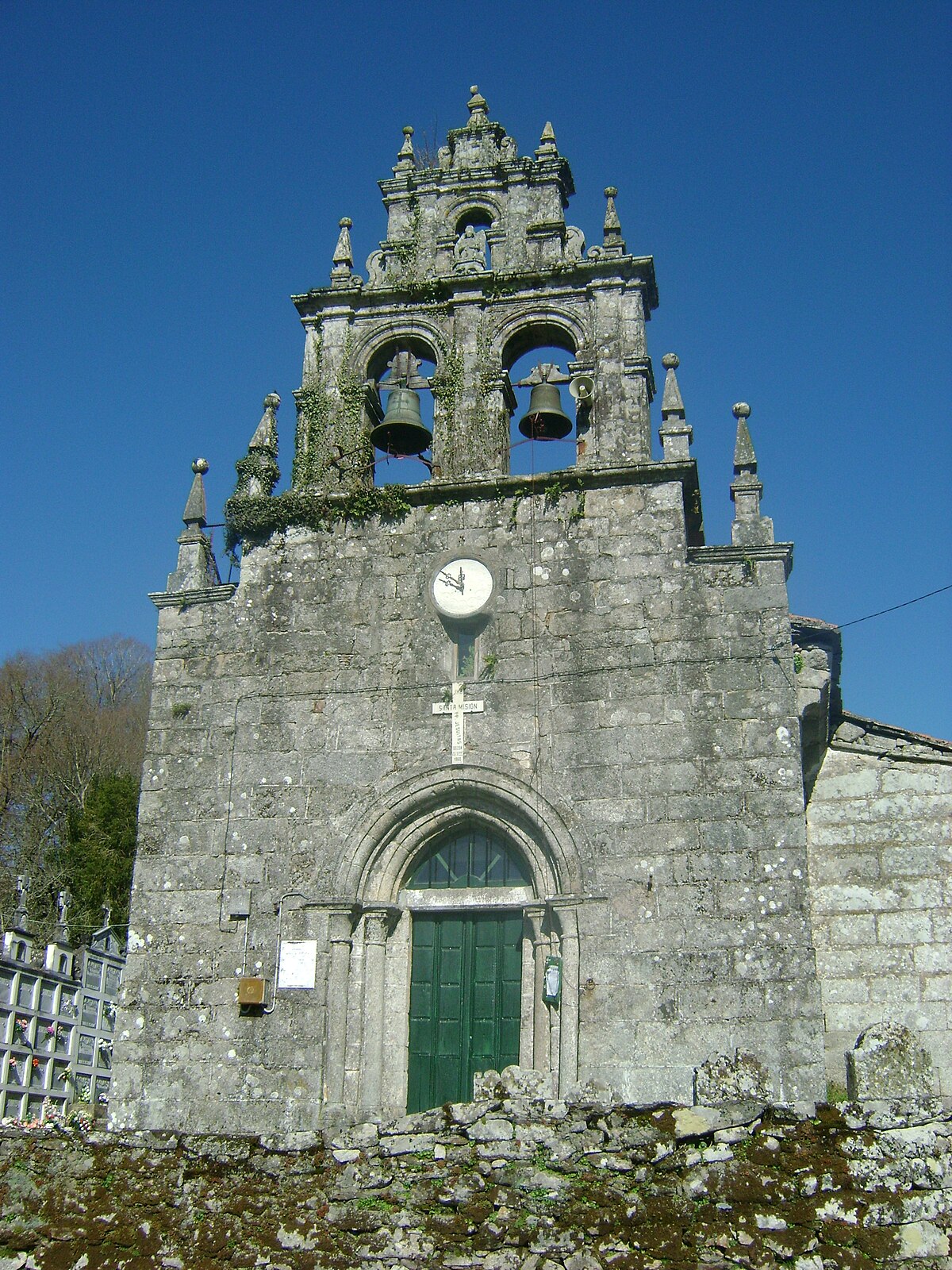
The bread van toasts its arrival with a two-second horn blast at 09:15 sharp. Within minutes, half the village is queueing beside the stone cross that gives Vila de Cruces its name, clutching canvas bags and gossip. No souvenir stalls, no tour buses, just the weekly rhythm of rural Galicia played out in front of the thirteenth-century church of Santa María.
This is interior Spain stripped of postcards. The council counts 5,500 souls spread across 72 tiny parishes, each with its own hórreo on stone stilts and a cruceiro where paths once met. Granite is the local currency: walls, fonts, even the public bench outside Bar Goris are carved from the stuff. Come prepared for grey to dominate the colour palette, especially when the eucalyptus mist rolls in from the surrounding hills.
Walking Without a Theme Park
Forget colour-coded trails and gift-shop termini. Way-marking is sporadic, but the terrain is gentle enough for aimless wandering. A safe starter loop leaves the main square, passes the Pazo de Liñares (locked unless you’re invited to a wedding), then drops to the Portodemouros reservoir in 45 minutes. Herons patrol the water, and the dam wall gives a 5 km horizon of forested ridges that feels oddly Scottish—until a cockerel two valleys away reminds you you’re 600 m above sea level in inland Spain.
Serious boots aren’t required; muddy trainers are the bigger risk after rain. The local Camino, the Variante Espiritual, cuts through town on its way to Pontevedra, so yellow arrows appear just when you think you’re lost. Pilgrims appreciate the municipal albergue (€8, kitchen included) and the €3 menú del día served at Bar Central: soup, stew, bread, wine and a plastic cup of custard. British walkers tend to linger an extra night simply because no one hustles them onward.
When the Supermarket Shuts on Monday
Monday is a ghost day. The only supermarket pulls its metal shutter, the bakery opens for ninety minutes, and even the dogs seem to sleep in. Plan accordingly: stock up on Sunday evening or be prepared to drive 20 km to Lalín for crisps and loo roll. The same rule applies to cash. The town’s single ATM locks at 14:00 on Saturday; if you arrive Sunday skint, you’ll be hunting sofa change for cortados.
Mobile signal vanishes in the valleys, so download offline maps before setting off. Locals are helpful, but English is scarce—rusty GCSE Spanish, or better still a few Galician greetings, oils the wheels. Start with “bos días” and someone will probably walk you to the turning you missed.
Food That Forgives
Galician cuisine can intimidate outsiders: octopus brandished like a rubber glove, barnacles that cost more than steak. Vila de Cruces keeps things gentler. Pulpo a la gallega is available at Casa Goris, but you can order a half-ración (€6) and watch the cook snip it into manageable, paprika-dusted slices. Even self-declared octophobes finish the plate.
The regional set lunch is caldo gallego, a broth of greens, beans and potato that tastes like a Spanish grandmother’s answer to minestrone. Vegetarians can usually negotiate an empanada de zanahoria, though expect puzzled looks. Dessert is pre-decided: tarta de Santiago, an almond cake that happens to be gluten-free and arrives with a Galician cross stencilled in icing sugar. House white from the Ribeiro denomination costs €1.20 a glass and slips down like lightly fizzy vinho verde—safer on the head than the unidentified red poured from an unmarked jug.
Evenings wind down early. Kitchens close at 22:00, sometimes earlier if trade is slow. Self-caterers should note that the little shop on Rúa do Progreso sells decent local cheese—queso de tetilla, a mild cone-shaped cow’s milk variety that pairs well with the town’s dense rye bread. Bring a corkscrew; none of the shops sell them, assuming every household already owns three.
Altitude, Attitude and Atlantic Weather
Vila de Cruces sits 300 m above sea level, high enough for Atlantic fronts to collide with the Ourense plateau. One moment it’s sunshine and lizards; twenty minutes later you’re walking through cloud. A compact raincoat is non-negotiable, even in July. Summer brings fiestas—the Romería de San Ramón in late August turns the fairground into a cider-soaked ceilidh—but also traffic. The narrow N-640 clogs with returning emigrants’ cars; allow extra time and park on the verge without blocking tractor access.
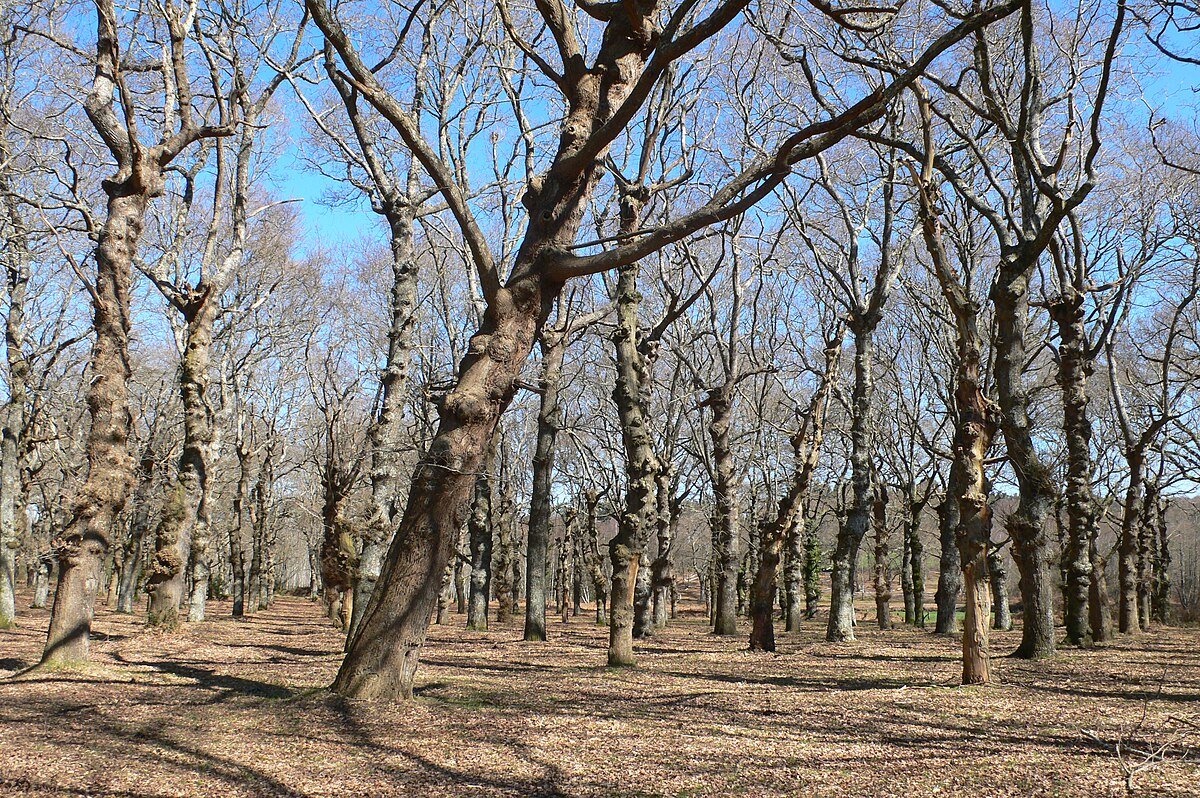
Winter is quieter, occasionally snowy, and still beautiful if you enjoy oak trees etched white against granite. The albergue shuts from November to March, so book a room at Hostal O Cruce (doubles €45, heating included). Spring and early autumn remain the sweet spots: green lanes, orchids on the embankments, and restaurant terraces warm enough to sit outside at midday.
What You Won’t Tick Off
There is no castle to conquer, no Michelin dish to Instagram, no sunset boat trip. Instead you collect fragments: a farmer waving you through a gate, the smell of eucalyptus after rain, the realisation that the stone cross in front of you has been pointing the way since before Columbus crossed the Atlantic. Visitors seeking constant stimulation leave underwhelmed. Those happy to trade adrenaline for altitude, granite for gimmicks, may find the village’s quiet confidence lingers longer than its two-hour radius from Santiago airport suggests.
Come with a full tank of petrol, an offline map and modest expectations. Leave the hurry in the boot, along with the umbrella you hopefully won’t need. The bread van departs tomorrow at the same time, just in case you decide to stay for another slice of everyday Galicia.