Full Article
about A Capela
Hide article Read full article
First steps in A Capela
Tourism in A Capela begins with something practical: where to leave the car. In the main village, there is usually space along the streets near the church or in small gaps beside houses. Large car parks are not part of the picture. In smaller hamlets, the routine changes. You leave the car at the entrance and continue on foot.
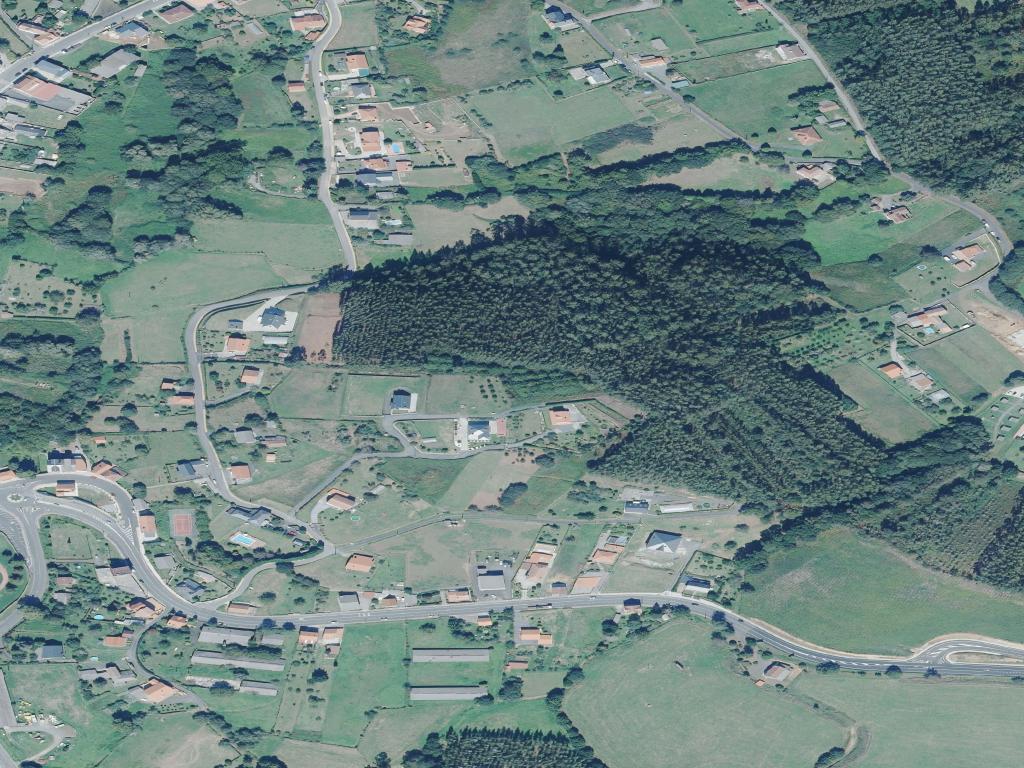
This is inland Ferrolterra, a region in north-west Galicia. The landscape is made up of scattered villages, narrow roads and a lot of green. It is possible to cover the area quickly if you only stop to look, but travelling between places takes time. Everything is more spread out than it appears on the map.
From Santiago de Compostela, the journey takes just under an hour along secondary roads. The route is not difficult, though it is best approached without rushing.
The centre: simple and familiar
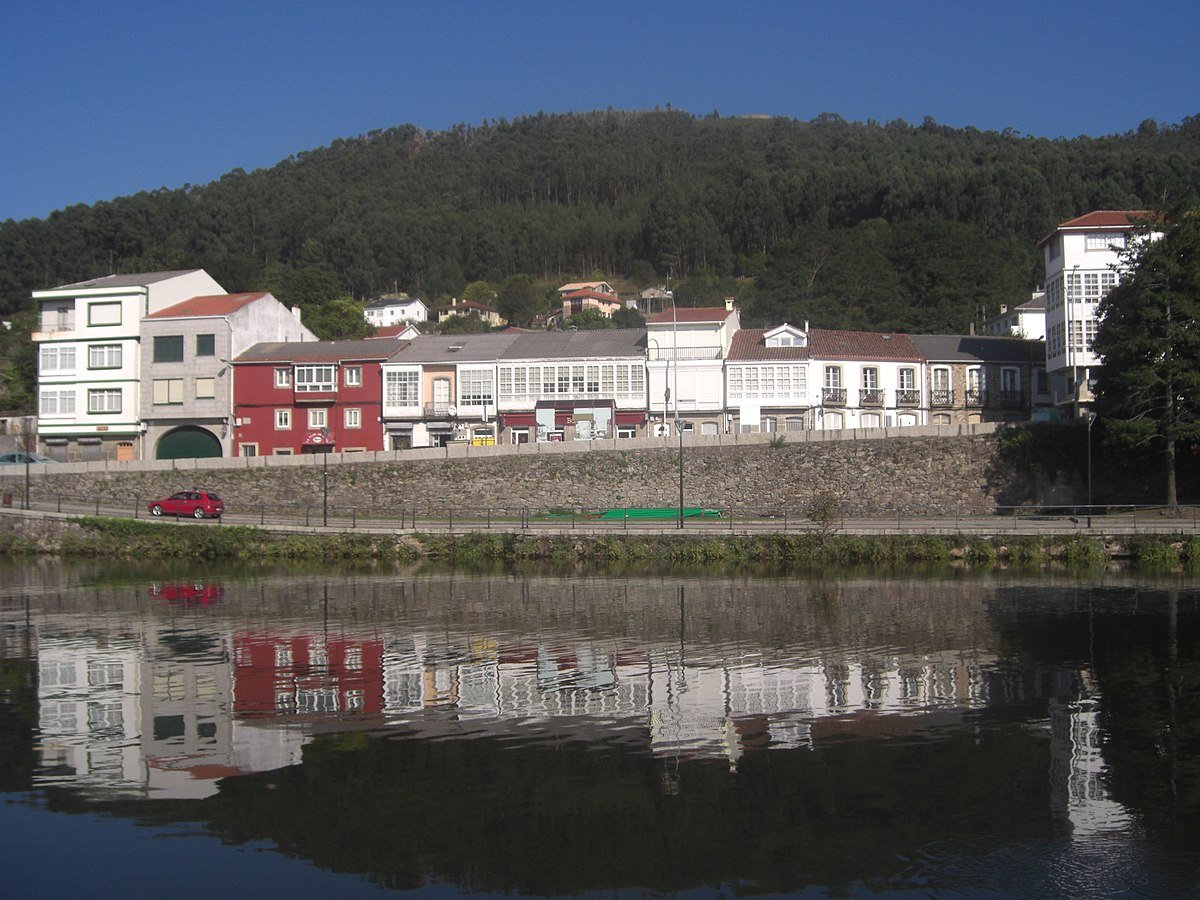
The main reference point in A Capela is the church of Santa María. It sits in the centre and helps with orientation. The building is a straightforward granite church that has been altered several times. It is not monumental, and that is part of the point. It reflects what is commonly found in rural Galician parishes.
Around it, there are hórreos, traditional raised granaries used to store grain, and stone houses that still keep their original form. Along the roads and at crossroads, you will also notice cruceros, which are stone crosses typical of Galicia, and small chapels. Some show clear signs of wear. Not all have been restored, and the passage of time is visible in the details.
The village itself can be seen quickly. A short walk is enough to get a sense of the place and its scale.
Beyond the streets: paths and countryside
The more interesting part of A Capela lies outside the centre. Old paths run between plots of land, bordered by dry stone walls built without cement. Trails link small hamlets, some still used by locals to move between fields or to head down towards the river.
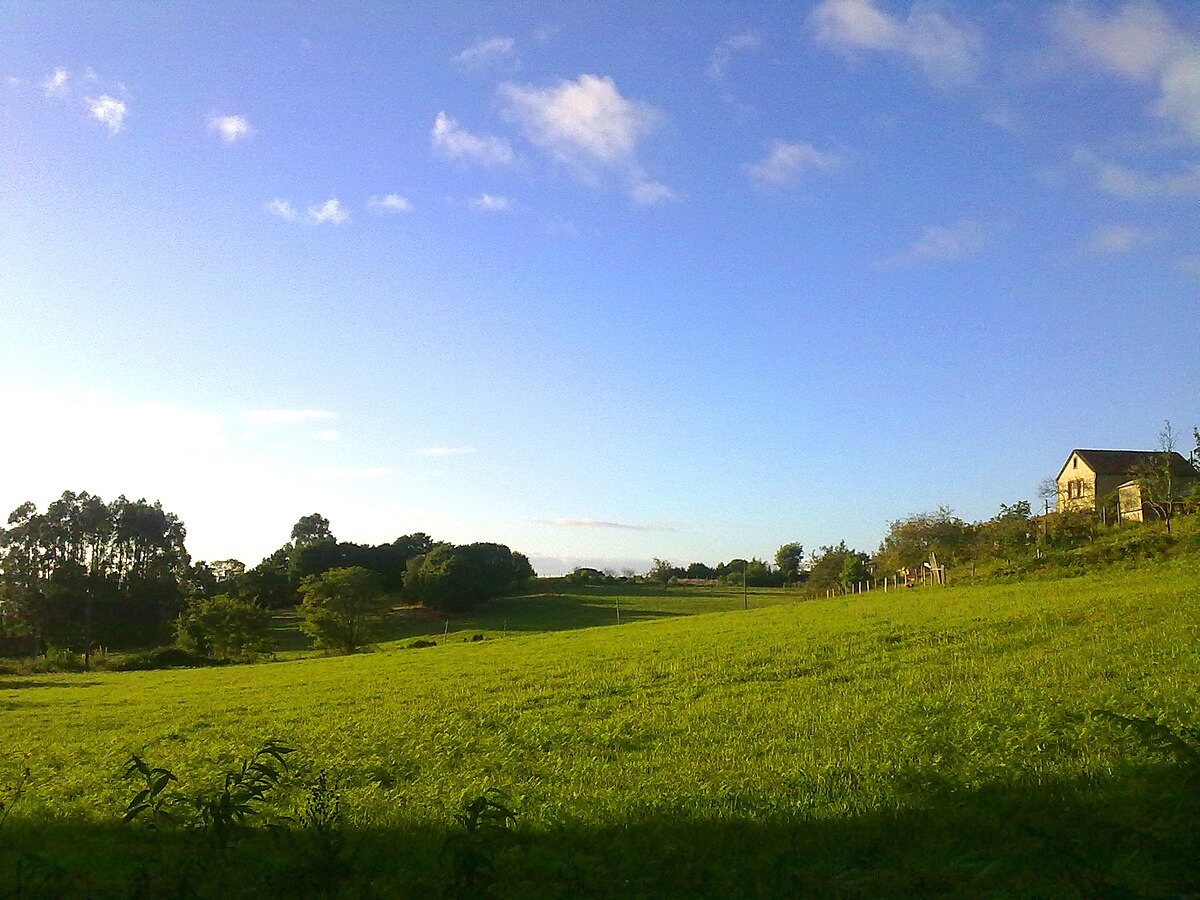
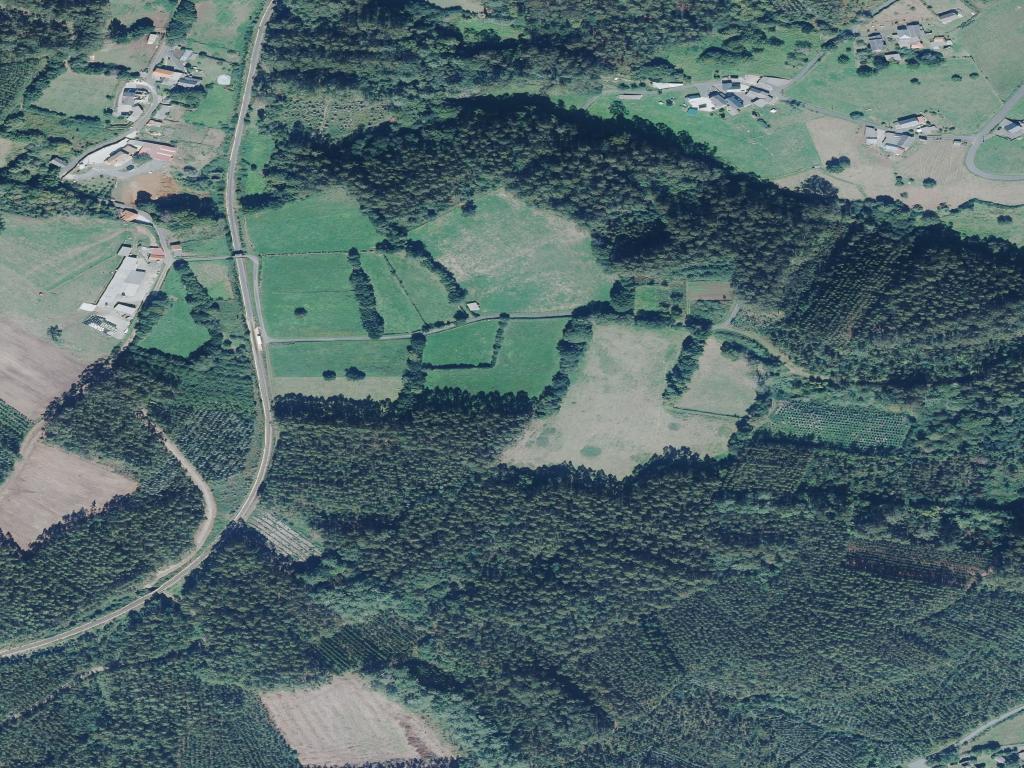
The landscape combines meadows, scrubland and areas of carballeira, oak woodland typical of Galicia. From a car window, much of it can look similar. Once you stop and walk, the organisation of the land becomes clearer. The boundaries, the routes and the way the settlements are spaced all start to make sense.
About fifteen kilometres away is the Fragas do Eume Natural Park. Many people pass through A Capela on their way to that area. The proximity explains some of the movement along these roads, even if A Capela itself remains quiet.
A short visit, or a slower one
If time is limited, the simplest plan is to park near the church and walk through the nearby streets. Take in the hórreos, look out for a crucero, and that is largely it. In half an hour, you will have seen the essentials.
To extend the visit, head out along one of the secondary roads towards nearby hamlets. Even from the roadside, the rhythm of life here is clear: scattered houses, vegetable plots and surrounding woodland. The distances between places become more apparent once you start moving through them.
After several days of rain, some paths turn muddy. Standard city footwear is not especially helpful in those conditions.
Timing and common mistakes
A frequent mistake is trying to see everything too quickly. Distances between hamlets may look short, but the narrow roads slow things down. Journeys take longer than expected.
Another common oversight is underestimating the weather. Humidity is present even on clear days. Fog can roll in from the coast, and the appearance of the landscape can change within minutes.
Spring and autumn tend to show the landscape at its best. In summer, there is more activity in the area due to local festivals across the region. In winter, the countryside stays green, though many paths become heavier to walk.
A Capela is best approached without haste and with simple expectations. It is not a place built around a long list of sights. It comes into focus by walking a little and paying attention to what is around you.