Full Article
about As Somozas
Hide article Read full article
A landscape shaped by history
The municipality of As Somozas appears in parish records from the Middle Ages, when this area formed part of a network of small rural jurisdictions tied to monasteries across northern Galicia. Its proximity to the ría de Ferrol never made it a port. It developed instead as an agricultural hinterland, supplying the coast from its scattered villages.
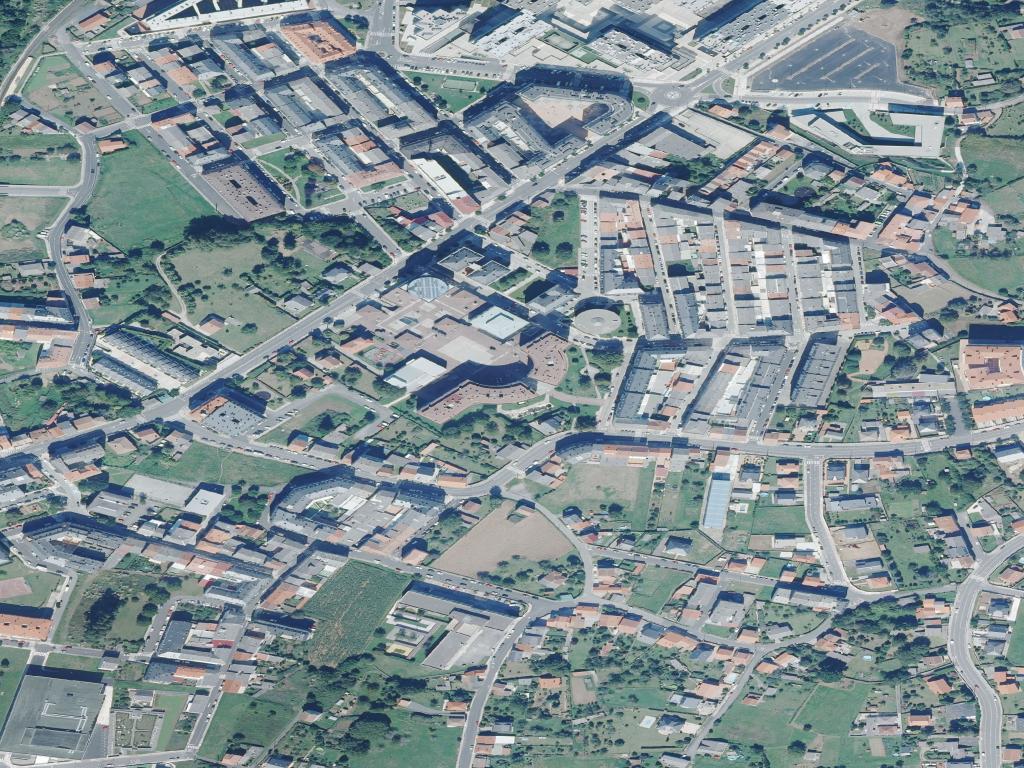
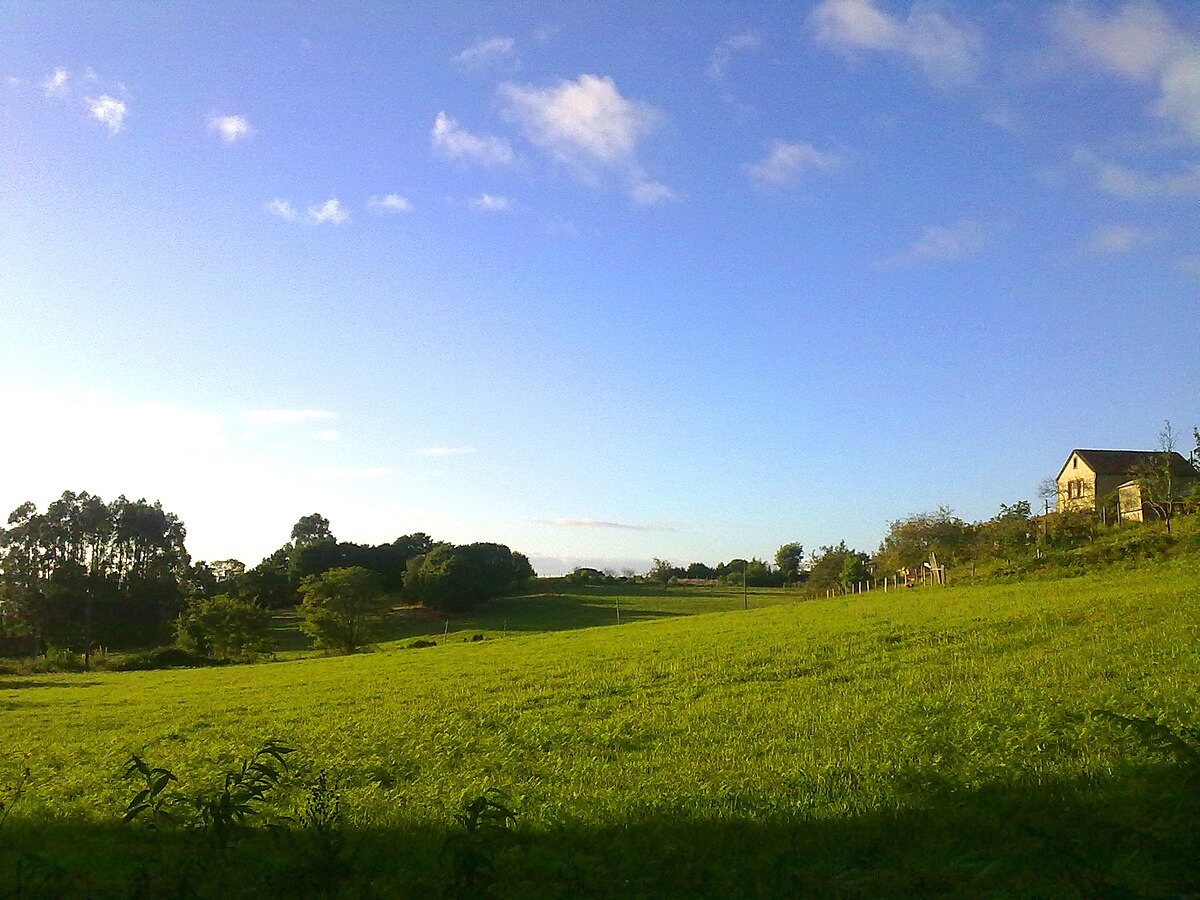
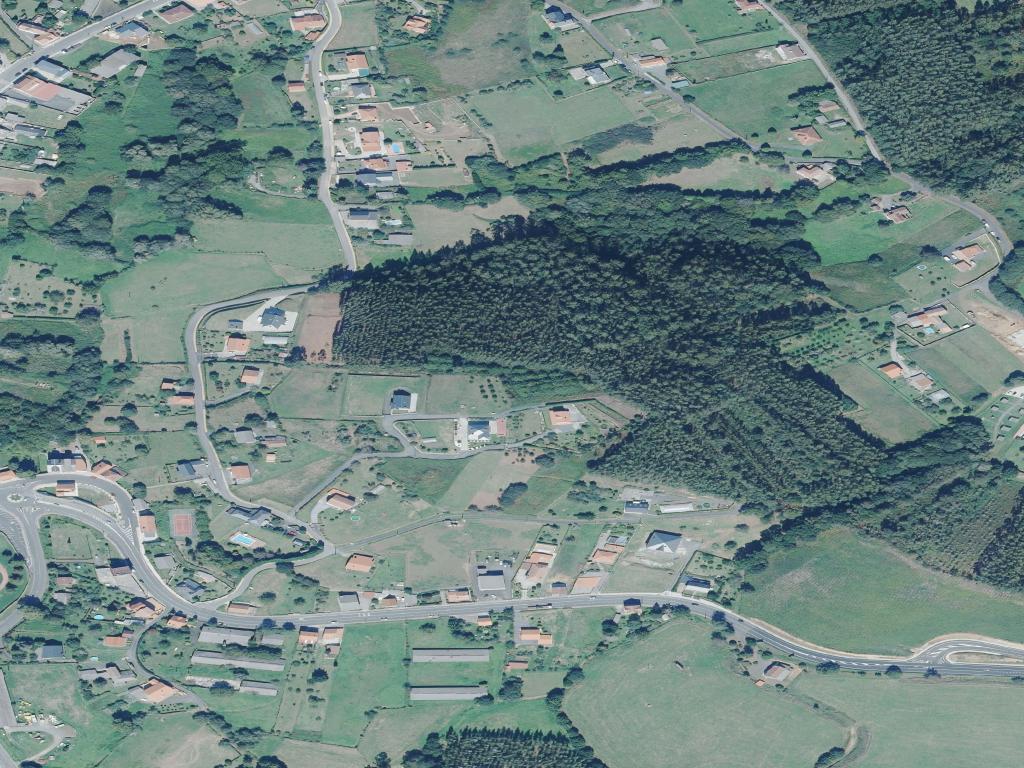
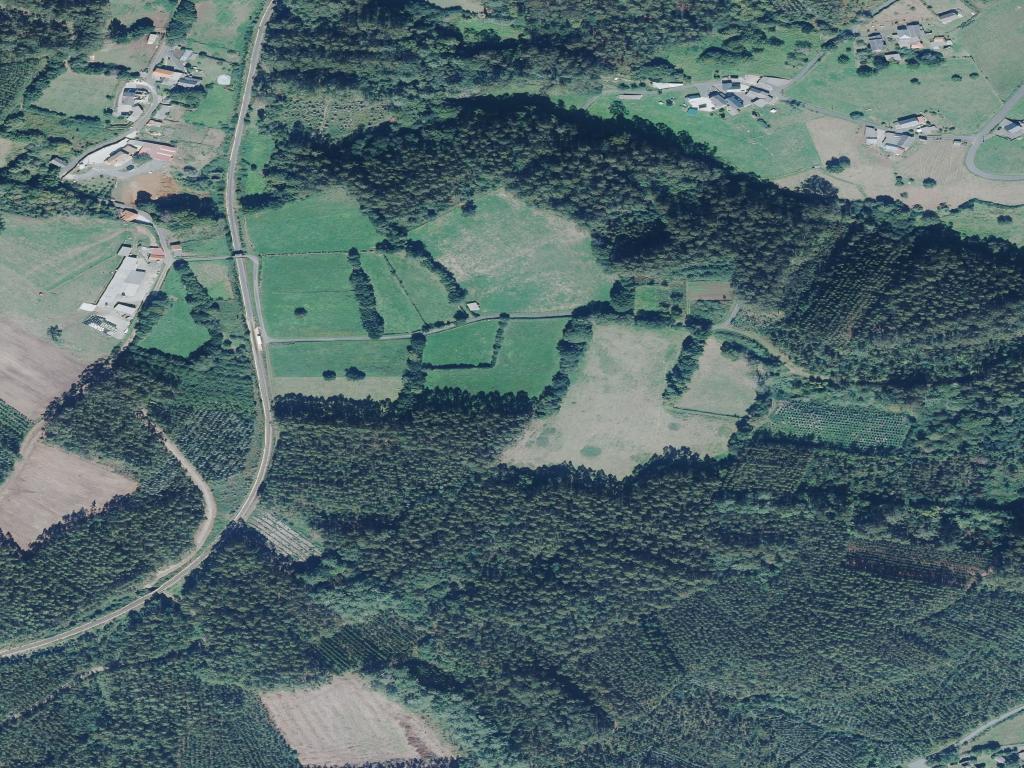
That origin still defines As Somozas. You won’t find a single, defined town centre. The municipality is a collection of parishes and hamlets—Somozas, Devesa, Recemel—connected by local roads that follow the curves of the land. The landscape is one of low hills, meadows enclosed by stone walls, and patches of woodland where chestnut and oak still grow.
This dispersed layout is common in Galicia, but here it feels absolute. The sense of place comes from how these small units relate to each other across the terrain, not from a central square or main street.
Parish churches and the structure of daily life
Life here has been organised by the parish for centuries, and the built environment shows it. Churches like Santa María de Devesa or San Xoán de Somozas follow a rural Galician model solidified between the 17th and 18th centuries. They are not monumental, but they are central.
The churchyard, or atrio, served as a meeting ground; the cemetery sits within the same walled enclosure. This arrangement reflects a rhythm where daily life and religious observance occupied the same physical space.
Around these churches, older stone houses cluster alongside hórreos and the paths to neighbouring settlements. The hórreos, those raised granaries typical of the north-west, appear in stone or in mixed stone-and-wood construction. Their presence speaks to an economy long dependent on maize, a crop introduced in the 17th century that changed how grain was stored.
Stone crosses, or cruceiros, stand at crossroads or near churches. Many are from the 18th and 19th centuries. They are not signposted or part of any marked route. They are simply there, embedded in the everyday landscape.
The working land: meadows, woods and streams
What you see today is a blend of long-established use and more recent change. Grazing land still dominates, with enclosed meadows forming a patchwork across the hills. In damper areas, stands of oak—carballo—and chestnut survive, though many slopes now carry forestry plantations of pine or eucalyptus.
Several streams cut through the area, explaining the abundance of damp pasture. On days of mist or fine rain, which are common here, the landscape turns in on itself. Visibility shortens, sounds mute, and the space between villages feels smaller.
This is not a preserved setting. Modern tractors work fields next to older stone barns, and many tracks have been graded for machinery. Fences, working paths, and the signs of daily labour are as much a part of the scenery as the hórreos.
Moving between the parishes
To understand As Somozas, you need to move between its parishes. By car, you can link villages that are only a few kilometres apart, but the roads curve with the land, discouraging haste.
On foot, some rural tracks allow for short walks between meadows or along watercourses. These paths give a clearer view of how the land is divided and how settlements sit within it.
Weather dictates conditions. After rain, mud appears quickly on unpaved tracks. This is worth considering before venturing off the main roads. Some lanes are very narrow, with few places to turn around; caution is sensible here.
A practical approach for a short visit
A brief visit works best if you centre it on one or two parishes rather than trying to cover everything. Stopping near a church gives you a natural starting point. A walk along the nearest path will show you what defines the area.
Your attention will likely settle on the elements that structure everything: the hórreos raised on staddle stones, the drystone walls dividing fields, the shape of meadows worn by long use. These features tell you more about As Somozas than any single landmark could.
Even a thirty-minute walk between two hamlets makes the territory legible. The relationship between houses, plots of land, and connecting paths becomes clear when you’re on foot.
There are no grand monuments or designed viewpoints here. The interest lies in observation.
What to keep in mind
A common mistake is to expect a consolidated historic centre. As Somozas doesn’t work that way. It is a collection of small settlements; the municipality is the sum of these parts.
It’s also wise to avoid committing your car down very narrow tracks unless you know where they end. Many lead to private fields or farm gates with little room to turn. If in doubt, park earlier and continue on foot.
Patience is useful here. The value of As Somozas lies less in specific attractions and more in seeing how its parts connect across a landscape that is still very much in use.