Full Article
about Cabanas
Ocultar artículo Leer artículo completo
The village that greets the tide
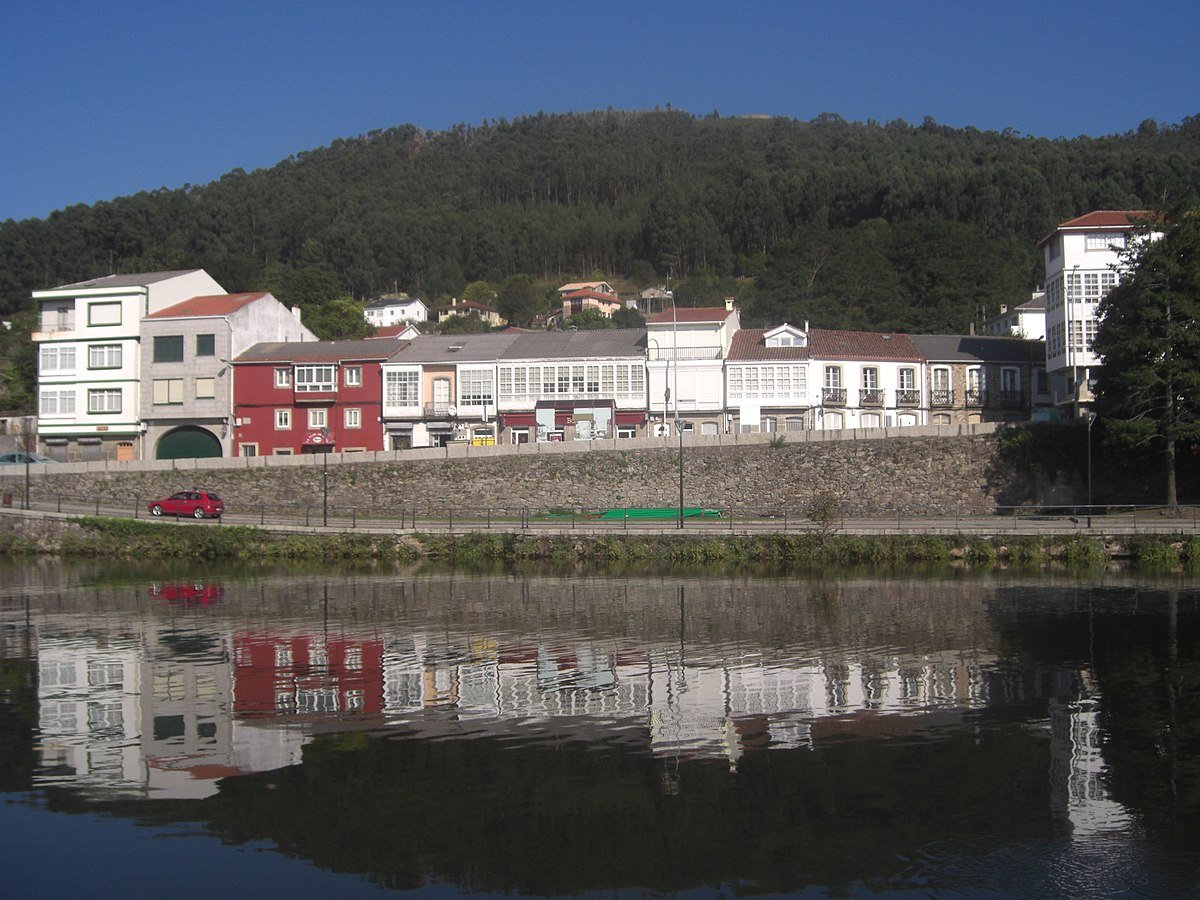
Morning mist rolls off the Ría de Ares, settling low over stone cottages whose slate roofs glisten like wet sardines. A woman in a navy apron sweeps last night's leaves from her doorway, pausing to watch a fishing boat chug past the breakwater. This is Cabanas at 8 a.m. – no fanfare, no souvenir stalls, just the soft percussion of halyards against masts and the smell of coffee drifting from Bar Rúa.
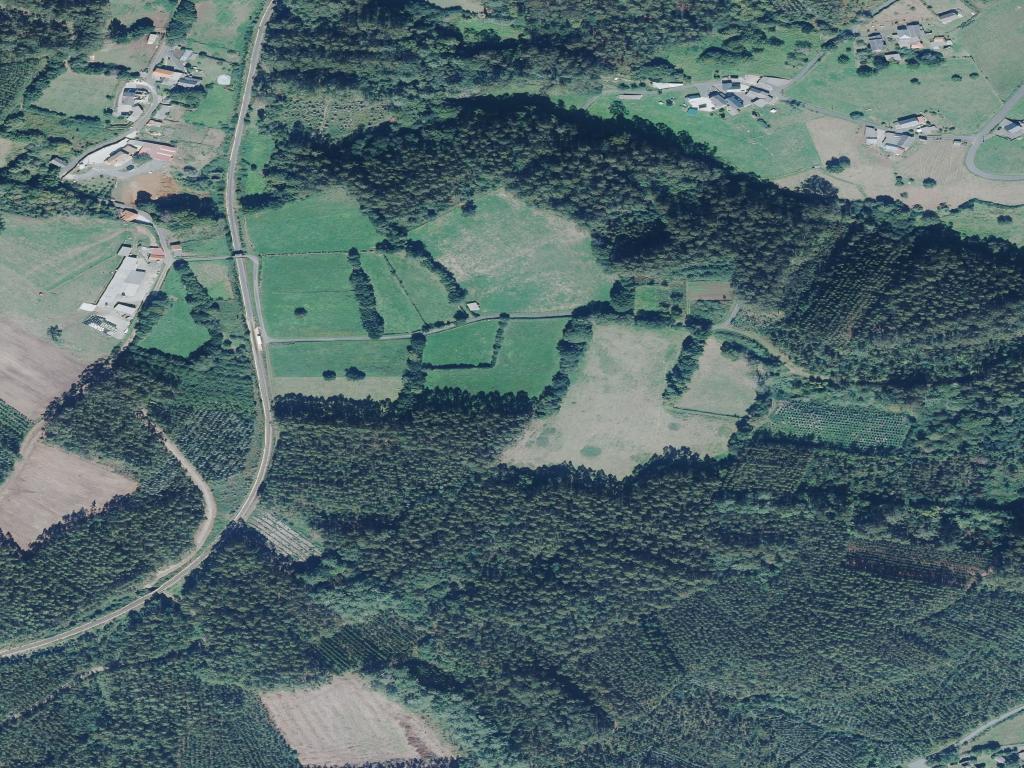
The village sits on a fingernail of flat land between the ria and low hills planted with eucalyptus. Everything faces the water: the single traffic light, the bakery's delivery van, even the cemetery where marble angels stare out to sea as if waiting for someone who never came back. At high tide the water laps against the promenade; at low tide it retreats half a kilometre, exposing sandbanks where herons stalk silver fish trapped in leftover pools.
What the guidebooks don't mention
Santa Marta beach isn't the Caribbean. The sand is mixed with crushed shell and the occasional shard of green sea glass, polished smooth by decades of Atlantic storms. The water stays knee-deep for thirty metres out – perfect for toddlers, disappointing for teenagers who wanted to dive. Bring surf shoes; the edge of the ria hides sharp oyster shells that slice bare feet like paper cuts.
August transforms the place. What felt like a forgotten fishing hamlet in June becomes a low-key resort for Spanish families who've been coming here since Franco was in power. They arrive with cool boxes, grandmothers, and dogs that understand Galician. Parking becomes a blood sport; by 11 a.m. you're walking ten minutes from your car with beach chairs balanced on your head like a seaside circus act. Come in September instead. The sea is warmer, the light softer, and the woman in the bakery remembers your order by day three.
Lunch decisions and other dilemmas
At 1:30 p.m. the village switches off. Shutters clatter down, even the ice-cream kiosk pulls its corrugated-metal curtain. You've got two choices: join the queue at Marisquería Solana for a €15 menú del día, or drive five kilometres inland to the roadside grill where farmers knock back orujo with their octopus. The restaurant's plastic chairs face the ria; if you sit on the left you get a view of Ares village glittering across the water like a spilled jewellery box. Order zamburiñas – miniature scallops grilled with nothing more than lemon and breadcrumbs – and a glass of Albariño that tastes of green apples and Atlantic salt. They'll bring bread whether you want it or not; if you don't touch it, they won't charge.
Vegetarians struggle. This is a place that celebrates the pig from snout to tail, and the concept of meat-free Monday hasn't arrived. The bakery does a decent empanada de raxo (spicy pork) but you'll wait while they warm it; they're not used to foreigners wanting food "to go". Cash is king – try to pay for two coffees with a twenty-euro note and the barmaid will roll her eyes so hard you fear for her sockets.
Beyond the promenade
Walk east past the last hotel and the tarmac turns into a dirt track that smells of fennel and diesel. Fishing sheds lean drunkenly over the water; inside, men in overalls mend nets the colour of nicotine. They work to Radio Galicia turned up loud, the presenter gabbling faster than any GCSE Spanish teacher prepared you for. Keep walking and you'll reach the mudflats where locals dig for clams at dusk, head-torches bobbing like glow-worms. It's illegal without a licence, but the Guardia Civil car only appears on Sundays when the tide is high and they can't be bothered to get their boots dirty.
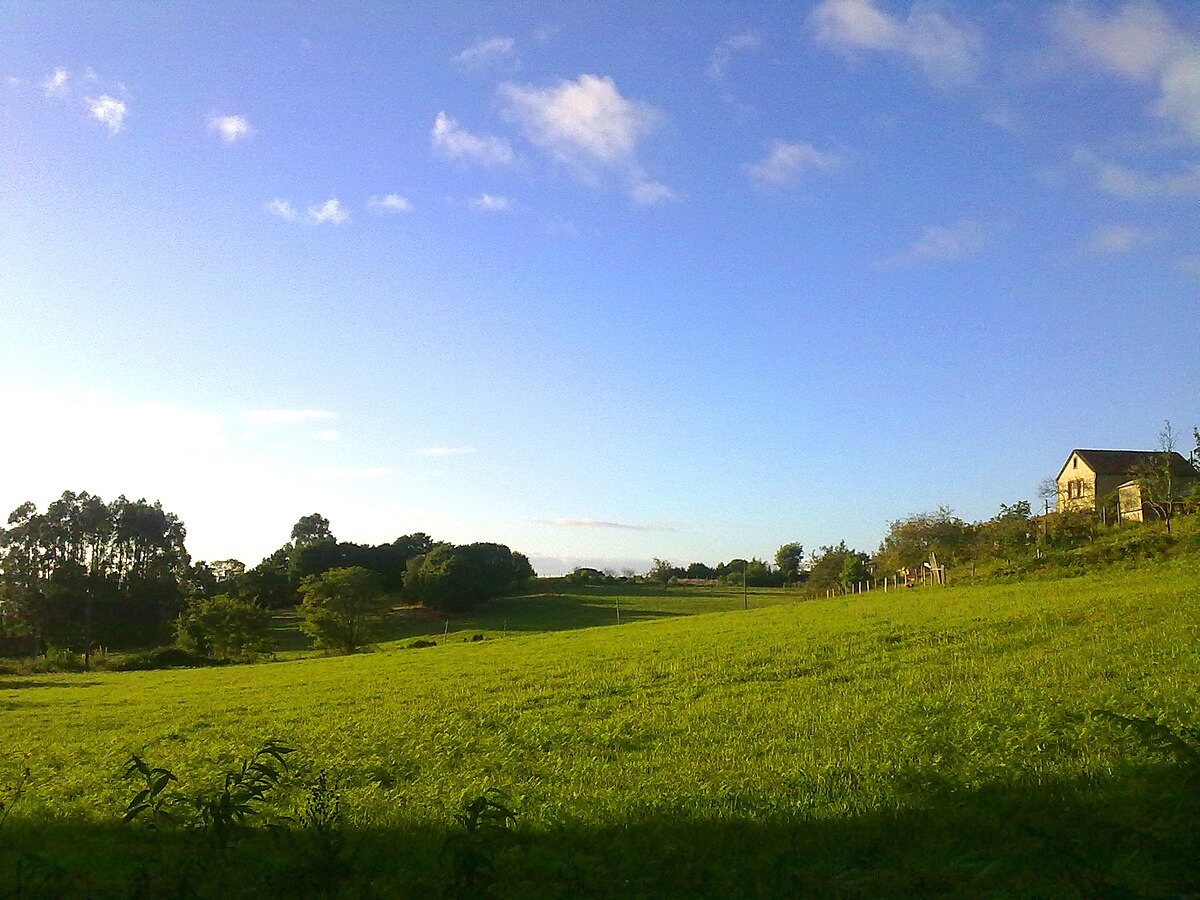
Inland, the landscape folds into small valleys where stone crosses mark medieval boundaries. Follow the waymarked PR-G 126 for three kilometres and you reach the Romanesque chapel of San Xiao, its doorway carved with warriors who look more bored than fierce. The path passes a farmhouse selling eggs from a fridge plugged into an extension lead; leave two euros in the honesty box and hope the dog doesn't fancy your ankle. On a clear day you can see the shipyard cranes of Ferrol, but mostly it's just you, the crows, and a farmer on a quad bike who waves like you're family.
When the weather turns
Galicia doesn't do half measures. One minute you're sunbathing; the next, fog swallows the ria and the temperature drops ten degrees. The beach empties faster than a fire drill, towels flapping like surrender flags. This is when Cabanas reveals its true personality. Locals emerge for coffee, pulling on anoraks over swimsuits. The bar fills with the smell of wet dog and strong tobacco; someone produces a pack of cards and suddenly it's 1987. Tourists huddle in their rental cars checking weather apps that promise improvement "after lunch". They miss the point. Galician mist is liquid memory – it softens edges, makes the present feel temporary. Sit it out with a cup of café con leche and watch the fishing boats reappear as grey ghosts, their foghorns low and mournful as cows calling calves.
Making it work
You'll need wheels. The bus from Pontedeume arrives twice on school days and not at all on Sundays; the driver once left a German backpacker at the roundabout because he didn't ring the bell in time. Hire a small car – lanes narrow to single track between stone walls that have removed more wing mirrors than a city centre parking warden. Fill up before Sunday; petrol stations close and you'll be negotiating with a farmer for a siphon of diesel.
Stay at the Vila de Cabanas if you want someone else to make the churros. Sea-view rooms face sunrise; ask for the third floor or you'll be eye-level with promenade dog-walkers. Alternatively, rent one of the new-build flats behind the church – all granite and glass, with Netflix and a coffee machine that needs instructions in English. Bring your own milk; the supermarket shuts for siesta and doesn't stock semi-skimmed anyway.
Leave before you understand what the old men are saying in the bar. Cabanas works as a gentle introduction to Galicia – small enough to learn the rhythm, honest enough to show you the cracks. One week teaches you that Atlantic Spain isn't about flamenco or paella; it's about accepting that the tide decides your plans and the bakery runs out of croissants by nine. Book a return ticket, but don't be surprised if next year you recognise the woman who sweeps her step, and she nods like you never left.