Full Article
about Cedeira
Ocultar artículo Leer artículo completo
The Harbour That Still Clocks In
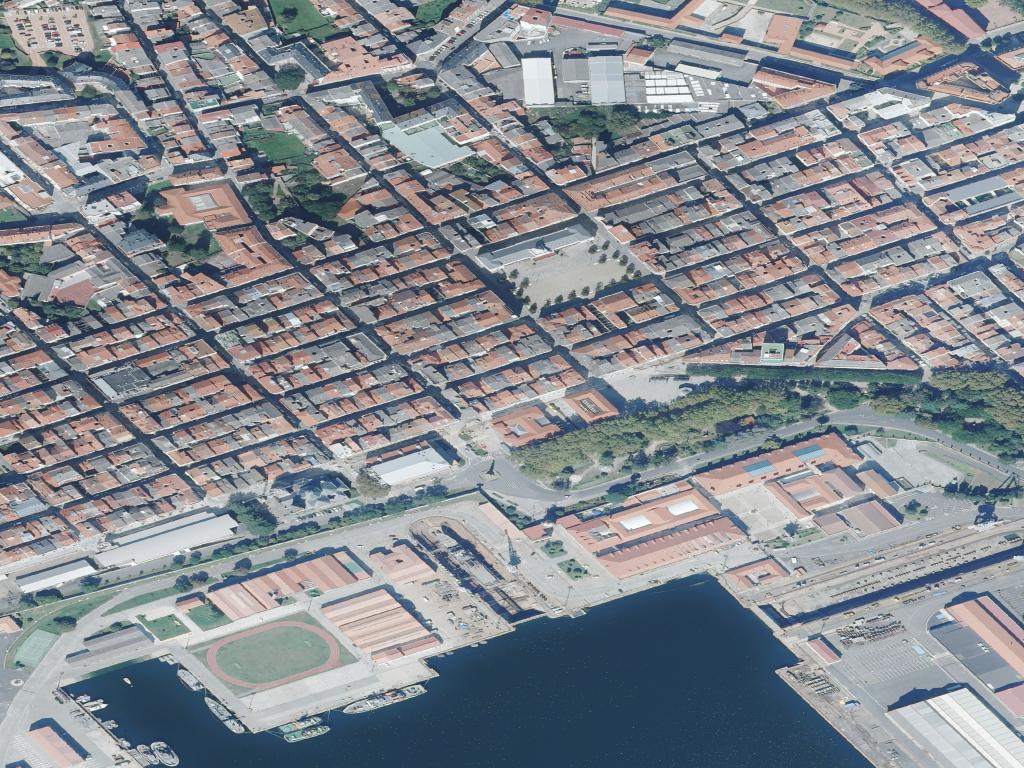
Cedeira’s fishing fleet is back at 09:00. By 09:05 the quayside smells of diesel, seaweed and yesterday’s catch, while auction staff flick through clipboards and lorries reverse with practiced impatience. No one is posing for a postcard; this is simply the working day. Stand near the ice bunker and you’ll see crates of brill, gurnard and velvet crab slid straight into white vans bound for Santiago restaurants. If you want to watch the theatre, arrive before nine—after that it’s forklifts only.
The harbour wall doubles as a promenade. Walk five minutes east and the concrete gives way to the Playa de A Magdalena, a scallop of biscuit-coloured sand that fits neatly between two stone breakwaters. The water is knee-deep for fifty metres at low tide, perfect for a paddle if you don’t mind 16 °C in July. When the tide is high the beach disappears entirely; locals sprawl instead on the bollards, passing around paper cones of fried squid rings that taste suspiciously like Whitby seaside.
Up the Road Europe Drops Away
Drive ten minutes inland, then climb. The PO-121 switchbacks through pine and eucalyptus until the sat-nav claims 615 m above sea level. Pull in at Garita de Herbeira and the ground falls away vertically for exactly that distance—higher than Beachy Head stacked on top of the White Cliffs. On a clear afternoon you can clock the curve of the Ría de Cedeira and, further out, the toy-sized drag-netters you were standing beside an hour earlier. The wind is so reliable that kitesurfers use it to practise on land; bring a coat with a draw-string unless you fancy wearing your hood like a flag.
Fog is part of the package. Locals joke that the cliffs play Scotland, sunshine plays Spain, and you never know which director is on set. If the cloud base sits at 300 m you’ll drive through cotton wool and arrive to nothing but a car park and the sound of invisible gulls. Wait fifteen minutes—weather fronts move fast here—and the rock face can reappear in slabs of charcoal and rust like someone peeled back wrapping paper.
A Pilgrimage for the Vertigo-Proof
Six kilometres south of the viewpoint the road ends at Santo André de Teixido, a hamlet that claims “the highest church in coastal Galicia”. The single-lane approach is not for nervous drivers: stone walls pinch the tarmac, passing places fit a donkey, and the drop is always on your right. Park anyway; the reward is a tiny plaza smelling of bay leaves and diesel heaters where widows sell tins of bay-scented liqueur and handwritten receipts.
Tradition says Saint Andrew grants you one wish if you complete the three-kilometre stone path from the cliff down to the village. The descent is 350 m, mostly steps cut into schist; budget forty minutes down, an hour back up, and carry water—there is no café halfway. Even agnostics tend to mutter a wish, just in case the saint is counting British accents.
Lunch Before the Locals Do
Seafood prices swing like the stock market. Barnacles (percebes) fetched €110 a kilo this winter after storms kept boats ashore; by May they were €65 and falling. Restaurants post the day’s tariff on blackboards, so read before you sit. A safe introduction is the menú del día: fish soup thick with tomato and saffron, followed by grilled mackerel or hake, plus a glass of chilled Albariño, all for €14. Service starts at 13:30; arrive at 14:15 and you’ll queue with teachers, nurses and the harbour master who clocked off early.
Two places worth knowing:
- Muíño Kilowatio, an old mill turned tavern, does marraxo (porbeagle shark) and chips the size of your forearm.
- Casa Sindo up in the old quarter plates octopus the Galician way—sliced with scissors at the table, olive oil still bubbling from the pan.
Both close on random Tuesdays; WhatsApp the night before if your Spanish stretches to “¿Abierto mañana?”
Walking Tracks That Expect You to Read a Map
The tourist office (open 10:00–14:00, closed weekends in winter) hands out a free leaflet entitled Rutas de Cedeira. It looks photocopied in 1997 and the contours are approximate—welcome to rural Spain. Still, the routes work if you remember two rules:
- Yellow arrows mean footpath, not Camino.
- Assume every kilometre along the cliff adds ten minutes thanks to mud, gorse and selfie stops.
The easiest circuit leaves from the lighthouse at San Pedro da Rocha, follows the rim for 4 km, then drops through fern and pine back to the port. Harder options thread inland to the castro (Iron-Age fort) above the village, where the reward is a 360-degree sweep of mountain, estuary and the odd wind-turbine winking in the sun. Summer hikers start at 08:00 to beat the heat; in February you’ll have the trail to yourself but the mud can swallow an ankle—waterproof boots, not trainers.
When to Show Up, When to Stay Away
May and June give 20 °C afternoons, wild foxglove along the roadsides and beaches empty except for a few Spanish retirees power-walking. September copies those numbers but adds blackberries you can pick from the clifftop path. July and August are warm enough for T-shirts at midnight, yet the town fills with families from Madrid who rent flats for the full month. Parking by the harbour is free out of season; in August use the pay carpark above the health-centre—full by 11 a.m., €8 per day, no overnight vans.
Winter travel is for storm-chasers. The Atlantic hurls spray over the harbour wall, restaurants switch to stews, and you might share the only hotel bar with four off-season yachtsmen debating anchor chains. Roads rarely close, but fog can reduce visibility to twenty metres—if you’re flying home the same day, build in an extra hour to reach A Coruña airport.
The Bits Google Photos Hides
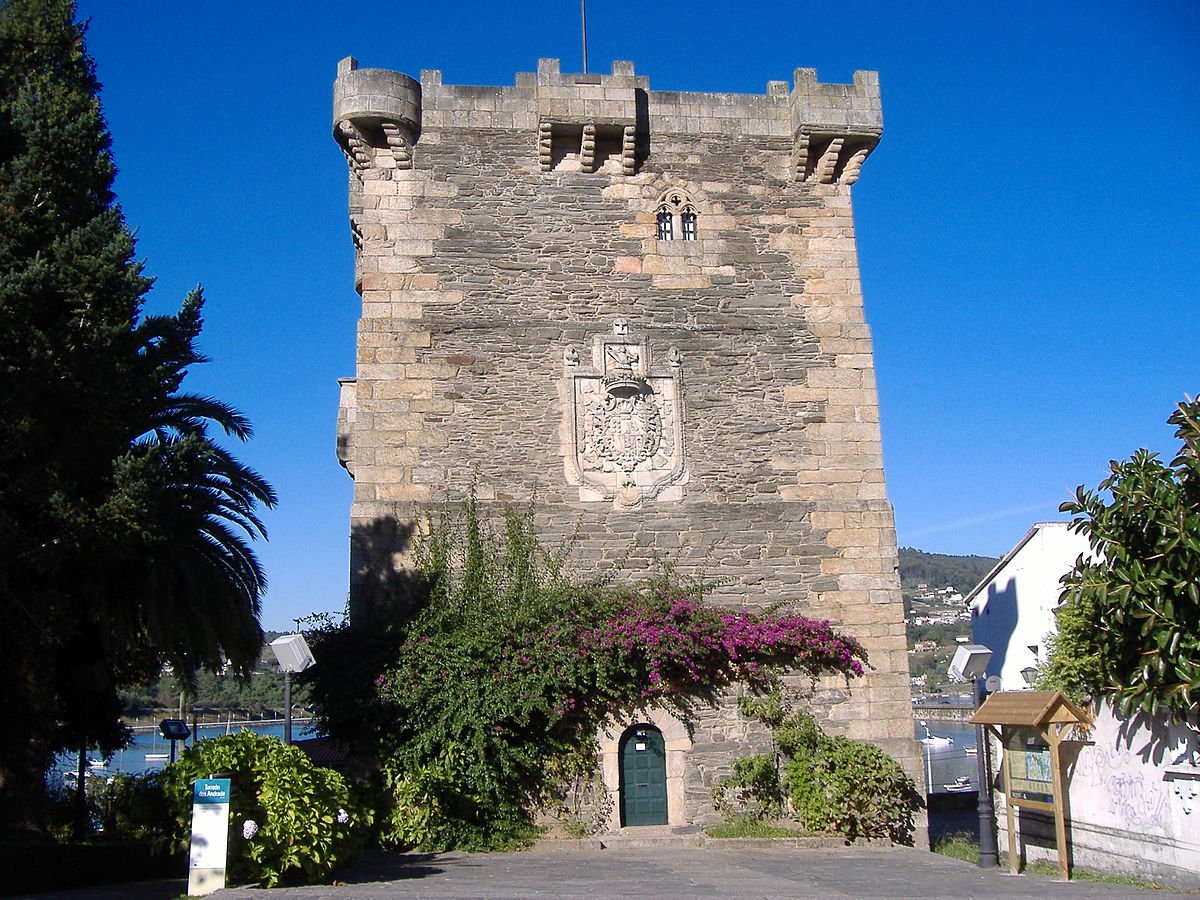
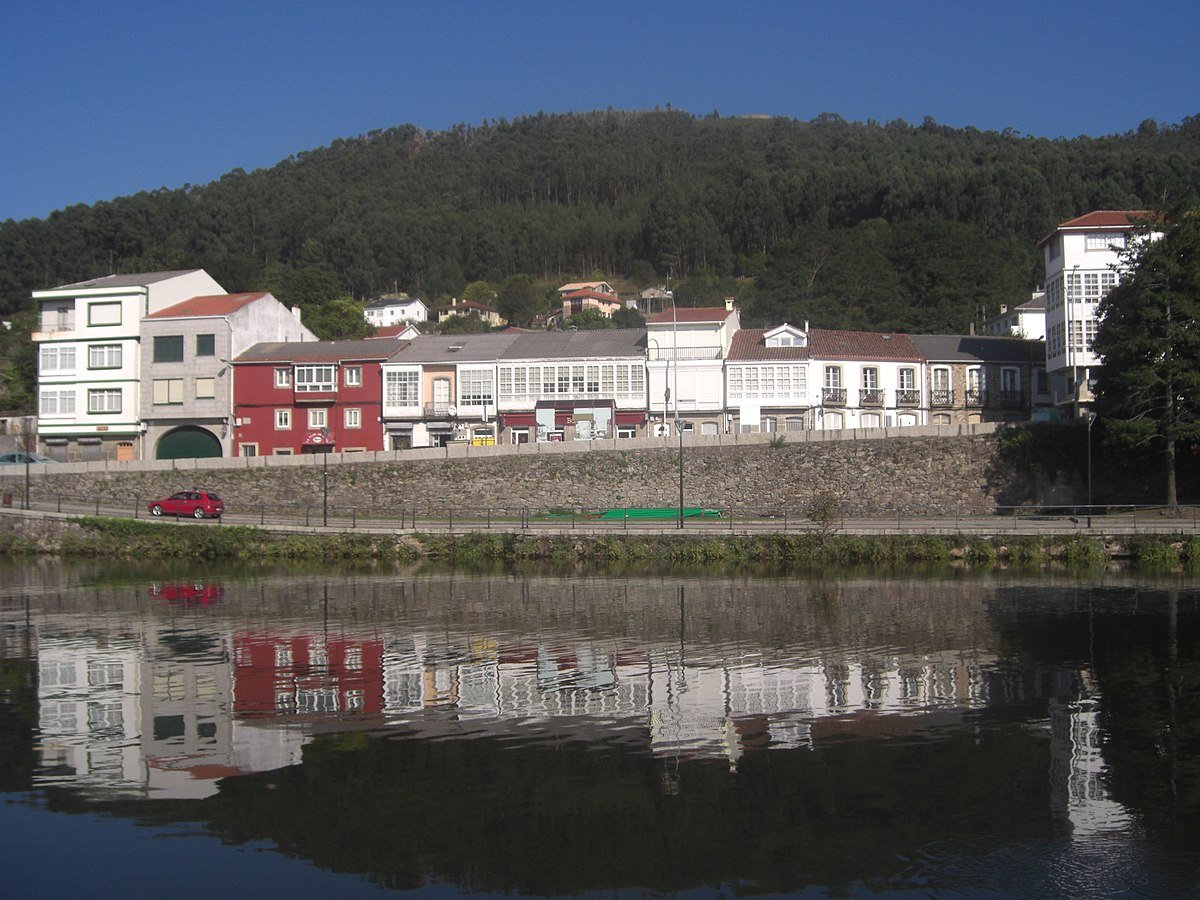
Cedeira’s old quarter is essentially two streets and a plaza. The stone is granite, the balconies are wood, and the atmosphere is pleasant but not museum-grade. If you’re expecting Lugo’s Roman walls you’ll be disappointed; think Lyme Regis without the fossils. The real texture is auditory: gulls, church bells every half hour, and at 07:00 the diesel throb of the María del Carmen heading out to sea. Close the hotel window or embrace the soundtrack—there is no third option.
Wi-Fi is reliable in guesthouses, patchy on the quay. Mobile data drops to 3G once you start climbing towards the cliffs; download offline maps before you leave flat ground. And remember cash: even the modern-looking ice-cream kiosk by the beach refuses cards in March because “the machine gets damp.”
Leaving Without the Souvenir Cliché
You could buy a fridge magnet shaped like a barnacle. Better, purchase a half-kilo of vacuum-packed paprika octopus from the fishmonger opposite the church—legal for UK import, travels chilled in a cool box, and tastes brilliant sliced over warm new potatoes with parsley. Alternatively, take home the memory of driving uphill through cloud and breaking out into blinding sun just as Europe’s tallest cliffs appear—no gift-shop trinket can compete with that moment, and it costs nothing except a full tank of petrol and the willingness to climb.