Full Article
about Mugardos
Ocultar artículo Leer artículo completo
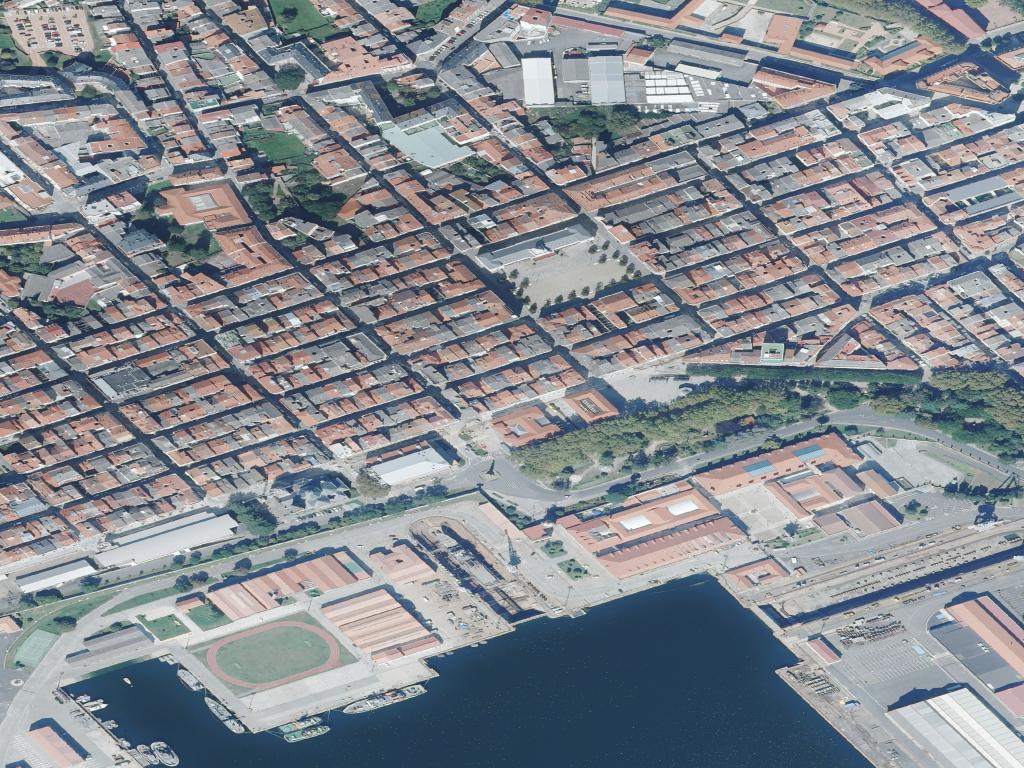
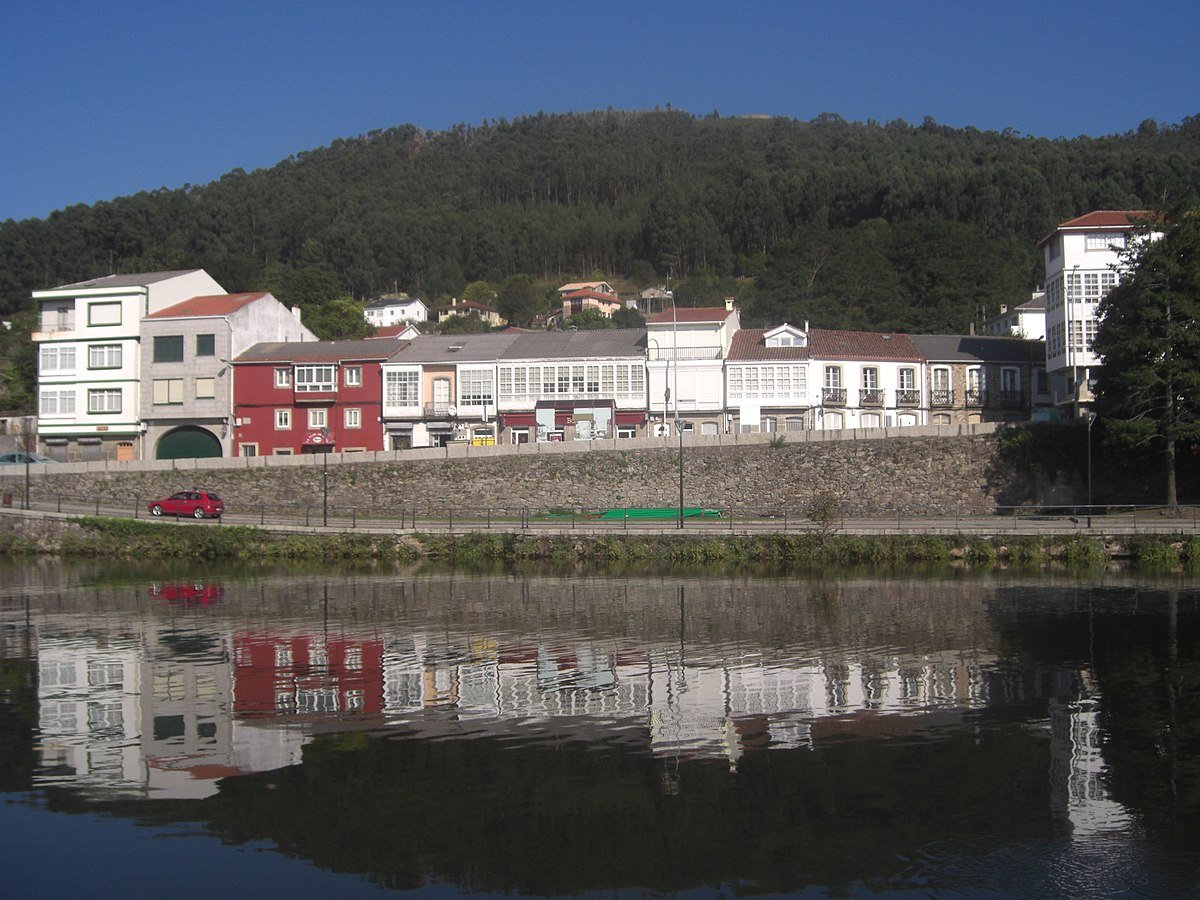
The harbour-front car park fills by ten with vans whose boots still smell of last night's catch. By eleven the nets are spread across the slipway like giant spider webs, and the only tourists in sight clutch takeaway coffees instead of cameras. This is Mugardos, a working estuary village where the daily rhythm is set by the Ferrol inlet rather than any marketing department.
Five thousand people live here, enough to support three bakeries, two fishmongers and a Monday-morning market that packs up before the British lunchtime. The place is walkable in twenty minutes, yet most visitors stretch it to half a day because every bench faces the water and the view keeps changing. Ferrol's shipyards glitter across the inlet in morning sun, disappear into Atlantic mist by tea-time, then reappear pink-grey at dusk. The castle of San Felipe – technically in Ferrol – is the village's constant backdrop, a stone reminder that this narrow channel once guarded Spain's northern armoury.
What the Estuary Gives
Mugardos earns its living from the ría, and the menu shows it. Octopus arrives by the crate at eight, is beaten on the quay to soften it, then simmered in copper cauldrons wide enough to bathe a toddler. Pulpo a feira – paprika-dusted tentacles sliced with scissors – costs €12 a plate at the harbourside bars and is consistently rated "surprisingly tender" by Brits who normally refuse anything with suckers. Zamburiñas, small scallops gratined with lemon and breadcrumbs, convert even the shellfish-squeamish. If you prefer land food, the local tortilla comes thick and still runny, laced with caramelised onion sweet enough to count as dessert.
Order at the bar, pay in cash. Several highly-rated places, including Tapería Plaza, still don't take cards and kitchens close by four. Arrive at eight in the evening and you'll find only one bar serving food, usually packet crisps and sympathy.
A Promenade without Souvenir Stands
The paseo marítimo runs level for 700 metres, wide enough for pushchairs and fishing rods simultaneously. There are no tat shops, no hawkers, just elderly men mending nets and teenagers jumping off the breakwater when the tide is high. Benches carry small brass plaques commemorating village fishermen rather than corporate sponsors. Sit long enough and someone will offer advice on wind direction, the best day for razor clams, or why the second weekend of August is chaos incarnate.
That weekend hosts the Festa do Polbo, when thirty-odd stalls line the same promenade and ten thousand people squeeze into streets designed for five. Octopus is served on paper plates at €3 a portion, wine flows from plastic pitchers, and a fisherman’s choir sings sea shanties at volumes that drown the gulls. British visitors who stumble on it by accident call it "the most authentic food fiesta we’ve found in Galicia" and book the same B&B for the following year. If you hate crowds, avoid. If you hate crowds but love seafood, swallow your phobia and arrive before midday.
Walking it Off
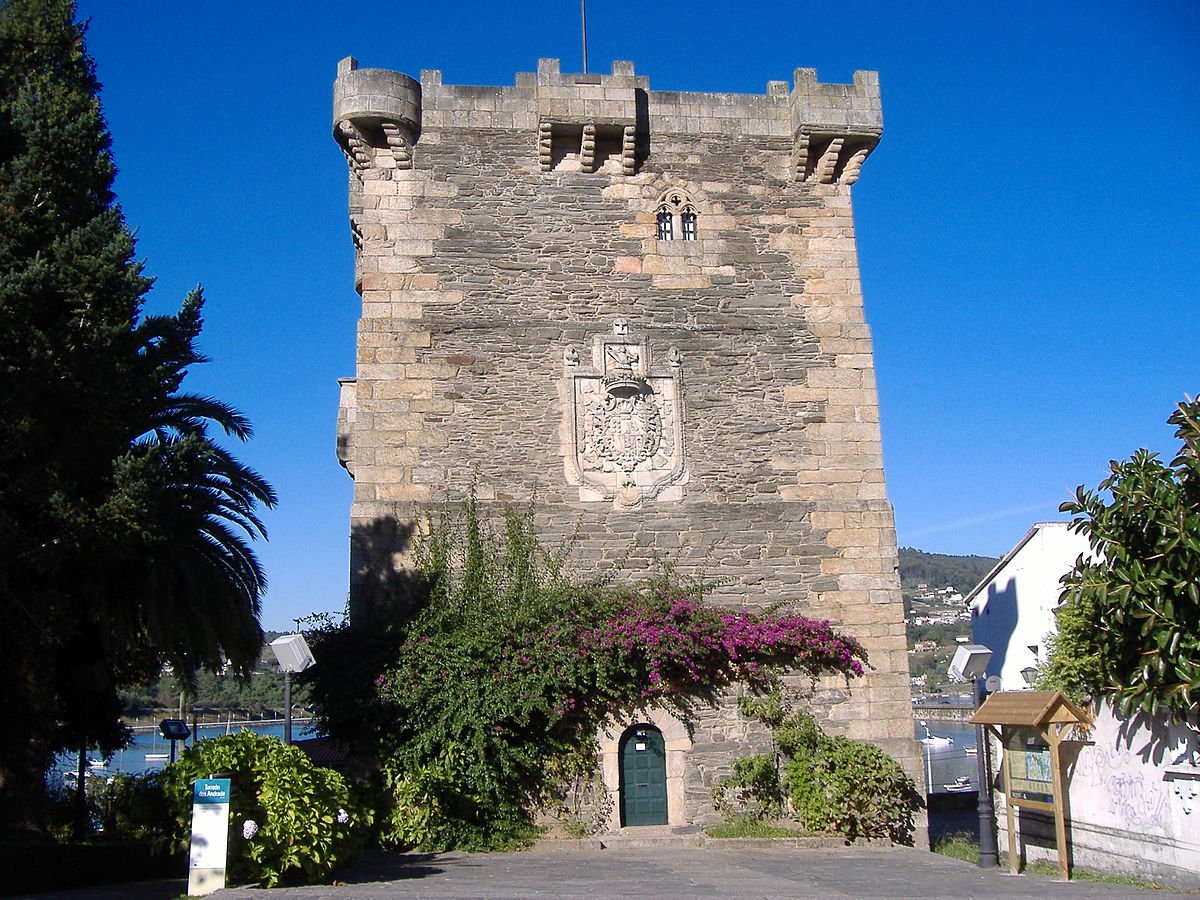
Behind the waterfront the old village climbs a modest hill in a grid so irregular it feels medieval. Houses are a modest two storeys, granite below, timber balconies above, painted the colours of a cloudy sky – dove grey, lichen green, oxidised salmon. The seventeenth-century church of Santa María squats at the top, door usually open, interior smelling of wax and damp overcoats. From the tiny square beside it, a five-minute lane leads uphill to the mirador da Bailadora, a wooden deck that suddenly reveals the whole inlet. The castle lines up with the shipyard cranes, the Atlantic glints beyond, and you realise how narrowly the estuary mouth was fortified against Drake and his ilk. Go after rain and the path turns slippery as soap; trainers are wiser than festival flip-flops.
Longer walks follow the coast both east and west. Head east on the signed camino to A Graña and you reach the nearest swimmable cove in four kilometres – a shingle beach with freshwater showers and a summer chiringuito that rents kayaks. Westwards the track climbs through eucalyptus and pine to the lighthouse at Cabo Prior, a breezy eight-kilometre round trip that smells more of pine resin than seaweed. Neither route is dramatic; both deliver exactly what coastal Galicia does best – changing light, sudden coves, and the sound of waves on granite.
When the Weather Doesn't Cooperate
Atlantic weather arrives fast. One moment the inlet is mirror-calm, the next a northwest wind whips up white horses and the temperature drops five degrees in fifteen minutes. Summer fog can sit until lunchtime; winter rain can last three days. The village answer is simple: duck into a bar, order a bowl of caldo gallego – white-bean broth thick with greens – and wait. Most downpours pass within an hour, leaving pavements gleaming and air sharp enough to taste salt.
If you need sandcastles and guaranteed sun, Mugardos will disappoint. The nearest sandy beach is twenty-five minutes by car; the village itself offers only shingle and barnacles. What it trades instead is authenticity without the brochure clichés – no-one will offer to braid your hair or sell you a fridge magnet.
Getting Here, Leaving Fed
From A Coruña airport the drive takes forty-five minutes along the AP-9, then narrower AC roads that twist but remain sane. Ferrol is closer – fifteen minutes – but has no scheduled flights; most Brits hire a car in Santiago or A Coruña and combine Mugardos with a loop of the Rías Altas. Parking on the harbour is free but full by ten; the sign-posted Orzán car park five minutes back from the water rarely refuses a space.
Stay overnight and you’ll notice the silence. No thumping beach bars, no stag parties, just the clink of masts and the occasional diesel throb of a fishing boat heading out at 3 a.m. Guest rooms are above bars, in converted sea-captains’ houses, or at the small hotel looking straight onto the castle view. Expect €70 a night shoulder season, €95 during octopus weekend, and breakfast that includes proper coffee and tomato-rubbed toast rather than soggy cornflakes.
Leave before the lunchtime rush and the baker will sell you a still-warm empanada of cockles and peppers for the journey. Eat it in the car, lick paprika from your fingers, and you’ll understand why Mugardos doesn’t need to shout. The village has already told you everything in the language of tide, octopus and granite – a dialect that translates perfectly to British sensibilities, no phrasebook required.