Full Article
about Narón
Ocultar artículo Leer artículo completo
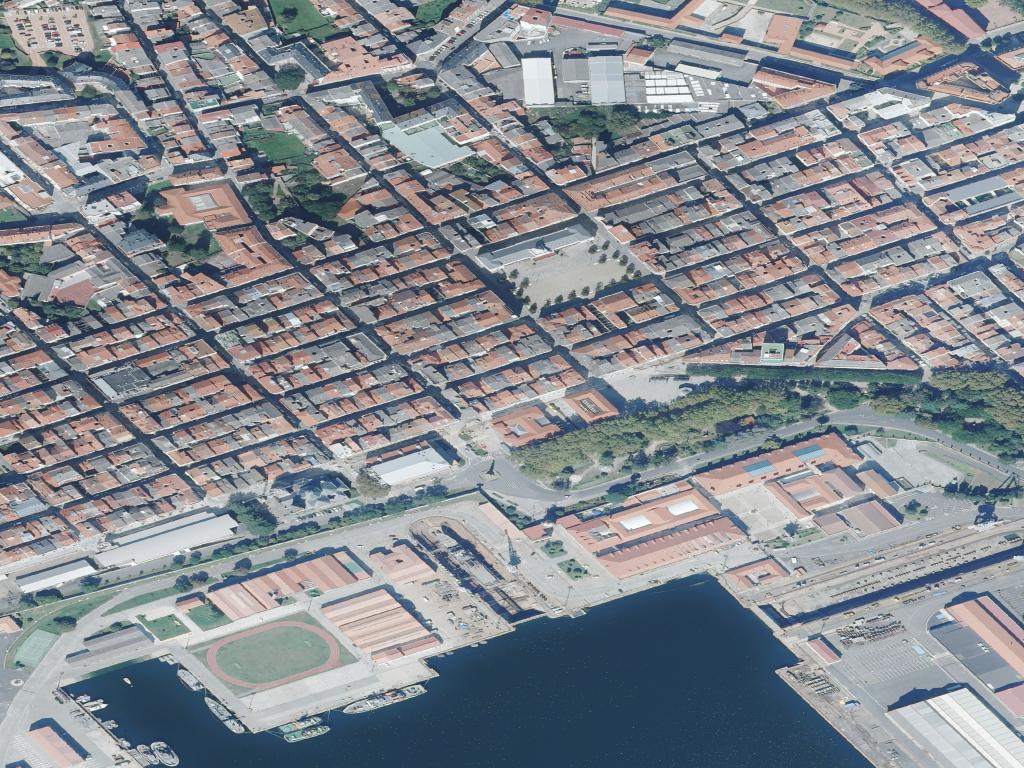
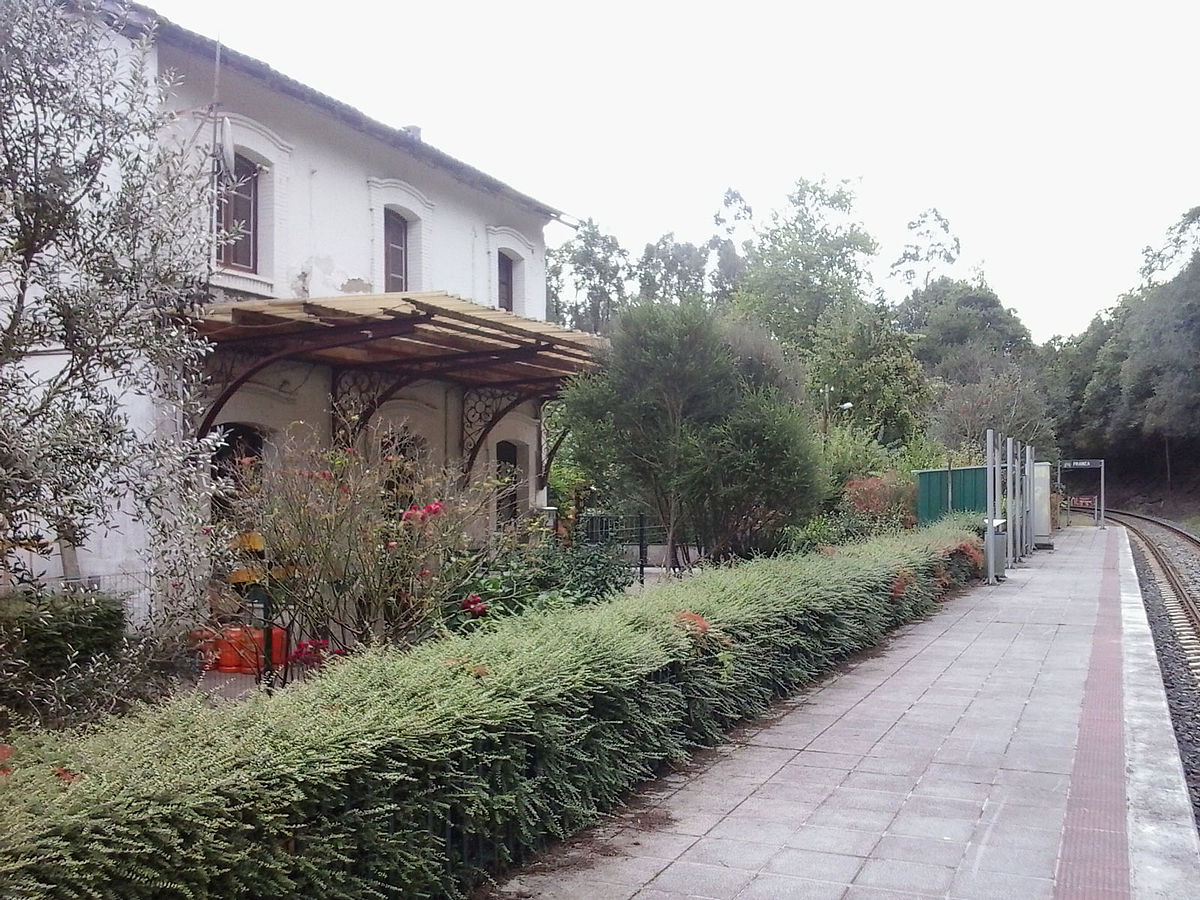
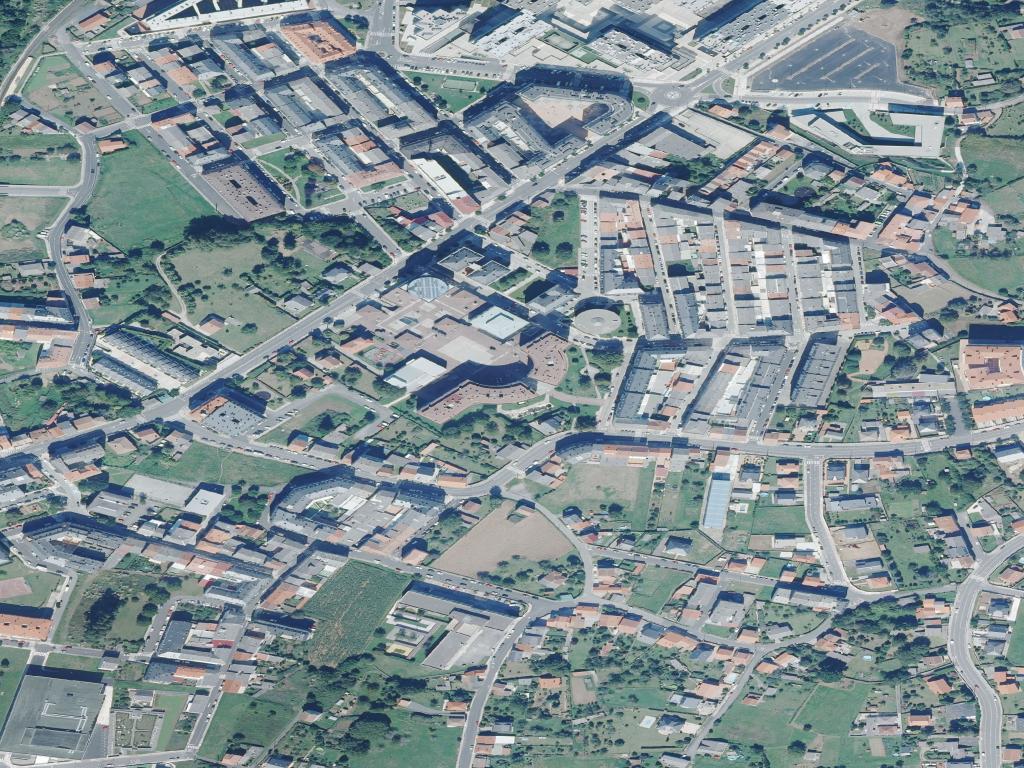
The FEVE train rolls in at 9:43 and nobody bothers to look up. Pensioners carry Lidl bags, teenagers scroll phones, a Labrador snoozes under the only bench that isn’t damp. This is Narón’s daily overture: not postcard Galicia, but the working edge of the Ría de Ferrol where post-war apartment blocks outnumber stone crosses and every third shopfront advertises welding services.
Forty thousand people live here, yet the village barely registers on British itineraries. Guidebooks dispatch you straight to Santiago’s cathedral or the surf beaches of Valdoviño, treating Narón as a blur you clock at 60 mph on the AC-552. That indifference is oddly useful: prices stay low, tables stay free, and nobody tries to sell you a fridge magnet shaped like a scallop shell.
Romanesque in a Car Park
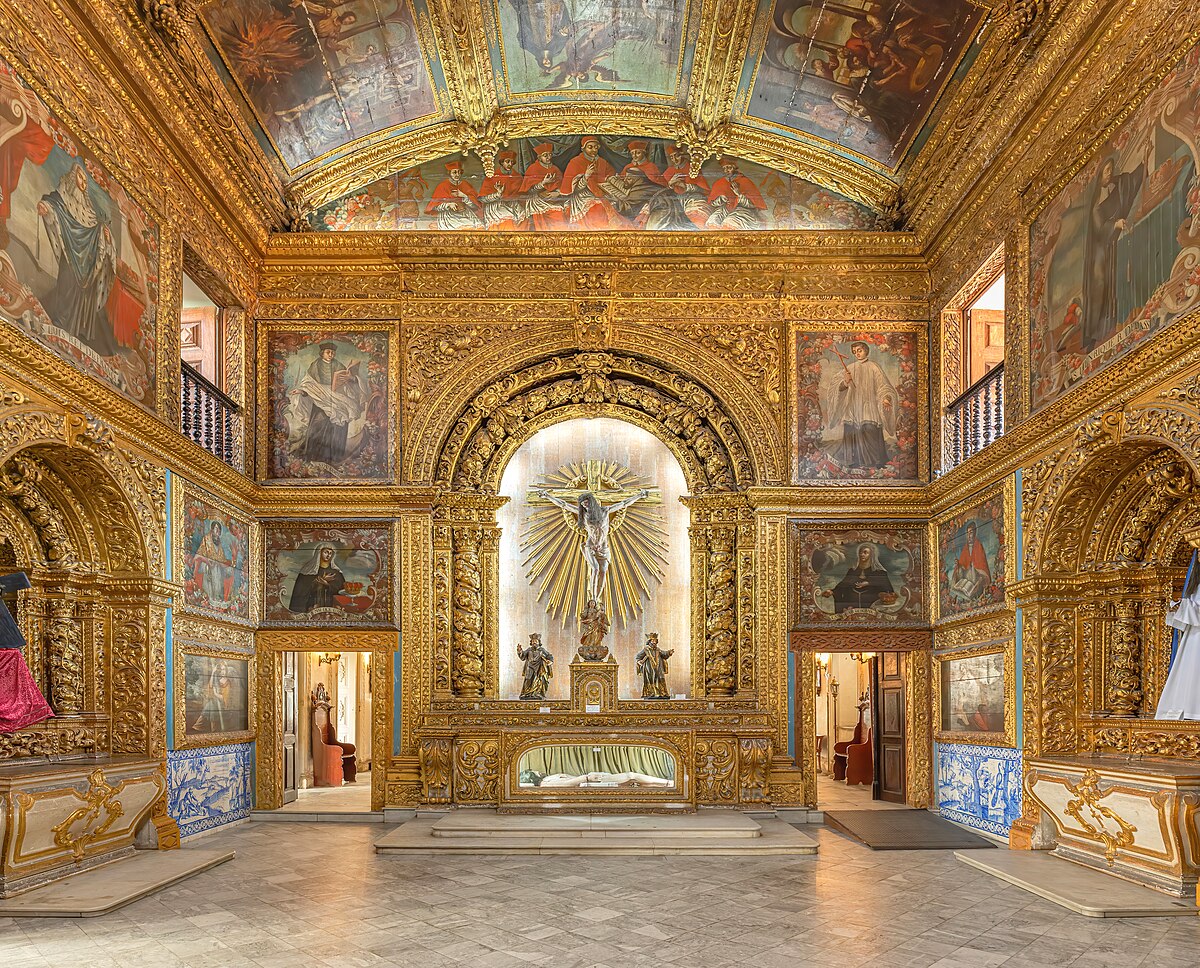
San Martiño de Xuvia sits five minutes from the railway line, hemmed by a tarmac playground and a row of 1970s terraced houses. The church – twelfth-century, limestone, heavier on the soul than on ornament – is locked most mornings, but the key keeper lives opposite: ring the bell labelled “Concha” and she’ll wipe her hands on a tea towel before letting you in. Inside it smells of dust and candle stubs; the font is smooth where generations have scooped baptismal water, and a single stained-glass panel throws cobalt onto the nave floor like a dropped swimming pool tile. Outside again, the traffic resumes and you realise the sacred and the civic have simply agreed to share a postcode.
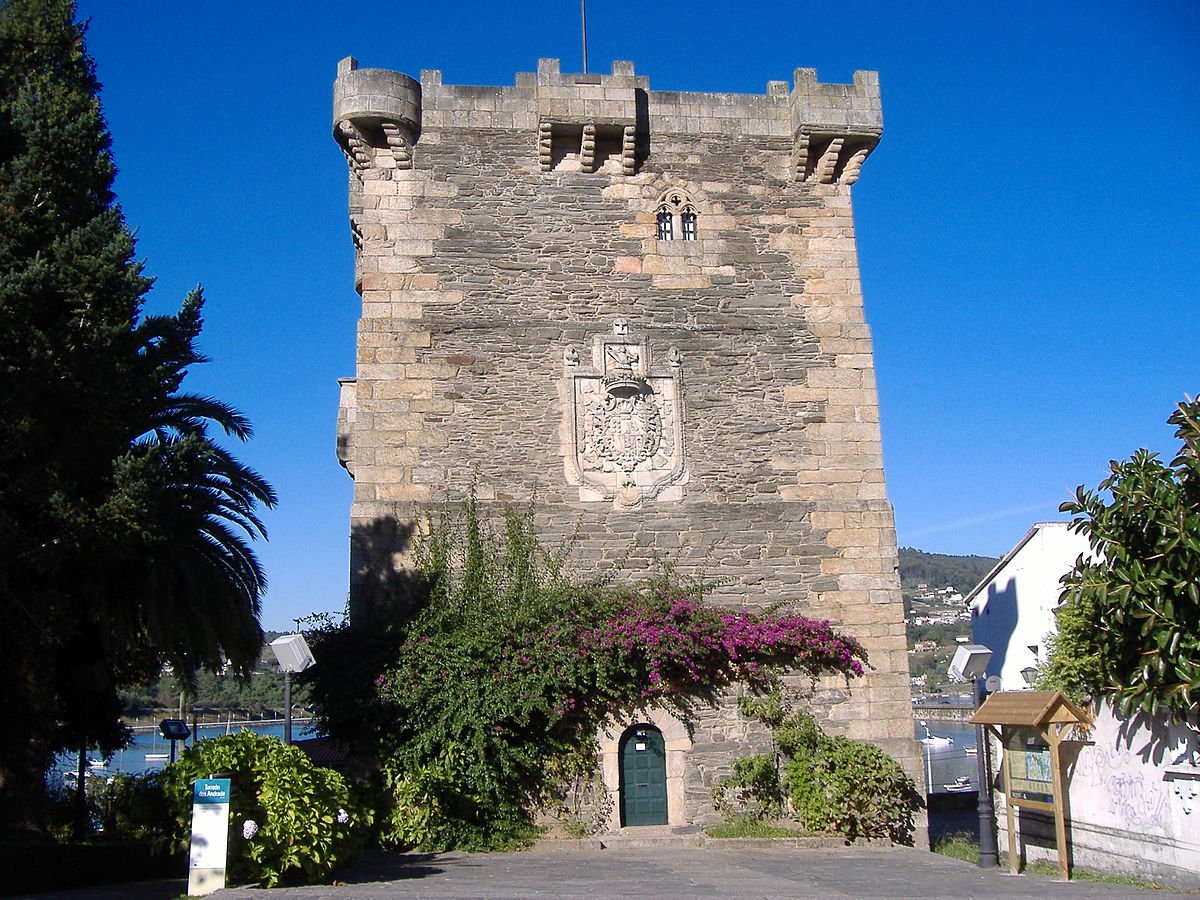
Ten minutes north, the Pazo de O Val does its best to keep up the aristocratic pretence. The granite façade is impressive, but the interior visits are sporadic – ring ahead or content yourself with the approach walk along an avenue of camellias that drops suddenly into eucalyptus plantation. Galician planners never saw the point of buffer zones.
Monday, Closed
British visitors who arrive on a Monday lunchtime learn quickly that Narón runs on its own clock. Bars lower their shutters at 15:30, supermarkets become the de-facto social hub, and the menú del día turns into a lottery. Mercadona’s sandwich counter does a roaring trade in calamari bocadillos; the alternative is Dublín café on Rúa do Progreso – yes, Irish-named, owned by a man from Vigo who spent two summers in Cork. Full English arrives with Heinz beans and proper tea bags, a lifesaver if the octopus-and-paprika trail has worn thin.
When the shutters rise again around 18:00, Mesón O Pote fills with council workers ordering churrasco ribs and bowls of caldo gallego. The €12 set lunch includes wine and a pudding that tastes of custard and cinnamon; ask for “raxo” only if you enjoy chilli-spiked pork that arrives still spitting in the pan.
Flat Tyres and Atlantic Headwinds
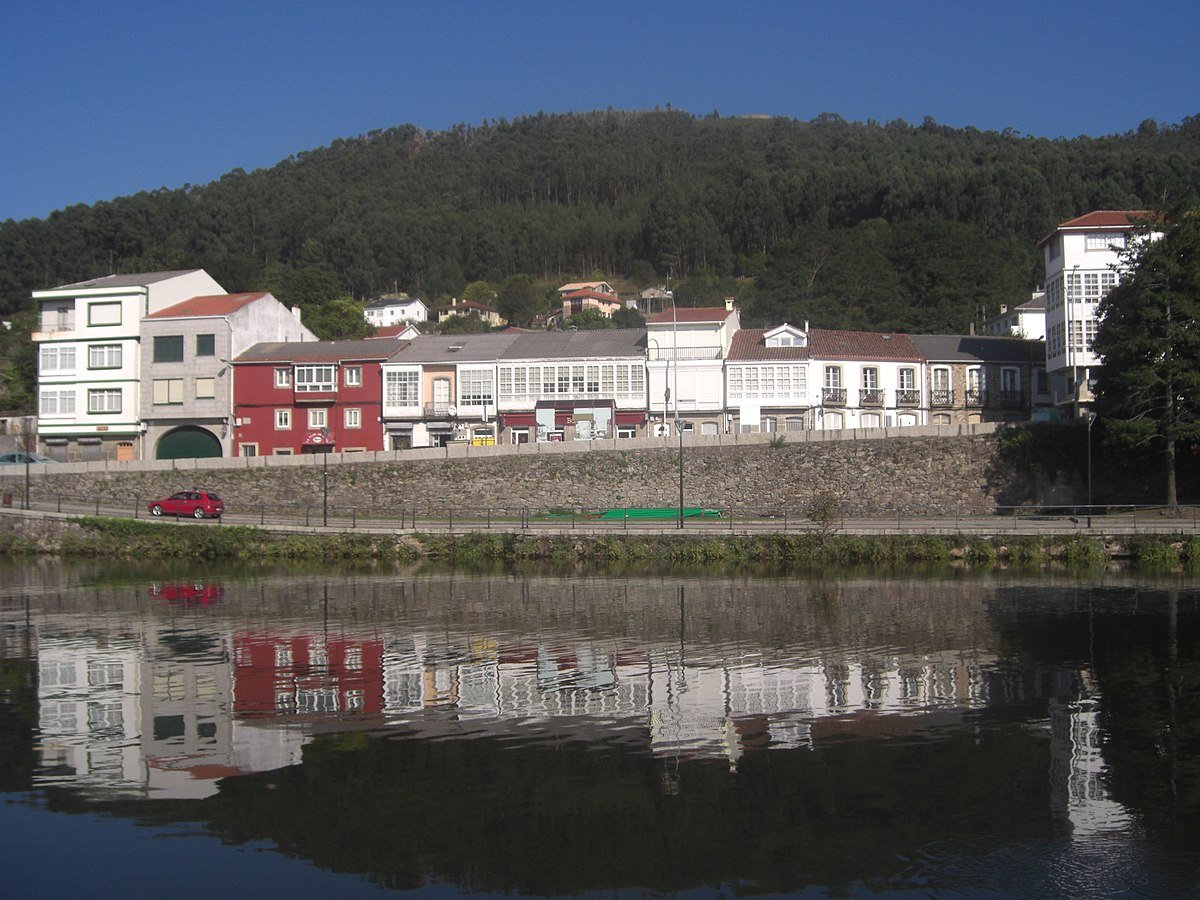
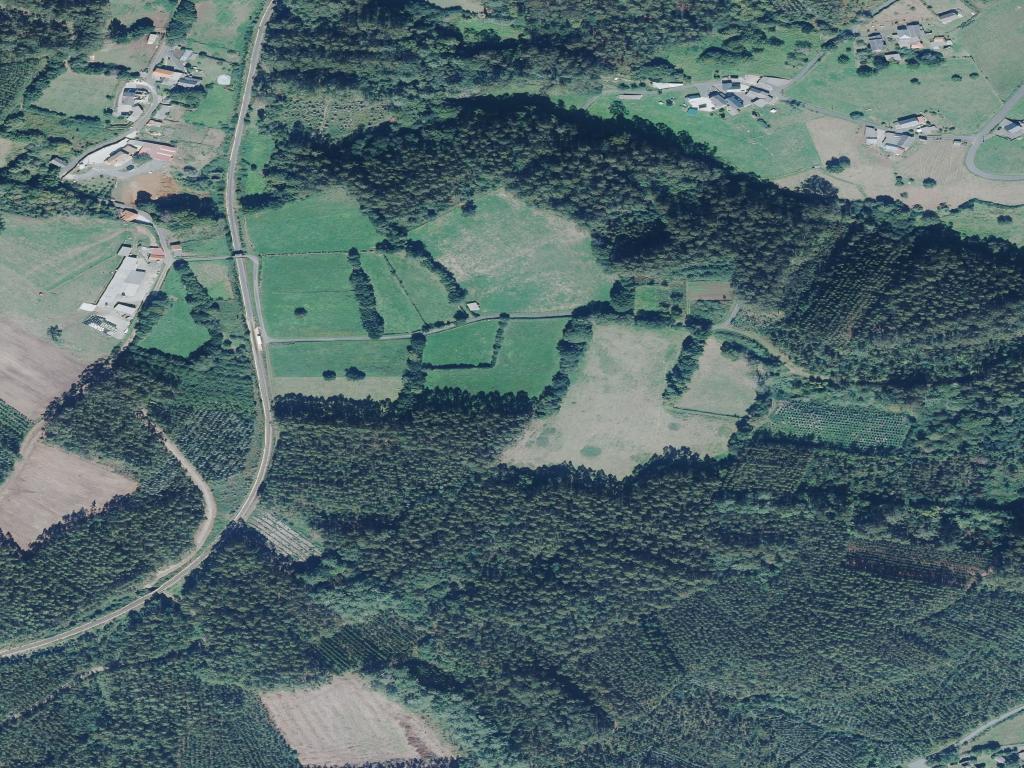
Narón’s relationship with the sea is functional rather than romantic. Ship-repair yards line the inner ría, cranes dip like feeding herons, and the smell is more diesel than salt. Yet cycle west along the old railway alignment – now a paved camino – and the industrial curtain peels back. Oystercatchers pick through mudflats, fishermen in chest waders haul nets for lamprey, and every kilometre the horizon widens until you can spot the lighthouse at Cabo Prior. The route joins the Camino Inglés at Neda, handy if you fancy ticking off the last 100 km to Santiago without the crowds of the French Way. Bike hire is €18 a day from the shop opposite the FEVE station; ask for a mudguard – Galician winters repaint your back in agricultural stripes.
The village itself sits only 40 m above sea level, so cyclists celebrate flat gradients while walkers curse the lack of drama. Real altitude begins 20 km inland where the Xistral hills top 600 m; there you’ll find heather, wind turbines and the genuine possibility of horizontal rain. Winter buses still run, but Sunday services shrink to four a day – miss the 19:05 and you’re hitch-hiking in the dark.
No Sand in the Municipality
The nearest beach is eight kilometres away at Doniños, technically Ferrol, and there is no shuttle. In July and August the 506 bus fills with teenagers carrying bodyboards; off-season you’ll need a taxi (€12) or the patience of a pilgrim. Locals treat the coast as a seasonal appliance: plug in between June and September, unplug the rest of the year. If you do make the trip, arrive at low tide when the lagoon behind the dunes drains and exposes a silver mirror perfect for dog-walking; high tide swallows the sand and parking doubles in price.
Back in Narón the river Sedes slips past the football ground, more a tidal channel than a classic waterway. Herons perch on shopping trolleys, and elderly men cast fishing lines from concrete steps. The council has laid out a boardwalk, but sections still flood on spring tides – wellies trump white trainers.
Practical Hints for the Accidental Visitor
Arrive by public transport and you’ll reach Santiago airport in under two hours: Monbus to A Coruña, then Arriva 506 direct to Narón. Car hire cuts the transfer to 55 minutes on the AG-64, but remember Galicia’s autopistas are tolled – budget €11 each way. Street parking around the FEVE station is free and unrestricted; ignore the gloomy underground car park whose ticket machine swallowed a Leicestershire couple’s €20 note in 2022 and still hasn’t coughed it up.
Accommodation is scarce and honest. Hotel Narón offers 30 functional rooms opposite the police station; doubles run €55–65 with decent Wi-Fi and a breakfast that remembers toast exists. The municipal albergue on the camino charges €8 for bunk beds, heating included, but closes for cleaning between 10:00 and 16:00 – plan accordingly or stand outside with the backpackers sharing a packet of custard creams.
Weather rarely strays far from 12 °C in winter, 24 °C in summer, but the Atlantic wind can shave five degrees off any forecast. Pack a soft shell rather than a brolly; umbrellas here last one gust before inversion. If you visit in November you’ll catch the San Martiño fairs: roast chestnuts, young wine poured from ceramic bowls, and a procession that blocks the N-550 for exactly 23 minutes.
Worth the Detour?
Narón will not change your life. It offers no chocolate-box plaza, no sunset selfie point, no artisan ice cream flavoured with monk’s beard. What it does provide is a slice of working Galicia where prices belong to the last decade and waiters still say “Buen provecho” like they mean it. Use it as a cheap bed for coastal hops, a flat cycle ride, or simply a place to watch the ría shift from pewter to silver while Monday afternoon closes around you. Arrive without a checklist and you might leave with an unexpected liking for functional towns that never learned to flirt with the tourism industry – and a packet of Concha’s home-made palmiers that beats duty-free any day.