Full Article
about Neda
Ocultar artículo Leer artículo completo
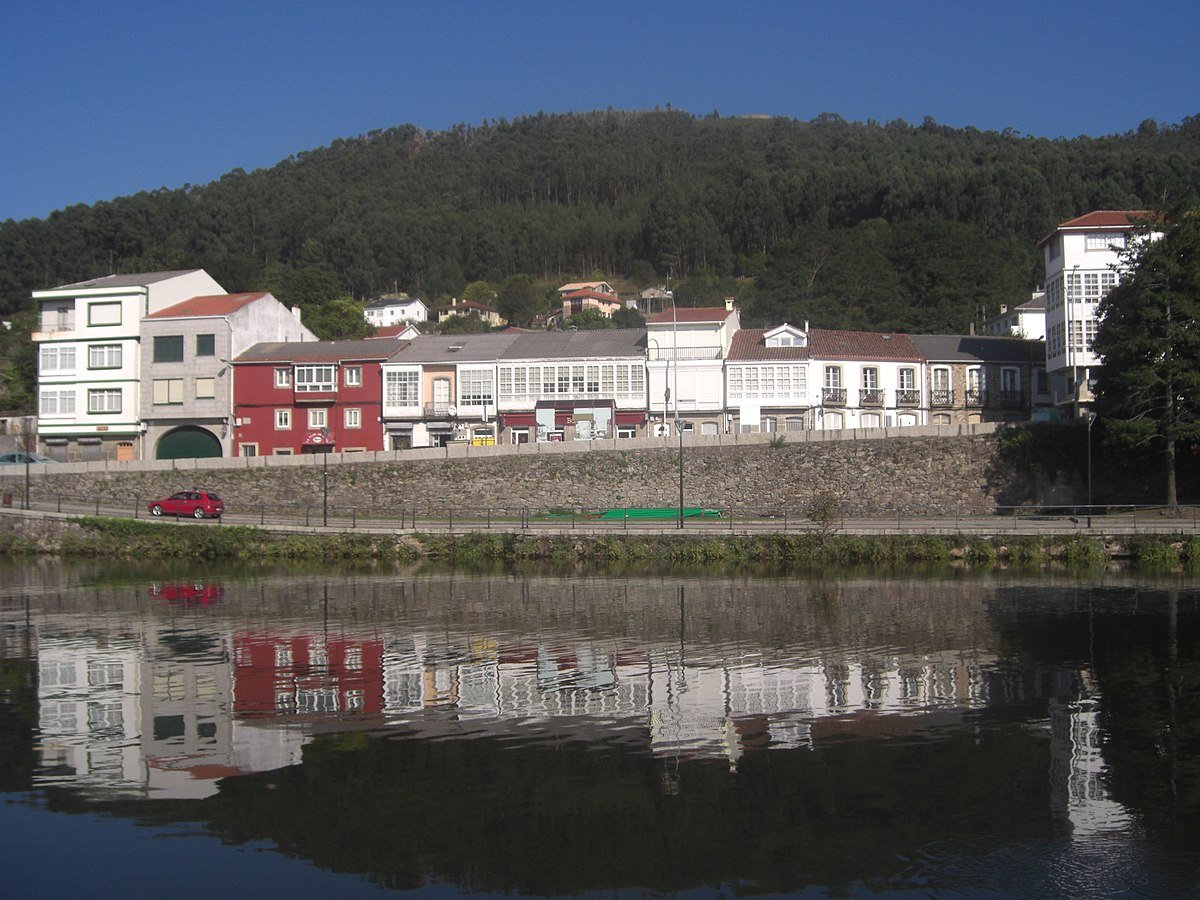
The water is 200 metres farther out than yesterday morning. Mud flats glisten where small boats bobbed at dusk, and an egret picks its way between abandoned oars and frayed rope. In Neda, the estuary never looks the same twice, and nobody expects it to.
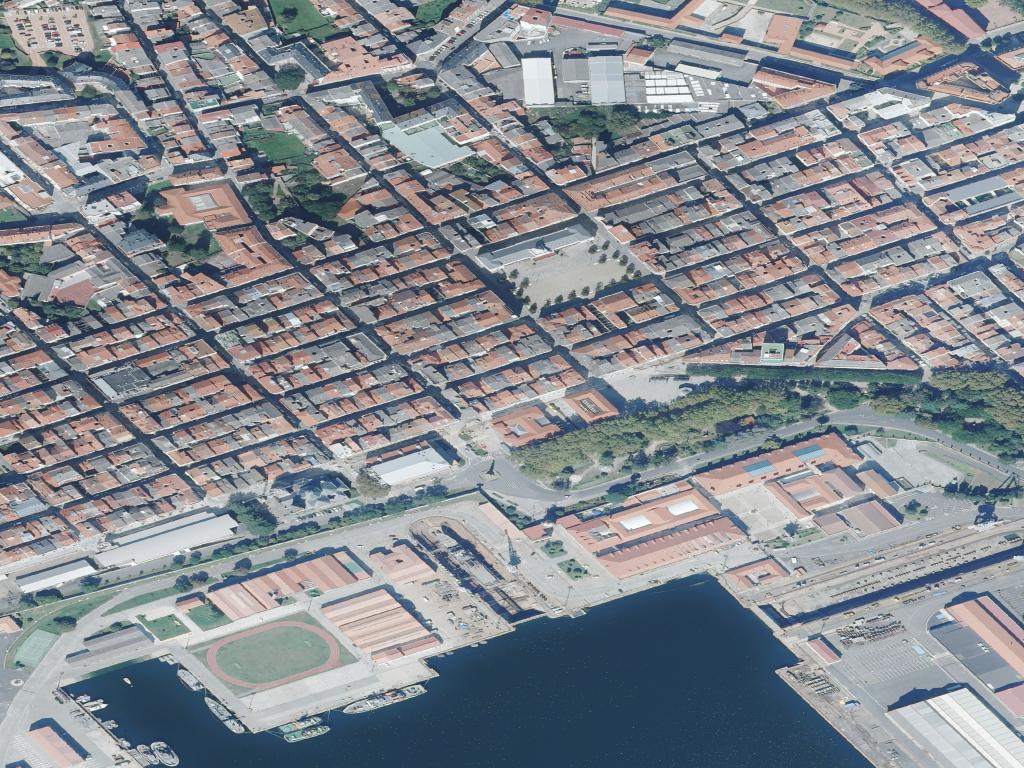
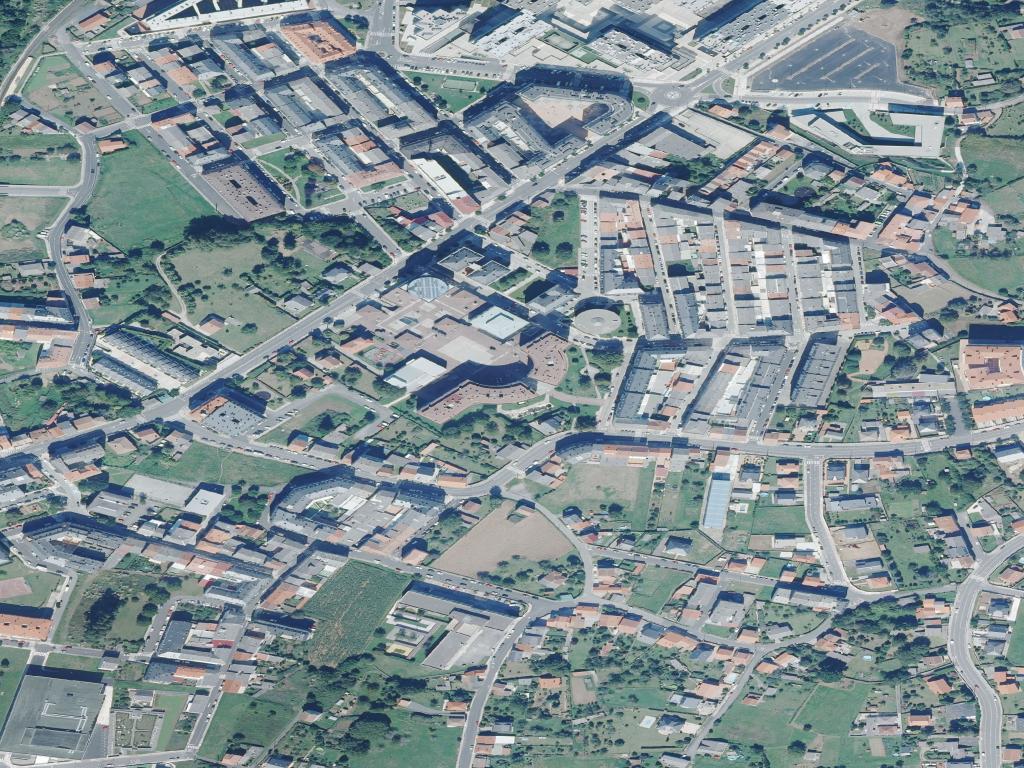
This unprepossessing village of 5,000 sits at the mouth of the Ría de Ferrol, where the Atlantic sluices in and out twice a day, shifting the entire horizon. Most foreign visitors only glimpse it through the window of the Monbus from A Coruña, or hobble through on the Camino Inglés, anxious to reach the next bed in Pontedeume. That is Neda’s blessing and its curse: enough traffic to keep a handful of bars alive, too little to price out the locals.
Low-Key Life on the Waterfront
The shortest useful tour of Neda begins at the tiny albergue on Rúa Real. Drop your pack, ring the town-hall bell if the door is locked (it often is before 4 pm), then walk downhill for two minutes until the street dissolves into the paseo marítimo. Concrete gives way to granite slabs, fishing nets dry on iron railings, and the smell is of diesel, salt, and frying oil from the chiringuito that opens only when the sun is out. There is no beach to speak of—just a slipway and a strip of coarse grey sand that appears at half-tide—so nobody lingers in bikinis. Instead, grandmothers occupy the benches at 11 am, swapping gossip while keeping an eye on grandchildren who throw stones into the current.
From here you can follow the camino way-marks out of town, but the nicer stroll is simply to continue along the flat path south-east towards the shipyards of Fene. The route is only 3 km return, yet herons outnumber people. Cyclists should know that the tarmac ends abruptly at the abandoned brickworks; after rain the track turns to ochre sludge that cakes tyres and shoes alike.
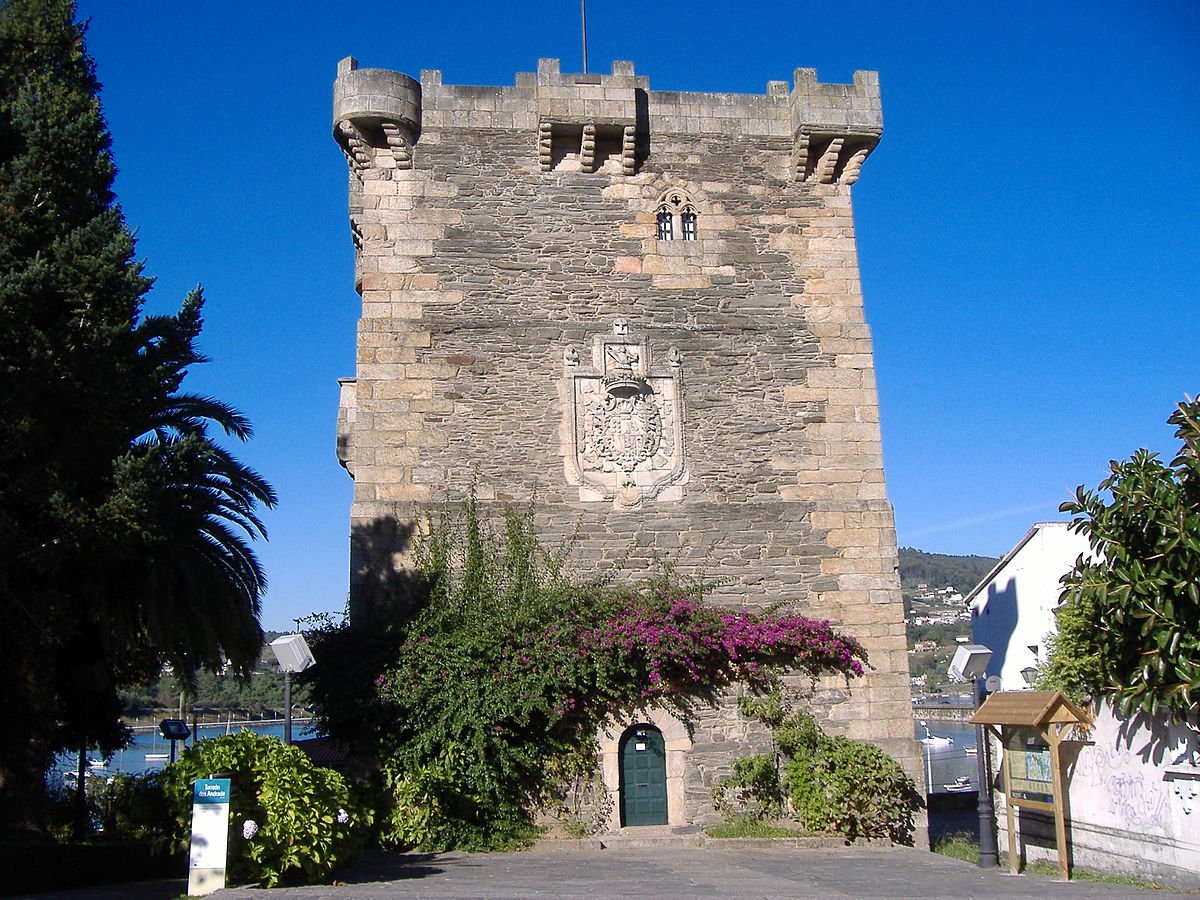
Back in the centre, the lanes pinch and tilt, medieval style, between stone houses whose wooden galleries sag overhead. The 14th-century church of San Nicolás squats at the junction of four streets; step inside and you’ll find ceiling frescoes still scarred by 19th-century fire. Mass is at 10 am Sunday, and if the bell is tolling the bar opposite will hold your coffee until the final hymn. That bar—name changed five times in a decade—serves the best caldo gallego on the Camino: thick with greens and potato, sharpened by a single coin of chorizo you can politely push aside if you’re meat-free.
Food, Drink and the Art of Timing
British stomachs tend to recoil at the idea of octopus for breakfast, yet pulpo a feira is the staple order after 11 am. The trick is to ask for un plato pequeño and specify sin pimentón if you’re wary of smoky paprika. The tentacles arrive purple-white, sliced with scissors, sprinkled only with rock salt and olive oil—surprisingly delicate, and far less chewy than the frozen stuff sold in UK supermarkets. A portion costs €9 and is meant for sharing, though hungry pilgrims often demolish it solo.
Local pride now extends to beer. Neda Beer, a blond ale brewed in a farm shed 3 km inland, pops up on tap in two bars. It is closer to lager than to London bitter, but at 4.8 % it slips down nicely after a hot morning on the path. Order una caña (a slim 200 ml glass) rather than the full pint; Spanish measures are smaller and warmer, and you’ll want room for the almondy tarta de Santiago that follows.
Timing matters. Arrive between 3 pm and 6 pm and every kitchen is closed; you’ll be offered crisps and little else. Sunday is tighter still—apart from the bakery on Rúa do Medio (07:30-14:00) the village shuts down. Stock up before dusk or prepare to forage from the Spar in neighbouring Fene, two bus stops away.
When the Crowds (Don’t) Arrive
Outside July and August Neda is quiet enough to hear your own footsteps echo off the stone. That is precisely why many walkers complain: “We were in and out in 45 minutes.” Fair enough—there is no museum, no castle, no selfie-ready mirador. What the village offers is a lesson in estuarine living. Watch the fishing boats glide in at 6 pm, unloaded by men who still whistle commands in Galician. Notice how the café owners time their cigarette breaks for the exact moment the tide swings, because that is when the customers thin out. Stay overnight and you’ll see the same ritual at dawn, headlights on the quay as cockle pickers wade waist-deep with GPS trackers clipped to waterproofs.
Winter amplifies the atmosphere. Atlantic storms drive spray over the sea wall; fog swallows the opposite shore. The albergue stays open year-round but heating is hit-and-miss—bring a sleeping bag rated below 10 °C. On the plus side, bars will light a brasero under the table so you can warm your knees while sipping orujo, the local firewater that tastes of aniseed and regret.
Getting There, Getting Out
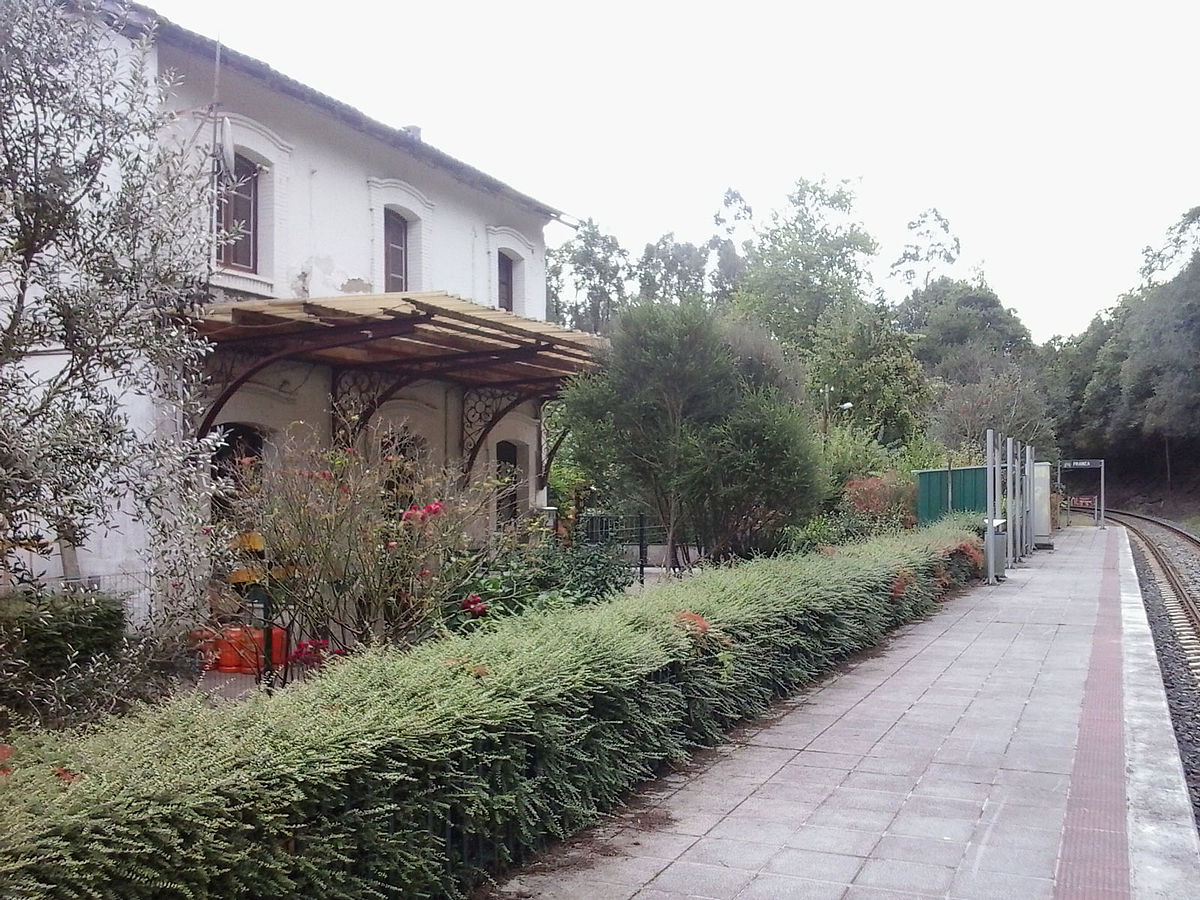
A Coruña airport is 55 minutes away by hire car; take the AP-9 toll road (€9) and exit at junction 22. Public transport is patchier: ALSA runs hourly buses from the airport to Ferrol (50 min), where you change to the Monbus line 10 for Neda (25 min, 2–3 daily). Trains no longer stop here—the nearest station is Xubia-Cabanas, 7 km distant, and taxis must be booked by phone; there is no rank.
If you’re walking the Camino Inglés, Neda is the logical halt after the 17 km slog from Ferrol. Resist the temptation to push on without supplies; the next bar is 8 km away in Fene, and the path climbs through eucalyptus forest where phone signal dies. Fill your water bottle at the public fountain opposite the church—locals still use it for cooking, and no-one has yet reported an upset stomach.
For drivers, the village works as a half-day pause on a coastal circuit. Link it with Mugardos’ 16th-century castle (15 min east) or the wide sandy bay of Ares (20 min north-west). If you have wheels and sturdy shoes, drive 5 km south-west to the Belelle waterfall, a 45 m drop hidden in Atlantic oak woods. The trail is unsigned—plug “Fervenza de Belelle” into Google Maps and expect a muddy 20-minute scramble.
The Bottom Line
Neda will not change your life. It offers no Instagram cathedrals, no boutique hotels, no souvenir shops flogging fridge magnets. What it does provide is an unfiltered taste of Galicia’s working estuary: the smell of diesel mingling with seaweed, the creak of wood against rope, the sight of grandmothers knitting while keeping one eye on the tide. Come for the octopus, stay for the tide-table, and leave before you mistake simplicity for boredom.